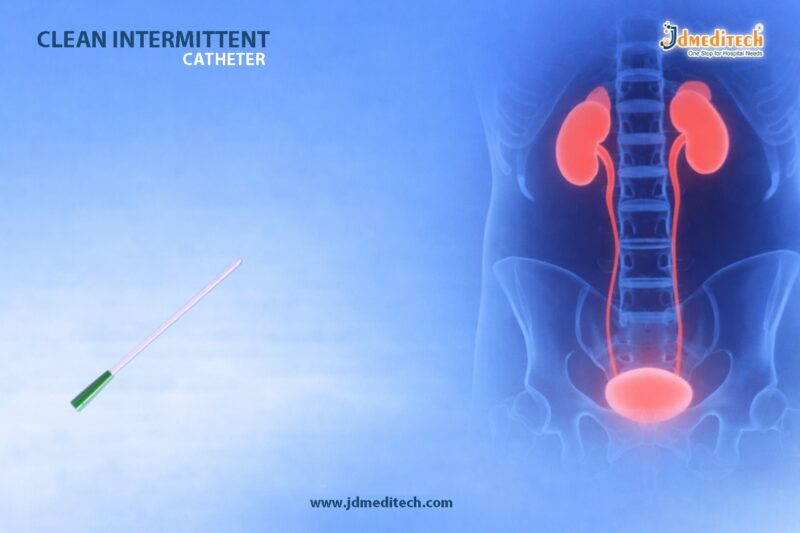
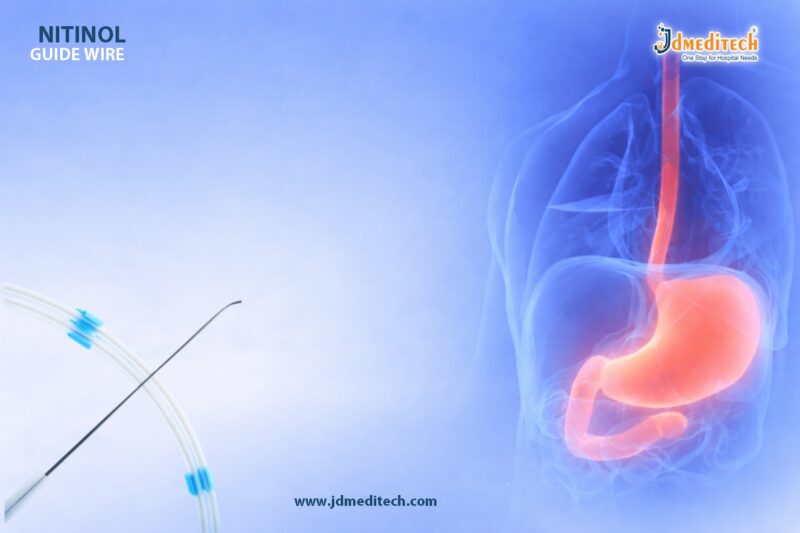
Cystoscope Bridge in Cystoscopy Procedures – Features, Uses & Benefits

In modern urology, precision and seamless connectivity between instruments are essential for successful outcomes. One such critical component is the Cystoscope Bridge, a small yet highly functional device that plays a vital role in cystoscopy procedures.

The Cystoscope Bridge ensures smooth integration between the cystoscope sheath and working instruments, enabling urologists to perform diagnostic and therapeutic procedures efficiently. In this blog, we will explore its features, uses, benefits, and clinical importance.

What is a Cystoscope Bridge?

A Cystoscope Bridge is a specialized connector used in cystoscopy procedures to attach accessories such as forceps, electrodes, or irrigation systems to the cystoscope sheath.

It acts as a functional interface, allowing multiple instruments to be used simultaneously without compromising visualization or control.

Why is the Cystoscope Bridge Important in Cystoscopy?

The Cystoscope Bridge is essential because it:

  • Ensures secure attachment of surgical instruments
  • Enables continuous irrigation flow
  • Supports multi-instrument access
  • Enhances procedure efficiency and safety

Without a reliable Cystoscope Bridge, performing precise urological interventions becomes significantly more challenging.

Key Features of Cystoscope Bridge
1. High-Quality Medical-Grade Material

The Cystoscope Bridge is typically made from stainless steel or durable polymers, ensuring longevity and resistance to repeated sterilization.

2. Ergonomic Design

Its compact and user-friendly design allows surgeons to handle instruments with better control and minimal fatigue.

3. Leak-Proof Connection

A well-designed Cystoscope Bridge provides a tight seal, preventing fluid leakage during irrigation.

4. Compatibility

Most Cystoscope Bridges are compatible with standard cystoscope sheaths and accessories, making them versatile in clinical settings.

5. Multiple Ports

Some bridges come with dual or multiple channels, allowing simultaneous use of instruments and irrigation.

Applications of Cystoscope Bridge

The Cystoscope Bridge is widely used in:

  • Diagnostic cystoscopy
  • Bladder examination
  • Biopsy procedures
  • Stone removal
  • Tumor resection support procedures
  • Urethral assessments

Its versatility makes it indispensable in both routine and advanced urological procedures.

Benefits of Using a High-Quality Cystoscope Bridge
Improved Surgical Efficiency

The Cystoscope Bridge allows smooth instrument exchange, reducing procedure time.

Enhanced Patient Safety

Secure connections minimize the risk of fluid leakage and instrument instability.

Better Visualization

Continuous irrigation ensures a clear surgical field throughout the procedure.

Durability and Cost-Effectiveness

Reusable, high-quality bridges offer long-term value for hospitals and clinics.

How to Choose the Right Cystoscope Bridge

When selecting a Cystoscope Bridge, consider:

  • Compatibility with existing cystoscope systems
  • Material quality (prefer stainless steel for durability)
  • Number of ports required
  • Ease of sterilization
  • Ergonomic handling

Choosing the right Cystoscope Bridge ensures optimal performance and reliability during procedures.

Maintenance and Sterilization

Proper care of the Cystoscope Bridge is crucial:

  • Clean immediately after use
  • Use approved disinfectants
  • Sterilize using autoclave methods (if compatible)
  • Inspect for wear and tear regularly

Regular maintenance extends the lifespan and ensures patient safety.

Future Trends in Cystoscope Bridge Design

With advancements in medical technology, Cystoscope Bridges are evolving:

  • Improved lightweight materials
  • Enhanced fluid control systems
  • Better instrument integration
  • Increased compatibility with advanced endoscopic systems

These innovations continue to improve urological outcomes.

Conclusion

The Cystoscope Bridge may seem like a small component, but it plays a crucial role in the success of cystoscopy procedures. By ensuring seamless connectivity, efficient irrigation, and multi-instrument access, it enhances both surgical precision and patient safety.

For healthcare providers, investing in a high-quality Cystoscope Bridge is essential for delivering reliable and effective urological care.


Explore More Product >>

Get Connected:

+91 79909 93062 | +91 63513 72032 | exports@jdmeditech.com


Dialysis Stainless Steel RO Plant – Pure Water for Safe Dialysis

In modern healthcare, water purity is critical for dialysis safety. Even the smallest contamination can lead to serious complications for patients undergoing treatment. Therefore, healthcare facilities rely heavily on advanced purification systems like the Dialysis Stainless Steel RO Plant.

A Dialysis Stainless Steel RO Plant ensures ultra-pure water, consistent performance, and long-term durability. Moreover, it plays a vital role in maintaining patient safety, improving treatment outcomes, and meeting global dialysis standards.

What is a Dialysis Stainless Steel RO Plant?

A Dialysis Stainless Steel RO Plant is a high-performance water purification system specifically designed for dialysis applications. It uses reverse osmosis (RO) technology combined with stainless steel construction to deliver safe, contaminant-free water.

Unlike conventional systems, this plant is built to meet strict medical-grade requirements. As a result, it removes harmful impurities such as:

  • Bacteria and endotoxins
  • Dissolved salts and heavy metals
  • Chlorine and organic contaminants
  • Particulates and sediments

Consequently, it ensures that dialysis machines receive only highly purified water, which is essential for patient safety.

Why Stainless Steel Matters in Dialysis RO Plants

The use of stainless steel in a Dialysis Stainless Steel RO Plant is not just about durability—it is about hygiene and performance.

Key Benefits:
1. Superior Hygiene

Stainless steel surfaces resist bacterial growth. Therefore, they are ideal for medical environments.

2. Corrosion Resistance

Unlike plastic systems, stainless steel does not degrade easily. Hence, it ensures long-term reliability.

3. Easy Cleaning & Sterilization

Because of its smooth surface, stainless steel allows effective cleaning and disinfection.

4. Longer Lifespan

A Dialysis Stainless Steel RO Plant offers extended service life with minimal maintenance.

Key Features of Dialysis Stainless Steel RO Plant

A high-quality Dialysis Stainless Steel RO Plant is equipped with advanced features that ensure efficiency and safety:

  • Multi-stage filtration system for maximum purification
  • High-rejection RO membranes for superior performance
  • Stainless steel piping and frame for hygiene and durability
  • Automated monitoring system for real-time control
  • Low maintenance design to reduce operational costs
  • Consistent flow rate and pressure control

Additionally, these features ensure that the plant meets international standards such as AAMI and ISO guidelines.

How Dialysis Stainless Steel RO Plant Works

Understanding the working principle of a Dialysis Stainless Steel RO Plant helps highlight its importance.

Step-by-Step Process:
Pre-Filtration
Removes large particles like sand, dirt, and sediments.
Carbon Filtration
Eliminates chlorine and organic compounds.
Water Softening
Reduces hardness and prevents scaling.
Reverse Osmosis (RO)
Removes dissolved salts, bacteria, and endotoxins.
Post-Treatment (Optional)
Includes UV sterilization or ultrafiltration for added safety.

As a result, the output water is ultra-pure and suitable for dialysis procedures.

Applications in Healthcare

A Dialysis Stainless Steel RO Plant is widely used in:

  • Dialysis centers
  • Hospitals and nephrology units
  • Intensive care units (ICUs)
  • Multi-specialty healthcare facilities

Because of its reliability, it is essential for both chronic and acute dialysis treatments.

Advantages of Using Dialysis Stainless Steel RO Plant

Using a Dialysis Stainless Steel RO Plant offers multiple benefits:

  • Ensures patient safety by eliminating contaminants
  • Improves dialysis efficiency with consistent water quality
  • Reduces risk of infection and complications
  • Complies with global medical standards
  • Provides long-term cost savings due to durability

Furthermore, it enhances the overall quality of healthcare services.

Maintenance and Best Practices

To maintain optimal performance of a Dialysis Stainless Steel RO Plant, regular maintenance is essential.

Recommended Practices:
  • Routine system sanitization
  • Periodic membrane replacement
  • Monitoring water quality parameters
  • Checking pressure and flow rates
  • Scheduled servicing by professionals

By following these practices, healthcare facilities can ensure uninterrupted operation.

Why Choose JDMeditech?

At JDMeditech, we provide advanced Dialysis Stainless Steel RO Plant solutions designed for safety, durability, and performance.

What Sets Us Apart:
  • Premium-quality stainless steel construction
  • Compliance with international standards
  • Reliable and consistent purification
  • Customizable solutions for healthcare facilities
  • Dedicated customer support
Conclusion

A Dialysis Stainless Steel RO Plant is not just a water purification system—it is a critical component in ensuring safe and effective dialysis treatment. With its advanced technology, stainless steel durability, and compliance with global standards, it guarantees pure water, safe dialysis, and trusted quality.

Investing in a high-quality Dialysis Stainless Steel RO Plant is essential for delivering better patient care and maintaining healthcare excellence.


Explore More Product >>

Get Connected:

+91 79909 93062 | +91 63513 72032 | exports@jdmeditech.com



Efficient Specimen Collection in Endoscopy: Polyp Trap Benefits & Uses

In modern gastrointestinal endoscopy, accurate specimen collection is just as critical as the procedure itself. Among the essential accessories that support this process, the polyp trap plays a vital role. Designed to safely capture and retrieve excised tissue, a polyp trap in endoscopy ensures that valuable biopsy samples are not lost during suction.

As endoscopic procedures become more advanced, the need for reliable specimen collection tools continues to grow. Therefore, understanding the function, benefits, and applications of a polyp trap is essential for healthcare professionals aiming for precision and efficiency.

What is a Polyp Trap in Endoscopy?

A polyp trap in endoscopy is a sterile, single-use medical device used during endoscopic procedures to collect and retain tissue specimens, such as polyps, that are removed from the gastrointestinal tract.

Typically, it is connected between the endoscope suction port and the suction tubing. As a result, any tissue aspirated during the procedure is captured inside the trap rather than being lost in the suction canister.

Why Efficient Specimen Collection Matters

Efficient specimen collection directly impacts diagnostic accuracy and patient outcomes. Without proper collection tools, valuable tissue samples may be lost, damaged, or contaminated.

Key Reasons Include:
  • Accurate Diagnosis : Preserved specimens allow for precise histopathological evaluation
  • Reduced Repeat Procedures : Proper collection avoids the need for additional interventions
  • Improved Workflow : Streamlined specimen handling saves time for medical staff
  • Enhanced Patient Safety : Minimizes procedural complications and errors

Therefore, the use of a polyp trap in endoscopy significantly improves clinical efficiency.

Key Features of a Polyp Trap in Endoscopy
1. Transparent Chamber

The clear body allows clinicians to visually confirm specimen capture during the procedure.

2. Secure Lid Mechanism

A leak-proof, easy-to-open lid ensures safe retrieval and transfer of specimens.

3. Multiple Chambers (Optional)

Some polyp traps come with multiple compartments, allowing separation of different samples.

4. Universal Connectivity

Compatible with most endoscopy suction systems, ensuring seamless integration.

5. Sterile & Disposable Design

Single-use construction reduces the risk of cross-contamination and infection.

How a Polyp Trap Works

The working mechanism of a polyp trap in endoscopy is simple yet highly effective:

  1. The device is connected to the suction line of the endoscope
  2. During polypectomy or biopsy, tissue is aspirated
  3. The specimen gets trapped inside the chamber
  4. The collected sample is retrieved for laboratory analysis

Thus, it ensures that no specimen is lost during suction.

Clinical Applications of Polyp Trap in Endoscopy

A polyp trap in endoscopy is widely used across various procedures:

  • Colonoscopy : For capturing excised colon polyps
  • Gastroscopy : Retrieval of gastric biopsy samples
  • Endoscopic Mucosal Resection (EMR) : Collection of resected tissue
  • Endoscopic Submucosal Dissection (ESD) : Precise specimen handling

In each case, the device supports accurate and efficient sample collection.

Advantages of Using a Polyp Trap

Using a polyp trap in endoscopy offers several benefits:

  • Prevents Specimen Loss during suction
  • Maintains Sample Integrity for accurate diagnosis
  • Improves Procedure Efficiency
  • Reduces Risk of Contamination
  • Enhances Workflow in Endoscopy Units

Moreover, it ensures that every retrieved tissue sample is usable for further analysis.

Choosing the Right Polyp Trap

When selecting a polyp trap in endoscopy, consider the following factors:

  • Compatibility with Endoscopy Systems
  • Ease of Use and Handling
  • Chamber Capacity and Design
  • Sterility and Safety Standards
  • Quality of Materials Used

Choosing a high-quality device ensures optimal performance and reliability.

Best Practices for Using a Polyp Trap

To maximize efficiency, follow these best practices:

  • Always ensure proper connection before starting the procedure
  • Monitor the chamber for specimen collection
  • Handle the trap carefully during removal
  • Label specimens correctly for pathology
  • Dispose of single-use devices safely

These steps help maintain accuracy and safety throughout the process.

Conclusion

In conclusion, the polyp trap in endoscopy is an indispensable tool for efficient specimen collection. It not only prevents tissue loss but also enhances diagnostic accuracy and procedural efficiency. As endoscopic techniques continue to evolve, the importance of reliable accessories like polyp traps becomes even more significant.

For healthcare providers aiming to deliver precise and high-quality care, investing in a well-designed polyp trap is a smart and essential choice.


Explore More Product >>

Get Connected:

+91 79909 93062 | +91 63513 72032 | exports@jdmeditech.com


Transseptal Needle for Safe Septal Puncture

The transseptal needle is a critical instrument in modern interventional cardiology. It enables physicians to access the left atrium safely through a controlled septal puncture. As cardiac procedures continue to advance, the demand for precision tools like the transseptal needle has significantly increased.

Moreover, this device plays a key role in procedures such as atrial fibrillation ablation, mitral valve interventions, and structural heart treatments. Therefore, choosing a high-quality transseptal needle ensures both safety and procedural success.

What is a Transseptal Needle?

A transseptal needle is a specialized medical device used to puncture the interatrial septum. This allows clinicians to gain access to the left atrium from the right atrium during minimally invasive cardiac procedures.

Typically, the transseptal needle is used along with a transseptal sheath and dilator system. As a result, it provides a controlled and accurate pathway for catheter-based interventions.

Key Features of Transseptal Needle
1. Precision-Engineered Tip

The sharp and accurately designed tip of the transseptal needle ensures smooth and controlled septal puncture. Consequently, it minimizes trauma to surrounding tissues.

2. High-Quality Stainless Steel Construction

Manufactured using premium-grade materials, the transseptal needle offers durability and consistent performance. In addition, it resists bending under pressure.

3. Enhanced Flexibility and Control

The ergonomic design provides excellent handling. Therefore, clinicians can perform precise maneuvers during complex procedures.

4. Radiopaque Markers

Many advanced transseptal needles include radiopaque markers. This improves visibility under fluoroscopy and enhances procedural accuracy.

5. Compatibility with Sheath Systems

The transseptal needle is designed to be compatible with standard transseptal sheath and dilator systems. Hence, it integrates seamlessly into existing setups.

Clinical Applications of Transseptal Needle

The transseptal needle is widely used in:

  • Atrial Fibrillation Ablation Procedures
  • Left Atrial Appendage Closure (LAAC)
  • Mitral Valve Repair and Replacement
  • Electrophysiology Studies
  • Structural Heart Interventions

Because of its versatility, the transseptal needle has become indispensable in cardiac catheterization labs.

Benefits of Using a High-Quality Transseptal Needle
Improved Patient Safety

A well-designed transseptal needle reduces the risk of complications during septal puncture.

Enhanced Procedural Efficiency

Due to its precision, the transseptal needle helps reduce procedure time.

Accurate Left Atrial Access

Reliable access ensures successful completion of complex cardiac interventions.

Reduced Tissue Trauma

The optimized tip design minimizes unnecessary damage.

Why Choose JDMeditech Transseptal Needle?

At JDMeditech, we focus on delivering precision-engineered medical devices. Our transseptal needle is designed to meet the highest clinical standards.

Key Advantages:
  • Superior build quality
  • Consistent performance
  • Excellent operator control
  • Designed for safe septal puncture
  • Compatible with leading sheath systems
How to Use a Transseptal Needle Safely

Although the transseptal needle is highly effective, proper technique is essential.

  • Always use imaging guidance (fluoroscopy or echocardiography)
  • Ensure correct positioning before puncture
  • Apply controlled pressure
  • Confirm entry into the left atrium before advancing

Therefore, trained professionals must handle the transseptal needle to ensure optimal outcomes.

Conclusion

In conclusion, the transseptal needle is an essential tool in advanced cardiac procedures. Its precision, safety, and compatibility make it a preferred choice for clinicians worldwide.

As cardiac interventions evolve, investing in a high-quality transseptal needle ensures better outcomes and improved patient care. Therefore, choosing a trusted manufacturer like JD Meditech can make a significant difference in clinical performance.


Cystoscope Sheath – Essential Tool for Diagnostic Cystoscopy

In modern urology, precision and safety are essential. Therefore, every instrument used during procedures must meet high clinical standards. One such crucial component is the cystoscope sheath, which plays a key role in diagnostic cystoscopy.

A cystoscope sheath not only provides structural support to the cystoscope but also ensures smooth instrument passage and efficient fluid management. As a result, it significantly enhances both procedural efficiency and patient safety.

What is a Cystoscope Sheath?

A cystoscope sheath is a tubular medical accessory designed to encase and support the cystoscope during urological procedures. Typically, it includes inlet and outlet ports that facilitate continuous irrigation.

Moreover, the cystoscope sheath allows the insertion of additional instruments, such as forceps or electrodes, without compromising visibility.

Key Features of Cystoscope Sheath
1. High-Quality Medical-Grade Material

The cystoscope sheath is manufactured using durable, corrosion-resistant materials. Consequently, it ensures long-term performance and repeated sterilization compatibility.

2. Integrated Irrigation Channels

In addition, the cystoscope sheath features dual channels for fluid inflow and outflow. This design helps maintain a clear surgical field throughout the procedure.

3. Ergonomic Design

Because of its user-friendly structure, the cystoscope sheath allows easy handling and precise control during cystoscopy.

4. Compatibility with Various Cystoscopes

Furthermore, the cystoscope sheath is available in multiple sizes to fit both rigid and flexible cystoscopes.

5. Leak-Proof Construction

Importantly, the cystoscope sheath prevents fluid leakage, thereby ensuring a clean and controlled environment.

Clinical Applications of Cystoscope Sheath

The cystoscope sheath is widely used in various diagnostic and therapeutic procedures, including:

  • Bladder examination (cystoscopy)
  • Detection of tumors or stones
  • Evaluation of hematuria (blood in urine)
  • Urethral stricture assessment
  • Guided biopsy procedures

Thus, the cystoscope sheath plays an indispensable role in accurate diagnosis and treatment planning.

Advantages of Using Cystoscope Sheath
Enhanced Visualization

Due to continuous irrigation, the cystoscope sheath ensures a clear view of the urinary tract.

Improved Procedure Efficiency

Additionally, it allows simultaneous use of instruments, which reduces procedure time.

Patient Safety

Because of its smooth surface and precise design, the cystoscope sheath minimizes tissue trauma.

Infection Control

Sterilizable materials used in the cystoscope sheath help maintain high hygiene standards.

Types of Cystoscope Sheath
1. Rigid Cystoscope Sheath
  • Used in standard diagnostic procedures
  • Provides better image stability
2. Flexible Cystoscope Sheath
  • Ideal for minimally invasive procedures
  • Offers greater patient comfort
3. Continuous Flow Sheath
  • Enables uninterrupted irrigation
  • Commonly used in advanced procedures
How to Choose the Right Cystoscope Sheath

When selecting a cystoscope sheath, consider the following factors:

  • Size compatibility with cystoscope
  • Type of procedure
  • Material quality
  • Sterilization method
  • Irrigation requirements

Therefore, choosing the right cystoscope sheath ensures optimal performance and safety.

Maintenance and Sterilization

Proper care of the cystoscope sheath is essential. After each use:

  • Clean thoroughly to remove biological debris
  • Sterilize using approved methods (autoclave or chemical sterilization)
  • Inspect for damage before reuse

As a result, consistent maintenance extends the lifespan of the cystoscope sheath and ensures patient safety.

Why Choose JDMeditech Cystoscope Sheath?

At JDMeditech, we provide high-quality cystoscope sheath solutions designed for precision and reliability.

  • Premium-grade materials
  • Excellent fluid management system
  • Wide compatibility range
  • Strict quality control standards
Conclusion

In conclusion, the cystoscope sheath is an essential accessory in diagnostic cystoscopy. Not only does it improve visualization, but it also enhances procedural efficiency and patient safety. Therefore, investing in a high-quality cystoscope sheath is crucial for successful urological outcomes.


Explore More Product >>

Get Connected:

+91 79909 93062 | +91 63513 72032 | exports@jdmeditech.com

 

Hemodialysis Bicarbonate Concentrate Powder (Part B) for Dialysis

In modern renal care, maintaining the correct acid-base balance is essential for patient safety and treatment effectiveness. Hemodialysis Bicarbonate Concentrate Powder (Part B) plays a crucial role in ensuring optimal dialysis outcomes. It works alongside acid concentrate (Part A) to create a balanced dialysate solution, helping remove toxins while stabilizing the patient’s blood pH.

Because dialysis patients cannot regulate acid levels naturally, using a high-quality hemodialysis bicarbonate concentrate powder becomes essential for safe and consistent therapy.

What is Hemodialysis Bicarbonate Concentrate Powder (Part B)?

Hemodialysis Bicarbonate Concentrate Powder (Part B) is a specially formulated alkaline component used in dialysis treatment. It is typically mixed with purified water and acid concentrate to prepare dialysate.

This powder contains medical-grade sodium bicarbonate, which helps:

  • Neutralize metabolic acidosis
  • Maintain physiological pH levels
  • Support efficient toxin removal

As a result, it becomes a critical component in every hemodialysis session.

Why Acid-Base Balance Matters in Dialysis

Patients with chronic kidney disease (CKD) often develop metabolic acidosis, a condition where excess acid accumulates in the body. Therefore, correcting this imbalance is vital.

Key Benefits of Proper Acid-Base Balance:
  • Improves patient comfort during dialysis
  • Reduces muscle breakdown and fatigue
  • Enhances cardiovascular stability
  • Supports overall metabolic function

Thus, Hemodialysis Bicarbonate Concentrate Powder (Part B) ensures that the dialysate effectively restores balance during treatment.

Key Features of Hemodialysis Bicarbonate Concentrate Powder (Part B)
1. High Purity Composition

Manufactured using pharmaceutical-grade sodium bicarbonate to ensure safety and consistency.

2. Excellent Solubility

The powder dissolves quickly in water, allowing smooth preparation of dialysate without residue.

3. Compatible with All Dialysis Machines

Designed to work seamlessly with various dialysis systems, ensuring versatility in clinical settings.

4. Stable and Reliable Performance

Provides consistent bicarbonate levels, which are essential for maintaining acid-base equilibrium.

5. Easy Storage and Handling

Powder form offers longer shelf life and convenient transportation compared to liquid solutions.

Clinical Applications

Hemodialysis Bicarbonate Concentrate Powder (Part B) is widely used in:

  • Hemodialysis centers
  • Hospitals and nephrology departments
  • Dialysis clinics
  • Home dialysis setups (under supervision)

It is suitable for both acute and chronic dialysis treatments, making it a versatile solution for healthcare providers.

Advantages Over Liquid Bicarbonate Solutions

Choosing bicarbonate concentrate powder (Part B) offers several advantages:

  • Lower transportation costs due to reduced weight
  • Longer shelf life and reduced risk of contamination
  • On-demand preparation for fresh dialysate
  • Space-saving storage

Therefore, many healthcare facilities prefer powder-based solutions for efficiency and cost-effectiveness.

How It Works in Dialysis

During hemodialysis:

  1. The bicarbonate powder is mixed with purified water
  2. It is combined with acid concentrate (Part A)
  3. The dialysis machine prepares the final dialysate
  4. The dialysate helps remove toxins and correct pH imbalance

As a result, Hemodialysis Bicarbonate Concentrate Powder (Part B) ensures safe and effective dialysis treatment.

Quality and Safety Considerations

When selecting a hemodialysis bicarbonate concentrate powder, ensure:

  • Compliance with medical standards (ISO, CE, or equivalent)
  • Sterile and contamination-free packaging
  • Accurate composition for consistent performance
  • Compatibility with dialysis machines

High-quality products directly impact patient safety and treatment outcomes.

Why Choose JDMeditech Hemodialysis Solutions?

At JDMeditech, we prioritize quality, reliability, and clinical performance. Our Hemodialysis Bicarbonate Concentrate Powder (Part B) is designed to meet global standards and deliver consistent results.

Our Key Strengths:
  • Strict quality control processes
  • High-purity medical-grade ingredients
  • Trusted by healthcare professionals
  • Reliable supply and packaging
Conclusion

In conclusion, Hemodialysis Bicarbonate Concentrate Powder (Part B) is an essential component in modern dialysis therapy. It ensures effective acid-base correction, improves patient outcomes, and supports reliable treatment delivery.

By choosing a high-quality bicarbonate concentrate powder, healthcare providers can enhance dialysis efficiency while maintaining patient safety.


Explore More Product >>

Get Connected:

+91 79909 93062 | +91 63513 72032 | exports@jdmeditech.com
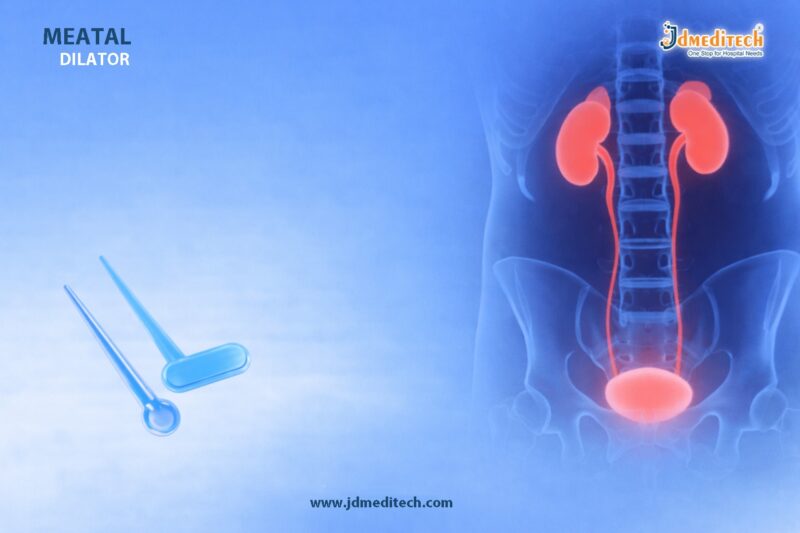
 

Hemodialysis Acid Concentrate for All Dialysis Machines

Hemodialysis acid concentrate is a critical component in modern dialysis therapy. It ensures that dialysis treatment remains safe, effective, and consistent for patients with kidney failure. In every dialysis session, hemodialysis acid concentrate works alongside bicarbonate solution to form dialysate, which removes toxins and excess fluids from the blood.

As dialysis centers expand, the need for hemodialysis acid concentrate optimized for all dialysis machines continues to grow. Therefore, healthcare providers prefer solutions that deliver consistent performance across different systems.

What is Hemodialysis Acid Concentrate?

Hemodialysis acid concentrate is a specially prepared liquid containing essential electrolytes. These electrolytes include sodium, potassium, calcium, magnesium, and chloride. When mixed with purified water and bicarbonate, hemodialysis acid concentrate forms dialysate.

This dialysate plays a key role in removing metabolic waste from the bloodstream. Moreover, hemodialysis acid concentrate helps maintain electrolyte balance during treatment. As a result, it supports safe and efficient dialysis sessions.

Why Hemodialysis Acid Concentrate is Important

The quality of hemodialysis acid concentrate directly affects dialysis outcomes. If the composition is inaccurate, it may lead to complications. Therefore, using a reliable hemodialysis acid concentrate is essential.

In addition, hemodialysis acid concentrate ensures stable pH levels and proper electrolyte exchange. Consequently, patients receive safer and more effective treatment.

Hemodialysis Acid Concentrate – Optimized for All Dialysis Machines

Modern dialysis facilities use different types of machines. However, hemodialysis acid concentrate optimized for all dialysis machines simplifies operations.

Universal Compatibility

Hemodialysis acid concentrate works efficiently with most dialysis systems. Therefore, facilities can avoid using multiple formulations.

Consistent Performance

Because of its precise composition, hemodialysis acid concentrate delivers uniform results. As a result, each dialysis session remains reliable.

Easy Integration

Healthcare professionals can easily use hemodialysis acid concentrate without changing workflows. This improves operational efficiency.

Reduced Errors

Standardized hemodialysis acid concentrate minimizes mixing errors. Thus, it enhances patient safety.

Key Features of Hemodialysis Acid Concentrate

A high-quality hemodialysis acid concentrate offers several advantages:

  • Accurate electrolyte formulation
  • Medical-grade safety standards
  • Stable chemical composition
  • Compatibility with multiple machines
  • Long shelf life

Furthermore, hemodialysis acid concentrate undergoes strict quality testing to ensure consistent performance.

Benefits of Using Hemodialysis Acid Concentrate

Healthcare providers benefit greatly from hemodialysis acid concentrate:

Improved Workflow

Using one hemodialysis acid concentrate across machines simplifies operations.

Cost Efficiency

Facilities reduce inventory costs because hemodialysis acid concentrate works universally.

Enhanced Safety

Consistent hemodialysis acid concentrate reduces risks during dialysis.

Easy Staff Training

Staff can quickly learn to use hemodialysis acid concentrate, which improves efficiency.

Applications of Hemodialysis Acid Concentrate

Hemodialysis acid concentrate is widely used in:

  • Multi-specialty hospitals
  • Dialysis centers
  • Emergency care units
  • Long-term renal care facilities

Because of its versatility, hemodialysis acid concentrate has become essential in modern nephrology.

Safety and Quality Considerations

When selecting hemodialysis acid concentrate, healthcare providers should focus on quality. It is important to ensure that hemodialysis acid concentrate meets international standards.

Additionally, proper storage of hemodialysis acid concentrate maintains its effectiveness. Therefore, always follow manufacturer guidelines.

How to Choose the Right Hemodialysis Acid Concentrate

To select the best hemodialysis acid concentrate, consider the following:

  1. Check compatibility with machines
  2. Verify electrolyte composition
  3. Choose certified manufacturers
  4. Review packaging quality
  5. Ensure supply consistency

By following these steps, providers can maximize the benefits of hemodialysis acid concentrate.

Conclusion

Hemodialysis acid concentrate plays a vital role in safe and effective dialysis treatment. Its optimized formulation supports compatibility, consistency, and patient safety. Therefore, choosing the right hemodialysis acid concentrate optimized for all dialysis machines is essential for modern healthcare facilities.


Explore More Product >>

Get Connected:

+91 79909 93062 | +91 63513 72032 | exports@jdmeditech.com

Endoscopy Coagulation Forceps: Features, Uses & Surgical Benefits Explained

In modern minimally invasive procedures, precision and safety are essential. Therefore, surgeons rely on advanced instruments like Endoscopy Coagulation Forceps to achieve optimal outcomes. These specialized tools help control bleeding and allow accurate tissue handling during endoscopic procedures.

Moreover, Endoscopy Coagulation Forceps improve efficiency while reducing complications. In this blog, we will explain their features, uses, and surgical relevance in detail.

What Are Endoscopy Coagulation Forceps?

Endoscopy Coagulation Forceps are specialized instruments used during endoscopic procedures to grasp tissue and deliver electrical energy for coagulation. As a result, they help achieve effective hemostasis and prevent excessive bleeding.

In addition, Endoscopy Coagulation Forceps are widely used in gastroenterology, pulmonology, and minimally invasive surgeries. Because of their precision, they have become an essential tool in modern medical practice.

Key Features of Endoscopy Coagulation Forceps
1. Precision Tissue Control

First, Endoscopy Coagulation Forceps provide excellent tissue grip, allowing surgeons to target specific areas accurately. As a result, surrounding tissues remain protected.

2. Effective Hemostasis

Furthermore, Endoscopy Coagulation Forceps deliver controlled energy, ensuring quick and reliable bleeding control during procedures.

3. Insulated Design

In addition, the insulated shaft of Endoscopy Coagulation Forceps minimizes unintended thermal injury, which enhances patient safety.

4. Flexible and Rotatable Tip

Many Endoscopy Coagulation Forceps include a rotatable design. Therefore, surgeons can easily access complex anatomical regions.

5. Wide Compatibility

Lastly, Endoscopy Coagulation Forceps are compatible with most flexible endoscopes, making them highly versatile.

Clinical Uses of Endoscopy Coagulation Forceps
1. Gastrointestinal Bleeding Management

Endoscopy Coagulation Forceps are commonly used to control bleeding caused by ulcers, lesions, and vascular abnormalities.

2. Polypectomy Procedures

During polyp removal, Endoscopy Coagulation Forceps help grasp tissue and simultaneously coagulate, reducing bleeding risks.

3. Tumor and Lesion Treatment

Additionally, Endoscopy Coagulation Forceps assist in managing tumors by controlling bleeding during resection.

4. Bronchoscopic Applications

In pulmonology, Endoscopy Coagulation Forceps help control airway bleeding effectively.

5. Post-Biopsy Hemostasis

After biopsy procedures, Endoscopy Coagulation Forceps ensure rapid hemostasis and improve patient safety.

Surgical Relevance of Endoscopy Coagulation Forceps

Undoubtedly, Endoscopy Coagulation Forceps play a critical role in modern surgical procedures. They enhance both safety and efficiency.

  • Minimally Invasive Support : They reduce the need for open surgeries.
  • Improved Safety : Controlled coagulation lowers complication risks.
  • Time Efficiency : Surgeons achieve faster bleeding control.
  • Multi-functionality : One device performs grasping and coagulation.

Consequently, Endoscopy Coagulation Forceps have become indispensable in endoscopy suites.

Advantages of Endoscopy Coagulation Forceps

There are several benefits of using Endoscopy Coagulation Forceps:

  • Precise and controlled coagulation
  • Minimal tissue damage
  • Reliable bleeding control
  • Easy handling and maneuverability
  • Versatile clinical applications

Therefore, Endoscopy Coagulation Forceps improve both procedural outcomes and patient safety.

How to Choose the Right Endoscopy Coagulation Forceps

When selecting Endoscopy Coagulation Forceps, consider these factors:

  • Compatibility with your endoscope
  • Bipolar or monopolar energy system
  • Jaw size and design
  • Flexibility and rotation capability
  • Single-use or reusable options

By choosing the right Endoscopy Coagulation Forceps, you can ensure better performance and safety.

Best Practices for Safe Usage

To achieve the best results with Endoscopy Coagulation Forceps, follow these guidelines:

  • Always check equipment compatibility
  • Use appropriate energy settings
  • Avoid excessive tissue pressure
  • Ensure proper sterilization
  • Follow clinical protocols carefully

As a result, Endoscopy Coagulation Forceps deliver safe and effective performance.

Conclusion

In conclusion, Endoscopy Coagulation Forceps are essential tools in modern endoscopic procedures. They provide precise tissue handling and effective bleeding control, which improves surgical outcomes.

As technology advances, Endoscopy Coagulation Forceps will continue to play a vital role in minimally invasive surgery. Therefore, investing in high-quality instruments is crucial for delivering better patient care.


Explore More Product >>

Get Connected:

+91 79909 93062 | +91 63513 72032 | exports@jdmeditech.com
 

Advanced Introducer Needle for Interventional Cardiology & Vascular Surgeries | Precision Access


In modern minimally invasive procedures, precision vascular access is the foundation of successful outcomes. The Advanced Introducer Needle plays a critical role in interventional cardiology and vascular surgeries, ensuring safe, accurate, and efficient entry into blood vessels.

From angiography to catheter placement, healthcare professionals rely on a high-quality Advanced Introducer Needle to reduce complications and enhance procedural control.

What is an Advanced Introducer Needle?

An Advanced Introducer Needle is a specialized medical device used to gain initial access to blood vessels during interventional procedures. It acts as the first step in introducing guidewires, catheters, or sheaths into the vascular system.

Designed with sharp bevel tips and high-strength materials, this needle ensures smooth penetration with minimal trauma to surrounding tissues.

Why Advanced Introducer Needle is Essential in Interventional Cardiology
1. Precision Vascular Access

The Advanced Introducer Needle enables accurate puncture of arteries or veins, which is crucial in procedures like angioplasty and cardiac catheterization.

2. Reduced Risk of Complications

Thanks to its ultra-sharp tip and controlled insertion, the Advanced Introducer Needle minimizes risks such as:

  • Hematoma formation
  • Vessel damage
  • Excessive bleeding
3. Enhanced Procedural Efficiency

With reliable performance, the Advanced Introducer Needle allows clinicians to:

  • Reduce procedure time
  • Improve success rates
  • Ensure smooth guidewire insertion
Applications of Advanced Introducer Needle in Vascular Surgeries

The Advanced Introducer Needle is widely used in:

  • Coronary Angiography
  • Angioplasty Procedures
  • Central Venous Access
  • Peripheral Vascular Interventions
  • Dialysis Access Procedures

Its versatility makes it an indispensable tool in both diagnostic and therapeutic procedures.

Key Features of Advanced Introducer Needle
High-Precision Bevel Tip

Ensures smooth vessel entry with minimal resistance.

Medical-Grade Stainless Steel

Provides durability, strength, and corrosion resistance.

Ergonomic Hub Design

Offers better grip and control for clinicians during insertion.

Radiopaque Visibility

Enhances visualization under imaging techniques for accurate placement.

Sterile & Single-Use

Reduces infection risk and ensures patient safety.

Benefits of Using Advanced Introducer Needle

Using a high-quality Advanced Introducer Needle offers several advantages:

  • Improved accuracy in vascular access
  • Reduced patient discomfort
  • Lower complication rates
  • Enhanced procedural outcomes
  • Consistent performance in critical procedures
Advanced Introducer Needle vs Conventional Needles
Feature Advanced Introducer Needle Conventional Needle
Precision High Moderate
Safety Enhanced Standard
Imaging Visibility Yes Limited
Tissue Trauma Minimal Higher
Clinical Efficiency Superior Basic
Best Practices for Using Advanced Introducer Needle

To maximize the effectiveness of the Advanced Introducer Needle, clinicians should:

  • Use ultrasound or fluoroscopic guidance for accuracy
  • Maintain proper insertion angle
  • Ensure strict sterile technique
  • Confirm vessel access before guidewire insertion
Choosing the Right Advanced Introducer Needle

When selecting an Advanced Introducer Needle, consider:

  • Needle gauge and length
  • Compatibility with guidewires and catheters
  • Material quality
  • Manufacturer reliability

Choosing the right product ensures optimal clinical performance and patient safety.

Why Choose JDMeditech Advanced Introducer Needle

At JDMeditech, we deliver high-quality Advanced Introducer Needles engineered for precision and safety.

Our Key Advantages:
  • Strict quality control standards
  • Designed for interventional excellence
  • Reliable performance in critical procedures
  • Trusted by healthcare professionals

🌐 Visit: www.jdmeditech.com

Conclusion

The Advanced Introducer Needle is a cornerstone device in interventional cardiology and vascular surgeries, offering unmatched precision, safety, and efficiency. By ensuring reliable vascular access, it significantly improves procedural success and patient outcomes.

Investing in a high-quality Advanced Introducer Needle is essential for healthcare providers aiming for excellence in modern minimally invasive procedures.


Explore More Product >>

Get Connected:

+91 79909 93062 | +91 63513 72032 | exports@jdmeditech.com
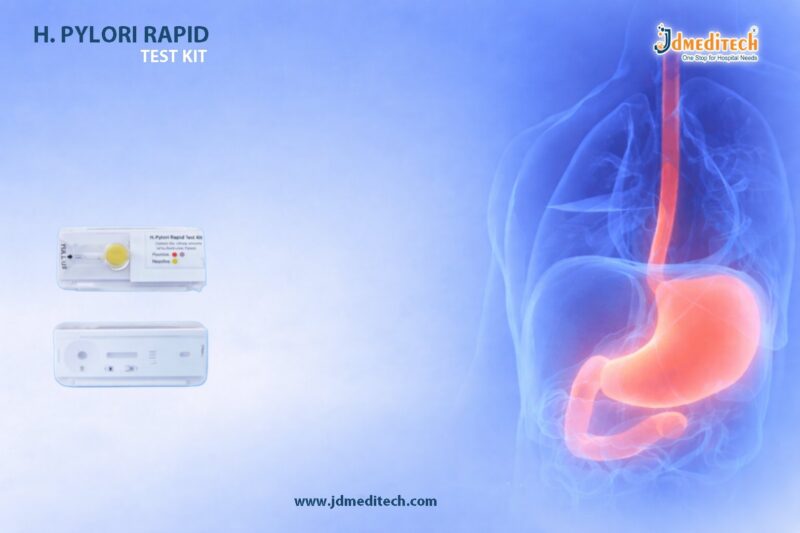


TURP Glass Syringe – Precision Irrigation for Urological Procedures

The TURP Glass Syringe plays a critical role in modern urological procedures, especially during transurethral resection of the prostate (TURP). Designed for precision irrigation and controlled fluid delivery, the TURP Glass Syringe ensures clear visibility and procedural efficiency.

In today’s advanced surgical environment, accuracy and reliability are non-negotiable. Therefore, choosing a high-quality TURP Glass Syringe can significantly enhance surgical outcomes while ensuring patient safety.

What is a TURP Glass Syringe?

A TURP Glass Syringe is a reusable, high-precision medical device used during urological procedures to deliver irrigation fluids. It is primarily used in TURP surgeries to maintain a clear operative field by flushing blood and debris.

Moreover, its glass barrel construction ensures durability, chemical resistance, and smooth plunger movement, which is essential for controlled irrigation.

Why TURP Glass Syringe is Essential in Urological Procedures

During TURP and similar procedures, maintaining visibility is crucial. The TURP Glass Syringe enables surgeons to irrigate efficiently without interrupting the workflow.

Key Importance:
  • Ensures clear visualization during surgery
  • Provides controlled irrigation flow
  • Minimizes procedural complications
  • Supports precision in delicate urological interventions

As a result, the TURP Glass Syringe becomes an indispensable tool in every urology setup.

Key Features of TURP Glass Syringe
1. High-Quality Glass Barrel

The TURP Glass Syringe is manufactured using premium-grade glass, which offers:

  • Excellent transparency
  • Resistance to chemical reactions
  • Long-lasting durability
2. Smooth Plunger Mechanism

A smooth and precise plunger ensures:

  • Controlled fluid delivery
  • Minimal effort during operation
  • Enhanced procedural accuracy
3. Leak-Proof Design

The leak-proof construction of the TURP Glass Syringe ensures:

  • No fluid wastage
  • Consistent irrigation pressure
  • Reliable performance
4. Reusable and Sterilizable

The TURP Glass Syringe is:

  • Easy to sterilize
  • Cost-effective for hospitals
  • Environmentally friendly
5. Ergonomic Grip

The design allows surgeons to maintain a firm grip, ensuring better control during procedures.

Applications of TURP Glass Syringe

The TURP Glass Syringe is widely used in various urological procedures, including:

  • Transurethral Resection of the Prostate (TURP)
  • Bladder irrigation procedures
  • Endoscopic urology surgeries
  • Post-operative irrigation management

Additionally, it is suitable for both hospital and clinical settings.

Advantages of Using TURP Glass Syringe
Enhanced Surgical Precision

The TURP Glass Syringe allows accurate fluid control, which is essential in delicate procedures.

Improved Visibility

Continuous irrigation helps maintain a clear surgical field.

Durability and Reliability

Thanks to its glass construction, the TURP Glass Syringe offers long-term performance.

Cost Efficiency

Being reusable, it reduces recurring costs for healthcare facilities.

How to Choose the Right TURP Glass Syringe

When selecting a TURP Glass Syringe, consider the following factors:

  • Material Quality – Ensure medical-grade glass
  • Plunger Smoothness – For precise control
  • Sterilization Compatibility – Autoclave-friendly design
  • Capacity Options – Based on procedural needs

Choosing the right TURP Glass Syringe ensures optimal performance and safety.

Maintenance and Sterilization Tips

Proper maintenance of the TURP Glass Syringe is essential for longevity:

  • Clean immediately after use
  • Use approved sterilization methods (e.g., autoclaving)
  • Inspect for cracks or wear
  • Store in a sterile environment

Following these steps ensures consistent performance and patient safety.

Why Choose JDMeditech TURP Glass Syringe?

At JDMeditech, we manufacture high-quality TURP Glass Syringe solutions designed for precision and reliability.

Our Key Highlights:
  • Premium-grade materials
  • Strict quality control
  • Compatibility with standard urological systems
  • Trusted by healthcare professionals

Visit: https://www.jdmeditech.com

Conclusion

The TURP Glass Syringe is a vital instrument in urological procedures, offering unmatched precision, durability, and efficiency. Whether used in TURP surgeries or other irrigation applications, it ensures optimal performance and improved surgical outcomes.

Investing in a high-quality TURP Glass Syringe is not just a choice—it is a necessity for modern urology practices.


Explore More Product >>

Get Connected:

+91 79909 93062 | +91 63513 72032 | exports@jdmeditech.com
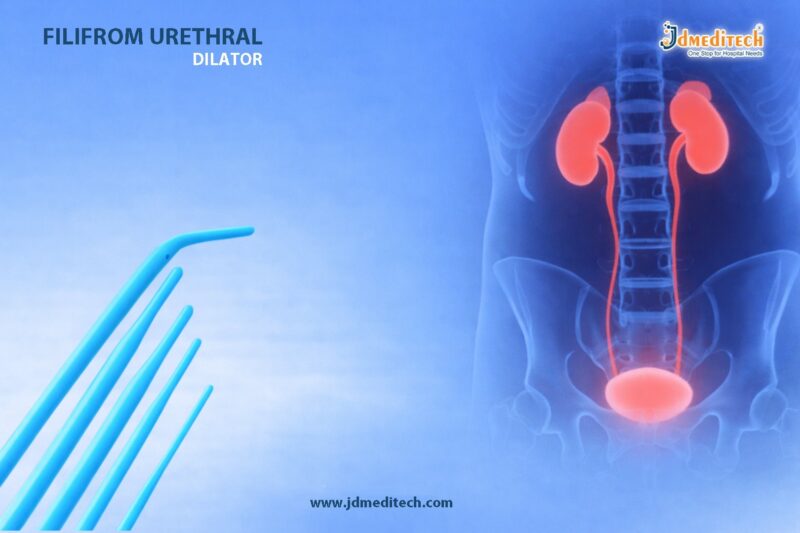


Esophageal Balloon Dilator: Uses, Procedure & Benefits

Introduction

The esophageal balloon dilator is an essential tool in modern gastroenterology. It helps doctors treat narrowing in the esophagus effectively. As a result, patients can swallow more easily and comfortably.

In many cases, swallowing problems can affect daily life. Therefore, the esophageal balloon dilator offers a minimally invasive and reliable solution. In this guide, you will learn its uses, benefits, and working process.

What is an Esophageal Balloon Dilator?

An esophageal balloon dilator is a medical device used to widen narrowed sections of the esophagus. It consists of a flexible catheter with a balloon at the tip.

During the procedure, the balloon is placed inside the narrowed area. Then, it is inflated carefully. As a result, the esophagus expands gradually.

Because of its design, the esophageal balloon dilator ensures precise and controlled dilation.

Why is Esophageal Dilation Required?

In many situations, the esophagus becomes narrow due to medical conditions. Consequently, patients may experience difficulty in swallowing.

Common Causes:
  • Esophageal strictures
  • Chronic acid reflux (GERD)
  • Scar tissue formation
  • Esophageal rings or webs
  • Post-surgical narrowing

Therefore, doctors use an esophageal balloon dilator to restore normal passage.

How Does an Esophageal Balloon Dilator Work?

The procedure using an esophageal balloon dilator is simple and effective. First, the doctor inserts an endoscope to locate the narrowed area.

Next, the esophageal balloon dilator is guided to the target site. After that, the balloon is inflated using controlled pressure. As a result, the narrowed section expands safely.

Step-by-Step Process:
  1. Endoscope insertion
  2. Positioning of the esophageal balloon dilator
  3. Controlled balloon inflation
  4. Gradual expansion of the esophagus
  5. Deflation and removal

Thus, the entire process remains safe and highly controlled.

Key Features of Esophageal Balloon Dilator

Modern esophageal balloon dilator devices include advanced features. These features improve both safety and performance.

  • High-pressure balloon capability
  • Radiopaque markers for visibility
  • Smooth and flexible catheter
  • Controlled inflation mechanism
  • Sterile, single-use design

Because of these features, the esophageal balloon dilator ensures consistent clinical results.

Benefits of Esophageal Balloon Dilator

The esophageal balloon dilator provides several advantages in medical procedures.

Minimally Invasive

First of all, it does not require surgery. Therefore, recovery time is shorter.

Precise Dilation

Moreover, controlled inflation allows accurate treatment. As a result, tissue damage is minimized.

Immediate Relief

Patients often feel improvement quickly. In many cases, swallowing becomes easier right after the procedure.

Safe and Repeatable

In addition, the esophageal balloon dilator can be used multiple times if required.

Clinical Applications of Esophageal Balloon Dilator

Doctors use the esophageal balloon dilator in various treatments. It is highly versatile.

  • Treatment of benign strictures
  • Management of esophageal narrowing
  • Pediatric esophageal procedures
  • Pre-stent dilation
  • Post-surgical stricture management

Therefore, the esophageal balloon dilator plays a key role in gastroenterology.

Safety Considerations

Although the esophageal balloon dilator is safe, proper technique is important. Therefore, doctors follow strict guidelines.

  • Select correct balloon size
  • Monitor pressure carefully
  • Avoid over-inflation
  • Use imaging guidance
  • Maintain sterile conditions

By following these steps, complications can be reduced significantly.

How to Choose the Right Esophageal Balloon Dilator

Choosing the correct esophageal balloon dilator improves outcomes. However, several factors must be considered.

  • Balloon diameter and length
  • Pressure rating
  • Endoscope compatibility
  • Visibility under imaging
  • Product quality and reliability

Therefore, selecting the right esophageal balloon dilator ensures better performance.

Future Advancements

Medical technology continues to evolve. As a result, the esophageal balloon dilator is becoming more advanced.

New designs focus on better control and improved safety. In addition, smart pressure systems are being developed.

Therefore, future procedures will become even more efficient.

Conclusion

The esophageal balloon dilator is a reliable solution for treating esophageal narrowing. It offers safety, precision, and fast results.

Moreover, its minimally invasive nature makes it a preferred choice. As technology advances, the esophageal balloon dilator will continue to improve patient care.


Explore More Product >>

Get Connected:

+91 79909 93062 | +91 63513 72032 | exports@jdmeditech.com


Optimize Cardiac Procedures with 2-Way & 3-Way Manifolds

In modern interventional cardiology, precision and efficiency are critical. Every second counts during diagnostic and therapeutic procedures, and even small improvements in device handling can significantly enhance patient outcomes. One such essential device is the 2-way & 3-way manifold, widely used in angiography and cardiac catheterization procedures.

Designed for controlled fluid management and pressure monitoring, these manifolds play a vital role in optimizing workflow, ensuring safety, and improving procedural accuracy.

What Are 2-Way & 3-Way Manifolds?

A 2-way or 3-way manifold is a medical device used to control the flow of fluids between multiple lines during cardiovascular procedures. It allows clinicians to manage contrast media, saline, and pressure monitoring systems efficiently.

  • 2-Way Manifold : Features two ports for simple fluid control
  • 3-Way Manifold : Includes three ports, enabling more complex fluid management and simultaneous operations

These manifolds are commonly used in:

  • Coronary angiography
  • Cardiac catheterization
  • Interventional radiology procedures
Importance in Cardiac Procedures

The use of 2-way & 3-way manifolds significantly enhances procedural control and reduces manual handling errors. They allow seamless switching between fluids and ensure uninterrupted pressure monitoring.

Key Roles:
  • Precise delivery of contrast media
  • Continuous hemodynamic monitoring
  • Efficient flushing of catheters
  • Reduction in procedure time

By integrating these manifolds, clinicians can maintain a sterile and organized workflow throughout the procedure.

Key Features of 2-Way & 3-Way Manifolds
1. High-Pressure Resistance

Designed to withstand high-pressure conditions during angiographic procedures, ensuring safe and reliable operation.

2. Smooth Rotational Control

The ergonomic handle allows easy switching between ports without disrupting the procedure.

3. Leak-Proof Design

Ensures zero leakage, minimizing contamination risks and maintaining sterility.

4. Clear Flow Visibility

Transparent body enables clinicians to monitor fluid flow in real time.

5. Multiple Port Options

Available in 2-way and 3-way configurations to suit various clinical needs.

Benefits of Using Cardiac Manifolds
Improved Workflow Efficiency

Allows quick switching between fluids, reducing delays.

Enhanced Patient Safety

Minimizes the risk of air embolism and contamination.

Better Pressure Monitoring

Ensures accurate and continuous hemodynamic readings.

Reduced Procedure Time

Streamlines multiple steps into a single controlled system.

Versatile Applications

Suitable for a wide range of cardiovascular and interventional procedures.

Applications in Clinical Practice

2-way & 3-way manifolds are widely used in:

  • Cardiac catheterization labs
  • Angiography suites
  • Interventional cardiology procedures
  • Vascular interventions
  • Radiology departments

Their versatility makes them indispensable in both diagnostic and therapeutic settings.

How to Choose the Right Manifold

When selecting a cardiac manifold, consider the following factors:

  • Number of Ports : Choose 2-way or 3-way based on procedural complexity
  • Pressure Rating : Ensure compatibility with high-pressure systems
  • Material Quality : Medical-grade, non-toxic, and durable
  • Ease of Use : Ergonomic design for smooth operation
  • Sterility : Single-use, sterile packaging for infection control
Best Practices for Usage

To maximize efficiency and safety:

  • Always ensure proper priming to remove air bubbles
  • Maintain sterile handling throughout the procedure
  • Check connections before initiating fluid flow
  • Monitor pressure readings continuously
  • Dispose of single-use manifolds as per medical guidelines
Why Choose High-Quality Manifolds?

Using premium-quality 2-way & 3-way manifolds ensures:

  • Reliable performance under pressure
  • Consistent fluid control
  • Reduced risk of complications
  • Compliance with medical standards

For healthcare providers, investing in high-quality devices directly translates to better clinical outcomes and improved patient care.

Conclusion

The 2-way & 3-way manifold is a small yet powerful tool that significantly enhances the efficiency and safety of cardiac procedures. From precise fluid management to continuous pressure monitoring, these devices are essential in modern cardiology.

By choosing the right manifold and following best practices, healthcare professionals can optimize procedural performance and deliver superior patient outcomes.


Explore More Product >>

Get Connected:

+91 79909 93062 | +91 63513 72032 | exports@jdmeditech.com


OTIS Urethrotome – Precision Tool for Effective Urethral Stricture Treatment

Urethral strictures are a common urological condition that can significantly impact a patient’s quality of life. Effective management requires precision, safety, and reliable instruments. The OTIS Urethrotome stands out as a trusted solution in modern urethral surgery, offering controlled and accurate incision of strictures.

Designed for urologists who demand efficiency and consistency, the OTIS Urethrotome ensures optimal outcomes in urethrotomy procedures. In this article, we explore its design, applications, advantages, and why it remains a preferred instrument in urology.

What is an OTIS Urethrotome?

The OTIS Urethrotome is a specialized surgical instrument used to perform internal urethrotomy. It is primarily designed to incise urethral strictures under controlled conditions, allowing restoration of normal urinary flow.

This instrument is widely used in urological surgeries due to its precision mechanism and ease of handling.

Key Features of OTIS Urethrotome
1. Precision Cutting Mechanism

The OTIS Urethrotome is engineered to deliver controlled and accurate incisions, minimizing tissue trauma during urethral stricture treatment.

2. Adjustable Blade System

It features an adjustable blade that allows surgeons to regulate incision depth, ensuring safety and effectiveness.

3. High-Quality Medical-Grade Material

Manufactured using medical-grade stainless steel, the instrument offers durability, corrosion resistance, and long-term reliability.

4. Ergonomic Design

The ergonomic handle provides a firm grip, enabling surgeons to perform procedures with confidence and precision.

5. Reusable and Sterilizable

The OTIS Urethrotome is designed for repeated use and can be easily sterilized, making it cost-effective for healthcare facilities.

Applications in Urethral Surgery

The OTIS Urethrotome plays a crucial role in:

  • Treatment of urethral strictures
  • Internal urethrotomy procedures
  • Restoration of urinary flow
  • Minimally invasive urological interventions

Its precision makes it suitable for both routine and complex urological cases.

Advantages of Using OTIS Urethrotome
1. Minimally Invasive Approach

The instrument supports minimally invasive procedures, reducing recovery time and patient discomfort.

2. Enhanced Surgical Accuracy

With its controlled cutting mechanism, the OTIS Urethrotome allows precise incision, improving surgical outcomes.

3. Reduced Risk of Complications

Accurate incision reduces the chances of unnecessary tissue damage and complications.

4. Cost-Effective Solution

Reusable design ensures long-term value for hospitals and clinics.

5. Trusted by Urologists

The OTIS Urethrotome has gained widespread acceptance among urologists for its reliability and performance.

How OTIS Urethrotome Improves Patient Outcomes

By enabling precise incision of strictures, the OTIS Urethrotome helps:

  • Restore normal urinary function
  • Reduce recurrence rates
  • Improve patient comfort
  • Shorten hospital stays

Its efficiency contributes significantly to better clinical outcomes and patient satisfaction.

Best Practices for Use

To achieve optimal performance with the OTIS Urethrotome, clinicians should:

  • Ensure proper sterilization before use
  • Select appropriate blade size
  • Follow standard urethrotomy protocols
  • Handle with care to maintain precision
Why Choose OTIS Urethrotome from JDMeditech?

At JDMeditech, we focus on delivering high-quality urological instruments that meet global standards. Our OTIS Urethrotome is designed with precision engineering to support safe and effective surgical procedures.

Our Commitment:
  • Premium quality manufacturing
  • Strict quality control
  • Reliable performance
  • Competitive pricing

🌐 Visit: www.jdmeditech.com

Conclusion

The OTIS Urethrotome remains an essential instrument in modern urology, offering precision, safety, and reliability in urethral stricture treatment. Its advanced design and proven effectiveness make it a preferred choice among surgeons worldwide.

Whether for routine procedures or complex cases, investing in a high-quality OTIS Urethrotome ensures better surgical outcomes and improved patient care.


Explore More Product >>

Get Connected:

+91 79909 93062 | +91 63513 72032 | exports@jdmeditech.com
 

Heparin Sodium Injection – Trusted Anticoagulant for Safe & Effective Blood Thinning

In modern medicine, preventing blood clot formation is critical to ensuring patient safety during surgeries, dialysis, and cardiovascular treatments. Heparin Sodium Injection plays a vital role as a fast-acting anticoagulant that helps maintain smooth blood flow and reduces the risk of life-threatening complications such as thrombosis and embolism.

Widely used across hospitals and clinical setups, this medication has become a trusted anticoagulant solution due to its reliability, rapid action, and proven safety profile.

What is Heparin Sodium Injection?

Heparin Sodium Injection is an anticoagulant medication that works by inhibiting clotting factors in the blood, preventing the formation and growth of clots. It is commonly administered intravenously or subcutaneously under medical supervision.

It is especially effective in situations where immediate anticoagulation is required, making it an essential component in critical care and surgical procedures.

Key Features of Heparin Sodium Injection
  • Rapid Anticoagulant Action : Provides immediate blood-thinning effect
  • Highly Reliable : Trusted by healthcare professionals worldwide
  • Flexible Administration : Can be given IV or subcutaneously
  • Widely Applicable : Suitable for multiple medical conditions
  • Consistent Performance : Ensures predictable anticoagulation outcomes
Clinical Applications
1. Prevention of Blood Clots

Heparin Sodium Injection is widely used to prevent clot formation in patients at high risk, especially during prolonged immobilization or post-surgery.

2. Dialysis Procedures

It is essential in hemodialysis to prevent clotting in the dialysis circuit, ensuring smooth and uninterrupted treatment.

3. Cardiovascular Treatments

Used in conditions such as deep vein thrombosis (DVT), pulmonary embolism (PE), and acute coronary syndromes.

4. Surgical Procedures

Administered during surgeries to maintain proper blood flow and reduce complications caused by clotting.

Benefits of Using Heparin Sodium Injection
  • Immediate Effectiveness : Acts quickly in emergency situations
  • Prevents Serious Complications : Reduces risk of stroke and embolism
  • Improves Patient Outcomes : Ensures safe procedural success
  • Versatile Usage : Applicable in multiple medical specialties
  • Clinically Proven : Backed by decades of medical use
How Heparin Sodium Injection Works

Heparin enhances the activity of antithrombin III, a natural inhibitor of blood clotting factors such as thrombin and factor Xa. By blocking these clotting pathways, it prevents fibrin formation, which is essential for clot development.

This mechanism ensures that blood remains fluid and reduces the chances of dangerous clot formation.

Safety and Precautions

While Heparin Sodium Injection is highly effective, proper usage and monitoring are essential:

  • Administer only under medical supervision
  • Monitor coagulation parameters (e.g., APTT levels)
  • Avoid in patients with active bleeding disorders
  • Use cautiously in patients with hypertension or liver disease
  • Watch for signs of heparin-induced thrombocytopenia (HIT)
Storage and Handling
  • Store in a cool, dry place away from direct sunlight
  • Maintain recommended temperature conditions
  • Ensure sterile handling to prevent contamination
  • Keep out of reach of unauthorized personnel
Why Choose JD Meditech?

At JDMeditech, we are committed to delivering high-quality medical solutions that meet international standards. Our Heparin Sodium Injection ensures:

  • Reliable and consistent performance
  • Strict quality control and compliance
  • Safe packaging and easy handling
  • Trusted by healthcare professionals

🌐 Visit: www.jdmeditech.com

Conclusion

Heparin Sodium Injection remains a cornerstone in anticoagulant therapy, offering fast, reliable, and effective prevention of blood clot formation. Its wide range of applications in dialysis, surgery, and cardiovascular care makes it an indispensable tool in modern healthcare.

For healthcare providers seeking a trusted anticoagulant solution, Heparin Sodium Injection continues to deliver proven results with safety and precision.


Explore More Product >>

Get Connected:

+91 79909 93062 | +91 63513 72032 | exports@jdmeditech.com
 

Gastrology Cytology Brush for Accurate GI Cell Sampling

In modern gastroenterology, early and precise diagnosis plays a critical role in improving patient outcomes. One of the most essential tools used during endoscopic procedures is the gastrology cytology brush, designed specifically for accurate GI cell sampling.

This minimally invasive device enables clinicians to collect high-quality cellular samples from the gastrointestinal (GI) tract, aiding in the detection of infections, inflammation, and malignancies.

At JDMeditech, we provide high-quality cytology brushes that ensure precision, safety, and consistent performance in every procedure.

What is a Gastrology Cytology Brush?

A gastrology cytology brush is a specialized medical device used during endoscopy to collect cells from the lining of the gastrointestinal tract.

It consists of:

  • A flexible catheter
  • Soft, atraumatic bristles
  • Ergonomic handle for controlled movement

The brush is inserted through the endoscope channel and gently brushed against the target tissue to obtain cell samples for laboratory analysis.

Importance of Accurate GI Cell Sampling

Accurate GI cell sampling is essential for diagnosing various gastrointestinal conditions, including:

  • Gastrointestinal cancers (esophageal, gastric, colorectal)
  • Infections and inflammatory diseases
  • Barrett’s esophagus
  • Precancerous lesions

The gastrology cytology brush ensures:

  • High cellular yield
  • Minimal tissue trauma
  • Reliable diagnostic results

Early detection using effective sampling tools can significantly improve treatment success rates.

Key Features of Gastrology Cytology Brush
1. High-Quality Bristles for Effective Sampling

The brush is designed with soft yet durable bristles that maximize cell collection without damaging tissue.

2. Flexible and Kink-Resistant Catheter

Ensures smooth navigation through the endoscope and easy access to targeted areas.

3. Atraumatic Tip Design

Reduces patient discomfort and enhances procedural safety.

4. Ergonomic Control Handle

Allows precise manipulation and controlled brushing during procedures.

5. Sterile and Single-Use Design

Minimizes the risk of cross-contamination and ensures patient safety.

Applications in Gastroenterology

The gastrology cytology brush is widely used in:

  • Endoscopic procedures (EGD, ERCP)
  • Biliary duct sampling
  • Esophageal and gastric lesion evaluation
  • Pancreatic duct investigations

Its versatility makes it an indispensable tool in both diagnostic and screening procedures.

Advantages of Using Gastrology Cytology Brush
1. Minimally Invasive Sampling

Reduces the need for surgical biopsies in many cases.

2. Quick and Efficient Procedure

Enables rapid sample collection during routine endoscopy.

3. High Diagnostic Accuracy

Provides sufficient cellular material for precise analysis.

4. Enhanced Patient Comfort

Designed to minimize irritation and trauma.

5. Cost-Effective Solution

Reduces overall diagnostic costs by enabling early detection.

Why Choose JD Meditech Cytology Brushes?

At JDMeditech, we focus on delivering advanced medical devices that meet international standards. Our gastrology cytology brush offers:

  • Superior material quality
  • Precision-engineered design
  • Consistent performance
  • Strict sterilization standards
  • Compatibility with major endoscopes

We are committed to supporting healthcare professionals with reliable tools for better patient care.

Best Practices for Using Cytology Brush

To ensure optimal results:

  • Use gentle brushing techniques to avoid tissue damage
  • Rotate the brush evenly across the lesion
  • Ensure proper handling and disposal after use
  • Follow sterilization and safety protocols

Proper technique significantly improves sample quality and diagnostic accuracy.

Future of GI Cytology Sampling

With advancements in gastroenterology, cytology tools are evolving rapidly. Innovations include:

  • Enhanced brush designs for higher cell yield
  • Integration with imaging technologies
  • Improved catheter flexibility and control

The gastrology cytology brush will continue to play a key role in early detection and precision diagnostics.

Conclusion

The gastrology cytology brush is a vital instrument for accurate GI cell sampling, enabling early diagnosis and effective treatment of gastrointestinal diseases.

Its precision, safety, and efficiency make it an essential tool in modern endoscopic practice.

For high-quality and reliable cytology brushes, trust JDMeditech—your partner in advanced medical solutions.


Explore More Product >>

Get Connected:

+91 79909 93062 | +91 63513 72032 | exports@jdmeditech.com


Advanced Visual Obturator for Minimally Invasive Surgery

In modern minimally invasive surgery, precision and safety are critical. One device that significantly enhances both is the Visual Obturator. Designed to provide direct visualization during trocar insertion, this advanced surgical tool reduces complications and improves procedural accuracy.

The Visual Obturator is widely used in laparoscopic and endoscopic procedures, offering surgeons a controlled and clear entry into body cavities. In this blog, we explore its features, benefits, applications, and why it has become an essential tool in surgical practice.

What is a Visual Obturator?

A Visual Obturator is a specialized surgical instrument used alongside trocars to enable real-time visualization during entry into the abdominal or thoracic cavity. Unlike traditional blind insertion techniques, it allows surgeons to see tissue layers as they advance, ensuring safer access.

Why Visual Obturator is Essential in Modern Surgery

Traditional trocar insertion carries risks such as:

  • Organ injury
  • Vascular damage
  • Incorrect placement

The Visual Obturator for precision entry addresses these challenges by providing direct visual control, significantly reducing complications.

Key Features of Visual Obturator
1. Direct Visualization Technology

The device integrates with endoscopic systems, allowing surgeons to monitor entry in real time.

2. Ergonomic Design

Its user-friendly design ensures:

  • Comfortable grip
  • Better maneuverability
  • Enhanced control during insertion
3. High-Quality Medical-Grade Materials

Manufactured from durable, sterilizable materials ensuring:

  • Longevity
  • Resistance to corrosion
  • Compliance with medical standards
4. Compatibility with Trocar Systems

The Visual Obturator is compatible with various trocar sizes, making it versatile across procedures.

5. Smooth Penetration Tip

Designed for minimal tissue trauma and precise entry.

Advantages of Using a Visual Obturator
 Enhanced Safety

Direct visualization minimizes the risk of internal injuries.

 Improved Accuracy

Surgeons can precisely control the insertion path.

 Reduced Complications

Lower chances of bleeding, organ damage, and misplacement.

 Faster Procedures

Better control leads to quicker and more efficient surgeries.

Better Patient Outcomes

Less trauma results in faster recovery and reduced hospital stays.

Applications of Visual Obturator

The Visual Obturator for precision entry is widely used in:

  • Laparoscopic surgeries
  • Gynecological procedures
  • General surgeries
  • Urological interventions
  • Thoracoscopic procedures

Its versatility makes it a must-have tool in operating rooms.

How Visual Obturator Improves Surgical Workflow

By eliminating blind insertion, the Visual Obturator:

  • Enhances surgeon confidence
  • Improves procedural efficiency
  • Reduces intraoperative risks
  • Supports better clinical outcomes
Comparison: Visual Obturator vs Traditional Obturator
Feature Visual Obturator Traditional Obturator
Visualization Direct Blind
Safety High Moderate
Accuracy High Limited
Risk of Injury Low Higher
Control Excellent Limited
Best Practices for Using Visual Obturator
  • Ensure proper sterilization before use
  • Use compatible trocar systems
  • Maintain steady insertion under visualization
  • Follow standard surgical protocols
Why Choose JDMeditech Visual Obturator

At JDMeditech, we focus on delivering precision-engineered medical devices designed for safety and performance.

Our Advantages:
  • Superior build quality
  • Precision engineering
  • Reliable performance
  • Compliance with global medical standards
Conclusion

The Visual Obturator for precision entry represents a major advancement in minimally invasive surgery. By offering direct visual control, it significantly enhances safety, accuracy, and surgical efficiency.

For healthcare professionals seeking reliable and advanced surgical tools, the Visual Obturator is an essential addition to modern operating setups.


Explore More Product >>

Get Connected:

+91 79909 93062 | +91 63513 72032 | exports@jdmeditech.com
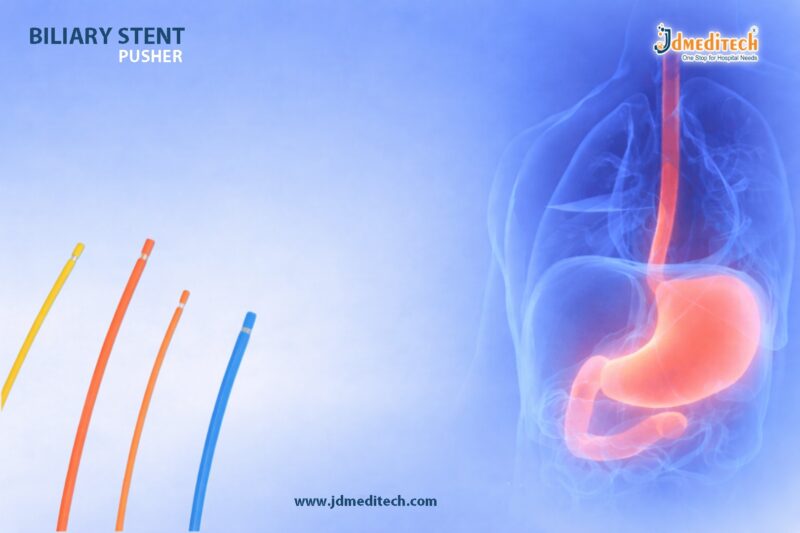


Permanent Dialysis Catheter Kit for Long-Term Use

For patients with chronic kidney disease (CKD) or end-stage renal disease (ESRD), reliable long-term vascular access is critical for effective hemodialysis. Among the available options, permanent dialysis catheter kits provide a dependable and efficient solution, especially when arteriovenous fistulas or grafts are not feasible.

Modern permanent dialysis access catheter kits are designed to ensure patient safety, long-term functionality, and ease of insertion, making dialysis procedures smoother for both clinicians and patients.

What is a Permanent Dialysis Catheter?

A permanent dialysis catheter (also known as a tunneled dialysis catheter) is a flexible, biocompatible tube inserted into a central vein—typically the internal jugular vein—to facilitate long-term hemodialysis.

Unlike temporary catheters, these are:

  • Tunneled under the skin
  • Equipped with a cuff for infection prevention
  • Designed for extended use (weeks to months or longer)
What is Included in a Permanent Dialysis Catheter Kit?

A high-quality permanent dialysis catheter kit includes all essential components required for safe and efficient catheter placement:

Key Components:
  • Dialysis catheter (dual lumen or triple lumen)
  • Introducer needle
  • Guidewire
  • Dilators
  • Peel-away sheath
  • Tunneler
  • Scalpel
  • Syringes and accessories

These kits are pre-sterilized and ready-to-use, reducing procedural time and infection risks.

Benefits of Permanent Dialysis Catheter Kits
1. Long-Term Reliability

Designed for extended use, permanent dialysis catheter kits ensure consistent blood flow rates required for effective dialysis.

2. Reduced Infection Risk

The Dacron cuff promotes tissue ingrowth, acting as a barrier against infection and catheter displacement.

3. Easy Placement Procedure

With a complete set of tools in one kit, clinicians can perform smooth and efficient catheter insertion.

4. Patient Comfort

Soft, flexible materials improve patient comfort during long-term use.

5. High Biocompatibility

Made from medical-grade materials such as polyurethane or silicone, minimizing adverse reactions.

Applications of Permanent Dialysis Access

Permanent dialysis catheter kits are widely used in:

  • Long-term hemodialysis treatment
  • Patients awaiting AV fistula maturation
  • Emergency backup access
  • Patients unsuitable for surgical access creation
Key Features to Look for in a Quality Catheter Kit

When choosing a trusted permanent dialysis catheter kit, consider:

  •  Optimal lumen size for high flow rates
  •  Kink-resistant and durable catheter design
  •  Radiopaque material for imaging visibility
  •  Soft tip to reduce vessel trauma
  •  Complete sterile kit packaging
  •  Secure locking connectors
Procedure Overview (Simplified)
  1. Site Preparation – Sterilization and local anesthesia
  2. Venous Access – Needle insertion into the target vein
  3. Guidewire Placement – Ensures accurate catheter positioning
  4. Tunneling – Subcutaneous pathway creation
  5. Catheter Insertion – Through peel-away sheath
  6. Securing the Catheter – Suturing and dressing

Note: The procedure should always be performed by trained medical professionals under sterile conditions.

Why Choose Trusted Catheter Kits?

Using high-quality permanent dialysis catheter kits ensures:

  • Improved procedural success rates
  • Reduced complications
  • Enhanced patient outcomes
  • Time-efficient clinical workflow

Reliable manufacturers focus on precision engineering, strict quality control, and compliance with global medical standards.

Conclusion

In modern nephrology care, permanent dialysis catheter kits for long-term use play a vital role in ensuring reliable and safe vascular access. Their ease of use, infection control features, and patient-friendly design make them an essential choice for healthcare providers.

Choosing a trusted, high-quality catheter kit not only improves clinical outcomes but also enhances the overall dialysis experience for patients.


Explore More Product >>

Get Connected:

+91 79909 93062 | +91 63513 72032 | exports@jdmeditech.com
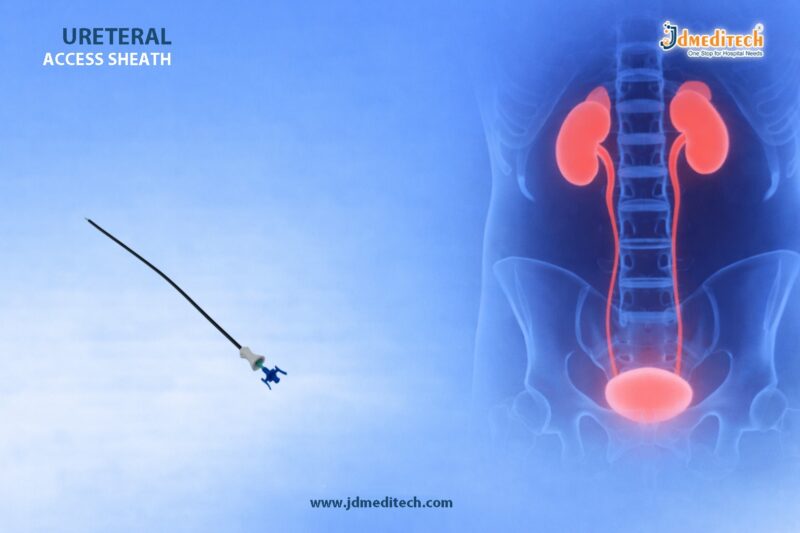


PTFE Guide Wire Solutions for Cardiovascular Excellence

In modern cardiovascular interventions, precision and control are critical for successful outcomes. Among the essential tools used by interventional cardiologists, the PTFE guide wire stands out as a key component for navigating complex vascular pathways with ease and accuracy.

Designed with advanced coating technology, PTFE guide wire solutions offer smooth navigation, reduced friction, and enhanced procedural efficiency. This blog explores how PTFE guide wires contribute to cardiovascular excellence and why they are indispensable in interventional procedures.

What is a PTFE Guide Wire?

A PTFE guide wire (Polytetrafluoroethylene-coated guide wire) is a specialized medical device used in cardiovascular procedures to guide catheters, balloons, and stents through blood vessels.

The PTFE coating provides:

  • Ultra-low friction surface
  • Enhanced trackability
  • Improved maneuverability in tortuous anatomy

This makes PTFE guide wires ideal for both diagnostic and interventional cardiology procedures.

Why PTFE Guide Wire Solutions are Essential in Cardiology
1. Superior Lubricity for Smooth Navigation

The PTFE coating ensures minimal resistance, allowing the guide wire to glide effortlessly through vessels. This is particularly beneficial in:

  • Narrow arteries
  • Calcified lesions
  • Complex vascular structures
2. Enhanced Control and Precision

PTFE guide wires offer excellent torque control, enabling physicians to:

  • Navigate difficult pathways
  • Reach target lesions accurately
  • Improve procedural success rates
3. Reduced Risk of Vessel Trauma

The smooth surface minimizes friction against vessel walls, reducing:

  • Endothelial damage
  • Risk of complications
  • Patient discomfort
4. Versatility Across Procedures

PTFE guide wires are widely used in:

  • Coronary angiography
  • Percutaneous coronary intervention (PCI)
  • Peripheral vascular procedures
  • Endovascular treatments
Key Features of High-Quality PTFE Guide Wires

When selecting a PTFE guide wire solution, the following features are crucial:

  • Hydrophobic PTFE Coating for consistent performance
  • High Torque Response for precise control
  • Flexible Tip Design to navigate complex anatomy
  • Kink Resistance for durability
  • Radiopaque Markers for enhanced visibility under imaging
Applications in Cardiovascular Procedures
1. Coronary Interventions

PTFE guide wires are essential for accessing coronary arteries and delivering devices during angioplasty and stenting.

2. Peripheral Vascular Procedures

Used for navigating peripheral arteries in cases of:

  • Peripheral artery disease (PAD)
  • Chronic total occlusions (CTO)
3. Diagnostic Angiography

Facilitates smooth catheter placement for accurate imaging and diagnosis.

Benefits of Using PTFE Guide Wire Solutions
  • Improved Procedural Efficiency
  • Shorter Procedure Time
  • Higher Success Rate in Complex Cases
  • Enhanced Patient Safety
  • Reduced Operator Fatigue
How to Choose the Right PTFE Guide Wire

Selecting the appropriate guide wire depends on:

  • Procedure Type (diagnostic vs interventional)
  • Vessel Anatomy (straight vs tortuous)
  • Lesion Complexity
  • Required Flexibility and Support

Consulting with a trusted medical device provider ensures optimal product selection.

Why Choose JDMeditech PTFE Guide Wire Solutions

At JDMeditech, we deliver advanced PTFE guide wire solutions designed for superior performance in cardiovascular procedures.

Our Advantages:
  • Premium medical-grade materials
  • Precision-engineered design
  • Consistent quality and reliability
  • Compatibility with standard catheter systems
  • Competitive pricing for global markets
Future of PTFE Guide Wire Technology

With continuous innovation, PTFE guide wires are evolving to include:

  • Hybrid coatings for enhanced performance
  • Improved tip flexibility
  • Advanced imaging compatibility

These advancements will further enhance cardiovascular excellence and patient outcomes.

Conclusion

The PTFE guide wire is a cornerstone of modern cardiovascular interventions. Its ability to provide smooth navigation, precise control, and reduced risk makes it indispensable in both routine and complex procedures.

By choosing high-quality PTFE guide wire solutions, healthcare providers can achieve better clinical outcomes, improve efficiency, and ensure patient safety.


Explore More Product >>

Get Connected:

+91 79909 93062 | +91 63513 72032 | exports@jdmeditech.com
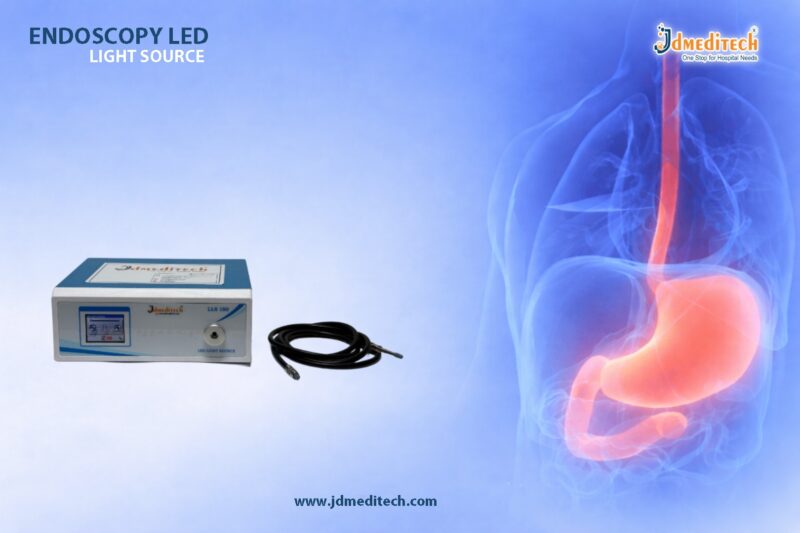


Optical Urethrotomy Sheath for Urethral Stricture Surgery

Urethral stricture is a common urological condition that can significantly impact a patient’s quality of life, causing difficulty in urination, urinary retention, and recurrent infections. Modern minimally invasive techniques have revolutionized its treatment, and one of the most essential tools used in this procedure is the Optical Urethrotomy Sheath.

The Optical Urethrotomy Sheath for urethral stricture surgery is specifically designed to facilitate direct vision internal urethrotomy (DVIU), ensuring precision, safety, and improved surgical outcomes. In this blog, we will explore its features, benefits, applications, and why it is a crucial instrument in urological procedures.

What is an Optical Urethrotomy Sheath?

An Optical Urethrotomy Sheath is a specialized endoscopic instrument used during urethrotomy procedures to treat urethral strictures. It acts as a guiding channel for optical systems and surgical instruments, allowing surgeons to perform incisions under direct visualization.

This sheath is typically used along with:

  • Endoscopes
  • Cold knife or laser fibers
  • Irrigation systems

Its primary function is to provide a stable and clear pathway for safe and precise surgical intervention.

Importance in Urethral Stricture Surgery

The Optical Urethrotomy Sheath for urethral stricture surgery plays a critical role in ensuring procedural success. It allows surgeons to:

  • Visualize the stricture directly
  • Perform controlled incisions
  • Minimize trauma to surrounding tissues
  • Reduce complications and recovery time

This makes it an indispensable tool in Direct Vision Internal Urethrotomy (DVIU) procedures.

Key Features of Optical Urethrotomy Sheath
1. High-Quality Medical-Grade Material

Manufactured using premium stainless steel or medical-grade materials, ensuring durability and corrosion resistance.

2. Precision Engineering

Designed for smooth insertion and accurate alignment during surgery.

3. Optimal Visualization

Compatible with high-definition endoscopes, providing clear visibility of the urethral passage.

4. Ergonomic Design

Ensures ease of handling for surgeons, reducing fatigue during procedures.

5. Efficient Irrigation Channel

Allows continuous fluid flow to maintain a clear surgical field.

6. Compatibility

Works seamlessly with:

  • Optical systems
  • Cold knife urethrotomes
  • Laser fibers
Benefits of Using Optical Urethrotomy Sheath

Using an Optical Urethrotomy Sheath for urethral stricture surgery offers several clinical advantages:

✔ Enhanced Surgical Accuracy

Direct visualization allows precise incision of strictures.

✔ Minimally Invasive Approach

Reduces the need for open surgery, leading to faster recovery.

✔ Reduced Risk of Complications

Lower chances of bleeding, infection, and tissue damage.

✔ Improved Patient Outcomes

Better success rates and reduced recurrence when used correctly.

✔ Time-Efficient Procedure

Streamlined design helps in quicker surgical execution.

Applications in Urology

The Optical Urethrotomy Sheath is widely used in:

  • Treatment of anterior urethral strictures
  • Direct Vision Internal Urethrotomy (DVIU)
  • Laser urethrotomy procedures
  • Diagnostic urethroscopy
  • Minimally invasive urological interventions
How It Works

During urethral stricture surgery:

  1. The sheath is inserted into the urethra.
  2. An optical system is introduced for visualization.
  3. A cutting instrument (cold knife or laser) is passed through the sheath.
  4. The surgeon precisely incises the stricture under direct vision.
  5. Irrigation ensures a clear operative field throughout the procedure.

This controlled approach ensures safety and effectiveness.

Why Choose a High-Quality Optical Urethrotomy Sheath?

Choosing a premium-quality Optical Urethrotomy Sheath for urethral stricture surgery is essential for achieving optimal results. A high-quality sheath ensures:

  • Smooth insertion without trauma
  • Superior visualization
  • Long-lasting performance
  • Compatibility with advanced surgical systems

For healthcare providers, investing in reliable instruments directly impacts surgical efficiency and patient satisfaction.

Maintenance and Sterilization

Proper care is crucial for maintaining performance and hygiene:

  • Clean immediately after use
  • Use approved sterilization methods (autoclaving)
  • Inspect for wear and damage
  • Store in a dry, sterile environment
Conclusion

The Optical Urethrotomy Sheath for urethral stricture surgery is a vital instrument that enables precise, safe, and minimally invasive treatment of urethral strictures. With its advanced design and compatibility with modern surgical systems, it plays a crucial role in improving patient outcomes and surgical efficiency.

For healthcare professionals seeking reliability and precision, investing in a high-quality urethrotomy sheath is a smart and essential choice.


Explore More Product >>

Get Connected:

+91 79909 93062 | +91 63513 72032 | exports@jdmeditech.com
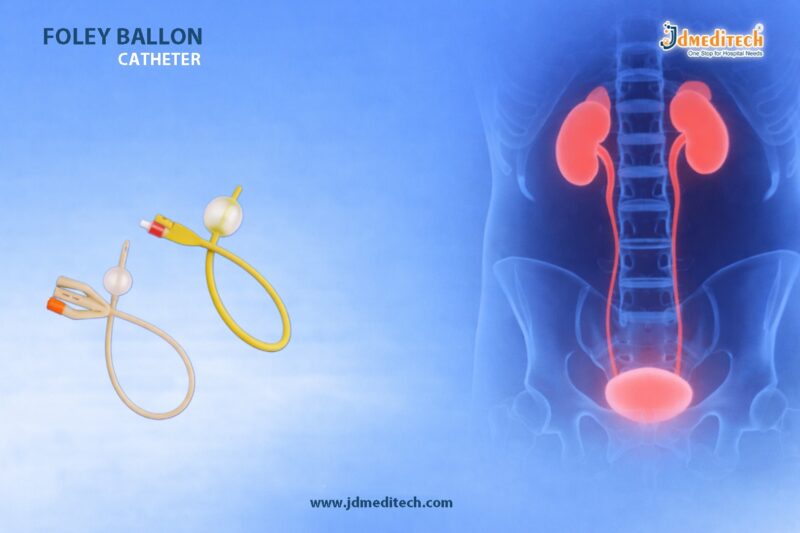


Bicarbonate Cartridge (BiCart) for Hemodialysis – Compact & Efficient Dialysis Solution

Hemodialysis is a life-saving procedure for patients with kidney failure, where maintaining the correct dialysate composition is crucial for effective treatment. One of the most important components in this process is the Bicarbonate Cartridge (BiCart), a modern solution designed to deliver accurate bicarbonate concentration safely and efficiently.

The Bicarbonate Cartridge (BiCart) for Hemodialysis offers a compact, hygienic, and machine-compatible alternative to traditional bicarbonate mixing systems. It simplifies workflow, minimizes contamination risks, and ensures consistent dialysis performance.

What is a Bicarbonate Cartridge (BiCart)?

A Bicarbonate Cartridge (BiCart) is a pre-filled, single-use container that holds dry sodium bicarbonate powder. It is designed to connect directly to compatible hemodialysis machines, where it dissolves automatically with purified water to form bicarbonate concentrate.

This ready-to-use system eliminates the need for manual preparation, ensuring precision and reducing operational errors.

Why Bicarbonate is Essential in Hemodialysis

Bicarbonate plays a vital role in dialysis by:

  • Correcting metabolic acidosis in patients
  • Maintaining acid-base balance
  • Supporting overall physiological stability
  • Enhancing patient comfort during treatment

The Bicarbonate Cartridge (BiCart) for Hemodialysis ensures that this critical component is delivered consistently and accurately.

Key Features of Bicarbonate Cartridge (BiCart)
1. Compact and Space-Saving Design

The BiCart is designed to occupy minimal space, making it ideal for dialysis centers with limited storage.

2. Pre-Filled and Ready-to-Use

Each cartridge comes pre-loaded with medical-grade bicarbonate powder, eliminating manual mixing and saving time.

3. High Compatibility with Dialysis Machines

BiCart systems are engineered to work seamlessly with most modern hemodialysis machines, ensuring smooth integration.

4. Hygienic and Single-Use System

Being disposable, the cartridge significantly reduces the risk of contamination and bacterial growth.

5. Consistent Concentration Delivery

The automated mixing process ensures accurate bicarbonate levels in every dialysis session.

6. Reduced Operational Errors

By removing manual handling, BiCart minimizes human errors and improves treatment reliability.

Advantages of Using BiCart in Hemodialysis
Improved Infection Control

Traditional bicarbonate tanks can harbor bacteria if not cleaned properly. BiCart eliminates this risk with its single-use design.

Time Efficiency

Dialysis staff can save valuable preparation time, allowing them to focus more on patient care.

Enhanced Patient Safety

Accurate bicarbonate concentration ensures stable treatment conditions, reducing complications.

Lower Maintenance Requirements

No need for cleaning tanks or mixing containers, which reduces workload and maintenance costs.

Consistent Dialysis Quality

Each cartridge provides uniform performance, ensuring standardized dialysis sessions.

Applications of Bicarbonate Cartridge (BiCart)

The Bicarbonate Cartridge (BiCart) for Hemodialysis is widely used in:

  • Dialysis centers
  • Hospitals and nephrology units
  • Home hemodialysis setups
  • Intensive care units (ICUs)

Its versatility makes it a preferred choice across various healthcare environments.

How BiCart Works
  1. The cartridge is connected to a compatible dialysis machine
  2. Purified water flows into the cartridge
  3. The bicarbonate powder dissolves automatically
  4. The machine mixes it with acid concentrate
  5. The final dialysate is delivered to the patient

This automated process ensures precision and eliminates manual intervention.

Comparison: BiCart vs Traditional Bicarbonate Mixing
Feature BiCart System Traditional System
Preparation Ready-to-use Manual mixing required
Hygiene High (single-use) Risk of contamination
Accuracy Consistent Variable
Maintenance Minimal High
Time Required Low High
Why Choose JD Meditech Bicarbonate Cartridge?

At JDMeditech, we focus on delivering high-quality dialysis solutions that meet international standards. Our Bicarbonate Cartridge (BiCart) for Hemodialysis is designed for:

  • Reliable performance
  • Superior safety standards
  • Easy machine compatibility
  • Consistent clinical outcomes

We ensure that every product supports healthcare professionals in delivering efficient and safe dialysis treatment.

Best Practices for Using BiCart
  • Always check compatibility with your dialysis machine
  • Store cartridges in a clean, dry environment
  • Use within the recommended shelf life
  • Dispose of used cartridges safely as per medical waste guidelines
Conclusion

The Bicarbonate Cartridge (BiCart) for Hemodialysis represents a significant advancement in dialysis technology. Its compact design, hygienic single-use system, and machine compatibility make it an ideal choice for modern dialysis centers.

By improving efficiency, safety, and consistency, BiCart systems help healthcare providers deliver better patient outcomes with minimal operational complexity.


Explore More Product >>

+91 79909 93062 | +91 63513 72032 | exports@jdmeditech.com
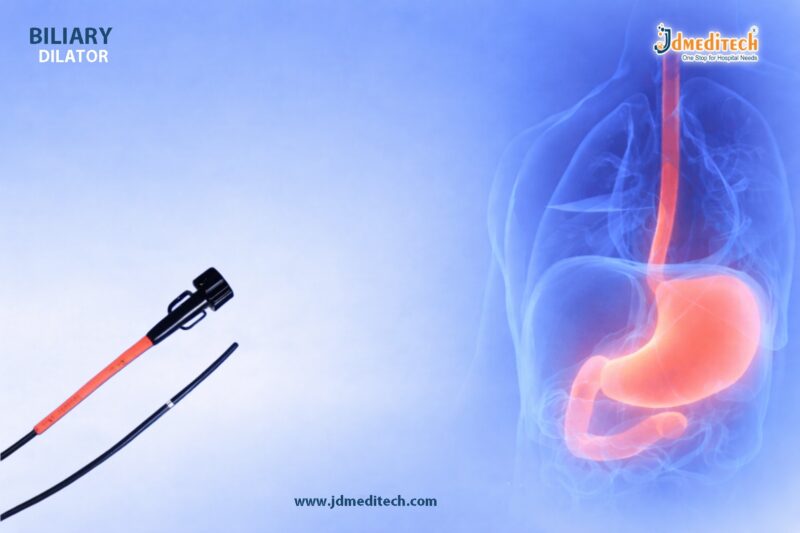


Short Term Hemodialysis Catheter for Temporary Dialysis Access | Complete Guide

A Short Term Hemodialysis Catheter for Temporary Dialysis Access is a critical medical device used to provide immediate vascular access for patients requiring urgent hemodialysis. These catheters are designed for short-duration use, ensuring safe, efficient, and rapid blood flow during dialysis procedures.

In emergency or acute care settings, when permanent access like AV fistula or graft is not available, a short term hemodialysis catheter becomes a lifesaving solution.

What is a Short Term Hemodialysis Catheter?

A Short Term Hemodialysis Catheter for Temporary Dialysis Access is a flexible, sterile tube inserted into a large central vein—commonly the internal jugular, femoral, or subclavian vein—to facilitate dialysis treatment.

These catheters are specifically designed for:

  • Immediate use
  • Short duration (typically up to 2–3 weeks)
  • High flow rates for efficient dialysis
Why is Temporary Dialysis Access Needed?

Temporary access is essential in situations such as:

  • Acute kidney injury (AKI)
  • Emergency dialysis requirements
  • Waiting period for AV fistula maturation
  • Failure of permanent vascular access
  • Critical care or ICU dialysis support

A Short Term Hemodialysis Catheter for Temporary Dialysis Access ensures that treatment can begin without delay.

Key Features of Short Term Hemodialysis Catheters
1. Biocompatible Material

Made from medical-grade polyurethane or silicone to reduce thrombosis and infection risk.

2. High Flow Lumen Design

Dual lumen or triple lumen configurations allow efficient blood flow rates for optimal dialysis performance.

3. Kink-Resistant Structure

Ensures uninterrupted blood flow and durability during use.

4. Radiopaque Markings

Facilitates accurate placement under imaging guidance.

5. Smooth Tip Design

Minimizes vessel trauma during insertion.

6. Pre-attached Extensions & Clamps

Improves ease of handling and reduces contamination risk.

Types of Short Term Hemodialysis Catheters
  • Non-tunneled Catheters – Most commonly used for short-term access
  • Dual Lumen Catheters – Standard for hemodialysis
  • Triple Lumen Catheters – Allows medication administration along with dialysis
Insertion Sites for Temporary Dialysis Catheter

The effectiveness of a Short Term Hemodialysis Catheter for Temporary Dialysis Access depends on correct placement:

  • Internal Jugular Vein (Preferred) – Lower infection risk
  • Femoral Vein – Easy access in emergencies
  • Subclavian Vein – Less preferred due to stenosis risk
Advantages of Short Term Hemodialysis Catheters
  • Immediate dialysis access
  • Quick and minimally invasive placement
  • Suitable for emergency situations
  • No surgical procedure required
  • Cost-effective for short-term use
Risks and Considerations

While highly effective, these catheters may have some risks:

  • Infection (Catheter-related bloodstream infections)
  • Thrombosis
  • Catheter dysfunction
  • Vessel injury
  • Air embolism (rare)

Proper sterile techniques and monitoring significantly reduce these risks.

Best Practices for Safe Use

To ensure optimal performance of a Short Term Hemodialysis Catheter for Temporary Dialysis Access:

  • Maintain strict aseptic technique
  • Regularly flush catheter lumens
  • Monitor for signs of infection
  • Ensure proper fixation to prevent displacement
  • Replace with permanent access as soon as possible
Short Term vs Long Term Dialysis Catheters
Feature Short Term Catheter Long Term Catheter
Duration Up to 2–3 weeks Months to years
Placement Non-tunneled Tunneled
Infection Risk Higher Lower
Use Case Emergency dialysis Chronic dialysis
Conclusion

A Short Term Hemodialysis Catheter for Temporary Dialysis Access plays a vital role in emergency and acute dialysis care. Its ability to provide immediate vascular access makes it indispensable in critical situations.

However, due to associated risks, it is recommended only for short-term use, with a transition to permanent access planned as early as possible.

For healthcare providers, choosing a high-quality catheter ensures patient safety, efficient dialysis, and better clinical outcomes.


Explore More Product >>

Get Connected:

+91 79909 93062 | +91 63513 72032 | exports@jdmeditech.com
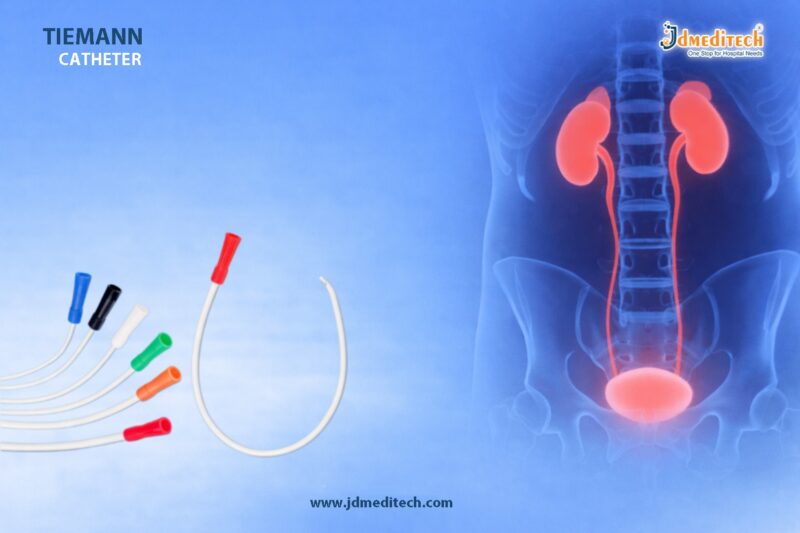
 

Manual Lithotripters in Gastroenterology – Safe & Effective Stone Removal

In modern gastroenterology, the management of biliary and pancreatic duct stones has evolved significantly. Among the essential tools used in endoscopic procedures, manual lithotripters in gastroenterology play a crucial role in safely and effectively fragmenting large or difficult stones.

These devices are widely used during Endoscopic Retrograde Cholangiopancreatography (ERCP) procedures, enabling physicians to crush stones that cannot be removed using standard extraction techniques. Their precision, reliability, and cost-effectiveness make them indispensable in both advanced hospitals and routine clinical settings.

What is a Manual Lithotripter?

A manual lithotripter is a mechanical medical device designed to crush large stones located in the bile duct or pancreatic duct. It works by applying controlled mechanical force to fragment stones into smaller pieces, making them easier to extract.

Unlike powered or electrohydraulic lithotripsy systems, manual lithotripters are:

  • Simple to operate
  • Highly reliable
  • Cost-efficient
Importance of Manual Lithotripters in Gastroenterology

The role of manual lithotripters in gastroenterology has become increasingly significant due to the rising incidence of gallstones and bile duct stones.

Why They Are Essential:
  • Enable removal of large or impacted stones
  • Reduce the need for surgical intervention
  • Improve success rates of ERCP procedures
  • Offer a minimally invasive solution

Manual lithotripters are particularly valuable in situations where standard baskets fail to retrieve stones.

Key Features of Manual Lithotripters

Modern manual lithotripters are engineered for performance, safety, and ease of use.

1. High Mechanical Strength

Designed to exert strong crushing force for effective stone fragmentation.

2. Ergonomic Handle Design

Provides better control and reduces operator fatigue during procedures.

3. Durable Construction

Made from medical-grade stainless steel and high-quality polymers for long-term use.

4. Compatibility with ERCP Accessories

Works seamlessly with stone retrieval baskets and guidewires.

5. Smooth Operation Mechanism

Ensures controlled and precise crushing without sudden force application.

Clinical Applications

Manual lithotripters are widely used in various gastroenterological procedures:

1. Bile Duct Stone Removal

Crushing large common bile duct (CBD) stones during ERCP.

2. Pancreatic Duct Stone Management

Used in selected cases for pancreatic stone fragmentation.

3. Difficult Stone Cases

Ideal for impacted or hard stones that cannot be removed by baskets alone.

4. Rescue Procedures

Used when standard stone retrieval techniques fail.

Advantages of Manual Lithotripters
✔ Cost-Effective Solution

Compared to advanced lithotripsy systems, manual lithotripters are more affordable.

✔ High Success Rate

Effective in breaking large stones, improving procedural outcomes.

✔ Minimally Invasive

Eliminates the need for open or laparoscopic surgery in many cases.

✔ Easy Handling

Simple mechanism ensures ease of use even in complex procedures.

✔ Reliable Performance

No dependency on electricity or complex equipment.

Manual vs. Advanced Lithotripsy Techniques
Feature Manual Lithotripter Advanced Lithotripsy (Laser/EHL)
Cost Low High
Complexity Simple Advanced
Equipment Needed Minimal Specialized setup
Accessibility Widely available Limited to advanced centers
Effectiveness High for most stones Ideal for very hard stones

Manual lithotripters remain the first-line solution in many clinical scenarios due to their efficiency and practicality.

Safety Considerations

While manual lithotripters are generally safe, proper technique is essential:

  • Ensure correct basket positioning before crushing
  • Avoid excessive force to prevent duct injury
  • Use fluoroscopic guidance during ERCP
  • Always follow standard procedural protocols
Future of Manual Lithotripters in Gastroenterology

Despite advancements in laser and electrohydraulic lithotripsy, manual lithotripters in gastroenterology continue to hold strong clinical relevance.

Future innovations may include:

  • Improved ergonomic designs
  • Enhanced durability materials
  • Better integration with endoscopic systems

However, their simplicity, affordability, and effectiveness ensure their continued use worldwide.

Conclusion

The role of manual lithotripters in modern gastroenterology is both significant and indispensable. These devices provide a safe, efficient, and cost-effective solution for managing difficult biliary and pancreatic stones.

As healthcare systems strive for minimally invasive and accessible treatments, manual lithotripters remain a trusted tool for gastroenterologists performing ERCP procedures.


Explore More Product >>

Get Connected:

+91 79909 93062 | +91 63513 72032 | exports@jdmeditech.com
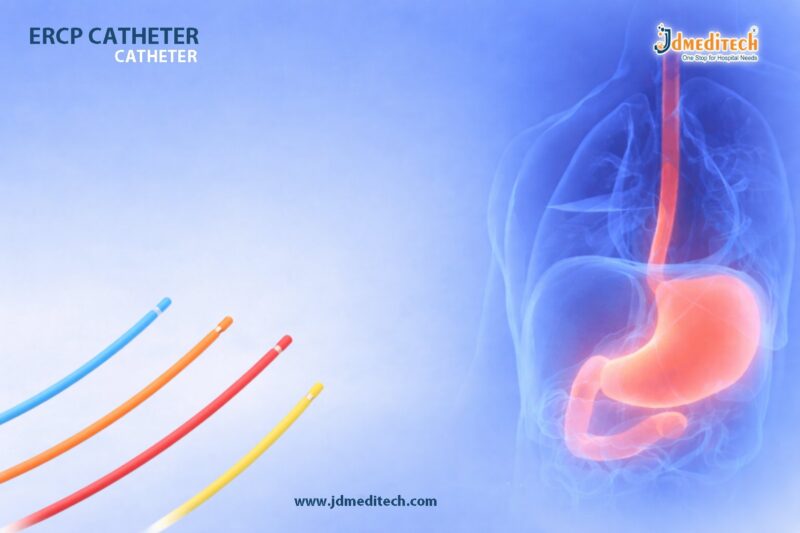


Aspiration Catheter for Thrombus Removal – Precision Vascular Device

In modern interventional cardiology and vascular procedures, rapid and effective thrombus removal is critical to restoring blood flow and preventing life-threatening complications. The Aspiration Catheter is a specialized medical device engineered to deliver precise, controlled, and efficient thrombus aspiration during minimally invasive procedures.

Designed with advanced technology and clinician-focused features, an aspiration catheter for thrombus removal enhances procedural success, reduces complications, and improves patient outcomes.

What is an Aspiration Catheter?

An aspiration catheter is a flexible, hollow medical device used to remove blood clots (thrombus), debris, or embolic material from blood vessels during interventional procedures such as:

  • Percutaneous Coronary Intervention (PCI)
  • Peripheral vascular interventions
  • Neurovascular thrombectomy procedures

The device works by applying negative pressure suction, allowing clinicians to safely extract unwanted material from the vascular system.

Key Features of Aspiration Catheter
1. High Suction Efficiency

The aspiration catheter is engineered with optimized lumen design, ensuring powerful and consistent suction for effective thrombus removal.

2. Flexible and Trackable Design

Its highly flexible shaft allows smooth navigation through tortuous vessels, improving accessibility to difficult anatomical regions.

3. Kink-Resistant Construction

The catheter maintains structural integrity even during complex procedures, ensuring uninterrupted performance.

4. Soft Atraumatic Tip

Designed to minimize vessel trauma, the soft tip enhances safety during insertion and aspiration.

5. Radiopaque Markers for Precision

Radiopaque markers provide excellent visibility under fluoroscopy, enabling accurate placement and control.

Benefits of Using an Aspiration Catheter

Using an aspiration catheter for vascular procedures offers multiple clinical and procedural advantages:

  • Effective thrombus removal for improved blood flow
  • Reduced risk of distal embolization
  • Enhanced procedural precision
  • Minimally invasive approach with faster recovery
  • Improved patient outcomes and reduced complications
Applications of Aspiration Catheter

The aspiration catheter for thrombus removal is widely used in:

1. Coronary Interventions

Used during PCI to remove thrombus in coronary arteries and restore myocardial perfusion.

2. Peripheral Vascular Procedures

Helps clear blockages in peripheral arteries, improving circulation.

3. Neurovascular Procedures

Used in stroke management for removing clots from cerebral vessels.

Why Choose a High-Quality Aspiration Catheter?

Selecting a premium aspiration catheter ensures:

  • Superior suction performance
  • Smooth device handling
  • Enhanced patient safety
  • Reliable clinical outcomes

High-quality materials and precision engineering play a crucial role in achieving consistent and predictable results.

How Aspiration Catheter Improves Clinical Outcomes

The use of an aspiration catheter in thrombus removal significantly improves procedural efficiency by:

  • Reducing clot burden before stenting
  • Enhancing vessel visualization
  • Lowering procedural time
  • Minimizing complications

These factors collectively contribute to better long-term patient outcomes.

Maintenance and Handling Tips

To ensure optimal performance:

  • Use under sterile conditions
  • Follow manufacturer guidelines
  • Avoid excessive bending or force
  • Dispose of single-use devices properly
Conclusion

The Aspiration Catheter – Designed for Precision Thrombus Removal in Vascular Procedures is an essential tool in modern interventional medicine. With its advanced design, superior suction capability, and safety-focused features, it plays a vital role in improving procedural success and patient care.


Explore More Product >>

Get Connected:

+91 79909 93062 | +91 63513 72032 | exports@jdmeditech.com
 

Pediatric TURP Resectoscope Set for Safe Pediatric Urological Procedures

Pediatric urological procedures require exceptional precision, safety, and specialized instrumentation. The Pediatric TURP Resectoscope Set is specifically designed to meet the delicate anatomical needs of pediatric patients while ensuring optimal surgical outcomes. With advanced engineering, miniaturized components, and superior control, this medical device has become an essential tool for pediatric urologists worldwide.

In this blog, we explore the features, benefits, applications, and importance of using a Pediatric TURP Resectoscope Set in modern minimally invasive urological procedures.

What is a Pediatric TURP Resectoscope Set?

A Pediatric TURP Resectoscope Set is a specialized endoscopic instrument used for Transurethral Resection of the Prostate (TURP) and other urological procedures in children. Unlike standard resectoscopes, this pediatric version is designed with smaller diameters and enhanced precision to safely navigate delicate pediatric anatomy.

It allows surgeons to perform minimally invasive resections, tissue removal, and diagnostic procedures with high accuracy and minimal trauma.

Key Features of Pediatric TURP Resectoscope Set
1. Miniaturized Design for Pediatric Use

The set is engineered with a smaller sheath diameter, making it suitable for pediatric urethral anatomy and reducing the risk of injury.

2. High-Quality Optical System

Equipped with clear optics, the resectoscope provides excellent visualization, enabling surgeons to perform precise procedures.

3. Superior Electrical Conductivity

Designed for efficient energy transmission, ensuring safe and effective tissue resection with minimal thermal damage.

4. Ergonomic Working Element

The working element ensures smooth handling and control, reducing surgeon fatigue during long procedures.

5. Durable Medical-Grade Materials

Manufactured from high-quality stainless steel, ensuring longevity, corrosion resistance, and repeated sterilization compatibility.

6. Compatibility with Standard Systems

The Pediatric TURP Resectoscope Set is compatible with standard endoscopic towers and accessories, making it easy to integrate into existing setups.

Components of the Pediatric TURP Resectoscope Set

A complete set typically includes:

  • Pediatric resectoscope sheath
  • Working element
  • Telescope (various viewing angles)
  • Electrode (loop or knife)
  • Obturator
  • Light cable connector

Each component is designed to ensure maximum safety and procedural efficiency.

Applications in Pediatric Urology

The Pediatric TURP Resectoscope Set is widely used in:

  • Treatment of posterior urethral valves (PUV)
  • Resection of urethral obstructions
  • Bladder neck procedures
  • Diagnostic cystoscopy with intervention
  • Removal of abnormal tissue growth

These procedures demand precision and minimal invasiveness, making this device indispensable.

Advantages of Using Pediatric TURP Resectoscope Set
✔ Enhanced Patient Safety

Smaller instrument size reduces trauma and ensures safe navigation in pediatric patients.

✔ Minimally Invasive Approach

Reduces hospital stay, pain, and recovery time.

✔ High Surgical Precision

Improved visualization allows accurate tissue removal.

✔ Reduced Complications

Lower risk of bleeding, infection, and urethral damage.

✔ Faster Recovery

Patients experience quicker healing and return to normal activities.

Why Choose a High-Quality Pediatric TURP Resectoscope Set?

Selecting a premium-quality device ensures:

  • Consistent performance
  • Reliable electrical conductivity
  • Long-term durability
  • Better surgical outcomes

A high-quality Pediatric TURP Resectoscope Set directly contributes to patient safety and procedural success, making it a critical investment for hospitals and clinics.

Maintenance and Sterilization

To ensure longevity and performance:

  • Clean immediately after use
  • Use approved sterilization methods (autoclaving)
  • Inspect optical and electrical components regularly
  • Store in a sterile, dry environment

Proper maintenance ensures optimal functionality and extended device life.

Conclusion

The Pediatric TURP Resectoscope Set represents a significant advancement in pediatric urological care. Its specialized design, safety-focused features, and precision capabilities make it an essential tool for modern minimally invasive surgery.


Explore More Product >>

+91 79909 93062 | +91 63513 72032 | exports@jdmeditech.com


Premium Quality Angio Kit for Safe & Efficient Vascular Procedures

In modern interventional procedures, precision, safety, and efficiency are critical. A Premium Quality Angio Kit plays a vital role in ensuring smooth vascular access, reducing complications, and improving procedural outcomes. Designed with high-grade materials and carefully selected components, these kits are widely used in cardiology, radiology, and vascular interventions.

Whether it’s diagnostic angiography or therapeutic procedures, choosing a reliable premium quality angio kit ensures consistency, sterility, and optimal performance.

What is a Premium Quality Angio Kit?

A Premium Quality Angio Kit is a pre-packed sterile set of essential tools used for vascular access during angiographic and interventional procedures. It typically includes needles, guidewires, introducers, dilators, syringes, and other accessories required for safe catheter insertion.

These kits are designed to simplify workflow, minimize preparation time, and maintain strict sterile conditions.

Key Components of an Angio Kit

A well-designed premium quality angio kit contains:

  • Introducer Needle – Enables precise vascular entry
  • Guidewire – Ensures smooth navigation within vessels
  • Dilator – Helps expand the access site safely
  • Introducer Sheath – Maintains vascular access during procedures
  • Scalpel – For controlled skin incision
  • Syringes & Needles – For flushing and medication delivery
  • Hemostatic Valve – Prevents blood loss and air entry

Each component is engineered for accuracy and ease of use, contributing to safer procedures.

Features of Premium Quality Angio Kits
1. High-Grade Medical Materials

Manufactured using biocompatible and durable materials, ensuring patient safety and reliability.

2. Sterile and Ready-to-Use

Every premium quality angio kit is EO sterilized and packed to maintain hygiene and prevent infections.

3. Precision Engineering

Designed for smooth insertion, reduced trauma, and better control during vascular access.

4. Comprehensive Kit Design

All necessary tools in one package eliminate the need for multiple setups.

5. User-Friendly Configuration

Organized layout allows quick access to components, improving procedural efficiency.

Benefits of Using a Premium Quality Angio Kit

Using a premium quality angio kit offers multiple advantages:

  • Enhanced Patient Safety – Reduced risk of infection and complications
  • Time Efficiency – Faster preparation and procedure time
  • Improved Accuracy – Better control during vascular access
  • Reduced Procedure Errors – Pre-assembled kits minimize missing components
  • Cost-Effective – Streamlined usage reduces waste and delays
Applications of Angio Kits

A premium quality angio kit is widely used in:

  • Coronary angiography
  • Peripheral angiography
  • Interventional cardiology procedures
  • Radiology interventions
  • Vascular access procedures

Its versatility makes it an essential tool in modern healthcare settings.

Why Choose a Premium Quality Angio Kit?

Choosing a premium quality angio kit ensures:

  • Consistent performance across procedures
  • Compliance with international medical standards
  • Reduced procedural risks
  • Improved workflow in busy clinical environments

Healthcare professionals rely on high-quality kits to deliver precise and safe outcomes.

Tips for Selecting the Right Angio Kit

When selecting a premium quality angio kit, consider:

  • Compatibility with procedure type
  • Quality of guidewire and needle
  • Sterilization standards
  • Packaging integrity
  • Manufacturer reliability

Choosing the right kit can significantly impact procedural success.

Conclusion

A Premium Quality Angio Kit is essential for ensuring safe, efficient, and precise vascular access in modern medical procedures. With its well-designed components, sterile packaging, and user-friendly configuration, it enhances both patient safety and clinical performance.

Investing in a high-quality angio kit is not just a choice—it’s a necessity for delivering excellence in interventional healthcare.


Explore More Product >>

Get Connected:

+91 79909 93062 | +91 63513 72032 | exports@jdmeditech.com