
Cardiac Catheterization: Heart Diagnosis & Treatment Guide

The cardiac catheterization procedure is one of the most advanced techniques used in modern cardiology. Doctors rely on the cardiac catheterization procedure to diagnose and treat a wide range of heart conditions with precision. Because it is minimally invasive, the cardiac catheterization procedure has become a preferred choice for both patients and healthcare professionals.

What is Cardiac Catheterization?

The cardiac catheterization procedure involves inserting a thin, flexible catheter into a blood vessel and guiding it toward the heart. During the cardiac catheterization procedure, doctors use imaging techniques to examine the heart and blood vessels.

This allows the cardiac catheterization procedure to provide detailed insights into heart function, blood flow, and arterial blockages.

Why is the Cardiac Catheterization Procedure Performed?

The cardiac catheterization procedure is performed for both diagnostic and treatment purposes.

Diagnosis of Heart Conditions

Doctors use the cardiac catheterization procedure to detect coronary artery disease, valve disorders, and congenital abnormalities.

Evaluation of Chest Pain

When symptoms are unclear, the cardiac catheterization procedure helps identify the exact cause.

Treatment Planning

The cardiac catheterization procedure supports procedures like angioplasty and stent placement.

Monitoring Heart Function

Doctors assess heart performance using the cardiac catheterization procedure in critical cases.

Types of Cardiac Catheterization

There are several variations of the cardiac catheterization procedure depending on clinical needs.

Diagnostic Procedure

The cardiac catheterization procedure evaluates heart structure and function.

Interventional Procedure

In this type, the cardiac catheterization procedure treats blocked arteries.

Right Heart Catheterization

The cardiac catheterization procedure measures pressure in the lungs and right heart.

Left Heart Catheterization

This cardiac catheterization procedure focuses on coronary arteries.

Step-by-Step Cardiac Catheterization Procedure

Understanding the cardiac catheterization procedure helps reduce patient anxiety.

  1. Preparation
    Before the cardiac catheterization procedure, the patient receives anesthesia.
  2. Insertion
    The cardiac catheterization procedurebegins with catheter insertion through the wrist or groin.
  3. Navigation
    Imaging guides the cardiac catheterization proceduretoward the heart.
  4. Imaging
    During the cardiac catheterization procedure, contrast dye highlights arteries.
  5. Treatment
    If needed, the cardiac catheterization procedureincludes interventions like stenting.
  6. Completion
    The cardiac catheterization procedureends with catheter removal.
Benefits of Cardiac Catheterization

The cardiac catheterization procedure offers several advantages:

  • Minimally invasive technique
  • High diagnostic accuracy
  • Immediate treatment capability
  • Faster recovery
  • Reduced hospital stay

Because of these benefits, the cardiac catheterization procedure is widely recommended.

Risks and Complications

Although safe, the cardiac catheterization procedure may involve minor risks:

  • Bleeding
  • Infection
  • Allergic reaction
  • Vessel damage

However, the cardiac catheterization procedure is generally low-risk when performed by experts.

Recovery After Cardiac Catheterization

Recovery after the cardiac catheterization procedure is usually quick. Most patients recover within a few days after the cardiac catheterization procedure.

Patients should:

  • Rest after the cardiac catheterization procedure
  • Avoid heavy lifting
  • Follow medical advice carefully
Technological Advancements

Modern innovations have improved the cardiac catheterization procedure significantly. Advanced imaging systems make the cardiac catheterization procedure safer and more accurate.

Importance of Quality Medical Devices

The success of the cardiac catheterization procedure depends heavily on high-quality equipment. At JDMeditech, we provide reliable solutions that support every cardiac catheterization procedure with precision and safety.

Conclusion

The cardiac catheterization procedure is a cornerstone in modern heart care. From diagnosis to treatment, the cardiac catheterization procedure ensures accurate results and better patient outcomes. As technology advances, the cardiac catheterization procedure continues to play a critical role in saving lives.


Explore More Product >>

Get Connected:

+91 79909 93062 | +91 63513 72032 | exports@jdmeditech.com
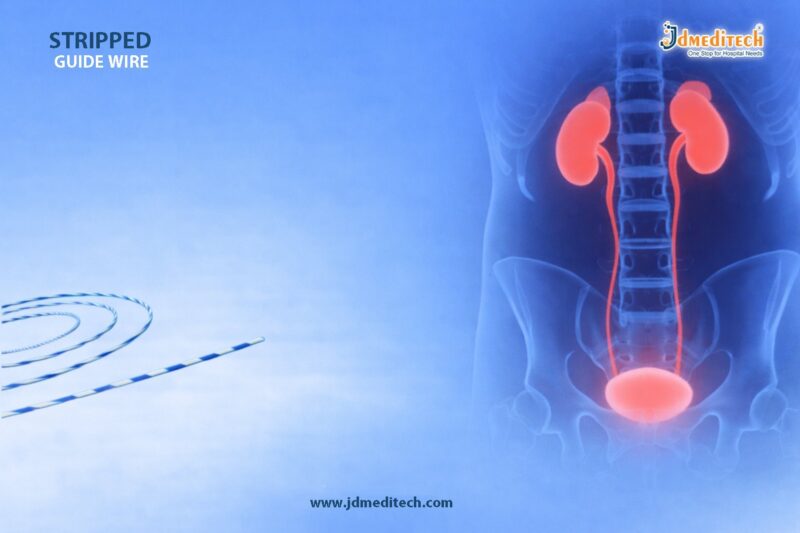
 

Stripped Guide Wire for Accurate Placement & Radiopacity

In modern minimally invasive procedures, precision and visibility are critical. A Stripped Guide Wire for Accurate Placement plays a vital role in ensuring successful navigation through complex anatomical pathways. Designed with enhanced radiopacity, this specialized guide wire allows clinicians to achieve superior visualization under fluoroscopy, resulting in improved procedural outcomes.

Whether used in urology, cardiology, or interventional radiology, a Stripped Guide Wire for Accurate Placement ensures safe device delivery and precise positioning. As medical technologies continue to evolve, the demand for high-performance guide wires is increasing rapidly.

What is a Stripped Guide Wire?

A Stripped Guide Wire for Accurate Placement is a medical device engineered with a partially exposed or “stripped” section that enhances flexibility and radiographic visibility. This design allows healthcare professionals to guide catheters and other instruments with maximum control.

The stripped section improves maneuverability while maintaining the structural integrity required for safe navigation. Additionally, the enhanced radiopacity ensures that the Stripped Guide Wire for Accurate Placement remains clearly visible during imaging procedures.

Key Features of Stripped Guide Wire for Accurate Placement
1. Enhanced Radiopacity

One of the most important advantages of a Stripped Guide Wire for Accurate Placement is its superior radiopacity. This feature allows precise visualization under fluoroscopy, ensuring accurate placement even in challenging anatomical regions.

2. Excellent Flexibility and Control

The stripped design provides excellent flexibility and control, enabling smooth navigation through tortuous pathways. A Stripped Guide Wire for Accurate Placement reduces the risk of trauma while maintaining directional accuracy.

3. Smooth Surface for Easy Navigation

A highly polished surface ensures minimal friction, allowing the Stripped Guide Wire for Accurate Placement to glide effortlessly through vessels or urinary tracts.

4. Strong Core Construction

Designed with a durable core, the Stripped Guide Wire for Accurate Placement offers excellent pushability and torque control, making it suitable for complex interventions.

5. Versatile Compatibility

The Stripped Guide Wire for Accurate Placement is compatible with a wide range of catheters, sheaths, and endoscopic instruments, enhancing its utility across multiple specialties.

Applications of Stripped Guide Wire for Accurate Placement

The Stripped Guide Wire for Accurate Placement is widely used in various medical fields:

Urology
  • Ureteral access procedures
  • Stone management and retrieval
  • Placement of stents and catheters
Cardiology
  • Coronary interventions
  • Angioplasty procedures
  • Vascular access support
Interventional Radiology
  • Image-guided procedures
  • Drainage catheter placement
  • Embolization techniques

Its enhanced radiopacity ensures that the Stripped Guide Wire for Accurate Placement delivers reliable performance in all these applications.

Benefits of Using Stripped Guide Wire for Accurate Placement
Improved Procedural Accuracy

The enhanced visibility of a Stripped Guide Wire for Accurate Placement allows clinicians to position devices with exceptional precision.

Reduced Risk of Complications

Better control and visualization minimize the chances of vessel injury or incorrect placement.

Time Efficiency

The Stripped Guide Wire for Accurate Placement helps reduce procedure time by enabling quick and accurate navigation.

Enhanced Safety

With superior design and materials, the Stripped Guide Wire for Accurate Placement ensures patient safety during complex procedures.

Why Choose JDMeditech Stripped Guide Wire?

At JDMeditech, we specialize in manufacturing high-quality medical devices designed for precision and reliability. Our Stripped Guide Wire for Accurate Placement is engineered to meet international standards and deliver consistent performance.

Our Advantages:
  • Advanced manufacturing technology
  • Strict quality control processes
  • High radiopacity for better imaging
  • Customizable specifications
  • Trusted by healthcare professionals
Best Practices for Using Stripped Guide Wire

To maximize the efficiency of a Stripped Guide Wire for Accurate Placement, consider the following tips:

  • Always verify compatibility with the intended device
  • Use fluoroscopic guidance for precise placement
  • Avoid excessive force during insertion
  • Maintain sterile handling conditions
Conclusion

The Stripped Guide Wire for Accurate Placement is an essential tool in modern medical procedures, offering unmatched precision, flexibility, and visibility. Its enhanced radiopacity ensures accurate positioning, making it a preferred choice for healthcare professionals worldwide.

As minimally invasive techniques continue to advance, the importance of reliable tools like the Stripped Guide Wire for Accurate Placement cannot be overstated. Choosing a high-quality product from trusted manufacturers like JDMeditech ensures optimal performance and patient safety.


Explore More Product >>

Get Connected:

+91 79909 93062 | +91 63513 72032 | exports@jdmeditech.com

Upper GI Endoscopy (EGD) – Diagnosis of Digestive Disorders

Upper GI Endoscopy (EGD) is a widely used diagnostic procedure that allows doctors to examine the upper digestive tract. With Upper GI Endoscopy (EGD), specialists can view the esophagus, stomach, and duodenum in real time. As a result, Upper GI Endoscopy (EGD) helps detect abnormalities early and improves patient outcomes.

Moreover, Upper GI Endoscopy (EGD) is minimally invasive, making it a preferred choice in modern gastroenterology.

What is Upper GI Endoscopy (EGD)?

Upper GI Endoscopy (EGD) involves inserting a flexible endoscope through the mouth to visualize internal digestive structures. The device used in Upper GI Endoscopy (EGD) contains a high-resolution camera and light source.

Because of its precision, Upper GI Endoscopy (EGD) enables accurate diagnosis of ulcers, inflammation, and tumors. Therefore, many healthcare providers rely on Upper GI Endoscopy (EGD) for effective evaluation.

Why is Upper GI Endoscopy (EGD) Performed?

Doctors recommend Upper GI Endoscopy (EGD) when patients show symptoms related to digestive disorders. In addition, Upper GI Endoscopy (EGD) is useful for both diagnosis and treatment.

Common Indications
  • Chronic acid reflux (GERD)
  • Difficulty swallowing
  • Persistent abdominal pain
  • Unexplained vomiting
  • Gastrointestinal bleeding

In such cases, Upper GI Endoscopy (EGD) helps identify the root cause quickly.

Procedure of Upper GI Endoscopy (EGD)

Understanding Upper GI Endoscopy (EGD) helps patients feel more comfortable before undergoing the procedure.

Before the Procedure

Before Upper GI Endoscopy (EGD), patients must fast for several hours. Additionally, doctors review medications to ensure safety.

During the Procedure

During Upper GI Endoscopy (EGD), the doctor inserts the endoscope gently through the mouth. The camera used in Upper GI Endoscopy (EGD) displays clear images on a monitor.

After the Procedure

After Upper GI Endoscopy (EGD), patients are monitored until sedation wears off. Most individuals recover quickly after Upper GI Endoscopy (EGD).

Benefits of Upper GI Endoscopy (EGD)

There are several reasons why Upper GI Endoscopy (EGD) is considered highly effective.

  • Accurate Diagnosis:Upper GI Endoscopy (EGD) provides direct visualization
  • Early Detection:Upper GI Endoscopy (EGD) identifies diseases early
  • Minimally Invasive:Upper GI Endoscopy (EGD) avoids major surgery
  • Biopsy Capability:Upper GI Endoscopy (EGD) allows tissue sampling

Because of these advantages, Upper GI Endoscopy (EGD) remains a gold standard procedure.

Risks of Upper GI Endoscopy (EGD)

Although Upper GI Endoscopy (EGD) is generally safe, minor risks may occur. For example, Upper GI Endoscopy (EGD) may cause temporary throat discomfort.

However, serious complications from Upper GI Endoscopy (EGD) are rare. Therefore, doctors consider Upper GI Endoscopy (EGD) a safe diagnostic option.

Technology in Upper GI Endoscopy (EGD)

Modern advancements have improved Upper GI Endoscopy (EGD) significantly. High-definition imaging enhances the accuracy of Upper GI Endoscopy (EGD).

Furthermore, innovations in Upper GI Endoscopy (EGD) devices ensure better patient comfort and improved clinical outcomes.

Role of Devices in Upper GI Endoscopy (EGD)

The success of Upper GI Endoscopy (EGD) depends on high-quality medical devices.

Key tools used in Upper GI Endoscopy (EGD) include:

  • Endoscopes
  • Biopsy forceps
  • Cytology brushes
  • Polypectomy snares

Reliable instruments enhance the performance of Upper GI Endoscopy (EGD) procedures.

Recovery After Upper GI Endoscopy (EGD)

Recovery after Upper GI Endoscopy (EGD) is usually quick. Most patients resume daily activities soon after Upper GI Endoscopy (EGD).

Additionally, doctors may recommend dietary adjustments following Upper GI Endoscopy (EGD).

Conclusion

Upper GI Endoscopy (EGD) plays a crucial role in diagnosing digestive disorders. With its accuracy and safety, Upper GI Endoscopy (EGD) continues to be an essential tool in modern healthcare.

As technology advances, Upper GI Endoscopy (EGD) will become even more effective in improving patient care.


Explore More Product >>

Get Connected:

+91 79909 93062 | +91 63513 72032 | exports@jdmeditech.com

Aortic Coarctation Treatment – Restore Healthy Blood Flow

Aortic Coarctation Treatment plays a critical role in managing a serious congenital heart defect that affects blood flow through the aorta. Aortic coarctation refers to the narrowing of the aorta, which can lead to high blood pressure, heart damage, and reduced circulation to vital organs.

With modern advancements, aortic coarctation treatment has become safer and more effective. Today, patients benefit from minimally invasive procedures and surgical innovations that restore normal blood flow and improve quality of life.

What is Aortic Coarctation?

Aortic coarctation is a condition where a section of the aorta becomes narrowed. This narrowing restricts blood flow, forcing the heart to work harder.

In many cases, the condition is present at birth (congenital). However, symptoms may not appear until later in life.

Without proper aortic coarctation treatment, complications can include:

  • Severe hypertension
  • Heart failure
  • Stroke
  • Aortic rupture
Symptoms That Indicate the Need for Aortic Coarctation Treatment

The symptoms vary depending on the severity of the narrowing. Early diagnosis ensures timely aortic coarctation treatment.

Common symptoms include:
  • High blood pressure in the arms
  • Weak or delayed pulse in the legs
  • Shortness of breath
  • Chest pain
  • Fatigue
  • Headaches

Infants may show more severe signs, including difficulty feeding and poor growth.

Diagnosis of Aortic Coarctation

Accurate diagnosis is essential before starting aortic coarctation treatment. Doctors use several imaging techniques to assess the condition.

Diagnostic methods include:
  • Echocardiography
  • MRI or CT angiography
  • Chest X-ray
  • Cardiac catheterization

These tests help determine the severity and guide the best aortic coarctation treatment approach.

Advanced Aortic Coarctation Treatment Options

Modern aortic coarctation treatment focuses on restoring normal blood flow while minimizing complications. Treatment choice depends on patient age, severity, and overall health.

1. Balloon Angioplasty

Balloon angioplasty is a minimally invasive aortic coarctation treatment. A catheter with a balloon is inserted and inflated at the narrowed section to widen the artery.

Benefits:
  • Less invasive
  • Short recovery time
  • Effective for selected patients
2. Stent Placement

Stenting is often combined with angioplasty as an advanced aortic coarctation treatment. A metal stent is placed to keep the artery open.

Advantages:
  • Long-term stability
  • Reduced risk of re-narrowing
  • Suitable for adolescents and adults
3. Surgical Repair

Surgery remains a reliable aortic coarctation treatment, especially in infants and complex cases.

Common surgical techniques include:

  • Resection with end-to-end anastomosis
  • Subclavian flap aortoplasty
  • Patch aortoplasty

Surgical aortic coarctation treatment provides durable results and is often preferred in severe cases.

Recovery After Aortic Coarctation Treatment

Recovery depends on the type of aortic coarctation treatment performed.

Post-treatment care includes:
  • Regular blood pressure monitoring
  • Follow-up imaging tests
  • Lifestyle modifications
  • Medications if required

Most patients experience significant improvement after successful aortic coarctation treatment.

Risks and Complications

Although modern aortic coarctation treatment is safe, some risks may occur:

  • Re-narrowing of the aorta
  • Aneurysm formation
  • Infection
  • Bleeding

Choosing experienced medical professionals reduces these risks.

Why Early Aortic Coarctation Treatment is Important

Timely aortic coarctation treatment prevents serious complications and ensures better long-term outcomes.

Early intervention helps:

  • Normalize blood pressure
  • Reduce heart strain
  • Improve life expectancy
  • Enhance overall well-being
Latest Innovations in Aortic Coarctation Treatment

Advancements in technology continue to improve aortic coarctation treatment outcomes.

Innovations include:
  • Covered stents for better safety
  • Hybrid surgical-interventional techniques
  • Advanced imaging guidance
  • Personalized treatment planning

These innovations make aortic coarctation treatment more precise and effective.

Conclusion

Aortic Coarctation Treatment has evolved significantly with advanced medical technologies and surgical expertise. From minimally invasive procedures to complex surgical repairs, modern solutions ensure effective restoration of circulatory balance.

If diagnosed early and treated properly, patients can lead healthy and active lives. Investing in the right aortic coarctation treatment approach is essential for long-term heart health.


Explore More Product >>

Get Connected:

+91 79909 93062 | +91 63513 72032 | exports@jdmeditech.com
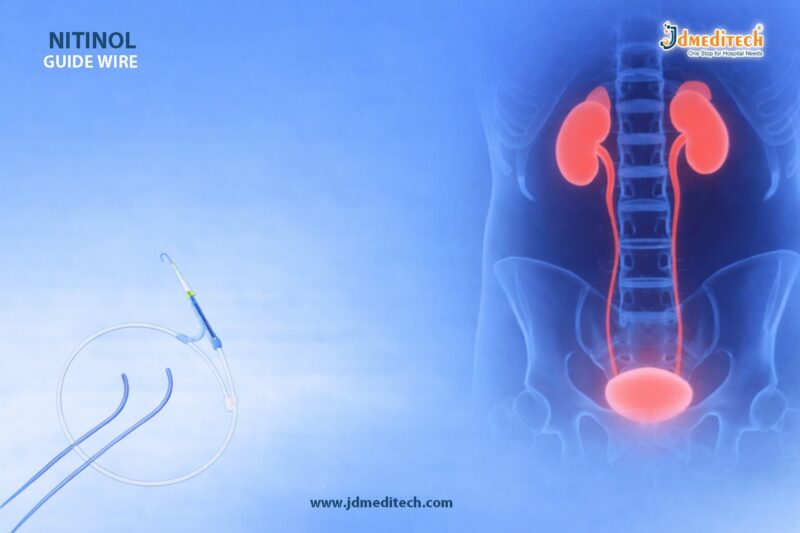
Nitinol Guide Wire – Durable & High Trackability Medical Guidewire

In modern minimally invasive procedures, precision and control are essential. The Nitinol Guide Wire plays a critical role in ensuring smooth navigation through complex anatomical pathways. Thanks to its unique material properties, this advanced medical device combines durability with excellent trackability, making it a preferred choice for urologists and interventional specialists.

Moreover, the growing demand for reliable and flexible guidewires has increased the importance of nitinol-based solutions in today’s healthcare environment.

What is a Nitinol Guide Wire?

A Nitinol Guide Wire is a medical device made from a nickel-titanium alloy known as nitinol. This material is widely recognized for its shape memory and superelasticity, which allow the guidewire to return to its original shape even after bending.

As a result, the Nitinol Guide Wire provides superior maneuverability and consistent performance during complex procedures.

Key Features of Nitinol Guide Wire
1. Exceptional Flexibility and Shape Memory

One of the standout features of the Nitinol Guide Wire is its ability to bend without breaking. It easily adapts to curved anatomical structures while maintaining its original shape.

2. Superior Durability

Unlike traditional guidewires, the Nitinol Guide Wire resists kinking and deformation. Therefore, it ensures long-lasting performance even in demanding clinical environments.

3. Excellent Trackability

The Nitinol Guide Wire is designed for smooth advancement through narrow and tortuous pathways. Consequently, it enhances procedural efficiency and reduces complications.

4. Enhanced Torque Control

Physicians benefit from precise control, as the Nitinol Guide Wire transmits rotational movements effectively from the proximal to distal end.

5. Hydrophilic Coating Compatibility

Many variants of the Nitinol Guide Wire come with hydrophilic coatings. This feature reduces friction and ensures effortless navigation.

Applications of Nitinol Guide Wire

The Nitinol Guide Wire is widely used across multiple medical specialties due to its versatility.

Urology

It is commonly used in procedures such as:

  • Ureteroscopy
  • Stone management
  • Catheter placement
Cardiology

In cardiovascular interventions, the Nitinol Guide Wire assists in navigating blood vessels during angioplasty and stent placement.

Gastroenterology

It is also utilized in endoscopic procedures for accessing bile ducts and other gastrointestinal pathways.

Advantages Over Conventional Guidewires

Compared to stainless steel guidewires, the Nitinol Guide Wire offers several advantages:

  • Greater flexibility without permanent deformation
  • Improved patient safety due to reduced trauma
  • Better navigation in complex anatomy
  • Longer lifespan and reliability

Because of these benefits, healthcare professionals increasingly prefer the Nitinol Guide Wire for advanced procedures.

How to Choose the Right Nitinol Guide Wire

Selecting the appropriate Nitinol Guide Wire depends on several factors:

  • Procedure type – Urological, cardiac, or GI
  • Wire diameter and length
  • Coating type – Hydrophilic or PTFE
  • Tip configuration – Straight or J-tip

Therefore, understanding clinical requirements helps in choosing the most suitable guide wire.

Safety and Handling Considerations

Although the Nitinol Guide Wire is highly durable, proper handling is essential:

  • Avoid excessive force during insertion
  • Maintain sterility at all times
  • Inspect the wire before use
  • Follow manufacturer guidelines

These precautions ensure optimal performance and patient safety.

Future of Nitinol Guide Wire Technology

With ongoing advancements in medical technology, the Nitinol Guide Wire continues to evolve. Innovations such as improved coatings, enhanced tip designs, and hybrid materials are further enhancing its performance.

As a result, the Nitinol Guide Wire is expected to remain a cornerstone of minimally invasive procedures.

Conclusion

The Nitinol Guide Wire represents a perfect combination of durability, flexibility, and excellent trackability. Its advanced design supports safe and efficient navigation across various medical specialties.

For healthcare professionals seeking precision and reliability, the Nitinol Guide Wire is undoubtedly an essential tool in modern clinical practice.


Explore More Product >>

Get Connected:

+91 79909 93062 | +91 63513 72032 | exports@jdmeditech.com
 

Pancreatic Necrosectomy Surgery for Pancreatic Necrosis

Pancreatic necrosectomy is a critical surgical procedure used to remove dead or infected pancreatic tissue caused by severe pancreatitis. When pancreatic necrosis develops, timely intervention becomes essential to prevent life-threatening complications such as infection, organ failure, and sepsis.

In modern healthcare, pancreatic necrosectomy plays a vital role in improving survival rates and restoring patient health. This blog explores the procedure, indications, techniques, benefits, and recovery aspects in detail.

What is Pancreatic Necrosis?

Pancreatic necrosis occurs when pancreatic tissue dies due to inflammation, infection, or lack of blood supply. It is commonly associated with acute pancreatitis, especially in severe cases.

Key Causes Include:
  • Severe acute pancreatitis
  • Gallstones
  • Chronic alcohol consumption
  • Pancreatic trauma
  • Infections

When necrotic tissue becomes infected, pancreatic necrosectomy becomes necessary to remove the damaged areas and control infection.

What is Pancreatic Necrosectomy?

Pancreatic necrosectomy is a surgical procedure designed to remove necrotic (dead) pancreatic tissue while preserving as much healthy tissue as possible.

Surgeons perform pancreatic necrosectomy using minimally invasive or open surgical techniques depending on the patient’s condition.

Indications for Pancreatic Necrosectomy

Doctors recommend pancreatic necrosectomy in the following situations:

  • Infected pancreatic necrosis
  • Persistent organ failure
  • Severe abdominal pain not responding to treatment
  • Sepsis or systemic infection
  • Failure of conservative or minimally invasive therapies
Types of Pancreatic Necrosectomy Procedures
1. Open Pancreatic Necrosectomy

This traditional method involves a large incision to access and remove necrotic tissue. It is used in complex or severe cases.

2. Minimally Invasive Necrosectomy

Modern techniques have made pancreatic necrosectomy safer and more effective.

a. Endoscopic Necrosectomy
  • Performed using an endoscope through the stomach
  • Less invasive with faster recovery
b. Video-Assisted Retroperitoneal Debridement (VARD)
  • Access through small incisions
  • Reduced complications
Procedure of Pancreatic Necrosectomy

The pancreatic necrosectomy procedure typically includes:

  1. Administration of anesthesia
  2. Access to the pancreas (open or minimally invasive)
  3. Removal of necrotic tissue
  4. Drainage of infected fluids
  5. Placement of drainage tubes

The goal of pancreatic necrosectomy is to eliminate infection and promote healing.

Benefits of Pancreatic Necrosectomy
  • Removes infected and dead tissue
  • Prevents sepsis and organ failure
  • Improves survival rates
  • Reduces inflammation and pain
  • Supports faster recovery with minimally invasive techniques
Risks and Complications

Although pancreatic necrosectomy is life-saving, it may involve risks such as:

  • Bleeding
  • Infection
  • Pancreatic fistula
  • Organ dysfunction
  • Delayed recovery in severe cases

Proper surgical expertise significantly reduces these risks.

Recovery After Pancreatic Necrosectomy

Recovery after pancreatic necrosectomy depends on the severity of the condition and surgical approach.

Postoperative Care Includes:
  • ICU monitoring (in severe cases)
  • Antibiotic therapy
  • Nutritional support
  • Drain management

Most patients gradually recover over weeks with proper medical care.

Why Choose Advanced Surgical Solutions?

Modern pancreatic necrosectomy techniques focus on minimally invasive approaches, ensuring:

  • Reduced hospital stay
  • Less postoperative pain
  • Faster healing
  • Better patient outcomes
Medical Equipment Used in Pancreatic Necrosectomy

High-quality surgical instruments play a crucial role in successful pancreatic necrosectomy procedures.

Conclusion

Pancreatic necrosectomy is a vital surgical intervention for managing pancreatic necrosis. With advancements in minimally invasive techniques, the procedure has become safer and more effective. Early diagnosis and timely pancreatic necrosectomy significantly improve patient survival and recovery outcomes.


Explore More Product >>

Get Connected:

+91 79909 93062 | +91 63513 72032 | exports@jdmeditech.com
 

Pacemaker Implantation for Irregular Heart Rhythms

Pacemaker implantation for irregular heart rhythms plays a crucial role in modern cardiac care. When the heart beats too slowly, too quickly, or irregularly, it can lead to serious health issues. A pacemaker is a small but powerful medical device that helps regulate heart rhythm effectively.

Moreover, this life-saving procedure improves both longevity and quality of life. As cardiac technology advances, pacemaker implantation has become safer, more precise, and widely accessible.

What is Pacemaker Implantation for Irregular Heart Rhythms?

Pacemaker implantation for irregular heart rhythms is a minimally invasive surgical procedure. It involves placing a small electronic device under the skin near the chest. This device sends electrical signals to the heart to maintain a normal rhythm.

Typically, doctors recommend this procedure for patients with:

  • Bradycardia (slow heart rate)
  • Heart block
  • Arrhythmias
  • Atrial fibrillation (in some cases)

Therefore, pacemakers help ensure consistent and controlled heart function.

Types of Pacemakers Used in Cardiac Care
1. Single-Chamber Pacemaker

This type stimulates one chamber of the heart, usually the right ventricle.

2. Dual-Chamber Pacemaker

It controls both the right atrium and right ventricle for better coordination.

3. Biventricular Pacemaker (CRT)

Also known as cardiac resynchronization therapy, it improves heart efficiency in heart failure patients.

Each type of pacemaker implantation for irregular heart rhythms is selected based on the patient’s condition.

How the Pacemaker Implantation Procedure Works

The procedure for pacemaker implantation for irregular heart rhythms is straightforward and usually completed within 1–2 hours.

Step-by-Step Process:
  1. Local anesthesia is administered
  2. A small incision is made near the collarbone
  3. Leads (wires) are inserted into the heart via veins
  4. The pacemaker device is connected and placed under the skin
  5. The system is tested and incision is closed

As a result, patients often recover quickly and can return home within a day.

Benefits of Pacemaker Implantation for Irregular Heart Rhythms
  • Restores normal heart rhythm
  • Reduces symptoms like dizziness and fatigue
  • Prevents fainting episodes
  • Improves overall quality of life
  • Supports long-term cardiac health

In addition, pacemaker implantation for irregular heart rhythms significantly reduces the risk of life-threatening complications.

Risks and Considerations

Although the procedure is safe, some risks may include:

  • Infection at the implantation site
  • Bleeding or swelling
  • Lead displacement
  • Rare device malfunction

However, with modern techniques and proper care, complications remain minimal.

Recovery After Pacemaker Implantation

Recovery after pacemaker implantation for irregular heart rhythms is generally smooth.

Post-Procedure Care Tips:
  • Avoid heavy lifting for a few weeks
  • Keep the incision area clean and dry
  • Attend regular follow-ups
  • Avoid strong electromagnetic interference

Most patients resume normal activities within a short time.

Who Needs Pacemaker Implantation?

Doctors may recommend pacemaker implantation for irregular heart rhythms for individuals experiencing:

  • Persistent fatigue
  • Shortness of breath
  • Chest discomfort
  • Fainting spells
  • Irregular heartbeat

Early diagnosis and treatment can prevent serious cardiac events.

Advanced Technology in Pacemaker Systems

Modern pacemakers offer:

  • MRI compatibility
  • Wireless monitoring
  • Longer battery life
  • Adaptive pacing technology

These advancements make pacemaker implantation for irregular heart rhythms more efficient and patient-friendly.

Why Choose Quality Medical Devices for Pacemaker Procedures?

Using high-quality components ensures:

  • Better performance
  • Increased safety
  • Long-lasting results

At JDMeditech, we support healthcare providers with reliable medical solutions for cardiac procedures.

Conclusion

Pacemaker implantation for irregular heart rhythms is a vital and effective solution for managing heart rhythm disorders. With advancements in technology and skilled medical care, patients can lead healthier, more active lives.

If you or your patients experience symptoms of irregular heart rhythms, timely consultation and intervention can make a life-saving difference.


Explore More Product >>

Get Connected:

+91 79909 93062 | +91 63513 72032 | exports@jdmeditech.com
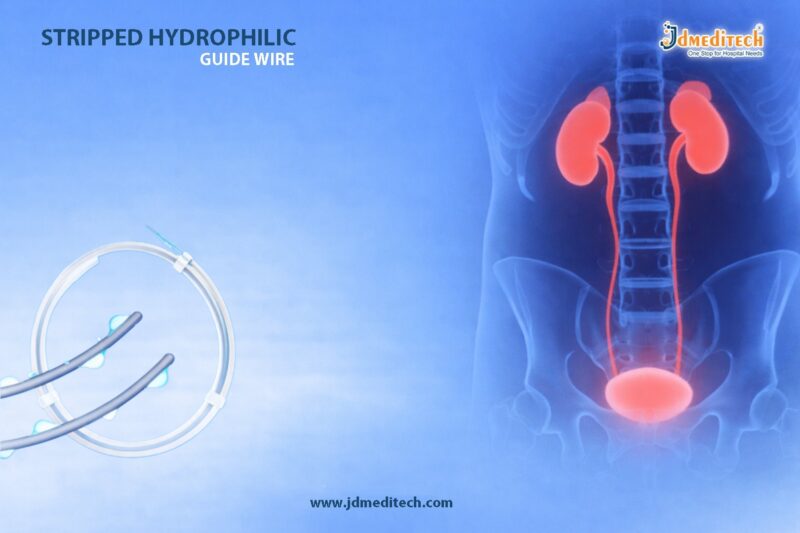
Stripped Hydrophilic Guide Wire – Smooth Urological Access

The Stripped Hydrophilic Guide Wire is an essential medical device designed to provide smooth navigation for urological access during minimally invasive procedures. Urologists rely on the stripped hydrophilic guide wire to achieve precise entry into the urinary tract while minimizing trauma and resistance.

With advanced coating technology and a flexible core, the stripped hydrophilic guide wire ensures seamless movement through complex anatomical pathways. As a result, it plays a crucial role in improving procedural success rates and patient outcomes.

What is a Stripped Hydrophilic Guide Wire?

A stripped hydrophilic guide wire is a specialized wire used in urology to guide catheters, stents, and other instruments into the urinary system. It features a hydrophilic coating that becomes slippery when activated with fluid, allowing smooth insertion.

Unlike conventional wires, the stripped hydrophilic guide wire has a partially uncoated (stripped) section, which enhances grip and control during handling. Therefore, it offers the perfect balance between lubricity and maneuverability.

Key Features of Stripped Hydrophilic Guide Wire
1. Hydrophilic Coating for Smooth Navigation

The hydrophilic surface of the stripped hydrophilic guide wire reduces friction significantly. Consequently, it enables easy passage through narrow or obstructed urinary tracts.

2. Stripped Section for Better Control

The stripped portion of the stripped hydrophilic guide wire provides improved handling. Moreover, it allows clinicians to maintain a firm grip during delicate procedures.

3. Excellent Flexibility and Control

The stripped hydrophilic guide wire offers excellent flexibility and control, making it suitable for navigating complex anatomies.

4. Kink Resistance

Designed with a strong core, the stripped hydrophilic guide wire resists kinking. Thus, it maintains stability even in challenging situations.

5. Radiopaque Tip

The stripped hydrophilic guide wire often includes a radiopaque tip. Hence, it ensures clear visibility under fluoroscopy for accurate placement.

Applications of Stripped Hydrophilic Guide Wire in Urology

The stripped hydrophilic guide wire is widely used in various urological procedures:

  • Ureteroscopy procedures
  • Stone removal surgeries
  • Stent placement
  • Catheter insertion
  • Percutaneous nephrolithotomy (PCNL)

Because of its versatility, the stripped hydrophilic guide wire is a preferred choice for both routine and complex interventions.

Advantages of Using Stripped Hydrophilic Guide Wire
1. Reduced Patient Discomfort

The smooth coating of the stripped hydrophilic guide wire minimizes friction. Therefore, patients experience less discomfort during insertion.

2. Enhanced Procedural Efficiency

The stripped hydrophilic guide wire allows faster and more accurate navigation, improving overall procedural efficiency.

3. Lower Risk of Trauma

Due to its atraumatic design, the stripped hydrophilic guide wire reduces the risk of tissue injury.

4. Superior Control for Surgeons

The combination of hydrophilic coating and stripped section gives surgeons better control when using the stripped hydrophilic guide wire.

Why Choose JDMeditech Stripped Hydrophilic Guide Wire?

At JDMeditech, we manufacture high-quality stripped hydrophilic guide wire products that meet international medical standards. Our guide wires are designed with precision to ensure optimal performance in every procedure.

Key Benefits:
  • High-quality medical-grade materials
  • Advanced hydrophilic coating technology
  • Consistent performance and reliability
  • Designed for smooth urological access
  • Competitive pricing for global markets
Best Practices for Using Stripped Hydrophilic Guide Wire

To achieve optimal results with a stripped hydrophilic guide wire, follow these best practices:

  • Always activate the hydrophilic coating with sterile fluid
  • Handle the stripped section carefully for better grip
  • Use imaging guidance for precise placement
  • Avoid excessive force during insertion

By following these guidelines, clinicians can maximize the benefits of the stripped hydrophilic guide wire.

Conclusion

The Stripped Hydrophilic Guide Wire is a vital tool for modern urological procedures. Its unique design ensures smooth navigation for urological access, improved control, and enhanced patient safety.

As minimally invasive techniques continue to evolve, the stripped hydrophilic guide wire remains indispensable for achieving precise and efficient outcomes. Choosing a high-quality guide wire from trusted manufacturers like JDMeditech ensures reliability and superior performance in every procedure.


Explore More Product >>

Get Connected:

+91 79909 93062 | +91 63513 72032 | exports@jdmeditech.com
 

Colectomy Surgery – Safe Colon Removal Guide

Colectomy surgery is a life-saving procedure that involves removing part or all of the colon (large intestine). Doctors recommend colectomy surgery when diseases like colon cancer, inflammatory bowel disease, or severe infections damage the colon.

With advances in modern surgical techniques, colectomy surgery has become safer and more effective. As a result, patients experience improved digestive function and a better quality of life after recovery.

What is Colectomy Surgery?

Colectomy surgery refers to the surgical removal of the colon, either partially or completely. Surgeons perform colectomy surgery to eliminate diseased sections and restore normal bowel function.

Depending on the condition, doctors may perform:

  • Partial Colectomy – Removes only the affected section
  • Total Colectomy – Removes the entire colon
  • Hemicolectomy – Removes either the left or right side of the colon
  • Proctocolectomy – Removes both colon and rectum

Each type of colectomy surgery depends on the severity and location of the disease.

When is Colectomy Surgery Required?

Doctors recommend colectomy surgery in several medical conditions:

1. Colon Cancer

One of the most common reasons for colectomy surgery is the removal of cancerous tumors in the colon.

2. Ulcerative Colitis

Chronic inflammation may require colectomy surgery when medications fail.

3. Crohn’s Disease

Severe complications can make colectomy surgery necessary.

4. Diverticulitis

Recurrent infections may lead to the need for colectomy surgery.

5. Bowel Obstruction

Blocked intestines sometimes require emergency colectomy surgery.

Types of Colectomy Surgery Procedures
Open Colectomy Surgery

In this traditional approach, surgeons make a large incision in the abdomen to perform colectomy surgery.

Laparoscopic Colectomy Surgery

This minimally invasive technique uses small incisions and a camera, making colectomy surgery less painful with faster recovery.

Robotic Colectomy Surgery

Advanced robotic systems improve precision during colectomy surgery, offering better outcomes.

Step-by-Step Colectomy Surgery Procedure

Understanding the process of colectomy surgery helps reduce patient anxiety:

  1. Preoperative Preparation – Bowel cleansing and fasting
  2. Anesthesia Administration – General anesthesia is given
  3. Colon Removal – Diseased section is removed during colectomy surgery
  4. Reconnection (Anastomosis) – Healthy parts are joined
  5. Closure – Incisions are closed carefully

In some cases, surgeons may create a temporary or permanent colostomy after colectomy surgery.

Benefits of Colectomy Surgery

Colectomy surgery provides several important benefits:

  • Removes cancerous or diseased tissue
  • Relieves severe abdominal pain
  • Improves digestive function
  • Prevents disease progression
  • Enhances overall quality of life

Because of these advantages, colectomy surgery remains a highly effective treatment option.

Risks and Complications of Colectomy Surgery

Although colectomy surgery is generally safe, some risks include:

  • Infection
  • Bleeding
  • Anastomotic leakage
  • Blood clots
  • Temporary digestive issues

However, experienced surgeons minimize complications in colectomy surgery.

Recovery After Colectomy Surgery

Recovery from colectomy surgery depends on the surgical method:

  • Hospital Stay : 3–7 days
  • Diet : Gradual transition from liquids to solids
  • Activity : Light activity after a few weeks
  • Full Recovery : 4–8 weeks

Following medical advice ensures faster healing after colectomy surgery.

Lifestyle After Colectomy Surgery

Patients can lead a normal life after colectomy surgery by:

  • Eating a balanced diet
  • Staying hydrated
  • Avoiding heavy lifting initially
  • Following regular medical check-ups

Proper care helps maintain long-term success after colectomy surgery.

Latest Advances in Colectomy Surgery

Modern innovations have improved colectomy surgery, including:

  • Minimally invasive laparoscopic techniques
  • Robotic-assisted precision surgery
  • Enhanced recovery protocols
  • Better post-operative care

These advancements make colectomy surgery safer and more effective than ever.

Conclusion

Colectomy surgery plays a crucial role in treating serious colon diseases. By removing the damaged portion of the colon, colectomy surgery restores digestive health and improves patient outcomes.

With modern surgical techniques and proper post-operative care, colectomy surgery offers a reliable path to recovery and long-term wellness.


Explore More Product >>

Get Connected:

+91 79909 93062 | +91 63513 72032 | exports@jdmeditech.com

 

Left Atrial Appendage Closure Procedure for Stroke Prevention

The Left Atrial Appendage Closure Procedure has emerged as a modern cardiac solution for preventing stroke in patients with atrial fibrillation. This advanced technique offers a safe and minimally invasive alternative to long-term blood thinner therapy.

Atrial fibrillation increases the risk of blood clot formation in the heart. Most clots originate in the left atrial appendage. Therefore, the Left Atrial Appendage Closure Procedure plays a critical role in reducing stroke risk effectively.

What is the Left Atrial Appendage Closure Procedure?

The Left Atrial Appendage Closure Procedure is a minimally invasive cardiac intervention that seals off the left atrial appendage. This prevents blood clots from entering the bloodstream and causing stroke.

Doctors typically recommend this procedure for patients who cannot tolerate anticoagulant medications. The Left Atrial Appendage Closure Procedure ensures long-term protection without the risks of bleeding associated with blood thinners.

Why is the Left Atrial Appendage Closure Procedure Important?
Left Atrial Appendage Closure Procedure for Stroke Prevention

The Left Atrial Appendage Closure Procedure significantly lowers stroke risk in patients with atrial fibrillation. Since the appendage is the main source of clot formation, closing it provides direct protection.

Reduced Dependency on Blood Thinners

Patients undergoing the Left Atrial Appendage Closure Procedure often reduce or eliminate the need for anticoagulants. This minimizes complications like internal bleeding.

Improved Quality of Life

With the Left Atrial Appendage Closure Procedure, patients experience fewer restrictions and better long-term cardiac health outcomes.

How the Left Atrial Appendage Closure Procedure Works

The Left Atrial Appendage Closure Procedure involves inserting a catheter through a vein in the groin. The device is guided to the heart and placed in the left atrial appendage.

Once deployed, the device seals the appendage completely. Over time, heart tissue grows over the device, ensuring permanent closure after the Left Atrial Appendage Closure Procedure.

Step-by-Step Left Atrial Appendage Closure Procedure
  1. Patient preparation and anesthesia
  2. Catheter insertion via femoral vein
  3. Guided imaging using fluoroscopy and echocardiography
  4. Device placement in the appendage
  5. Confirmation of proper sealing
  6. Removal of catheter and recovery

Each step in the Left Atrial Appendage Closure Procedure is performed with precision to ensure safety and effectiveness.

Benefits of the Left Atrial Appendage Closure Procedure
  • Minimally invasive approach
  • Reduced stroke risk
  • Lower bleeding risk compared to anticoagulants
  • Short recovery time
  • Long-term protection

The Left Atrial Appendage Closure Procedure offers a reliable solution for patients seeking safer stroke prevention methods.

Risks and Considerations

Although the Left Atrial Appendage Closure Procedure is generally safe, some risks may include:

  • Device-related complications
  • Infection
  • Bleeding at the insertion site
  • Rare procedural complications

However, experienced cardiologists significantly reduce these risks during the Left Atrial Appendage Closure Procedure.

Who Should Consider the Left Atrial Appendage Closure Procedure?

The Left Atrial Appendage Closure Procedure is ideal for:

  • Patients with atrial fibrillation
  • Individuals at high risk of stroke
  • Patients intolerant to blood thinners
  • Those with a history of bleeding complications

Consultation with a specialist determines suitability for the Left Atrial Appendage Closure Procedure.

Recovery After the Left Atrial Appendage Closure Procedure

Recovery after the Left Atrial Appendage Closure Procedure is typically quick. Most patients return home within a day or two.

Doctors recommend follow-up imaging to ensure proper device placement. Patients may take short-term medication after the Left Atrial Appendage Closure Procedure.

Conclusion

The Left Atrial Appendage Closure Procedure represents a breakthrough in modern cardiac care. It provides an effective, minimally invasive solution for stroke prevention in atrial fibrillation patients.

With its proven safety and long-term benefits, the Left Atrial Appendage Closure Procedure continues to transform how cardiologists manage stroke risk.


Explore More Product >>

Get Connected:

+91 79909 93062 | +91 63513 72032 | exports@jdmeditech.com