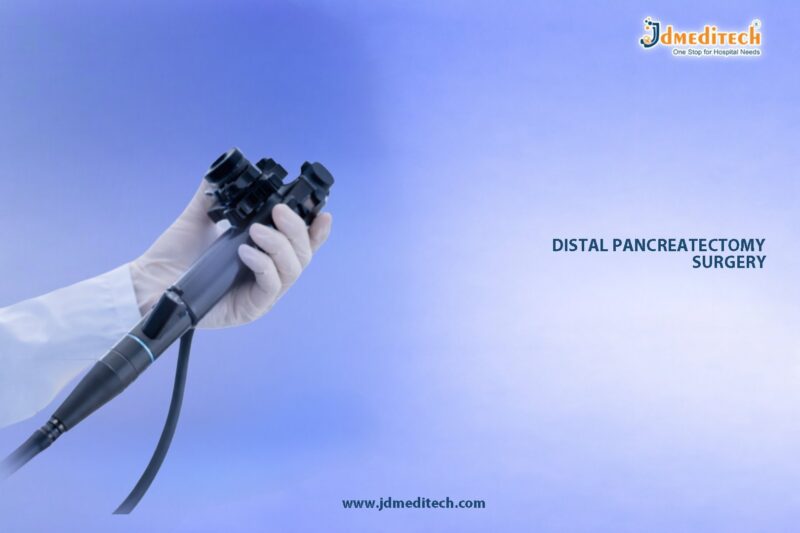
Distal Pancreatectomy – Surgical Removal of the Pancreas Tail

Distal pancreatectomy is a specialized surgical procedure used to remove the tail of the pancreas. Surgeons perform distal pancreatectomy mainly to treat tumors, cysts, or chronic pancreatic conditions affecting the distal portion of the gland.

Moreover, distal pancreatectomy plays a crucial role in modern gastroenterological surgery. It helps patients achieve better outcomes when less invasive treatments are not effective.

What Is Distal Pancreatectomy?

Distal pancreatectomy refers to the surgical removal of the body and tail of the pancreas. In many cases, surgeons also remove the spleen during distal pancreatectomy, depending on the disease condition.

In addition, distal pancreatectomy can be performed using:

  • Open surgery
  • Laparoscopic techniques
  • Robotic-assisted procedures

Therefore, the choice of technique depends on the patient’s condition and the surgeon’s expertise.

Why Is Distal Pancreatectomy Performed?

Doctors recommend distal pancreatectomy for several medical conditions. Most importantly, distal pancreatectomy helps in removing diseased pancreatic tissue effectively.

Common Indications Include:
  • Pancreatic tumors (benign or malignant)
  • Pancreatic cysts
  • Neuroendocrine tumors
  • Chronic pancreatitis
  • Trauma to the pancreas

Furthermore, early intervention with distal pancreatectomy can significantly improve survival rates in cancer patients.

Procedure of Distal Pancreatectomy

Distal pancreatectomy involves a series of carefully planned surgical steps.

Step-by-Step Process:
  1. The patient receives general anesthesia
  2. The surgeon makes an incision or inserts laparoscopic instruments
  3. The pancreas tail is identified and isolated
  4. Blood vessels supplying the pancreas are controlled
  5. The diseased portion is removed
  6. The surgical site is closed securely

In minimally invasive distal pancreatectomy, surgeons use small incisions. As a result, patients experience faster recovery and less postoperative pain.

Types of Distal Pancreatectomy

Distal pancreatectomy can be classified into different types based on surgical approach.

1. Open Distal Pancreatectomy

Surgeons perform this method through a large incision. It is suitable for complex cases.

2. Laparoscopic Distal Pancreatectomy

This minimally invasive approach uses small incisions and a camera. Therefore, it reduces recovery time.

3. Robotic Distal Pancreatectomy

This advanced technique offers greater precision and flexibility. Consequently, it improves surgical outcomes.

Benefits of Distal Pancreatectomy

Distal pancreatectomy offers several advantages for patients.

  • Effective removal of tumors
  • Minimally invasive options available
  • Faster recovery in laparoscopic cases
  • Reduced postoperative pain
  • Improved quality of life

Additionally, distal pancreatectomy allows precise removal of diseased tissue while preserving healthy structures.

Risks and Complications

Although distal pancreatectomy is generally safe, some risks may occur.

Possible Complications Include:
  • Pancreatic fistula
  • Infection
  • Bleeding
  • Delayed gastric emptying
  • Diabetes (in rare cases)

However, with modern techniques and experienced surgeons, the risk of complications is significantly reduced.

Recovery After Distal Pancreatectomy

Recovery after distal pancreatectomy varies depending on the surgical method.

Postoperative Care Includes:
  • Hospital stay of 5–10 days
  • Pain management
  • Gradual return to normal diet
  • Regular follow-up visits

Furthermore, patients undergoing laparoscopic distal pancreatectomy often recover faster compared to open surgery.

Distal Pancreatectomy vs Other Pancreatic Surgeries

Distal pancreatectomy differs from other pancreatic procedures.

  • Whipple Procedure : Removes the head of the pancreas
  • Total Pancreatectomy : Removes the entire pancreas

In contrast, distal pancreatectomy focuses only on the body and tail, making it less extensive in many cases.

Role of Advanced Surgical Instruments

Modern surgical instruments play a vital role in distal pancreatectomy procedures.

At JDMeditech, we provide high-quality medical devices designed for precision and safety in advanced surgeries. Our instruments support surgeons in achieving optimal outcomes in procedures like distal pancreatectomy.

Conclusion

Distal pancreatectomy is a highly effective surgical solution for treating diseases affecting the pancreas tail. With advancements in minimally invasive techniques, distal pancreatectomy has become safer and more efficient.

Therefore, early diagnosis and timely distal pancreatectomy can significantly improve patient outcomes and quality of life.


Explore More Product >>

+91 79909 93062 | +91 63513 72032 | exports@jdmeditech.com

 

Cardiac Sympathectomy for Severe Heart Arrhythmias

Heart arrhythmias can disrupt normal cardiac function and, in severe cases, become life-threatening. While medications and catheter-based treatments often help, some patients continue to experience uncontrolled irregular heart rhythms. In such cases, Cardiac Sympathectomy offers an effective surgical solution.

This advanced procedure targets the sympathetic nerves responsible for triggering abnormal heart rhythms. As a result, it helps reduce arrhythmia episodes and improves patient outcomes.

What is Cardiac Sympathectomy?

Cardiac Sympathectomy is a minimally invasive surgical procedure that interrupts specific sympathetic nerves supplying the heart. These nerves play a key role in regulating heart rate and rhythm.

By reducing excessive nerve stimulation, the procedure helps stabilize the heart’s electrical activity. Therefore, it is especially beneficial for patients with refractory or life-threatening arrhythmias.

Why is Cardiac Sympathectomy Performed?

Doctors recommend Cardiac Sympathectomy when other treatments fail to control arrhythmias effectively. It is particularly useful in conditions such as:

  • Ventricular tachycardia (VT)
  • Long QT syndrome
  • Catecholaminergic polymorphic ventricular tachycardia (CPVT)
  • Recurrent arrhythmias despite medication
  • Patients not responding to implantable cardioverter-defibrillator (ICD) therapy

Moreover, this procedure reduces the frequency of sudden cardiac events, making it a critical intervention in high-risk patients.

How Does Cardiac Sympathectomy Work?

The procedure focuses on removing or disabling portions of the sympathetic nerve chain. Typically, surgeons perform it using video-assisted thoracoscopic surgery (VATS).

Step-by-Step Procedure:
  1. The patient receives general anesthesia
  2. Small incisions are made in the chest
  3. A thoracoscope (camera) is inserted
  4. The surgeon identifies the sympathetic nerves
  5. Selected nerve segments are removed or interrupted
  6. Incisions are closed after ensuring stability

Because of its minimally invasive nature, recovery is usually faster compared to open surgery.

Benefits of Cardiac Sympathectomy

Cardiac Sympathectomy provides several important benefits:

  • Reduces frequency of arrhythmia episodes
  • Lowers risk of sudden cardiac death
  • Improves effectiveness of ICD therapy
  • Minimally invasive with quicker recovery
  • Enhances quality of life

Additionally, it offers long-term relief for patients with drug-resistant arrhythmias.

Risks and Considerations

Although Cardiac Sympathectomy is generally safe, some risks may occur:

  • Infection or bleeding
  • Pneumothorax (collapsed lung)
  • Temporary nerve-related effects
  • Compensatory sweating

However, experienced surgeons significantly reduce these risks, ensuring better outcomes.

Recovery After Cardiac Sympathectomy

Recovery is typically smooth and quick. Most patients:

  • Stay in the hospital for 1–3 days
  • Resume normal activities within 1–2 weeks
  • Experience reduced arrhythmia symptoms over time

Follow-up care remains essential to monitor heart rhythm and overall progress.

Who is a Suitable Candidate?

Not all patients require Cardiac Sympathectomy. Doctors carefully evaluate candidates based on:

  • Severity of arrhythmia
  • Response to medications
  • Risk of sudden cardiac arrest
  • Overall health condition

Therefore, a cardiologist and cardiac surgeon work together to determine suitability.

Conclusion

Cardiac Sympathectomy stands as a life-saving surgical option for patients suffering from severe and resistant heart arrhythmias. When conventional treatments fail, this procedure provides a reliable way to control abnormal heart rhythms and reduce life-threatening risks.

With advancements in minimally invasive techniques, Cardiac Sympathectomy continues to improve patient outcomes and offers renewed hope for individuals with complex cardiac conditions.


Explore More Product >>

Get Connected:

+91 79909 93062 | +91 63513 72032 | exports@jdmeditech.com
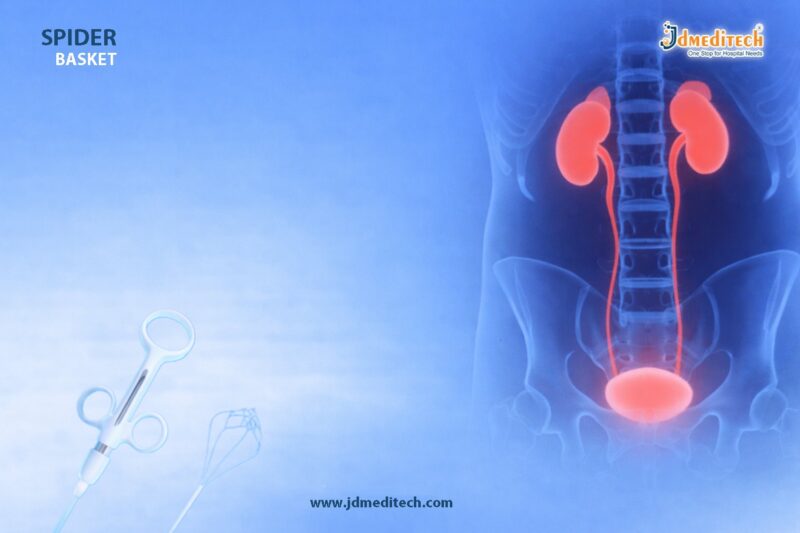
Spider Basket for Stone Retrieval in Urology

The Spider Basket plays a crucial role in modern urology. It is widely used for stone retrieval during minimally invasive procedures, especially in ureteroscopy. Because of its unique design, the Spider Basket ensures secure stone capture, precise control, and reduced trauma to surrounding tissues.

As urological procedures continue to evolve, surgeons rely on tools like the Spider Basket to improve efficiency and patient outcomes. Therefore, understanding its features and benefits is essential for healthcare professionals.

What is a Spider Basket?

A Spider Basket is a specialized urological device designed to capture and retrieve stones from the urinary tract. It consists of flexible wires arranged in a basket-like structure, allowing it to open and close smoothly inside the ureter or kidney.

Moreover, the Spider Basket is commonly used in:

  • Ureteroscopy procedures
  • Kidney stone removal
  • Minimally invasive endourological surgeries

Because of its flexible and expandable design, the Spider Basket can easily adapt to different stone sizes and shapes.

Key Features of Spider Basket

The Spider Basket offers several advanced features that enhance its performance:

1. Flexible Multi-Wire Design

The basket wires expand like a spider web, ensuring maximum stone capture efficiency.

2. Strong Grip on Stones

It provides a firm hold, which reduces the risk of stone slippage during retrieval.

3. Smooth Opening and Closing Mechanism

Surgeons can control the basket precisely, improving procedural accuracy.

4. Minimally Invasive Operation

Its design reduces trauma to the urinary tract, leading to faster patient recovery.

5. Compatibility with Endoscopic Instruments

The Spider Basket works seamlessly with ureteroscopes and other endourology tools.

Applications of Spider Basket in Urology
The Spider Basket is widely used in various urological procedures:
Ureteral Stone Retrieval
It helps in capturing and removing stones from the ureter safely.
Kidney Stone Extraction

During flexible ureteroscopy, the Spider Basket retrieves stones from the renal pelvis.

Fragment Removal After Lithotripsy

After laser lithotripsy, the Spider Basket collects broken stone fragments efficiently.

Diagnostic and Therapeutic Procedures

It assists in both diagnosis and treatment within the urinary system.

Advantages of Using Spider Basket

Using a Spider Basket provides multiple benefits:

  • Ensures high precision stone retrieval
  • Reduces risk of tissue damage
  • Improves procedure success rate
  • Enhances surgeon control and visibility
  • Supports faster recovery for patients

Additionally, the Spider Basket minimizes complications, making it a preferred choice in modern urology.

Procedure: How Spider Basket is Used

During a urological procedure:

  1. The surgeon inserts a ureteroscope into the urinary tract.
  2. The Spider Basket is advanced through the working channel.
  3. The basket opens around the stone.
  4. The surgeon captures the stone securely.
  5. The basket is carefully withdrawn along with the stone.

As a result, the procedure becomes efficient and minimally invasive.

Why Choose Spider Basket from JDMeditech?

At JDMeditech, we offer high-quality Spider Basket solutions designed for precision and reliability.

Our Key Highlights:
  • Premium-grade materials
  • Excellent flexibility and durability
  • Ergonomic design for easy handling
  • Strict quality control standards
Maintenance and Handling Tips

To ensure optimal performance of the Spider Basket:

  • Always sterilize before use
  • Handle gently to avoid wire damage
  • Store in a dry, clean environment
  • Follow manufacturer guidelines strictly

Proper handling increases both device lifespan and safety.

Conclusion

The Spider Basket is an advanced stone retrieval tool for urological procedures, offering precision, safety, and efficiency. With its innovative design and reliable performance, it has become an essential instrument in modern endourology.

As minimally invasive techniques continue to grow, the Spider Basket remains a trusted solution for effective stone management.


Explore More Product >>

+91 79909 93062 | +91 63513 72032 | exports@jdmeditech.com
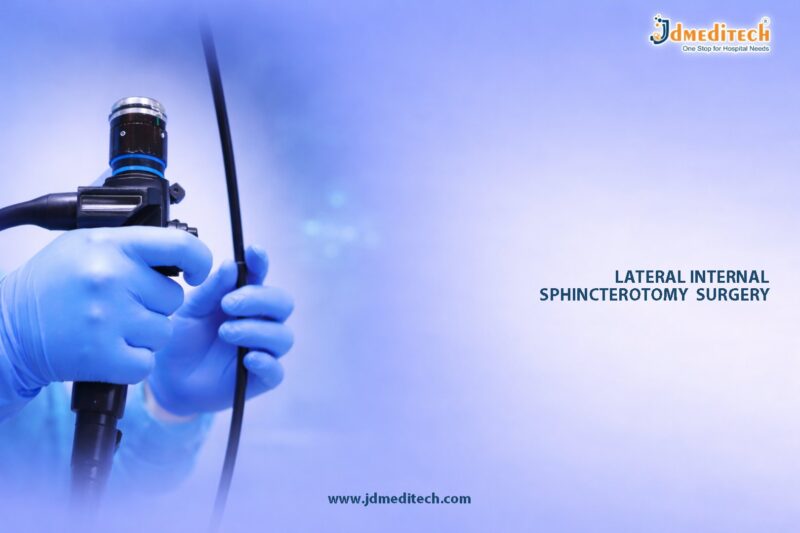
Lateral Internal Sphincterotomy – Best Surgery for Chronic Anal Fissures

Lateral Internal Sphincterotomy is a widely accepted and highly effective surgical procedure used to treat chronic anal fissures. When conservative treatments fail, this procedure provides long-term relief by reducing anal sphincter pressure and promoting healing.

In this blog, we will explore everything about Lateral Internal Sphincterotomy, including its procedure, benefits, indications, and recovery.

What is Lateral Internal Sphincterotomy?

Lateral Internal Sphincterotomy is a minor surgical procedure in which a small portion of the internal anal sphincter muscle is carefully divided. As a result, muscle tension decreases, blood flow improves, and the fissure heals naturally.

This procedure is considered the gold standard treatment for chronic anal fissures due to its high success rate and low recurrence.

Understanding Chronic Anal Fissures

Chronic anal fissures are small tears in the lining of the anal canal that persist for more than 6 weeks. They often cause:

  • Severe pain during bowel movements
  • Bleeding
  • Burning sensation
  • Spasm of the anal sphincter

When these symptoms persist, Lateral Internal Sphincterotomy becomes the most reliable solution.

Indications for Lateral Internal Sphincterotomy

Doctors recommend Lateral Internal Sphincterotomy in the following cases:

  • Chronic anal fissures not responding to medication
  • Recurrent fissures
  • Severe sphincter spasm
  • Persistent pain affecting quality of life

Therefore, this procedure is ideal when non-surgical treatments fail.

Procedure of Lateral Internal Sphincterotomy

The Lateral Internal Sphincterotomy procedure is simple and typically performed under local or general anesthesia.

Step-by-Step Overview
  1. The patient is positioned comfortably
  2. A small incision is made near the anal region
  3. The internal sphincter muscle is partially divided
  4. The incision is either left open or closed with sutures

The entire Lateral Internal Sphincterotomy procedure usually takes 15–30 minutes.

Benefits of Lateral Internal Sphincterotomy

Lateral Internal Sphincterotomy offers several advantages:

  • High success rate (over 90%)
  • Rapid pain relief
  • Minimal recurrence
  • Quick recovery time
  • Improved blood flow for healing

Moreover, it significantly improves patient comfort and quality of life.

Risks and Complications

Although Lateral Internal Sphincterotomy is safe, some risks may include:

  • Minor bleeding
  • Infection
  • Temporary incontinence (rare)
  • Delayed wound healing

However, these complications are uncommon when performed by experienced surgeons.

Recovery After Lateral Internal Sphincterotomy

Recovery after Lateral Internal Sphincterotomy is generally smooth.

Post-Surgery Care
  • Maintain proper hygiene
  • Take sitz baths regularly
  • Follow a high-fiber diet
  • Stay hydrated
  • Avoid straining during bowel movements

Most patients return to normal activities within a few days.

Why Lateral Internal Sphincterotomy is the Gold Standard

Lateral Internal Sphincterotomy remains the preferred treatment because:

  • It directly addresses the root cause (muscle spasm)
  • It ensures long-term healing
  • It reduces recurrence significantly

Therefore, it is trusted worldwide by surgeons and patients alike.

Medical Equipment Used in the Procedure

For performing Lateral Internal Sphincterotomy, surgeons rely on precision instruments such as:

  • Surgical blades
  • Forceps
  • Retractors
  • Suturing materials

High-quality surgical instruments, like those offered by JDMeditech, ensure safety, accuracy, and optimal surgical outcomes.

Conclusion

Lateral Internal Sphincterotomy is a safe, effective, and trusted surgical solution for chronic anal fissures. With its high success rate and quick recovery, it offers long-lasting relief for patients who do not respond to conservative treatments.

If you are dealing with persistent anal fissures, consulting a specialist for Lateral Internal Sphincterotomy can be a life-changing decision.

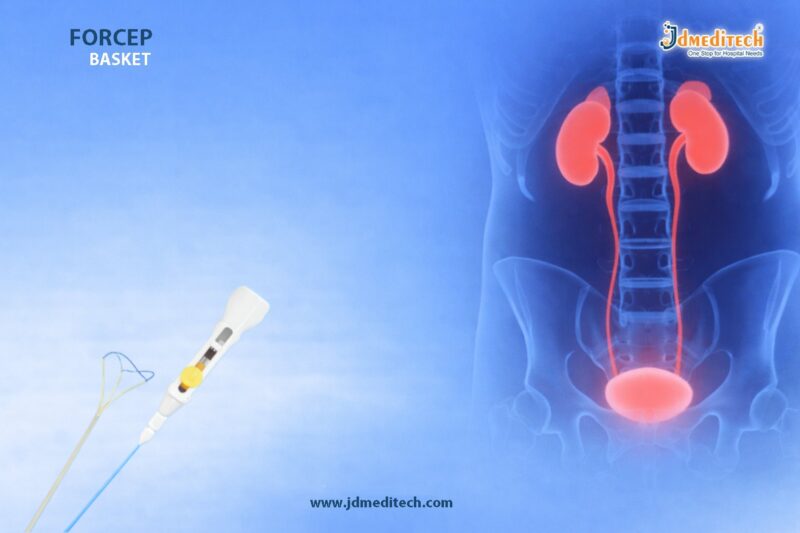
Forcep Basket for Stone Retrieval – Versatile Urology Tool

The Forcep Basket for Stone Retrieval is an essential device in modern urology. It helps surgeons remove stones safely and efficiently from the urinary tract. As minimally invasive procedures continue to grow, the Forcep Basket for Stone Retrieval has become a preferred choice.

Moreover, this device improves precision and reduces complications. As a result, patients experience faster recovery and less discomfort. Therefore, many urologists rely on the Forcep Basket for Stone Retrieval for effective stone management.

What is a Forcep Basket for Stone Retrieval?

A Forcep Basket for Stone Retrieval is a specialized instrument used to capture and extract urinary stones. It combines a flexible basket with a forcep-like control mechanism.

In addition, the Forcep Basket for Stone Retrieval allows smooth navigation through the urinary tract. Because of this, it works effectively in ureteroscopy and cystoscopy procedures.

Key Features of Forcep Basket for Stone Retrieval

The Forcep Basket for Stone Retrieval offers several important features that enhance performance:

Flexible Construction

It uses durable materials like nitinol or stainless steel. Therefore, it ensures both strength and flexibility.

Secure Stone Capture

The basket design allows the Forcep Basket for Stone Retrieval to hold stones firmly during removal.

Smooth Navigation

Its ergonomic structure ensures easy insertion and precise control.

Multiple Size Options

Different sizes of Forcep Basket for Stone Retrieval are available for various stone types.

Minimally Invasive Use

It supports less invasive procedures, which improves patient safety.

Applications in Urology

The Forcep Basket for Stone Retrieval is widely used in different procedures.

Ureteroscopy

During ureteroscopy, the Forcep Basket for Stone Retrieval removes stones from the ureter with precision.

Kidney Stone Removal

It helps extract stones from the kidney without damaging surrounding tissue.

Bladder Stone Extraction

Surgeons use the Forcep Basket for Stone Retrieval to safely remove bladder stones.

Post-Lithotripsy Procedures

After stone fragmentation, it collects remaining fragments efficiently.

Advantages of Forcep Basket for Stone Retrieval

The Forcep Basket for Stone Retrieval provides multiple advantages:

  • Improves surgical accuracy
  • Reduces tissue trauma
  • Enhances stone removal efficiency
  • Supports minimally invasive techniques
  • Promotes faster patient recovery

Furthermore, the Forcep Basket for Stone Retrieval increases overall procedural success.

How Does Forcep Basket for Stone Retrieval Work?

The Forcep Basket for Stone Retrieval follows a simple process:

  1. The device enters through an endoscope
  2. The basket opens near the stone
  3. The Forcep Basket for Stone Retrieval captures the stone
  4. The basket closes securely
  5. The surgeon removes the device carefully

Thus, the process ensures safe and controlled extraction.

Why Choose a High-Quality Forcep Basket for Stone Retrieval?

Choosing a reliable Forcep Basket for Stone Retrieval improves outcomes. High-quality devices provide better control and durability.

At JDMeditech, we design each Forcep Basket for Stone Retrieval with precision. Therefore, our products meet global quality standards and clinical needs.

Maintenance and Handling Tips

Proper handling of the Forcep Basket for Stone Retrieval ensures long-term performance:

  • Clean and sterilize before use
  • Inspect the device regularly
  • Avoid excessive force
  • Store in a dry environment

By following these steps, the Forcep Basket for Stone Retrieval remains effective.

Future Trends

The Forcep Basket for Stone Retrieval continues to evolve. New designs improve flexibility and safety.

For example, manufacturers now develop disposable versions. In addition, advanced materials enhance durability. Therefore, the Forcep Basket for Stone Retrieval will remain a key tool in urology.

Conclusion

The Forcep Basket for Stone Retrieval is a versatile and reliable device for stone removal. It supports safe, efficient, and minimally invasive procedures.

As technology advances, the Forcep Basket for Stone Retrieval will continue to improve patient care and surgical outcomes.


Explore More Product >>

Get Connected:

+91 79909 93062 | +91 63513 72032 | exports@jdmeditech.com
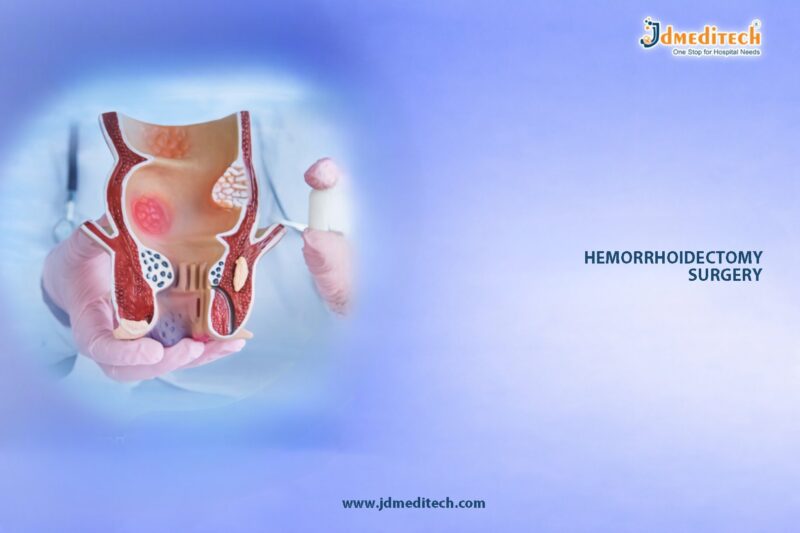
Hemorrhoidectomy – A Surgical Solution for Hemorrhoids

Hemorrhoidectomy is a highly effective surgical solution for hemorrhoids that provides long-term relief from severe or recurring symptoms. When non-surgical treatments fail, hemorrhoidectomy becomes the most reliable option for patients suffering from painful, bleeding, or prolapsed hemorrhoids.

In this blog, we will explore hemorrhoidectomy, its procedure, benefits, recovery, and why it remains a trusted surgical solution for hemorrhoids.

What is Hemorrhoidectomy?

Hemorrhoidectomy is a surgical procedure used to remove hemorrhoids, which are swollen veins located in the lower rectum or anus. This surgical solution for hemorrhoids is typically recommended for advanced cases where conservative treatments do not work.

Hemorrhoidectomy directly removes the affected tissue, ensuring permanent relief and reducing the chances of recurrence.

Types of Hemorrhoids Treated by Hemorrhoidectomy

Hemorrhoidectomy is used to treat different types of hemorrhoids, including:

  • Internal Hemorrhoids : Located inside the rectum and may cause bleeding
  • External Hemorrhoids : Found under the skin around the anus and often painful
  • Prolapsed Hemorrhoids : Hemorrhoids that protrude outside the anus
  • Thrombosed Hemorrhoids : Hemorrhoids with blood clots causing severe pain

In all these cases, hemorrhoidectomy serves as a definitive surgical solution for hemorrhoids.

When is Hemorrhoidectomy Needed?

Doctors recommend hemorrhoidectomy when:

  • Hemorrhoids cause persistent pain and bleeding
  • Non-surgical treatments fail to provide relief
  • Hemorrhoids become prolapsed or thrombosed
  • There is recurrent infection or irritation
  • Daily activities are affected due to discomfort

In such conditions, hemorrhoidectomy offers a permanent surgical solution for hemorrhoids.

Hemorrhoidectomy Procedure

The hemorrhoidectomy procedure is performed under local, spinal, or general anesthesia. It involves the following steps:

  1. Preparation : The patient is positioned appropriately, and anesthesia is administered
  2. Excision : The surgeon carefully removes the swollen hemorrhoidal tissue
  3. Closure : The wound may be left open (open hemorrhoidectomy) or closed with sutures (closed hemorrhoidectomy)
  4. Recovery Monitoring : The patient is monitored before discharge

Modern hemorrhoidectomy techniques ensure precision, safety, and minimal complications.

Benefits of Hemorrhoidectomy

Hemorrhoidectomy offers several advantages as a surgical solution for hemorrhoids:

  • Permanent Relief : Removes hemorrhoids completely
  • Low Recurrence Rate : Long-lasting results
  • Improved Comfort :  Eliminates pain, itching, and irritation
  • Effective for Severe Cases : Ideal for advanced hemorrhoids
  • Better Quality of Life : Restores normal daily activities
Recovery After Hemorrhoidectomy

Recovery from hemorrhoidectomy usually takes a few weeks. Patients may experience mild discomfort, but proper care ensures smooth healing.

Post-Surgery Care Tips:
  • Maintain proper hygiene
  • Follow a high-fiber diet
  • Stay hydrated
  • Avoid straining during bowel movements
  • Take prescribed medications

Most patients recover fully and experience significant improvement in symptoms after hemorrhoidectomy.

Risks and Complications

Like any surgery, hemorrhoidectomy may have some risks, including:

  • Pain or discomfort
  • Bleeding
  • Infection
  • Temporary difficulty in bowel movements

However, with proper medical care, hemorrhoidectomy remains a safe surgical solution for hemorrhoids.

Hemorrhoidectomy vs Non-Surgical Treatments

While non-surgical treatments like medications, dietary changes, or rubber band ligation can help in early stages, they may not provide permanent relief.

Hemorrhoidectomy stands out as the most effective surgical solution for hemorrhoids, especially in severe or recurrent cases.

Conclusion

Hemorrhoidectomy is a proven surgical solution for hemorrhoids that ensures long-term relief and improved quality of life. For patients dealing with severe symptoms, this procedure offers a reliable and permanent treatment option.

If you are experiencing persistent hemorrhoid issues, consulting a specialist for hemorrhoidectomy can be the right step toward recovery.


Explore More Product >>

+91 79909 93062 | +91 63513 72032 | exports@jdmeditech.com
Tumor Removal Surgery – Safe & Effective Treatment for Abnormal Growths

Tumor removal surgery plays a critical role in modern healthcare. It offers a reliable way to eliminate abnormal growths from the body. These growths, commonly known as tumors, can be benign or malignant. Therefore, early detection and timely tumor removal surgery are essential for better outcomes.

In many cases, tumor removal surgery not only relieves symptoms but also prevents the spread of cancer. As medical technology advances, surgeons now perform tumor removal surgery with greater precision and minimal invasiveness.

What is Tumor Removal Surgery?

Tumor removal surgery refers to a medical procedure used to remove abnormal tissue growth from the body. Doctors recommend tumor removal surgery when a tumor causes pain, disrupts organ function, or shows signs of malignancy.

Surgeons aim to remove the entire tumor while preserving as much healthy tissue as possible. In addition, tumor removal surgery often works alongside other treatments such as chemotherapy or radiation therapy.

Types of Tumors Treated with Tumor Removal Surgery

Tumor removal surgery treats a wide range of abnormal growths. These include:

  • Benign tumors : Non-cancerous growths that may still cause complications
  • Malignant tumors : Cancerous growths that require urgent tumor removal surgery
  • Precancerous tumors : Abnormal cells that may develop into cancer
  • Solid tumors : Found in organs like the liver, lungs, brain, or kidneys

Because each case differs, doctors choose tumor removal surgery based on tumor size, location, and type.

Common Techniques Used in Tumor Removal Surgery

Modern tumor removal surgery includes several advanced techniques. These methods improve safety and recovery.

1. Open Surgery

Surgeons make a larger incision to access and remove the tumor. This method suits complex or large tumors.

2. Minimally Invasive Surgery

This tumor removal surgery uses small incisions and specialized tools. It reduces pain and speeds up recovery.

3. Laparoscopic Surgery

Doctors use a camera and thin instruments to perform tumor removal surgery with high precision.

4. Robotic-Assisted Surgery

Robotic systems enhance control and accuracy during tumor removal surgery.

Benefits of Tumor Removal Surgery

Tumor removal surgery offers several important benefits:

  • Eliminates abnormal growths effectively
  • Prevents cancer progression
  • Relieves pain and discomfort
  • Improves organ function
  • Enhances quality of life

Moreover, early tumor removal surgery increases survival rates significantly.

Risks and Considerations

Although tumor removal surgery is generally safe, some risks may occur:

  • Infection
  • Bleeding
  • Damage to surrounding tissues
  • Recurrence of tumor

However, experienced surgeons minimize these risks through advanced techniques and careful planning.

Recovery After Tumor Removal Surgery

Recovery after tumor removal surgery depends on the procedure type and patient condition. Most patients experience faster healing with minimally invasive techniques.

Post-Surgery Care Includes:
  • Regular follow-up visits
  • Medication management
  • Proper wound care
  • Balanced diet and rest

Patients should follow medical advice closely to ensure smooth recovery after tumor removal surgery.

When is Tumor Removal Surgery Necessary?

Doctors recommend tumor removal surgery when:

  • The tumor grows rapidly
  • It causes pain or discomfort
  • It affects organ function
  • There is a risk of cancer

In such cases, timely tumor removal surgery becomes essential for long-term health.

Future of Tumor Removal Surgery

The future of tumor removal surgery looks promising. Innovations such as robotic surgery, AI-assisted diagnostics, and image-guided procedures continue to improve outcomes.

As a result, tumor removal surgery becomes safer, faster, and more effective for patients worldwide.

Conclusion

Tumor removal surgery remains one of the most effective solutions for treating abnormal growths. It not only removes harmful tumors but also protects overall health. With advancements in medical technology, tumor removal surgery continues to evolve and deliver better results.

If detected early, tumor removal surgery can be life-saving. Therefore, regular check-ups and timely medical intervention are crucial.


Explore More Product >>

Get Connected:

+91 79909 93062 | +91 63513 72032 | exports@jdmeditech.com

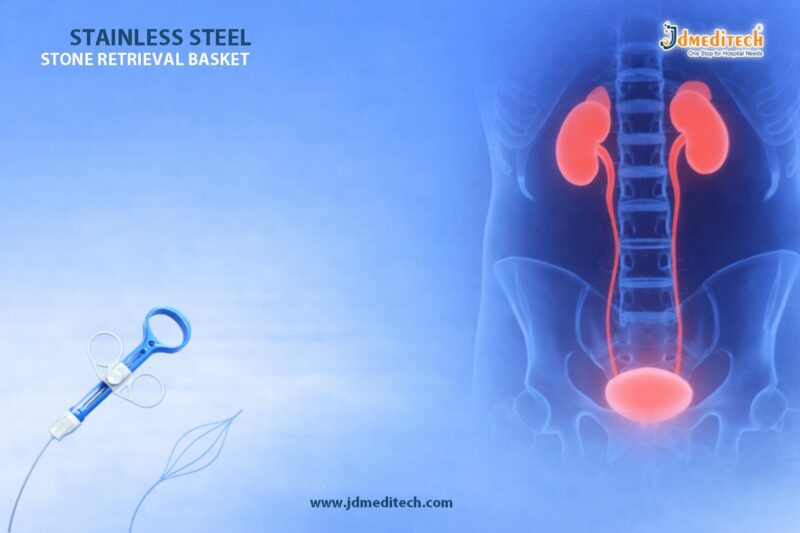
SS Stone Retrieval Basket for Urological Stone Extraction

The SS Stone Retrieval Basket is a vital instrument in modern urology, designed to safely and effectively remove stones from the urinary tract. As minimally invasive procedures continue to advance, urologists rely heavily on precision tools like the SS Stone Retrieval Basket to ensure successful outcomes.

Moreover, this device plays a crucial role in procedures such as ureteroscopy and cystoscopy. It allows surgeons to capture and extract stones without causing trauma to surrounding tissues. Therefore, the demand for a durable and reliable SS Stone Retrieval Basket continues to grow across healthcare facilities.

What is an SS Stone Retrieval Basket?

An SS Stone Retrieval Basket is a specialized medical device made from high-quality stainless steel (SS). It features flexible wires arranged in a basket-like structure that can open and close to trap stones inside the urinary tract.

In addition, the stainless steel construction ensures excellent durability, corrosion resistance, and long-term usability. Because of these features, the SS Stone Retrieval Basket remains a preferred choice among urologists worldwide.

Key Features of SS Stone Retrieval Basket
1. Durable Stainless Steel Construction

The SS Stone Retrieval Basket is made from premium-grade stainless steel, ensuring strength and resistance to wear and tear. As a result, it offers long-lasting performance even after repeated use.

2. Flexible and Controlled Operation

The basket wires are designed to provide flexibility while maintaining control. Consequently, surgeons can easily navigate through narrow anatomical pathways.

3. Secure Stone Grip

The device ensures a firm grip on stones, minimizing the risk of slippage during extraction. This feature enhances procedural safety and efficiency.

4. Smooth Opening and Closing Mechanism

The SS Stone Retrieval Basket allows precise opening and closing, which helps in capturing stones of various sizes effectively.

5. Compatibility with Endoscopic Procedures

It is widely used with ureteroscopes and cystoscopes, making it an essential tool in minimally invasive urological procedures.

Applications in Urology

The SS Stone Retrieval Basket is used in several urological procedures, including:

  • Ureteroscopy – For removing ureteral stones
  • Cystoscopy – For bladder stone extraction
  • Kidney Stone Management – For retrieving fragments after lithotripsy
  • Post-Lithotripsy Procedures – For clearing residual stones

Furthermore, it significantly reduces the need for open surgery, making it a preferred option for both patients and surgeons.

Advantages of Using SS Stone Retrieval Basket
1. Minimally Invasive Approach

The SS Stone Retrieval Basket supports minimally invasive techniques, reducing patient discomfort and recovery time.

2. High Precision and Control

Surgeons can precisely capture stones without damaging surrounding tissues.

3. Cost-Effective Solution

Due to its durability, the SS Stone Retrieval Basket offers long-term cost benefits for healthcare providers.

4. Reduced Complications

Because of its efficient design, it minimizes complications such as tissue injury or incomplete stone removal.

Why Choose SS Stone Retrieval Basket from JDMeditech?

At JDMeditech, we provide high-quality SS Stone Retrieval Basket solutions designed to meet international standards.

Our Key Benefits:
  • Premium-grade stainless steel construction
  • Precision-engineered design
  • Strict quality control processes
  • Reliable performance in clinical settings
  • Competitive pricing for global buyers
How to Use SS Stone Retrieval Basket Safely

To ensure optimal performance of the SS Stone Retrieval Basket, follow these guidelines:

  • Always use under trained medical supervision
  • Ensure proper sterilization before use
  • Carefully navigate through the urinary tract
  • Avoid excessive force during stone capture
  • Inspect the device after each procedure
Maintenance and Sterilization

Proper maintenance extends the lifespan of the SS Stone Retrieval Basket. Therefore:

  • Clean immediately after use
  • Use approved sterilization methods (e.g., autoclaving)
  • Store in a dry and sterile environment
  • Regularly inspect for damage or wear
Future of Stone Retrieval Technology

With continuous innovation in urology, devices like the SS Stone Retrieval Basket are becoming more advanced. For instance, improvements in flexibility, design, and material strength are enhancing procedural success rates.

Additionally, integration with advanced endoscopic systems will further improve precision and patient outcomes.

Conclusion

The SS Stone Retrieval Basket stands out as a durable, reliable, and essential tool for urological stone extraction. Its stainless steel construction, precision design, and compatibility with minimally invasive procedures make it indispensable in modern urology.

If you are looking for a high-quality SS Stone Retrieval Basket, JDMeditech offers trusted solutions that combine durability with performance.


Explore More Product >>

Get Connected:

+91 79909 93062 | +91 63513 72032 | exports@jdmeditech.com
Liver Transplant Surgery – Lifesaving Liver Treatment

Liver transplantation surgery is one of the most advanced and lifesaving procedures in modern gastroenterology. It replaces a damaged or failing liver with a healthy donor liver. As a result, patients suffering from severe liver diseases get a second chance at life.

Moreover, liver transplantation surgery has significantly improved survival rates over the years. With better surgical techniques and post-operative care, patients now experience faster recovery and long-term success.

What is Liver Transplantation Surgery?

Liver transplantation surgery is a medical procedure in which surgeons remove a diseased liver and replace it with a healthy liver from a donor. Typically, the donor may be deceased or living.

In addition, this procedure becomes necessary when the liver loses its ability to function properly. Since the liver performs essential tasks like detoxification, metabolism, and bile production, its failure can be life-threatening.

When is Liver Transplantation Surgery Needed?

Doctors recommend liver transplantation surgery when other treatments fail. Common conditions include:

  • Chronic liver disease (cirrhosis)
  • Liver cancer (hepatocellular carcinoma)
  • Acute liver failure
  • Alcohol-related liver damage
  • Hepatitis B and C infections
  • Genetic liver disorders

Therefore, early evaluation plays a crucial role in determining eligibility for liver transplantation surgery.

Types of Liver Transplantation Surgery
1. Deceased Donor Liver Transplant

In this type, surgeons use a liver from a brain-dead donor. It remains the most common form of liver transplantation surgery.

2. Living Donor Liver Transplant

Here, a healthy person donates a portion of their liver. Interestingly, the liver regenerates in both the donor and recipient after liver transplantation surgery.

3. Split Liver Transplant

In some cases, surgeons divide a donor liver into two parts for two recipients. This approach increases the availability of organs.

Procedure of Liver Transplantation Surgery

The process of liver transplantation surgery involves several steps:

1. Pre-Transplant Evaluation

Doctors assess the patient’s condition, perform blood tests, and check compatibility.

2. Donor Matching

A suitable donor liver is identified based on blood type, size, and urgency.

3. Surgical Procedure
  • Surgeons remove the diseased liver
  • They implant the healthy donor liver
  • Blood vessels and bile ducts are carefully connected
4. Post-Surgery Care

After liver transplantation surgery, patients stay in the ICU for monitoring. Gradually, they move to recovery wards.

Benefits of Liver Transplantation Surgery

Liver transplantation surgery offers multiple benefits:

  • Restores normal liver function
  • Improves quality of life
  • Increases life expectancy
  • Eliminates symptoms like jaundice and fatigue
  • Provides a long-term solution for liver failure

Hence, it remains a highly effective treatment option.

Risks and Complications

Although liver transplantation surgery is safe, some risks exist:

  • Organ rejection
  • Infection
  • Bleeding
  • Blood clots
  • Side effects of immunosuppressants

However, with proper medical care, doctors manage these complications effectively.

Recovery After Liver Transplantation Surgery

Recovery after liver transplantation surgery requires patience and discipline. Patients must:

  • Take prescribed medications regularly
  • Attend follow-up visits
  • Maintain a healthy diet
  • Avoid alcohol and smoking

Typically, most patients resume normal activities within a few months.

Role of Advanced Medical Technology

Modern advancements have improved the success of liver transplantation surgery. Innovations include:

  • Minimally invasive surgical techniques
  • Advanced imaging systems
  • Improved organ preservation methods
  • Enhanced ICU care

As a result, survival rates continue to rise globally.

Conclusion

In conclusion, liver transplantation surgery stands as a remarkable breakthrough in gastroenterology. It not only saves lives but also restores hope for patients with severe liver diseases.

If diagnosed early and managed properly, liver transplantation surgery can offer long-term survival and an improved quality of life. Therefore, consulting a specialist at the right time is essential.


Explore More Product >>

Get Connected:

+91 79909 93062 | +91 63513 72032 | exports@jdmeditech.com

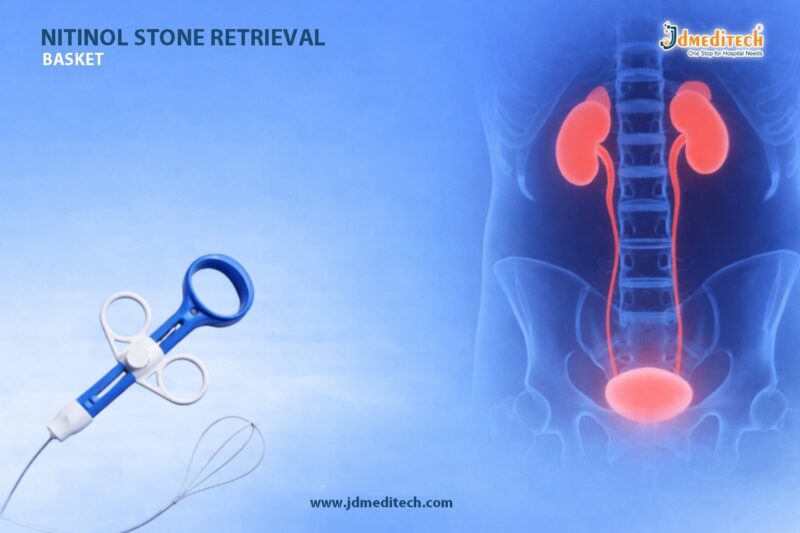
Nitinol Stone Retrieval Basket for Safe Stone Removal

The Nitinol Stone Retrieval Basket plays a vital role in modern urology. It enables surgeons to remove stones from the urinary tract with high precision. As minimally invasive procedures become more common, this advanced device ensures safer and more efficient outcomes.

Moreover, the Nitinol Stone Retrieval Basket offers flexibility, durability, and superior control. Because of these advantages, it has become an essential tool in endourological procedures.

What is a Nitinol Stone Retrieval Basket?

A Nitinol Stone Retrieval Basket is a specialized medical device used to capture and extract stones from the kidney, ureter, or bladder. It is commonly used during ureteroscopy and other minimally invasive procedures.

Nitinol, a nickel-titanium alloy, gives the basket unique properties. It provides excellent flexibility and shape memory, which allows the basket to adapt easily within the urinary tract.

Key Features of Nitinol Stone Retrieval Basket
1. Superior Flexibility

The Nitinol Stone Retrieval Basket easily navigates complex anatomical pathways. As a result, it reduces the risk of tissue damage.

2. Shape Memory Technology

Nitinol allows the basket to return to its original shape. Therefore, it ensures consistent performance during stone retrieval.

3. High Strength and Durability

Despite its flexibility, the basket maintains excellent strength. Consequently, it securely captures stones without breaking.

4. Minimally Invasive Design

The slim and flexible design supports minimally invasive procedures. Hence, patients experience faster recovery and less discomfort.

5. Precise Stone Capture

The basket structure ensures a firm grip on stones. This improves procedural success and reduces the need for repeat interventions.

Applications in Urology

The Nitinol Stone Retrieval Basket is widely used in various urological procedures:

  • Ureteroscopy (URS) for ureteral stones
  • Flexible ureteroscopy for kidney stones
  • Stone extraction after lithotripsy
  • Bladder stone removal procedures

Because of its versatility, it remains a preferred choice among urologists.

Advantages of Using Nitinol Stone Retrieval Basket
Enhanced Patient Safety

The flexible design minimizes trauma to the urinary tract. Therefore, complications are reduced significantly.

Improved Procedural Efficiency

The Nitinol Stone Retrieval Basket allows quick and effective stone capture. As a result, procedure time decreases.

Better Clinical Outcomes

Precise stone removal reduces residual fragments. Hence, it improves overall treatment success rates.

Cost-Effective Solution

Fewer complications and repeat procedures lower overall healthcare costs.

How the Procedure Works

During the procedure, a ureteroscope is inserted into the urinary tract. Then, the Nitinol Stone Retrieval Basket is passed through the working channel.

Once the stone is located, the basket opens and captures it securely. After that, the surgeon carefully withdraws the basket along with the stone. This process ensures safe and efficient removal.

Why Choose JDMeditech Nitinol Stone Retrieval Basket?

At JDMeditech, we focus on delivering high-quality medical devices. Our Nitinol Stone Retrieval Basket is designed for precision, safety, and durability.

Our Key Benefits:
  • Premium-grade Nitinol material
  • Ergonomic and user-friendly design
  • High flexibility with excellent control
  • Reliable performance in complex procedures


Maintenance and Handling Tips

To ensure optimal performance of the Nitinol Stone Retrieval Basket:

  • Handle the device carefully during insertion and removal
  • Avoid excessive force to maintain structural integrity
  • Follow sterilization protocols strictly
  • Inspect the basket before use

Proper handling increases longevity and ensures patient safety.

Conclusion

The Nitinol Stone Retrieval Basket has transformed the way urologists manage stone removal. Its flexibility, strength, and precision make it an indispensable tool in minimally invasive procedures.

As healthcare continues to advance, devices like the Nitinol Stone Retrieval Basket will play an even greater role. Choosing a reliable supplier like JDMeditech ensures quality, performance, and trust in every procedure.


Explore More Product >>

Get Connected:

+91 79909 93062 | +91 63513 72032 | exports@jdmeditech.com