
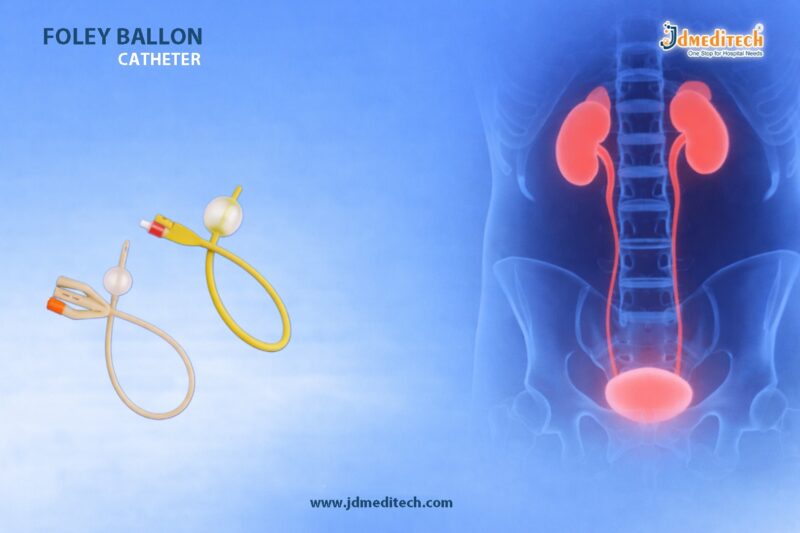
Foley Balloon Catheter for Long-Term Urinary Drainage

The Foley Balloon Catheter plays a crucial role in modern urology by providing a safe, effective, and reliable solution for long-term urinary drainage. Widely used in hospitals, ICUs, and home care settings, this catheter ensures continuous bladder emptying in patients who cannot urinate naturally.

Because of its secure retention mechanism and ease of use, the Foley Balloon Catheter has become the preferred choice among healthcare professionals worldwide.

What is a Foley Balloon Catheter?

A Foley Balloon Catheter is a flexible, sterile medical device inserted into the bladder through the urethra. It features an inflatable balloon at the tip, which holds the catheter securely in place once positioned inside the bladder.

As a result, it allows continuous urine drainage without frequent reinsertion, making it ideal for long-term use.

Key Features of Foley Balloon Catheter
1. Inflatable Balloon for Secure Placement

The catheter includes a balloon that inflates after insertion, ensuring stable positioning and preventing accidental removal.

2. High-Quality Biocompatible Material

Manufactured using latex or silicone, the Foley Balloon Catheter minimizes irritation and enhances patient comfort during prolonged use.

3. Smooth Surface for Easy Insertion

Its low-friction surface ensures painless insertion and reduces trauma to the urethral lining.

4. Multiple Lumen Design

Typically available in 2-way and 3-way configurations, it supports:

  • Urine drainage
  • Balloon inflation
  • Bladder irrigation (in 3-way catheters)
5. Sterile and Disposable

Each Foley Balloon Catheter is individually packed and sterilized, reducing the risk of infection.

Types of Foley Balloon Catheters
2-Way Foley Balloon Catheter
  • Most commonly used
  • One lumen for drainage and one for balloon inflation
  • Ideal for general urinary drainage
3-Way Foley Balloon Catheter
  • Includes an additional lumen for irrigation
  • Commonly used in post-surgical bladder care, especially after TURP
Applications of Foley Balloon Catheter

The Foley Balloon Catheter is widely used in various medical scenarios:

  • Urinary retention management
  • Post-operative bladder drainage
  • Critical care and ICU patients
  • Neurological disorders affecting bladder control
  • Monitoring urine output in hospitalized patients
  • Long-term bedridden patient care
Advantages of Foley Balloon Catheter

The popularity of the Foley Balloon Catheter comes from its multiple advantages:

  • Ensures continuous and controlled urine drainage
  • Reduces the need for repeated catheterization
  • Enhances patient comfort and convenience
  • Offers secure retention with minimal displacement risk
  • Supports accurate urine output monitoring
Procedure for Foley Balloon Catheter Insertion

Healthcare professionals follow a sterile technique during insertion:

  1. Clean and disinfect the urethral area
  2. Gently insert the catheter into the bladder
  3. Inflate the balloon with sterile water
  4. Connect the catheter to a urine drainage bag

Proper placement ensures safe and effective drainage.

Care and Maintenance Tips

To ensure optimal performance and reduce complications:

  • Maintain proper hygiene around the insertion site
  • Keep the drainage bag below bladder level
  • Avoid kinking or pulling of the catheter
  • Monitor for signs of infection such as fever or discomfort
  • Replace the catheter as recommended by healthcare professionals
Why Choose Foley Balloon Catheter from JDMeditech?

At JDMeditech, we provide high-quality Foley Balloon Catheters designed for safety, comfort, and reliability.

Our Key Benefits:
  • Premium-grade materials
  • Strict quality control standards
  • Wide range of sizes and configurations
  • Competitive pricing
  • Trusted by healthcare providers
Conclusion

The Foley Balloon Catheter remains a trusted solution for long-term urinary drainage, thanks to its secure design, ease of use, and versatility. Whether used in hospitals or home care, it ensures effective bladder management and improved patient comfort.

For healthcare providers seeking dependable urology solutions, the Foley Balloon Catheter continues to be an essential medical device.


Explore More Product >>

Get Connected:

+91 79909 93062 | +91 63513 72032 | exports@jdmeditech.com
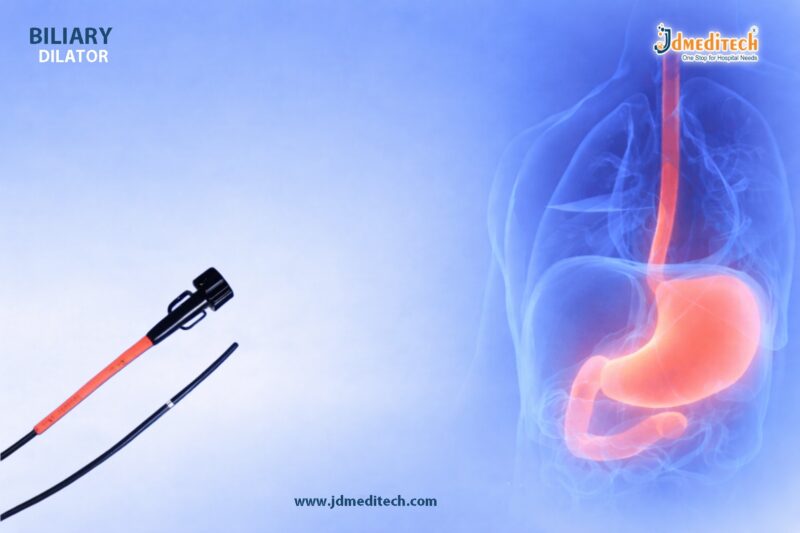
Biliary Dilator in Endoscopy for Effective Bile Duct Dilation

A Biliary Dilator in Endoscopy plays a crucial role in modern gastrointestinal procedures. It helps physicians safely and effectively dilate strictures within the bile ducts, thereby improving access and treatment outcomes. As endoscopic techniques continue to evolve, the demand for reliable and precise biliary dilators has increased significantly.

In this blog, we will explore the features, benefits, applications, and importance of a Biliary Dilator in Endoscopy, ensuring optimized readability and SEO performance.

What is a Biliary Dilator in Endoscopy?

A Biliary Dilator in Endoscopy is a specialized medical device used to widen narrowed bile ducts during procedures such as ERCP (Endoscopic Retrograde Cholangiopancreatography). These dilators allow smooth passage of stents, catheters, and other therapeutic devices.

Moreover, physicians use biliary dilators to manage strictures caused by stones, tumors, or inflammation. As a result, they ensure better bile flow and reduce complications.

Why is Biliary Dilation Important?

Biliary strictures can severely impact bile flow, leading to complications such as jaundice, infection, and liver dysfunction. Therefore, using a Biliary Dilator in Endoscopy becomes essential.

Key reasons include:
  • Improves bile drainage
  • Facilitates stent placement
  • Enhances procedural success rate
  • Reduces patient discomfort
  • Prevents long-term complications

Consequently, proper dilation ensures smoother and safer interventions.

Types of Biliary Dilators

Different types of Biliary Dilator in Endoscopy are available based on clinical needs:

1. Balloon Dilators

These dilators use controlled pressure to expand strictures gradually. They provide uniform dilation and are widely used in ERCP procedures.

2. Bougie Dilators

Bougie dilators offer mechanical dilation and are ideal for progressive widening.

3. Tapered Tip Dilators

These devices feature a tapered design that allows easy entry into tight strictures.

Each type of Biliary Dilator in Endoscopy ensures precision and efficiency in different clinical scenarios.

Key Features of Biliary Dilator in Endoscopy

Modern Biliary Dilator in Endoscopy devices are designed with advanced features to enhance performance:

  • High flexibility for smooth navigation
  • Atraumatic tip design to minimize tissue injury
  • Radiopaque markers for better visualization under fluoroscopy
  • Graduated sizing for controlled dilation
  • Strong pushability and torque control

Additionally, these features ensure both safety and procedural efficiency.

Applications in Clinical Practice

A Biliary Dilator in Endoscopy is widely used in various procedures:

  • ERCP procedures
  • Bile duct stricture management
  • Pre-stent dilation
  • Post-surgical narrowing treatment
  • Management of malignant and benign obstructions

Furthermore, it plays a vital role in both diagnostic and therapeutic endoscopy.

Advantages of Using Biliary Dilator in Endoscopy

Using a Biliary Dilator in Endoscopy offers multiple advantages:

  • Minimally invasive treatment
  • Faster recovery time
  • Reduced risk of complications
  • Improved patient outcomes
  • Enhanced procedural accuracy

Therefore, it has become an essential tool in gastroenterology.

How to Choose the Right Biliary Dilator?

Selecting the appropriate Biliary Dilator in Endoscopy depends on several factors:

  • Type and severity of stricture
  • Patient anatomy
  • Procedure type
  • Compatibility with guidewires and endoscopes

Hence, choosing the right device ensures optimal performance and safety.

Best Practices for Safe Use

To achieve the best results with a Biliary Dilator in Endoscopy, clinicians should follow these practices:

  • Use imaging guidance during dilation
  • Apply gradual pressure to avoid injury
  • Select appropriate size increments
  • Maintain sterile technique

As a result, these steps help reduce complications and improve outcomes.

Future Trends in Biliary Dilation

Technological advancements are shaping the future of Biliary Dilator in Endoscopy:

  • Improved material technology
  • Enhanced flexibility and control
  • Integration with advanced imaging systems
  • Development of single-use devices

Consequently, these innovations will further improve patient safety and procedural success.

Conclusion

A Biliary Dilator in Endoscopy is an indispensable tool for managing bile duct strictures effectively. With its advanced design and clinical benefits, it ensures safer procedures and better patient outcomes.

As endoscopic technology continues to advance, the importance of high-quality biliary dilators will only grow. Therefore, choosing a reliable solution is essential for achieving consistent and successful results.


Explore More Product >>

Get Connected:

+91 79909 93062 | +91 63513 72032 | exports@jdmeditech.com
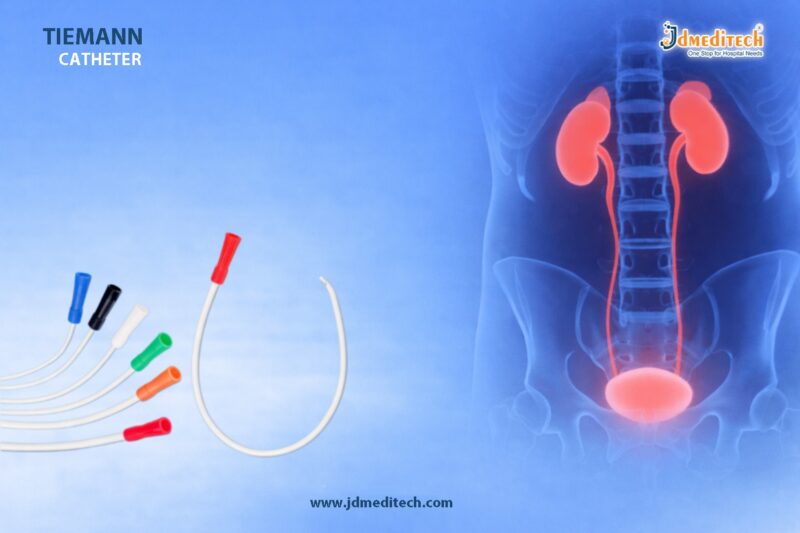
Tiemann Catheter for Urethral Strictures – Precision Urinary Access

The Tiemann catheter is a specially designed urinary catheter used in urology for patients with difficult urethral anatomy. Unlike standard catheters, the Tiemann catheter features a curved, tapered tip that allows smoother navigation through urethral strictures and obstructions.

Because urethral strictures can make catheterization challenging, healthcare professionals rely on the Tiemann catheter to ensure safe, controlled, and minimally traumatic insertion. As a result, it plays a vital role in modern urological practice.

What is a Tiemann Catheter?

A Tiemann catheter is a type of Foley or intermittent catheter with a slightly angled, firm tip. This design helps guide the catheter through narrowed or obstructed areas of the urethra.

Key Design Features
  • Curved (Coudé) Tip : Improves directional control
  • Firm Structure : Prevents bending during insertion
  • Smooth Surface Finish : Reduces friction and trauma
  • Multiple Size Options : Suitable for different patient needs

Therefore, the Tiemann catheter provides a reliable solution when standard catheters fail.

Why Use a Tiemann Catheter for Urethral Strictures?

Urethral strictures cause narrowing of the urethra, which can block urine flow and complicate catheterization. In such cases, the Tiemann catheter offers several advantages.

1. Enhanced Navigation

The angled tip allows the Tiemann catheter to bypass obstructions more effectively. Consequently, insertion becomes easier even in complex cases.

2. Reduced Risk of Trauma

Because of its smooth and guided entry, the Tiemann catheter minimizes urethral injury. This feature is especially important for sensitive patients.

3. Better Patient Comfort

With improved insertion control, patients experience less discomfort during catheterization.

4. High Success Rate

Healthcare providers often achieve higher success rates using a Tiemann catheter compared to standard straight-tip catheters.

Clinical Applications of Tiemann Catheter

The Tiemann catheter is widely used in various urological conditions, including:

  • Urethral strictures
  • Benign Prostatic Hyperplasia (BPH)
  • Difficult male catheterization
  • Urinary retention cases
  • Post-surgical urological care

Additionally, the Tiemann catheter is commonly used in emergency settings where rapid bladder drainage is required.

How to Use a Tiemann Catheter Safely

Proper technique is essential when using a Tiemann catheter. Follow these general steps:

  1. Prepare Sterile Equipment : Maintain aseptic conditions
  2. Lubricate Generously : Reduce friction during insertion
  3. Align the Tip Correctly : The curved tip should face upward
  4. Insert Gently : Avoid force to prevent injury
  5. Confirm Placement : Ensure proper urine flow

However, only trained professionals should perform catheterization using a Tiemann catheter.

Tiemann Catheter vs Standard Catheter
Feature Tiemann Catheter Standard Catheter
Tip Design Curved Straight
Navigation Excellent for strictures Limited
Trauma Risk Lower Higher in difficult cases
Use Case Complex catheterization Routine use

Clearly, the Tiemann catheter offers superior performance in challenging urological situations.

Material and Variants

The Tiemann catheter is available in different materials, such as:

  • Latex : Flexible and cost-effective
  • Silicone : Biocompatible and suitable for long-term use
  • PVC : Durable and widely used

Moreover, it comes in both intermittent and Foley variants, making the Tiemann catheter adaptable to various clinical needs.

Advantages of Tiemann Catheter
  • Precise navigation through strictures
  • Reduced insertion force required
  • Lower complication rates
  • Suitable for difficult male catheterization
  • Widely accepted in urology practice

Therefore, the Tiemann catheter is an essential tool for safe and effective urinary management.

Best Practices for Handling and Storage

To maintain the quality of the Tiemann catheter, follow these guidelines:

  • Store in a cool, dry place
  • Keep in sterile packaging until use
  • Avoid exposure to direct sunlight
  • Check expiry before use

These practices ensure optimal performance and patient safety.

Conclusion

The Tiemann catheter stands out as a specialized and reliable solution for navigating urethral strictures. Thanks to its unique curved tip and firm design, the Tiemann catheter enables safe, precise, and comfortable catheterization in difficult cases.

As urological challenges continue to evolve, the Tiemann catheter remains an indispensable tool for healthcare professionals seeking better outcomes and improved patient care.


Explore More Product >>

Get Connected:

+91 79909 93062 | +91 63513 72032 | exports@jdmeditech.com
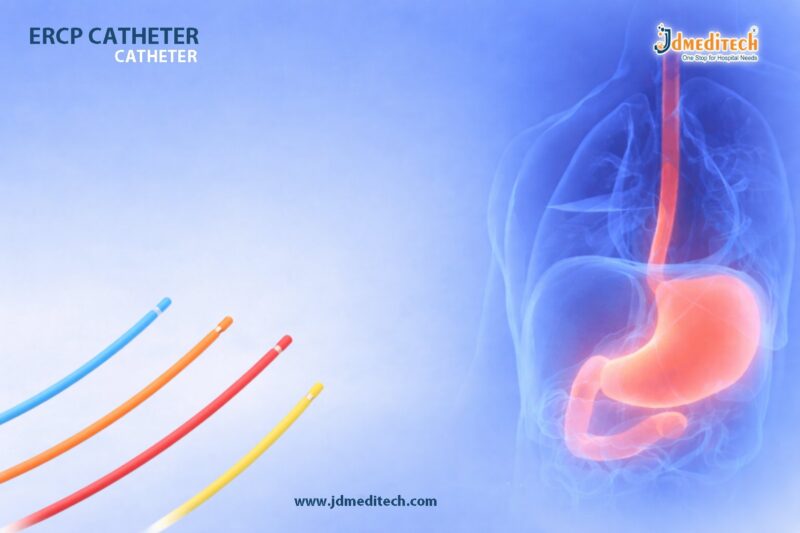
ERCP Guiding Catheter for Biliary Interventions | Complete Guide

Endoscopic Retrograde Cholangiopancreatography (ERCP) has transformed the diagnosis and treatment of biliary and pancreatic disorders. At the heart of this advanced procedure lies a critical device—the ERCP Guiding Catheter. This specialized instrument plays a key role in enabling precise access, navigation, and therapeutic intervention within the biliary system.

In this blog, we explore how an ERCP guiding catheter enhances procedural efficiency, improves patient outcomes, and supports complex biliary interventions.

What is an ERCP Guiding Catheter?

An ERCP Guiding Catheter is a flexible, thin, and highly maneuverable medical device used during ERCP procedures. It helps clinicians access the bile duct or pancreatic duct through the duodenum, acting as a pathway for guidewires and other therapeutic instruments.

Because of its design and functionality, the catheter ensures smooth navigation through complex anatomical structures while minimizing trauma.

Importance in Biliary Interventions

Biliary procedures demand accuracy and control. The ERCP guiding catheter plays a crucial role by:

  • Facilitating selective cannulation of bile and pancreatic ducts
  • Providing a stable channel for guidewire insertion
  • Enhancing access in difficult or tortuous anatomy
  • Supporting therapeutic procedures such as stent placement and stone removal

As a result, it significantly reduces procedure time and improves success rates.

Key Features of ERCP Guiding Catheter
Excellent Flexibility and Torque Control

The catheter is designed to navigate complex biliary anatomy with ease. Its flexibility allows smooth advancement, while torque control ensures precise positioning.

2. Atraumatic Tip Design

A soft, rounded tip minimizes mucosal injury, enhancing patient safety during cannulation.

3. Radiopaque Markers

These markers improve visualization under fluoroscopy, allowing accurate placement within the biliary tree.

4. Multiple Tip Configurations

Different tip shapes help clinicians select the most suitable catheter based on patient anatomy and procedural requirements.

5. Smooth Lumen for Guidewire Compatibility

The inner lumen supports seamless guidewire passage, enabling efficient device exchange.

Applications of ERCP Guiding Catheter

The ERCP guiding catheter is widely used in various biliary and pancreatic procedures, including:

  • Biliary drainage procedures
  • Common bile duct (CBD) stone removal
  • Biliary stricture management
  • Stent placement and exchange
  • Pancreatic duct interventions

Its versatility makes it an essential tool in modern endoscopic practice.

Advantages of Using ERCP Guiding Catheter

Using a high-quality ERCP guiding catheter offers several benefits:

  • Improves procedural precision and control
  • Reduces procedure time
  • Enhances success rate of cannulation
  • Minimizes risk of complications
  • Provides smooth device delivery

Consequently, it supports both clinicians and patients by ensuring safer and more efficient interventions.

How to Choose the Right ERCP Guiding Catheter

Selecting the right catheter depends on multiple factors:

  • Tip design suited to patient anatomy
  • Length and diameter compatibility
  • Guidewire size compatibility
  • Radiopacity for imaging clarity
  • Material quality and flexibility

Careful selection ensures optimal performance and better clinical outcomes.

Best Practices for Use

To maximize effectiveness:

  • Always use with compatible guidewires and accessories
  • Maintain proper sterility and handling techniques
  • Use fluoroscopic guidance for accurate placement
  • Avoid excessive force during cannulation
  • Follow institutional protocols and clinical guidelines

These practices help reduce complications and improve procedural success.

Why Quality Matters in ERCP Procedures

In ERCP, precision is everything. A poorly designed catheter can increase procedure time, cause complications, or lead to failed cannulation. Therefore, choosing a high-quality ERCP guiding catheter ensures:

  • Reliable performance
  • Consistent results
  • Enhanced patient safety
Conclusion

The ERCP Guiding Catheter is a vital tool that streamlines biliary interventions by enabling precise access, smooth navigation, and efficient therapeutic delivery. Its advanced design and versatility make it indispensable in modern gastroenterology.

As ERCP procedures continue to evolve, the importance of high-quality guiding catheters will only grow—helping clinicians achieve better outcomes with greater confidence.


Explore More Product >>

Get Connected:

+91 79909 93062 | +91 63513 72032 | exports@jdmeditech.com
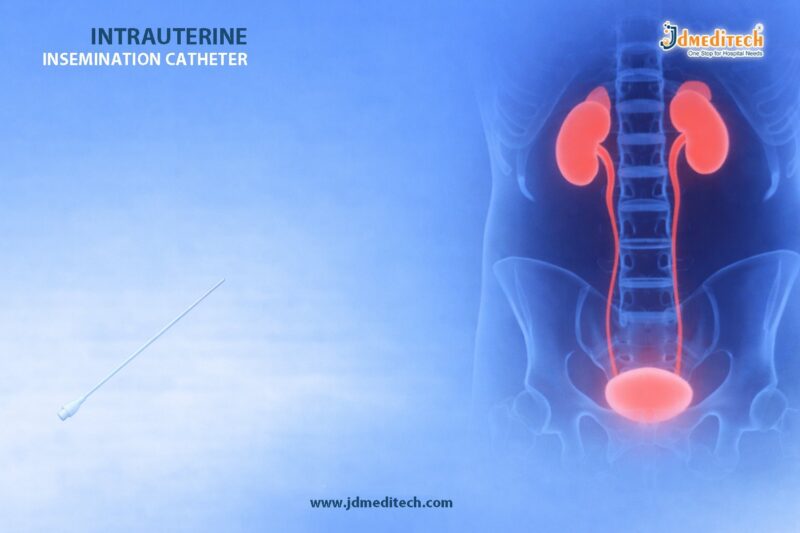
IUI Catheter for Fertility Procedures | Precision Fertility Tool

An IUI catheter is an essential device in assisted reproductive treatment. Doctors use it during intrauterine insemination to place prepared sperm directly into the uterus. This method improves sperm delivery and supports a more controlled fertility procedure.

Today, many fertility specialists prefer a high-quality IUI catheter for fertility procedures because it offers accuracy, flexibility, and patient comfort. In addition, it helps reduce trauma during insertion and supports smoother clinical performance. As fertility care continues to advance, the demand for a reliable IUI catheter also continues to grow.

What Is an IUI Catheter?

An IUI catheter is a thin, sterile, flexible tube designed for intrauterine insemination. It allows the clinician to introduce washed sperm into the uterine cavity at the right time in the ovulation cycle.

This device plays a direct role in the success of insemination. Because the catheter delivers sperm beyond the cervix, it helps place motile sperm closer to the fallopian tubes. As a result, an IUI catheter for fertility procedures supports better precision and a more efficient treatment process.

Why an IUI Catheter Matters in Fertility Procedures

An IUI catheter for fertility procedures does much more than carry sperm. It helps doctors perform insemination with better control, reduced resistance, and improved patient comfort.

Here is why it matters:

  • It supports precise sperm placement inside the uterus
  • It helps bypass cervical barriers
  • It reduces sperm loss during delivery
  • It improves procedural efficiency
  • It supports a gentle and minimally invasive approach

Therefore, choosing the right IUI catheter can make a meaningful difference in fertility treatment quality.

Key Features of an IUI Catheter

A well-designed IUI catheter for fertility procedures should provide safety, ease of use, and dependable performance. Below are the most important features.

Soft and Flexible Body

The catheter should bend easily and move smoothly through the cervical canal. This flexibility helps reduce discomfort and supports atraumatic insertion.

Rounded Atraumatic Tip

A smooth distal tip helps the clinician place the catheter gently. This design lowers the risk of irritation or injury.

Sterile Disposable Construction

A sterile, single-use IUI catheter helps maintain hygiene and reduces the risk of contamination.

Medical-Grade Material

High-quality biocompatible material improves safety and supports reliable clinical use.

Suitable Length and Diameter

A properly designed catheter offers better reach and handling during insemination.

Smooth Surface Finish

A smooth surface reduces friction and helps the catheter pass more easily through the cervix.

How an IUI Catheter Is Used

The use of an IUI catheter for fertility procedures follows a simple and controlled clinical process.

1. Ovulation Timing

First, the fertility team monitors ovulation to identify the best insemination window.

2. Semen Preparation

Next, the semen sample is processed to separate motile and healthy sperm from unwanted material.

3. Catheter Loading

Then, the prepared sperm sample is drawn into a syringe connected to the IUI catheter.

4. Catheter Insertion

The doctor gently inserts the catheter through the cervix and into the uterus.

5. Sperm Delivery

After correct placement, the doctor slowly injects the sperm into the uterine cavity.

6. Catheter Removal

Finally, the catheter is removed carefully, and the procedure ends within a few minutes.

Because the process is simple and minimally invasive, most patients tolerate it well.

Benefits of an IUI Catheter for Fertility Procedures

Using a high-quality IUI catheter for fertility procedures offers many practical and clinical benefits.

Improved Precision

The catheter helps place sperm exactly where it is needed.

Better Patient Comfort

Its soft and flexible structure supports gentle insertion and lower discomfort.

Minimal Trauma

An atraumatic tip and smooth finish help protect sensitive tissue.

Quick Procedure

Doctors can complete insemination in a short time, which improves workflow in busy clinics.

Reduced Infection Risk

A sterile disposable IUI catheter supports clean and safe single-use application.

Better Clinical Confidence

Reliable design gives the clinician improved control during the procedure.

Clinical Applications of an IUI Catheter

Doctors use an IUI catheter for fertility procedures in many reproductive treatment settings. These include:

  • Unexplained infertility
  • Mild male factor infertility
  • Cervical factor infertility
  • Ejaculatory dysfunction
  • Ovulation-related fertility support
  • Donor sperm insemination

In each of these cases, the IUI catheter helps deliver sperm with accuracy and care.

How to Choose the Right IUI Catheter

Selecting the right IUI catheter for fertility procedures is important for both performance and patient safety. Clinics should look for the following qualities:

  • Soft and flexible tubing
  • Atraumatic rounded tip
  • Sterile individual packing
  • Consistent product quality
  • Easy handling during insertion
  • High-grade biocompatible material

In addition, a trusted manufacturer helps ensure product consistency across every procedure.

Importance of Quality in an IUI Catheter

Quality affects every step of insemination. A poorly designed catheter may create resistance, discomfort, or inaccurate placement. On the other hand, a premium IUI catheter for fertility procedures supports smooth insertion, better control, and dependable results.

For that reason, clinics should never compromise on device quality. A good IUI catheter supports both clinical efficiency and patient trust.

Conclusion

An IUI catheter for fertility procedures is a precision device that plays a major role in assisted reproduction. It supports accurate sperm placement, smooth handling, and better patient comfort. Moreover, it helps fertility specialists perform intrauterine insemination with greater confidence and consistency.

As fertility treatments continue to expand, the need for a safe, sterile, and reliable IUI catheter will remain strong. For clinics that value precision and patient care, choosing the right catheter is an important step toward better reproductive outcomes.


Explore More Product >>

Get Connected:

+91 79909 93062 | +91 63513 72032 | exports@jdmeditech.com
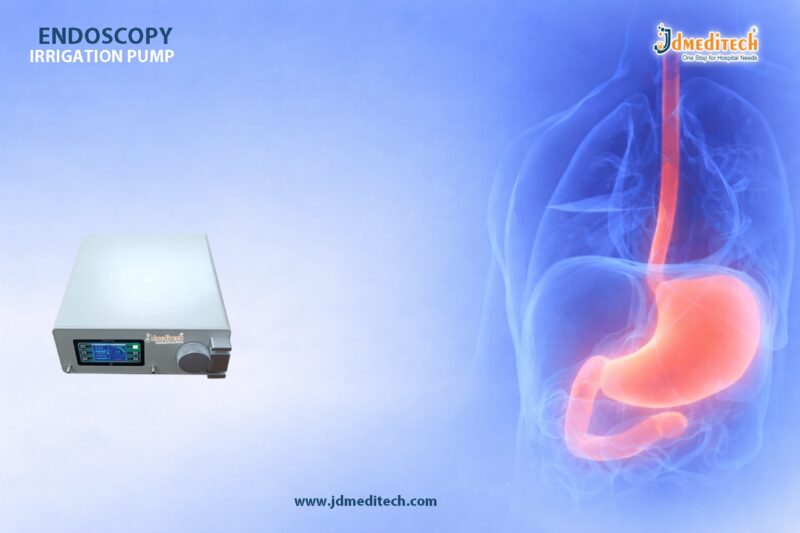
Endoscopy Irrigation Pump – Advanced Fluid Management for Endoscopic Procedures

In modern endoscopic procedures, clear visualization is critical for accurate diagnosis and effective treatment. An Endoscopy Irrigation Pump plays a vital role by delivering controlled fluid flow to clean the operative field, remove debris, and improve visibility.

As endoscopy techniques continue to advance, the demand for reliable and efficient fluid management systems has increased significantly. This is where an advanced irrigation pump becomes indispensable.

What is an Endoscopy Irrigation Pump?

An Endoscopy Irrigation Pump is a specialized medical device designed to deliver sterile fluid at controlled pressure and flow rates during endoscopic procedures. It helps maintain a clear field of view by flushing blood, mucus, and tissue debris.

These pumps are widely used in:

  • Gastrointestinal (GI) endoscopy
  • Urology procedures
  • Arthroscopy
  • Laparoscopy
Importance of Fluid Management in Endoscopy

Effective fluid management directly impacts procedural success. Without proper irrigation:

  • Visibility becomes compromised
  • Procedure time increases
  • Risk of complications rises

Therefore, an endoscopy irrigation pump ensures consistent and precise fluid delivery, enabling clinicians to perform procedures with confidence.

Key Features of Endoscopy Irrigation Pump
1. Controlled Flow Rate

Modern irrigation pumps offer adjustable flow settings, allowing clinicians to tailor fluid delivery according to procedural needs.

2. Consistent Pressure Regulation

Maintains steady pressure, preventing tissue damage while ensuring effective cleaning.

3. User-Friendly Interface

Most systems include intuitive controls and digital displays for easy operation during procedures.

4. Compatibility with Endoscopes

Designed to work seamlessly with various endoscopic instruments, ensuring flexibility.

5. Compact and Portable Design

Lightweight and space-efficient, making them ideal for operating rooms and endoscopy suites.

Benefits of Using an Endoscopy Irrigation Pump
Enhanced Visualization

Continuous irrigation ensures a clear and unobstructed view, improving diagnostic accuracy.

Increased Procedure Efficiency

Reduces interruptions caused by manual flushing, leading to faster procedures.

Improved Patient Safety

Controlled pressure minimizes the risk of tissue trauma and complications.

Better Clinical Outcomes

Accurate visualization leads to precise interventions and improved treatment results.

Applications in Medical Procedures
Gastrointestinal Endoscopy

Used to clear blood and debris during procedures like:

  • Colonoscopy
  • Gastroscopy
  • Polypectomy
Urology Procedures

Supports procedures such as:

  • Ureteroscopy
  • Cystoscopy
Surgical Endoscopy

Assists in maintaining clarity during:

  • Minimally invasive surgeries
  • Therapeutic endoscopic interventions
Why Choose an Advanced Irrigation Pump?

An advanced Endoscopy Irrigation Pump offers:

  • High precision fluid control
  • Reduced manual workload
  • Enhanced procedural safety
  • Reliable performance in critical situations

Healthcare providers benefit from consistent results and improved workflow efficiency.

Maintenance and Safety Considerations

To ensure optimal performance:

  • Use sterile irrigation fluids
  • Regularly check tubing and connections
  • Follow manufacturer guidelines for cleaning
  • Perform routine maintenance

Proper care extends the lifespan of the device and ensures patient safety.

Future Trends in Endoscopy Irrigation Systems

The future of irrigation pumps includes:

  • Smart flow automation
  • Integration with endoscopy systems
  • Real-time pressure monitoring
  • Improved ergonomic designs

These advancements will further enhance precision and efficiency in endoscopic procedures.

Conclusion

The Endoscopy Irrigation Pump is an essential component in modern medical practice, ensuring advanced fluid management, enhanced visibility, and improved procedural outcomes. Its role in supporting clinicians during complex procedures cannot be overstated.

Investing in a high-quality irrigation pump not only improves workflow efficiency but also significantly enhances patient care.


Explore More Product >>

Get Connected:

+91 79909 93062 | +91 63513 72032 | exports@jdmeditech.com
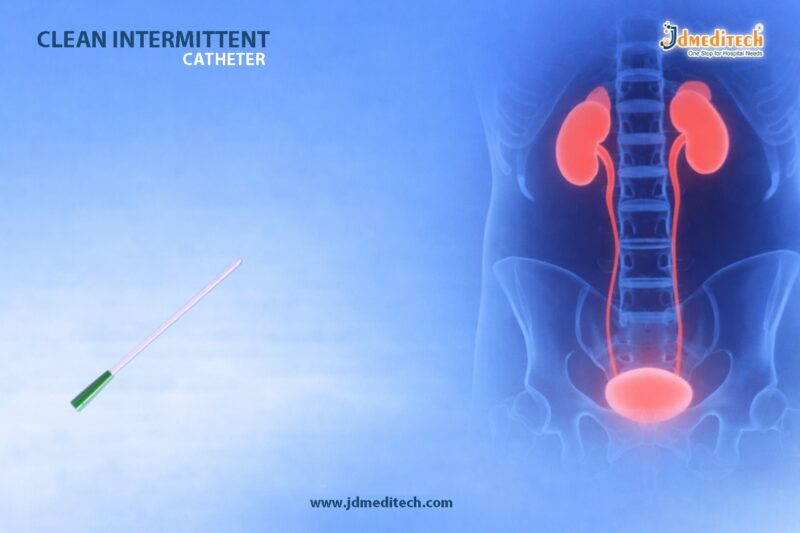
Clean Intermittent Catheter (CIC) – Safe Bladder Emptying Solution

Bladder dysfunction can significantly affect a patient’s quality of life, leading to discomfort, infections, and long-term complications. Fortunately, Clean Intermittent Catheterization (CIC) offers a safe, effective, and convenient solution for individuals who cannot empty their bladder naturally.

Widely recommended by urologists, Clean Intermittent Catheter (CIC) is a proven method that allows controlled bladder drainage while maintaining independence and reducing infection risks.

What is a Clean Intermittent Catheter (CIC)?

A Clean Intermittent Catheter (CIC) is a flexible, sterile tube inserted into the bladder through the urethra to drain urine at regular intervals. Unlike indwelling catheters, CIC is removed after each use, making it a safer and more hygienic option.

This technique is commonly used by patients with:

  • Neurogenic bladder
  • Spinal cord injuries
  • Urinary retention
  • Post-surgical bladder dysfunction
  • Multiple sclerosis or other neurological disorders
How Clean Intermittent Catheterization Works

The process of Clean Intermittent Catheterization (CIC) involves inserting a catheter into the bladder several times a day to empty urine completely.

Step-by-Step Overview:
  1. Wash hands thoroughly
  2. Clean the urethral area
  3. Lubricate the catheter (if not pre-lubricated)
  4. Gently insert the catheter into the bladder
  5. Allow urine to drain completely
  6. Slowly remove the catheter
  7. Dispose of or clean the catheter as per guidelines

This method helps maintain bladder health and prevents urine buildup.

Key Benefits of Clean Intermittent Catheter (CIC)
1. Reduced Risk of Infection

Compared to indwelling catheters, CIC significantly lowers the risk of urinary tract infections (UTIs) when performed correctly.

2. Improved Patient Independence

Patients can perform CIC themselves, giving them greater control over their daily routine.

3. Better Bladder Function

Regular emptying helps maintain bladder tone and reduces complications such as overdistension.

4. Convenience and Comfort

Modern CIC catheters are designed for smooth insertion, minimizing discomfort.

5. Discreet and Portable

Compact designs allow easy use at home or while traveling.

Types of Clean Intermittent Catheters

There are several types of Clean Intermittent Catheters (CIC) available to suit different patient needs:

  • Hydrophilic Catheters – Pre-lubricated for smoother insertion
  • Uncoated Catheters – Require external lubrication
  • Closed System Catheters – Include a collection bag for sterile use
  • Antibacterial Catheters – Designed to reduce infection risk
Who Needs Clean Intermittent Catheterization?

Doctors may recommend CIC for patients who experience:

  • Incomplete bladder emptying
  • Urinary retention
  • Weak bladder muscles
  • Obstructed urinary flow
  • Chronic neurological conditions

It is also widely used in both hospital and home care settings.

Safety Tips for Using CIC

To ensure safe and effective use of Clean Intermittent Catheter (CIC):

  • Always maintain proper hygiene
  • Use sterile or clean catheters as advised
  • Follow a regular catheterization schedule
  • Stay hydrated
  • Watch for signs of infection (burning, fever, cloudy urine)
  • Consult a healthcare professional if discomfort occurs
CIC vs Indwelling Catheters
Feature Clean Intermittent Catheter (CIC) Indwelling Catheter
Usage Temporary (insert & remove) Continuous
Infection Risk Lower Higher
Comfort More comfortable Less comfortable long-term
Mobility High Limited
Maintenance Simple Requires ongoing care
Why Choose High-Quality CIC Products?

Using a high-quality Clean Intermittent Catheter (CIC) ensures:

  • Smooth and painless insertion
  • Reduced trauma to the urethra
  • Better patient compliance
  • Enhanced safety and reliability

Premium medical-grade materials and advanced designs make a significant difference in patient outcomes.

Conclusion

The Clean Intermittent Catheter (CIC) is a safe, reliable, and patient-friendly solution for managing bladder emptying issues. With proper technique and hygiene, it empowers patients to lead a more independent and comfortable life.

Whether used in hospitals or at home, CIC remains a gold standard in urological care due to its effectiveness and reduced risk profile.


Explore More Product >>

Get Connected:

+91 79909 93062 | +91 63513 72032 | exports@jdmeditech.com
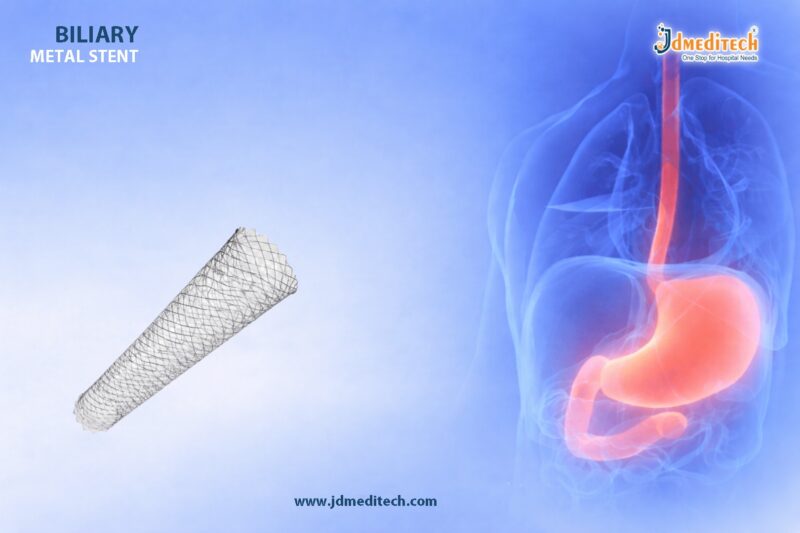
Biliary Metal Stent for Long-Term Bile Duct Patency

Biliary obstruction is a serious condition that disrupts the normal flow of bile from the liver to the intestine. It can result from malignancies, strictures, or gallstones, leading to complications such as jaundice, infection, and liver dysfunction.

A biliary metal stent offers an advanced, long-term solution for maintaining bile duct patency. Designed for durability and efficiency, these stents are widely used in endoscopic and interventional procedures to ensure continuous bile drainage.

What is a Biliary Metal Stent?

A biliary metal stent is a self-expanding tubular device made from biocompatible metal alloys such as nitinol. It is placed within the bile duct to relieve obstruction and restore bile flow.

Unlike plastic stents, metal stents expand after placement and provide a larger internal diameter, which significantly improves drainage and reduces the risk of blockage.

Key Features of Biliary Metal Stents
1. Self-Expanding Design

Biliary metal stents automatically expand once deployed, ensuring optimal lumen size and effective bile drainage.

2. Superior Patency

They offer longer patency compared to plastic stents, reducing the need for frequent replacements.

3. High Radial Force

The strong radial force helps maintain ductal opening even in cases of severe strictures or external compression.

4. Biocompatible Material

Manufactured using materials like nitinol, these stents are corrosion-resistant and safe for long-term implantation.

5. Covered and Uncovered Options
  • Covered stents : Prevent tumor ingrowth
  • Uncovered stents : Allow tissue integration for stability
Types of Biliary Metal Stents
1. Fully Covered Metal Stents (FCSEMS)
  • Prevent tissue and tumor ingrowth
  • Easy to remove or reposition
  • Suitable for benign strictures
2. Partially Covered Metal Stents
  • Balance between fixation and protection
  • Reduced migration risk
3. Uncovered Metal Stents (USEMS)
  • Promote tissue embedding
  • Commonly used in malignant obstructions
  • Lower migration risk
Clinical Applications

Biliary metal stents are widely used in various medical conditions:

  • Malignant biliary obstruction (e.g., pancreatic or bile duct cancer)
  • Benign biliary strictures
  • Post-surgical bile duct narrowing
  • Palliative care to relieve jaundice
  • Chronic pancreatitis-related strictures
Advantages Over Plastic Stents
Feature Metal Stents Plastic Stents
Patency Duration Long-term Short-term
Diameter Larger Smaller
Replacement Frequency Less frequent More frequent
Cost Efficiency Higher initial cost but fewer procedures Lower cost but frequent replacements

Overall, biliary metal stents provide better long-term outcomes, especially in patients requiring prolonged biliary drainage.

Procedure Overview

Biliary metal stents are typically placed using ERCP (Endoscopic Retrograde Cholangiopancreatography) or percutaneous techniques.

Steps Involved:
  1. Access the bile duct using an endoscope
  2. Identify the site of obstruction
  3. Advance a guidewire across the stricture
  4. Deploy the stent under imaging guidance
  5. Confirm proper expansion and bile flow

The procedure is minimally invasive and usually performed under sedation.

Benefits of Biliary Metal Stents
  • Ensures continuous bile drainage
  • Reduces symptoms like jaundice and itching
  • Minimizes hospital visits due to fewer replacements
  • Enhances patient comfort and quality of life
  • Provides effective palliative care in cancer patients
Potential Risks and Considerations

Although generally safe, some risks include:

  • Stent migration
  • Blockage due to sludge or tumor overgrowth
  • Infection (cholangitis)
  • Procedure-related complications

Proper patient selection and follow-up care help minimize these risks.

Why Choose High-Quality Biliary Metal Stents?

Selecting a reliable manufacturer ensures:

  • Consistent expansion performance
  • Optimal flexibility and strength
  • Reduced complication rates
  • Compliance with international medical standards

High-quality stents are crucial for achieving successful clinical outcomes.

Conclusion

A biliary metal stent is a highly effective solution for managing bile duct obstruction, offering long-term patency, improved drainage, and reduced need for repeat interventions.

With advancements in stent design and materials, these devices have become a preferred choice for both malignant and benign biliary conditions, significantly improving patient care and clinical success rates.


Explore More Product >>

Get Connected:

+91 79909 93062 | +91 63513 72032 | exports@jdmeditech.com
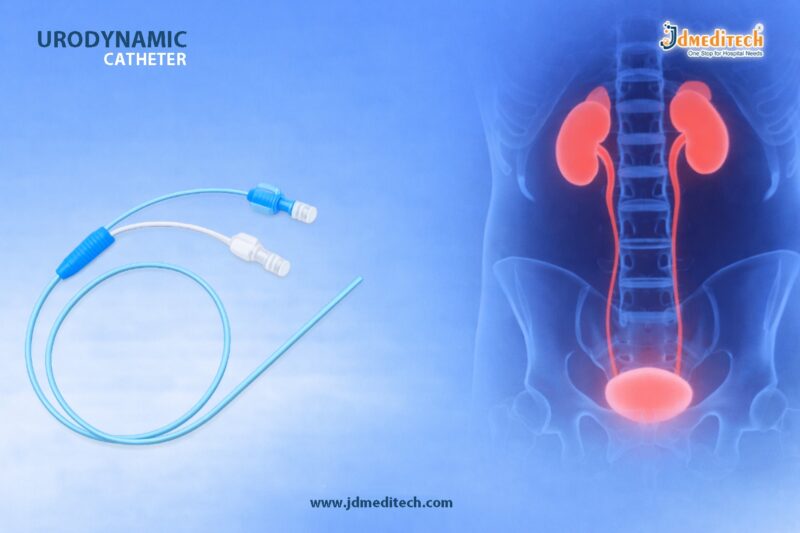
Urodynamic Catheter for Pressure-Flow Studies & Urological Assessment

Accurate diagnosis is the foundation of effective urological treatment. A urodynamic catheter plays a vital role in evaluating bladder and urethral function through detailed pressure-flow studies. Clinicians rely on this specialized device to measure internal pressures, assess urinary flow, and diagnose complex lower urinary tract disorders.

In this blog, we will explore the importance, features, applications, and benefits of the urodynamic catheter, making it easier to understand why it is indispensable in modern urology.

What is a Urodynamic Catheter?

A urodynamic catheter is a thin, flexible medical device designed to measure pressure within the bladder and sometimes the rectum during urodynamic testing. It helps clinicians evaluate how well the bladder stores and releases urine.

These catheters are typically connected to pressure transducers and monitoring systems, allowing real-time data collection during diagnostic procedures.

Key Features of Urodynamic Catheters
1. High-Precision Pressure Measurement

Urodynamic catheters are engineered to provide accurate and consistent pressure readings, ensuring reliable diagnostic outcomes.

2. Dual or Multi-Lumen Design

Many urodynamic catheters feature dual lumens. This design allows simultaneous bladder filling and pressure monitoring, improving procedural efficiency.

3. Flexible and Patient-Friendly Material

Manufactured from biocompatible materials, these catheters ensure patient comfort while minimizing irritation during insertion.

4. Smooth Surface for Easy Insertion

A smooth, lubricated surface reduces friction, making catheter placement easier and safer.

5. Compatibility with Urodynamic Systems

These catheters integrate seamlessly with modern urodynamic machines for precise data recording and analysis.

Applications of Urodynamic Catheter

The urodynamic catheter is widely used in diagnostic procedures, including:

  • Cystometry (CMG)– Measures bladder pressure during filling
  • Pressure-flow studies– Evaluates bladder outlet obstruction
  • Uroflowmetry support– Assesses urinary flow rate
  • Leak point pressure measurement– Diagnoses urinary incontinence
  • Neurogenic bladder assessment– Evaluates nerve-related dysfunction
Benefits of Using Urodynamic Catheters
Accurate Diagnosis

Provides precise pressure readings for identifying bladder dysfunctions.

Improved Treatment Planning

Helps clinicians develop targeted treatment strategies based on reliable data.

Minimally Invasive Procedure

Ensures patient safety with minimal discomfort.

Real-Time Monitoring

Allows continuous data recording during bladder filling and voiding phases.

Enhanced Clinical Efficiency

Supports faster and more effective urological assessments.

Why Choose a High-Quality Urodynamic Catheter?

Selecting a high-quality urodynamic catheter is crucial for achieving accurate results and ensuring patient comfort. Premium-grade catheters offer:

  • Superior material quality
  • Consistent performance
  • Reduced risk of complications
  • Better compatibility with diagnostic systems

At JDMeditech, we focus on delivering reliable and precision-engineered urological devices designed to meet global healthcare standards.

Best Practices for Use

To ensure optimal performance and patient safety:

  • Always use sterile catheters
  • Follow proper insertion techniques
  • Ensure correct calibration with urodynamic equipment
  • Monitor patient comfort throughout the procedure
  • Dispose of single-use catheters appropriately
Conclusion

The urodynamic catheter is an essential tool for accurate pressure-flow studies and comprehensive urological assessment. Its ability to provide real-time, precise data makes it indispensable for diagnosing bladder dysfunctions and guiding effective treatment.

As urology continues to advance, the demand for reliable diagnostic tools like urodynamic catheters will only grow. Investing in high-quality devices ensures better outcomes for both clinicians and patients.


Explore More Product >>

Get Connected:

+91 79909 93062 | +91 63513 72032 | exports@jdmeditech.com
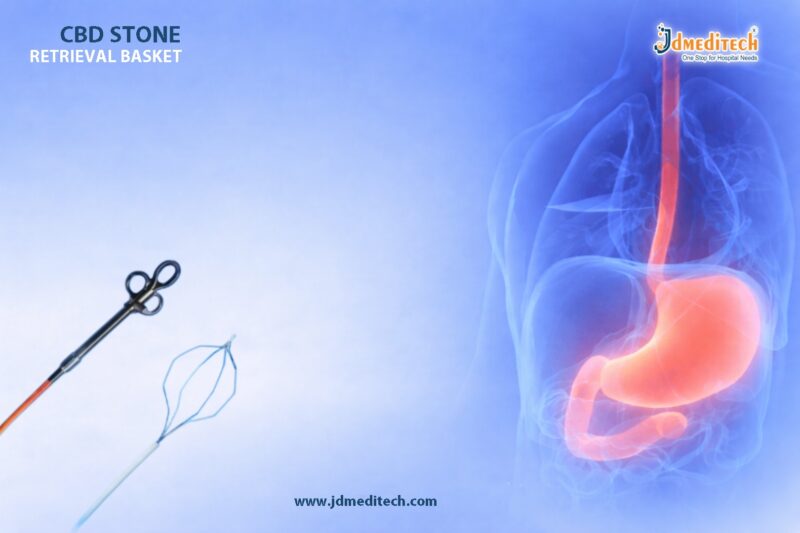
CBD Stone Retrieval Basket for Effective Bile Duct Clearance

The CBD Stone Retrieval Basket is an essential tool in modern endoscopy. Doctors use it to safely remove stones from the common bile duct (CBD) during ERCP procedures.

Bile duct stones can block bile flow and cause pain, infection, or serious complications. Therefore, clinicians need a device that offers precision, control, and reliability. This is exactly where a high-quality retrieval basket makes a difference.

What is a CBD Stone Retrieval Basket?

A CBD Stone Retrieval Basket is a specialized medical device designed to capture and remove stones from the bile duct.

Doctors pass the basket through an endoscope and guide it into the bile duct. Once inside, the basket opens, surrounds the stone, and securely holds it for removal.

Its flexible wire structure allows smooth movement even in narrow or complex anatomy.

Key Features
Strong and Durable Wires

The basket uses high-strength wires that provide a firm grip on stones without breaking.

Flexible Design

It easily navigates through the endoscope and adapts to the bile duct’s shape.

Secure Stone Capture

The basket opens widely and closes tightly, ensuring the stone does not slip during removal.

Multiple Size Options

Different basket sizes and designs help doctors handle small, large, or multiple stones.

Easy-to-Control Handle

The ergonomic handle allows precise opening, closing, and rotation of the basket.

Clinical Applications

Doctors commonly use the CBD Stone Retrieval Basket for:

  • Removing bile duct stones
  • Treating biliary obstruction
  • Supporting ERCP procedures
  • Retrieving foreign bodies from the bile duct
Benefits
Minimally Invasive

The procedure avoids open surgery, reducing patient discomfort.

High Efficiency

The basket captures stones quickly, improving procedural success.

Lower Risk

Controlled movement reduces injury to the bile duct.

Time-Saving

Fast deployment and removal shorten procedure time.

Faster Recovery

Patients recover quicker compared to surgical methods.

How It Works

The procedure is simple and effective:

  1. The doctor inserts the basket through the endoscope.
  2. The device reaches the bile duct under imaging guidance.
  3. The basket opens to capture the stone.
  4. It closes securely around the stone.
  5. The doctor gently pulls it out, removing the stone.
Types of CBD Stone Retrieval Baskets
  • Standard Basket – Used for routine stone removal
  • Tipless Basket – Reduces risk of injury in delicate areas
  • Rotatable Basket – Offers better positioning and control
  • Lithotripsy Basket – Crushes large stones before removal
Why Choosing the Right Basket Matters

A high-quality CBD Stone Retrieval Basket ensures:

  • Better stone capture
  • Smooth and safe procedures
  • Reduced risk of complications
  • Reliable performance every time

Low-quality devices may lead to stone slippage, basket damage, or incomplete removal, which can complicate the procedure.

Best Practices

To achieve the best results:

  • Choose the correct basket size
  • Use imaging guidance at all times
  • Avoid applying excessive force
  • Use sterile or properly sterilized devices
Conclusion

The CBD Stone Retrieval Basket provides a safe, effective, and minimally invasive solution for bile duct stone removal. Its smart design helps doctors perform procedures with confidence and precision.

As a result, it remains a trusted choice for achieving successful bile duct clearance and better patient outcomes.


Explore More Product >>

Get Connected:

+91 79909 93062 | +91 63513 72032 | exports@jdmeditech.com