
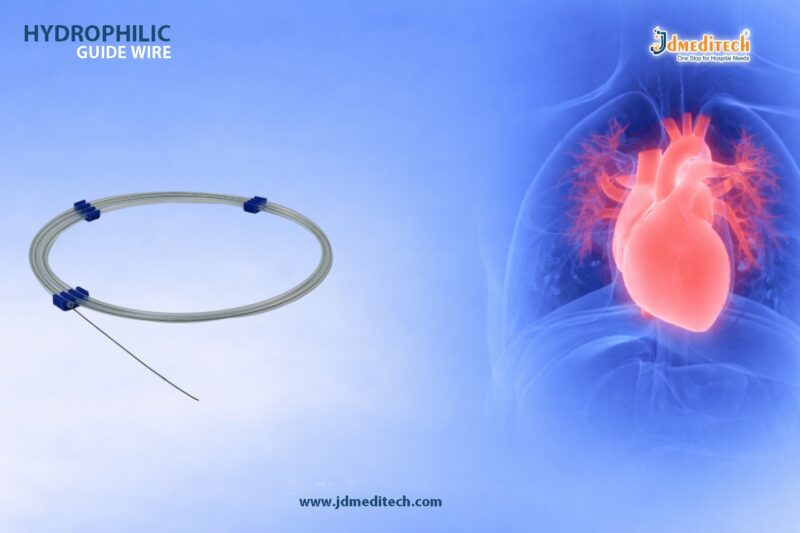
Hydrophilic Guide Wire – Trusted Solution for Interventional Cardiology

In modern interventional cardiology, precision and control are critical for successful outcomes. One of the most essential tools that enables smooth navigation through complex vascular pathways is the Hydrophilic Guide Wire. Designed with advanced coating technology, this guide wire ensures effortless maneuverability, reduced friction, and enhanced procedural efficiency.

Whether used in coronary interventions, peripheral procedures, or diagnostic angiography, the Hydrophilic Guide Wire has become a trusted solution for clinicians worldwide.

What is a Hydrophilic Guide Wire?

A Hydrophilic Guide Wire is a specialized medical device coated with a hydrophilic polymer that becomes extremely slippery when exposed to fluids. This unique property allows it to glide smoothly through blood vessels, even in tortuous or narrowed anatomies.

As a result, the Hydrophilic Guide Wire significantly improves access to challenging lesions while minimizing trauma to vessel walls.

Key Features of Hydrophilic Guide Wire
1. Advanced Hydrophilic Coating

The defining feature of a Hydrophilic Guide Wire is its lubricious coating. When activated by fluids, it reduces friction and allows seamless navigation.

2. Superior Flexibility and Torque Control

Despite its smooth surface, the Hydrophilic Guide Wire offers excellent torque transmission. This ensures precise control during complex interventions.

3. Atraumatic Tip Design

The soft, atraumatic tip of the Hydrophilic Guide Wire helps reduce the risk of vessel injury, making it safe for delicate procedures.

4. High Durability and Kink Resistance

Manufactured using high-quality materials, the Hydrophilic Guide Wire resists kinking and maintains structural integrity throughout procedures.

5. Versatile Applications

From coronary arteries to peripheral vasculature, the Hydrophilic Guide Wire is suitable for a wide range of interventions.

Applications in Interventional Cardiology

The Hydrophilic Guide Wire plays a vital role in various procedures, including:

  • Coronary Angioplasty (PCI)
  • Peripheral Vascular Interventions
  • Diagnostic Angiography
  • Chronic Total Occlusion (CTO) Procedures
  • Crossing Tight or Calcified Lesions

Because of its smooth navigation, the Hydrophilic Guide Wire is especially useful in complex and high-risk cases.

Benefits of Using Hydrophilic Guide Wire
1. Enhanced Navigation

The Hydrophilic Guide Wire easily traverses tortuous anatomy, reducing procedural difficulty.

2. Reduced Procedure Time

With improved trackability, the Hydrophilic Guide Wire helps shorten intervention time.

3. Increased Patient Safety

The atraumatic design minimizes vessel damage and complications.

4. Improved Clinical Outcomes

By enabling precise device placement, the Hydrophilic Guide Wire contributes to better success rates.

5. Cost Efficiency

Faster procedures and reduced complications lead to overall cost savings.

Why Choose a High-Quality Hydrophilic Guide Wire?

Selecting the right Hydrophilic Guide Wire is crucial for achieving optimal results. A high-quality guide wire ensures:

  • Consistent performance
  • Reliable coating durability
  • Better physician control
  • Enhanced patient safety

Healthcare professionals should always opt for trusted manufacturers that adhere to international quality standards.

Best Practices for Using Hydrophilic Guide Wire

To maximize the effectiveness of a Hydrophilic Guide Wire, consider the following:

  • Always keep the wire hydrated for optimal performance
  • Use gentle manipulation to avoid vessel trauma
  • Select appropriate tip stiffness based on the procedure
  • Combine with compatible catheters for better outcomes
Future of Hydrophilic Guide Wire Technology

With continuous innovation, the Hydrophilic Guide Wire is evolving to offer even better performance. New developments include:

  • Enhanced coating durability
  • Improved torque response
  • Hybrid wire technologies
  • Better compatibility with advanced devices

These advancements will further strengthen the role of the Hydrophilic Guide Wire in interventional cardiology.

Conclusion

The Hydrophilic Guide Wire is an indispensable tool in modern interventional cardiology. Its superior lubricity, flexibility, and safety make it a trusted solution for navigating complex vascular pathways.

As procedures become more advanced, the demand for high-performance devices like the Hydrophilic Guide Wire will continue to grow. Choosing the right guide wire not only enhances procedural success but also improves patient outcomes.


Explore More Product >>

Get Connected:

+91 79909 93062 | +91 63513 72032 | exports@jdmeditech.com
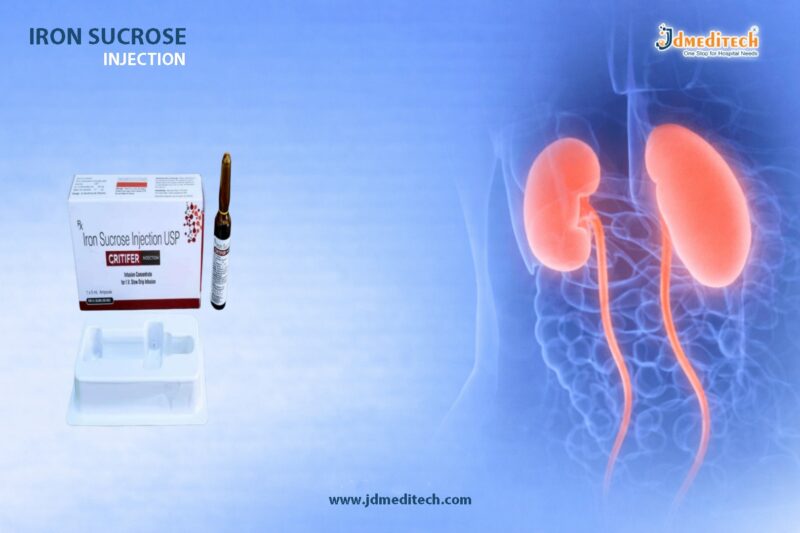


Iron Sucrose Injection – Safe IV Iron Therapy for Anemia Treatment

Iron deficiency anemia affects millions of patients worldwide. Therefore, healthcare providers rely on fast and effective treatments to restore iron levels. Iron Sucrose Injection is one of the most trusted solutions for intravenous iron therapy.

Unlike oral supplements, Iron Sucrose Injection delivers iron directly into the bloodstream. As a result, it ensures faster correction of anemia and improves patient outcomes, especially in critical care and dialysis settings.

What is Iron Sucrose Injection?

Iron Sucrose Injection is an intravenous iron therapy used to treat iron deficiency anemia. It is commonly administered in hospitals and dialysis centers under medical supervision.

Moreover, Iron Sucrose Injection provides a controlled and precise dose of iron, which helps in rapid hemoglobin production. Consequently, patients recover faster compared to oral iron therapy.

Why Iron Sucrose Injection is Preferred
1. Rapid Iron Replenishment

Firstly, Iron Sucrose Injection restores iron stores quickly. Therefore, it is ideal for patients with severe anemia.

2. High Safety Profile

In addition, Iron Sucrose Injection offers a strong safety profile. Compared to older iron formulations, it reduces the risk of adverse reactions.

3. Better Patient Tolerance

Furthermore, patients who experience gastrointestinal issues with oral iron benefit from Iron Sucrose Injection.

4. Controlled Clinical Use

Most importantly, healthcare professionals administer Iron Sucrose Injection in a controlled setting. Thus, they ensure accurate dosing and monitoring.

Clinical Applications of Iron Sucrose Injection

Healthcare providers widely use Iron Sucrose Injection in the following conditions:

  • Chronic Kidney Disease (CKD)
  • Hemodialysis and peritoneal dialysis
  • Post-surgical anemia
  • Pregnancy-related anemia (under supervision)
  • Intolerance to oral iron therapy
How Iron Sucrose Injection Works

Iron Sucrose Injection delivers iron directly into the bloodstream. Then, the body binds it with transferrin and transports it to the bone marrow.

Subsequently, the bone marrow uses this iron to produce hemoglobin. As a result, oxygen delivery improves, and patients feel more energetic.

Key Features of Iron Sucrose Injection
  • Sterile and ready-to-use formulation
  • Fast and efficient iron delivery
  • Low risk of hypersensitivity reactions
  • Suitable for repeated clinical dosing
  • Compatible with dialysis treatment protocols
Advantages of Iron Sucrose Injection Over Oral Iron
Feature Iron Sucrose Injection Oral Iron
Absorption Immediate Slow
Effectiveness High Moderate
Side Effects Minimal Common
Compliance High Low

Clearly, Iron Sucrose Injection provides superior results, especially in severe anemia cases.

Dosage and Administration

Doctors administer Iron Sucrose Injection intravenously based on patient needs. Generally, dosage depends on:

  • Severity of anemia
  • Body weight
  • Clinical condition

However, medical professionals must monitor Iron Sucrose Injection carefully to prevent iron overload.

Safety and Precautions

Although Iron Sucrose Injection is safe, healthcare providers should follow precautions:

  • Monitor for allergic reactions
  • Avoid use in iron overload conditions
  • Check hemoglobin and ferritin levels regularly
  • Administer under medical supervision
Role of Iron Sucrose Injection in Dialysis

Patients undergoing dialysis often lose iron during treatment. Therefore, Iron Sucrose Injection becomes essential for maintaining iron balance.

Additionally, it helps:

  • Maintain stable hemoglobin levels
  • Reduce blood transfusion needs
  • Improve patient quality of life
Why Choose Quality Iron Sucrose Injection?

High-quality Iron Sucrose Injection ensures better clinical outcomes. Moreover, it enhances patient safety and treatment reliability.

At JDMeditech, we provide trusted medical solutions that meet global standards

Conclusion

In conclusion, Iron Sucrose Injection is a reliable and effective solution for treating iron deficiency anemia. Furthermore, its rapid action, safety profile, and clinical efficiency make it a preferred choice worldwide.

Therefore, healthcare providers continue to rely on Iron Sucrose Injection to improve patient outcomes and ensure better quality of care.


Explore More Product >>

Get Connected:

+91 79909 93062 | +91 63513 72032 | exports@jdmeditech.com
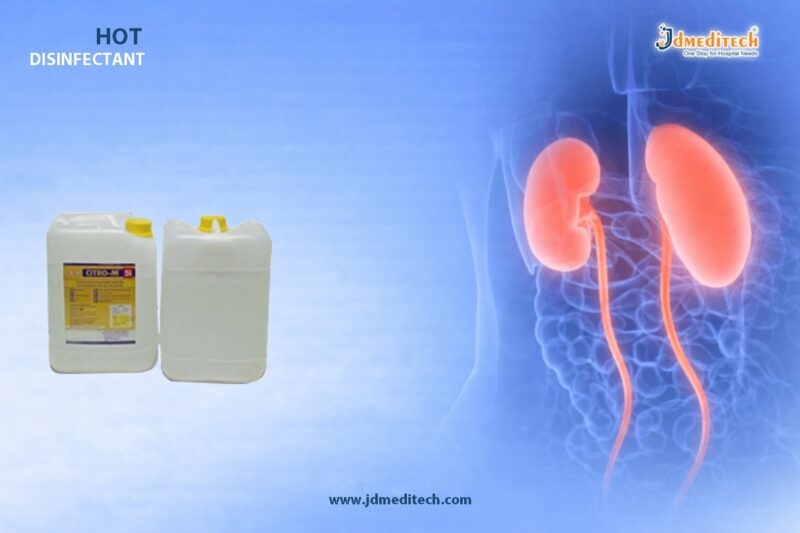


Hot Disinfectant for Medical Sterilization – Fast & Reliable Infection Control

In modern healthcare environments, maintaining strict hygiene standards is non-negotiable. A Hot Disinfectant plays a critical role in ensuring rapid microbial elimination, especially in high-risk medical settings. Designed for fast action and reliable sterilization, hot disinfectants are widely used in hospitals, clinics, laboratories, and surgical units.

Whether it’s for instrument reprocessing or surface disinfection, a hot disinfectant solution ensures optimal infection control while saving valuable time.

What is a Hot Disinfectant?

A Hot Disinfectant is a specialized chemical solution activated or used at elevated temperatures to enhance its antimicrobial effectiveness. It is formulated to kill a wide range of pathogens, including:

  • Bacteria
  • Viruses
  • Fungi
  • Spores (in some formulations)

The combination of heat and chemical action significantly improves disinfection efficiency, making it ideal for critical healthcare applications.

Why Hot Disinfectant is Essential in Healthcare

Healthcare-associated infections (HAIs) are a major concern worldwide. Therefore, using a rapid-action disinfectant becomes essential.

Key Benefits:
 Rapid Microbial Kill

Hot disinfectants work faster compared to standard solutions, reducing turnaround time for sterilization.

 Enhanced Effectiveness

Heat increases chemical reactivity, ensuring deeper penetration and better pathogen elimination.

 Wide Spectrum Coverage

Effective against a broad range of microorganisms, making it suitable for multi-purpose use.

 Improved Infection Control

Supports strict hygiene protocols in OT rooms, ICUs, and diagnostic labs.

Applications of Hot Disinfectant

A hot disinfectant solution is versatile and used across multiple healthcare environments:

🏥 Hospital & Clinical Settings
  • Operation theaters (OT)
  • Intensive Care Units (ICU)
  • Emergency rooms
🔬 Laboratories
  • Equipment sterilization
  • Surface disinfection
🧪 Medical Instrument Processing
  • Endoscopy instruments
  • Surgical tools
  • Dialysis equipment
🧼 Surface Disinfection
  • Floors, walls, and high-touch areas
Key Features of High-Quality Hot Disinfectants

When selecting a hot disinfectant for medical use, consider the following features:

  • Fast-acting formulation
  • Thermal stability
  • Non-corrosive composition
  • Safe for delicate instruments
  • Residue-free cleaning
  • Compatibility with automated systems

These features ensure both efficiency and safety in demanding medical environments.

How to Use Hot Disinfectant Effectively

To achieve optimal sterilization results, proper usage is essential:

  1. Prepare the solution as per manufacturer guidelines
  2. Heat to the recommended temperature
  3. Immerse or apply on surfaces/instruments
  4. Maintain contact time for effective disinfection
  5. Rinse (if required) and dry properly

⚠️ Always follow safety protocols and wear protective equipment during handling.

Hot Disinfectant vs Cold Disinfectant
Feature Hot Disinfectant Cold Disinfectant
Action Speed Faster Slower
Effectiveness Higher (with heat) Moderate
Use Case Critical sterilization Routine cleaning
Efficiency High Standard

A hot disinfectant is ideal for high-risk and critical applications, while cold disinfectants are suitable for general cleaning.

Safety Considerations

While hot disinfectants are highly effective, proper precautions must be followed:

  • Use appropriate PPE (gloves, goggles)
  • Avoid direct skin contact
  • Ensure proper ventilation
  • Store in recommended conditions
Why Choose a Trusted Hot Disinfectant Supplier?

Selecting a reliable manufacturer ensures:

  • Consistent product quality
  • Compliance with medical standards
  • Safe and effective formulations
  • Reliable supply chain

For healthcare providers, investing in a trusted hot disinfectant solution ensures patient safety and operational efficiency.

Conclusion

A Hot Disinfectant – Rapid Action, Reliable Sterilization is an essential component of modern infection control practices. Its ability to deliver fast, effective, and broad-spectrum disinfection makes it indispensable in healthcare environments.

By choosing the right disinfectant and following proper usage protocols, medical facilities can significantly reduce infection risks and maintain the highest hygiene standards.


Explore More Product >>

Get Connected:

+91 79909 93062 | +91 63513 72032 | exports@jdmeditech.com
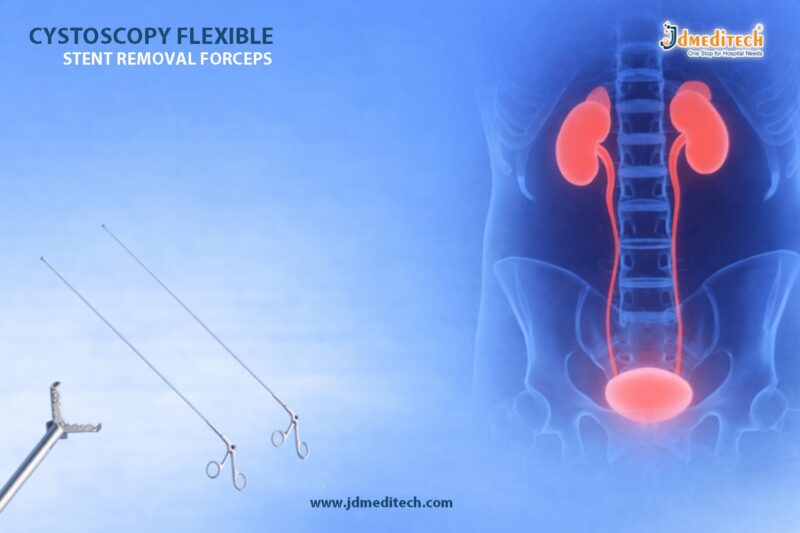


Cystoscopy Flexible Stent Removal Forceps – Precision Tools for Cystoscopic Retrieval

In modern urology, precision and safety are essential for successful procedures. Among the many specialized instruments used during cystoscopy, the Cystoscopy Flexible Stent Removal Forceps plays a vital role in the safe and efficient removal of ureteral stents.

Designed for compatibility with flexible cystoscopes, these forceps provide enhanced control, firm grip, and minimal patient discomfort. As a result, they have become an indispensable tool in urological practice.

What is a Cystoscopy Flexible Stent Removal Forceps?

A Cystoscopy Flexible Stent Removal Forceps is a specialized endoscopic instrument used to retrieve ureteral stents from the bladder during cystoscopic procedures.

Unlike rigid tools, these forceps are specifically engineered to work with flexible cystoscopes, allowing smooth navigation through the urinary tract. Consequently, they enable urologists to perform procedures with greater precision and reduced trauma.

Key Features of Flexible Stent Removal Forceps
1. Flexible Shaft Design

The flexible shaft allows easy maneuverability within the urinary tract. Therefore, it ensures accurate access to the stent without causing unnecessary injury.

2. High-Grip Jaw Mechanism

The jaws are designed for secure grasping of ureteral stents. This prevents slippage and ensures efficient retrieval.

3. Compatibility with Flexible Cystoscopes

These forceps are optimized for use with modern flexible cystoscopes, ensuring seamless integration during procedures.

4. Smooth Insertion and Withdrawal

The device offers low-friction insertion, which enhances patient comfort and procedural efficiency.

5. Durable and Medical-Grade Construction

Manufactured using high-quality materials, the Cystoscopy Flexible Stent Removal Forceps ensures longevity, reliability, and resistance to corrosion.

Clinical Applications

The Cystoscopy Flexible Stent Removal Forceps is widely used in:

  • Ureteral stent removal procedures
  • Post-operative stent retrieval
  • Routine cystoscopic evaluations
  • Minimally invasive urological interventions

Because of its precision, it significantly reduces procedural complications.

Advantages of Using Flexible Stent Removal Forceps
Enhanced Precision

The flexible design enables urologists to reach difficult areas with ease.

Improved Patient Comfort

Since the procedure is minimally invasive, patients experience less pain and faster recovery.

Reduced Risk of Injury

The controlled grip minimizes the risk of tissue damage and stent displacement.

Time Efficiency

Quick and secure retrieval helps reduce overall procedure time.

Why Choose High-Quality Stent Removal Forceps?

Selecting a high-quality Cystoscopy Flexible Stent Removal Forceps ensures:

  • Consistent performance
  • Better clinical outcomes
  • Reduced risk of procedural errors
  • Long-term cost efficiency

Healthcare providers should always prioritize precision-engineered instruments for optimal results.

Best Practices for Use

To maximize performance, consider the following:

  • Always verify compatibility with the cystoscope
  • Ensure proper sterilization before use
  • Handle the instrument with controlled movements
  • Inspect jaws for grip efficiency before the procedure

Following these steps improves both safety and effectiveness.

Maintenance and Care

Proper maintenance extends the life of the Cystoscopy Flexible Stent Removal Forceps:

  • Clean immediately after use
  • Use approved sterilization methods
  • Store in a dry, sterile environment
  • Regularly inspect for wear and tear
Conclusion

The Cystoscopy Flexible Stent Removal Forceps is a critical instrument in modern urology, offering precision, safety, and efficiency in cystoscopic retrieval procedures.

With its flexible design, secure grip, and compatibility with advanced cystoscopes, it significantly enhances both clinical outcomes and patient experience. Therefore, investing in high-quality stent removal forceps is essential for every urology setup.


Explore More Product >>

Get Connected:

+91 79909 93062 | +91 63513 72032 | exports@jdmeditech.com
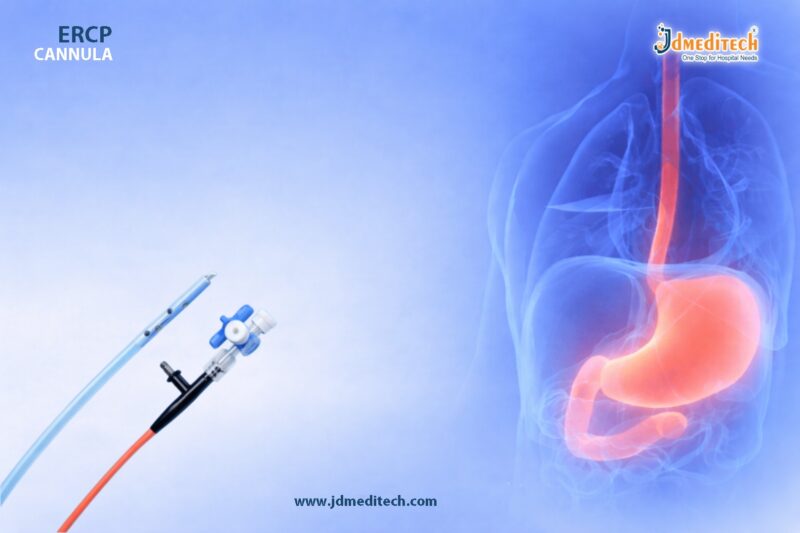
 

ERCP Cannula – Key Tool for Digestive Health & ERCP Procedures

The ERCP Cannula plays a crucial role in modern gastroenterology. It helps doctors perform precise and minimally invasive procedures. In fact, the ERCP Cannula is widely used in Endoscopic Retrograde Cholangiopancreatography (ERCP) to access the biliary and pancreatic ducts.

Moreover, the ERCP Cannula improves diagnostic accuracy and treatment outcomes. As a result, it has become an essential tool for maintaining digestive health.

What is an ERCP Cannula?

An ERCP Cannula is a specialized, flexible medical device used during ERCP procedures. It allows clinicians to inject contrast dye, guide wires, and access targeted ducts with precision.

In addition, the ERCP Cannula ensures smooth navigation through complex anatomical pathways. Therefore, it significantly reduces procedural risks and improves efficiency.

Why is ERCP Cannula Important for Digestive Health?

The ERCP Cannula is important because it enables early diagnosis and treatment of digestive disorders. For instance, it is used in detecting and managing:

  • Bile duct stones
  • Pancreatic duct blockages
  • Biliary strictures
  • Tumors in the digestive system

Furthermore, the ERCP Cannula supports minimally invasive treatment. Consequently, patients experience faster recovery and fewer complications.

Key Features of ERCP Cannula

A high-quality ERCP Cannula includes several advanced features that enhance performance:

1. Flexible Design

The ERCP Cannula offers excellent flexibility. Therefore, it easily navigates through delicate structures.

2. Radiopaque Tip

The ERCP Cannula features a radiopaque tip. As a result, it improves visibility under fluoroscopy.

3. Multi-Lumen Configuration

Many ERCP Cannula models come with multiple lumens. This design allows simultaneous guidewire use and contrast injection.

4. Smooth Surface Finish

The ERCP Cannula ensures minimal friction. Hence, it allows safe and controlled insertion.

5. Guidewire Compatibility

The ERCP Cannula works seamlessly with standard guidewires. Thus, it improves procedural success rates.

Applications of ERCP Cannula

The ERCP Cannula is widely used in both diagnostic and therapeutic procedures. For example:

  • Biliary and pancreatic duct cannulation
  • Contrast dye injection
  • Stent placement procedures
  • Stone removal interventions

Additionally, the ERCP Cannula enhances procedural control. Therefore, it is a preferred choice for gastroenterologists.

Advantages of Using ERCP Cannula

The ERCP Cannula offers several important advantages:

  • Minimally invasive treatment approach
  • Improved procedural precision
  • Reduced recovery time
  • Enhanced patient safety
  • Better clinical outcomes

Moreover, the ERCP Cannula allows efficient workflow in endoscopic procedures. As a result, it increases overall success rates.

How to Choose the Right ERCP Cannula

Choosing the right ERCP Cannula is essential for optimal results. Therefore, consider the following factors:

  • Tip flexibility and design
  • Number of lumens
  • Compatibility with guidewires
  • Material quality and durability
  • Sterility and safety compliance

By selecting the right ERCP Cannula, healthcare professionals can ensure better performance and safety.

Why Choose JDMeditech ERCP Cannula?

At JDMeditech, we provide high-quality ERCP Cannula solutions designed for precision and reliability. Furthermore, our products meet strict medical standards.

Key Benefits:
  • High flexibility and smooth navigation
  • Excellent imaging visibility
  • Strong compatibility with endoscopic systems
  • Reliable and safe performance
Best Practices for Using ERCP Cannula

To ensure safe and effective use of the ERCP Cannula, follow these practices:

  • Always use sterile equipment
  • Ensure proper positioning under imaging
  • Use compatible accessories
  • Avoid excessive force during insertion

By following these steps, the ERCP Cannula delivers optimal results and safety.

Conclusion

The ERCP Cannula is a key tool for digestive health. It enables precise access, accurate diagnosis, and effective treatment of biliary and pancreatic conditions.

In conclusion, the ERCP Cannula improves patient outcomes and procedural success. Therefore, it remains an essential device in modern gastroenterology.


Explore More Product >>

Get Connected:

+91 79909 93062 | +91 63513 72032 | exports@jdmeditech.com
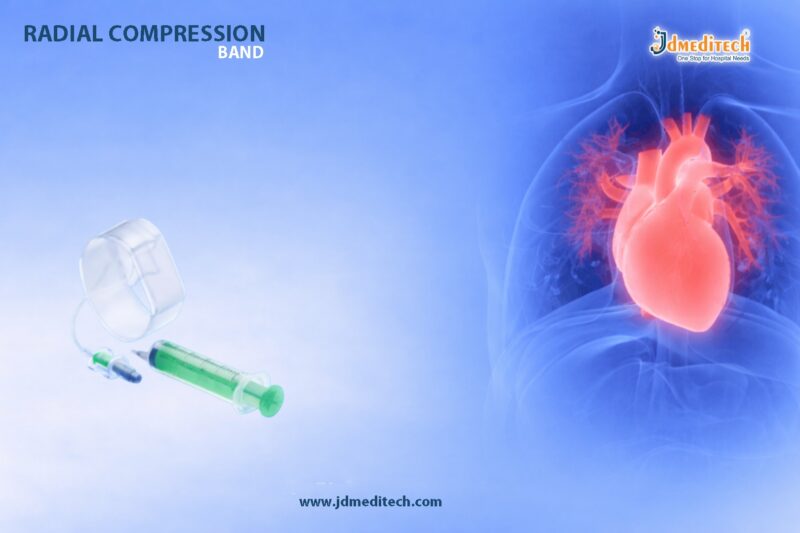


Radial Compression Band for Safe Radial Artery Management

The Radial Compression Band plays a crucial role in modern interventional cardiology. Today, radial artery access is widely preferred because it improves patient comfort and reduces recovery time. However, proper post-procedure care is equally important. Therefore, using a Radial Compression Band ensures safe and effective hemostasis after procedures.

In addition, a Radial Compression Band helps maintain arterial patency while controlling bleeding. As a result, it significantly reduces complications and enhances patient outcomes.

What is a Radial Compression Band?

A Radial Compression Band is a specialized device designed to apply controlled pressure on the radial artery after catheterization. Unlike traditional methods, the Radial Compression Band provides precise compression without blocking blood flow completely.

Moreover, this device ensures that hemostasis is achieved safely. At the same time, it allows continuous blood circulation, which is essential for preventing arterial damage.

Importance of Radial Compression Band in Artery Management

The Radial Compression Band is essential for safe radial artery management. Without proper compression, complications can arise quickly. Therefore, using a Radial Compression Band ensures better clinical outcomes.

For example, it helps to:

  • Prevent bleeding and hematoma formation
  • Reduce the risk of radial artery occlusion
  • Improve patient comfort during recovery
  • Support early discharge and mobility

Consequently, the Radial Compression Band has become a standard device in transradial procedures.

Key Features of Radial Compression Band
1. Precise Pressure Control

The Radial Compression Band allows controlled and adjustable pressure. Therefore, clinicians can achieve optimal hemostasis easily.

2. Transparent Monitoring Pad

With a clear pad, the Radial Compression Band enables continuous observation of the puncture site. As a result, any bleeding can be detected early.

3. Comfortable Design

The Radial Compression Band is designed for patient comfort. In addition, it ensures a secure fit without causing discomfort.

4. Easy Inflation System

Most Radial Compression Band devices include a syringe-based inflation system. Thus, pressure can be adjusted gradually.

5. Secure Fastening

The Radial Compression Band stays in place due to its strong fastening mechanism. Therefore, it remains stable during patient movement.

Clinical Applications of Radial Compression Band

The Radial Compression Band is widely used in several medical procedures. These include:

  • Coronary angiography
  • Percutaneous coronary intervention (PCI)
  • Diagnostic catheterization
  • Interventional radiology

In each case, the Radial Compression Band ensures safe closure of the radial access site.

Benefits of Using Radial Compression Band
 Improved Safety

The Radial Compression Band minimizes bleeding and complications.

Faster Recovery

Patients recover quickly when a Radial Compression Band is used properly.

Maintains Blood Flow

The Radial Compression Band ensures arterial patency during compression. 

Easy to Use

Healthcare professionals prefer the Radial Compression Band because it is simple and efficient.

Cost-Effective

The Radial Compression Band reduces additional treatment costs by preventing complications.

How to Use a Radial Compression Band

Using a Radial Compression Band correctly is essential. Follow these steps:

  1. Place the Radial Compression Band over the puncture site
  2. Inflate the device until bleeding stops
  3. Secure the Radial Compression Band properly
  4. Monitor the site continuously
  5. Gradually deflate the Radial Compression Band

By following these steps, clinicians can ensure safe and effective results.

Best Practices for Radial Compression Band

To achieve the best results with a Radial Compression Band, consider the following:

  • Apply only the required pressure
  • Monitor the site regularly
  • Avoid sudden pressure release
  • Follow clinical guidelines carefully

Thus, proper use of the Radial Compression Band improves patient safety.

Why Choose Quality Radial Compression Band?

A high-quality Radial Compression Band ensures consistent performance. Furthermore, it enhances patient comfort and clinical reliability. Therefore, choosing the right Radial Compression Band is essential for healthcare providers.

At JDMeditech, we provide advanced solutions designed for precision and safety. Our Radial Compression Band meets high-quality standards and supports better outcomes.

Conclusion

The Radial Compression Band is an essential device for safe radial artery management. It provides controlled pressure, maintains blood flow, and reduces complications. Therefore, every healthcare facility should use a reliable Radial Compression Band for better patient outcomes.


Explore More Product >>

Get Connected:

+91 79909 93062 | +91 63513 72032 | exports@jdmeditech.com
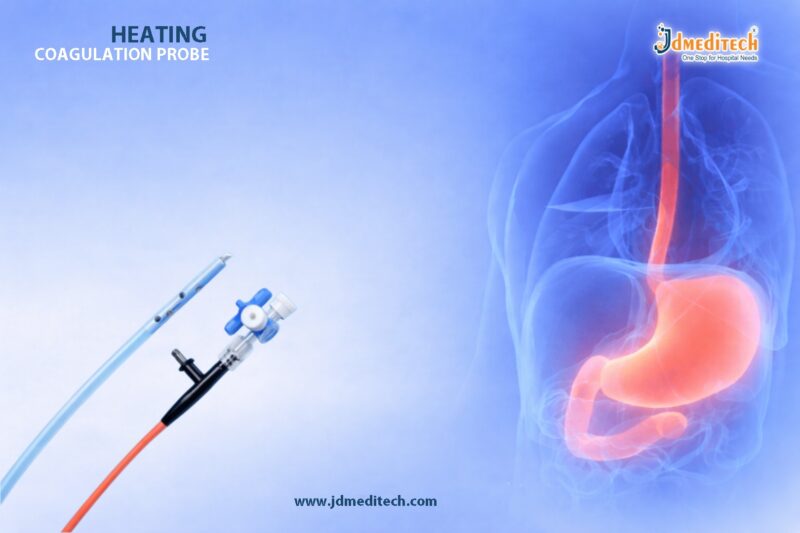


Heating Coagulation Probe for Endoscopy – Precision Hemostasis Solution

In modern gastrointestinal endoscopy, achieving rapid and controlled hemostasis is critical. The Heating Coagulation Probe plays a vital role in managing bleeding lesions with precision and safety. Designed for effective thermal coagulation, this advanced endoscopic device ensures reliable outcomes in both diagnostic and therapeutic procedures.

As endoscopic technologies continue to evolve, the Heating Coagulation Probe has become an essential tool for gastroenterologists aiming to deliver efficient and minimally invasive care.

What is a Heating Coagulation Probe?

A Heating Coagulation Probe is an endoscopic accessory used to apply controlled heat to tissue for coagulation. It works by delivering thermal energy directly to bleeding vessels, thereby sealing them and stopping hemorrhage.

Unlike conventional methods, the Heating Coagulation Probe allows targeted treatment with minimal damage to surrounding tissues. Therefore, it is widely preferred in modern endoscopic procedures.

Key Features of Heating Coagulation Probe
1. Precise Thermal Energy Delivery

The probe ensures accurate application of heat, which helps in effective coagulation without excessive tissue injury.

2. Flexible and Compatible Design

The Heating Coagulation Probe is compatible with standard endoscopes, making it suitable for various gastrointestinal procedures.

3. Controlled Coagulation

It allows clinicians to regulate energy output, ensuring safe and efficient hemostasis.

4. Durable Construction

Manufactured with high-quality medical-grade materials, the probe ensures reliability and long-term performance.

5. User-Friendly Operation

The ergonomic design enhances ease of use during complex procedures.

Clinical Applications of Heating Coagulation Probe

The Heating Coagulation Probe is widely used in several endoscopic procedures, including:

  • Treatment of gastrointestinal bleeding
  • Management of peptic ulcers
  • Control of post-polypectomy bleeding
  • Hemostasis in vascular lesions
  • Treatment of angiodysplasia

As a result, it significantly improves patient outcomes and reduces the need for surgical intervention.

Benefits of Using Heating Coagulation Probe
 Effective Hemostasis

The probe provides immediate coagulation, reducing active bleeding quickly.

Minimally Invasive

Since it is used during endoscopy, it eliminates the need for open surgical procedures.

 Enhanced Precision

The Heating Coagulation Probe allows targeted therapy, minimizing collateral tissue damage.

Reduced Procedure Time

Efficient coagulation leads to faster procedures and improved workflow.

Improved Patient Safety

Controlled energy delivery reduces complications and enhances overall safety.

Why Choose a High-Quality Heating Coagulation Probe?

Selecting a premium Heating Coagulation Probe ensures:

  • Consistent performance during critical procedures
  • Better control over thermal energy
  • Increased durability and reliability
  • Enhanced procedural success rates

At JDMeditech, we focus on delivering high-quality endoscopic solutions designed to meet international standards.

Best Practices for Using Heating Coagulation Probe

To achieve optimal results, clinicians should:

  • Ensure proper positioning of the probe
  • Use appropriate energy settings
  • Avoid prolonged contact with tissue
  • Follow standard endoscopic safety protocols

By adhering to these practices, the effectiveness of the Heating Coagulation Probe can be maximized.

Future of Endoscopic Hemostasis

With advancements in medical technology, the Heating Coagulation Probe is becoming more sophisticated. Innovations are focused on improving precision, safety, and ease of use. Consequently, it continues to play a crucial role in minimally invasive gastrointestinal treatments.

Conclusion

The Heating Coagulation Probe stands out as a reliable and precise solution for achieving hemostasis in endoscopic procedures. Its ability to deliver controlled thermal energy ensures effective bleeding management while maintaining patient safety.

For healthcare professionals seeking efficiency and precision, the Heating Coagulation Probe is an indispensable tool in modern endoscopy.


Explore More Product >>

+91 79909 93062 | +91 63513 72032 | exports@jdmeditech.com
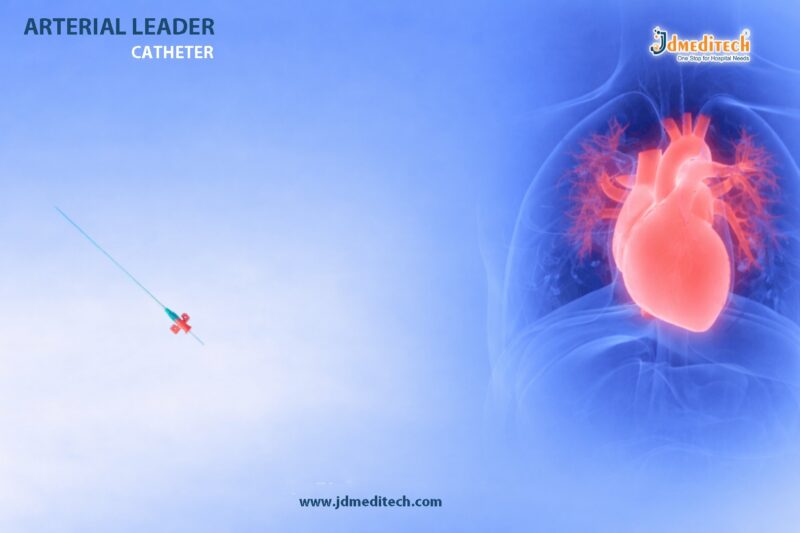


Arterial Leader Catheter – Precision Access for Cardiovascular Procedures

In modern interventional cardiology and vascular procedures, precision and control are critical. The Arterial Leader Catheter plays a vital role in ensuring smooth vascular access, accurate navigation, and successful procedural outcomes. Designed for reliability and performance, this catheter is widely used by clinicians for diagnostic and therapeutic interventions.

In this blog, we will explore the features, uses, benefits, and clinical importance of the Arterial Leader Catheter, while also understanding why it is an essential tool in cardiovascular procedures.

What is an Arterial Leader Catheter?

The Arterial Leader Catheter is a specialized medical device used to guide interventional tools through arterial pathways. It acts as a supportive conduit, allowing physicians to safely and efficiently reach targeted vascular sites.

Moreover, it ensures smooth insertion and controlled navigation, which is crucial during complex cardiovascular procedures.

Key Features of Arterial Leader Catheter
1. High-Quality Medical-Grade Material

The catheter is manufactured using premium materials that ensure biocompatibility, flexibility, and durability. As a result, it minimizes the risk of vascular trauma.

2. Excellent Torque Response

It offers superior torque transmission. Therefore, clinicians can achieve precise directional control during navigation.

3. Smooth Surface Finish

The catheter features a low-friction surface, which allows easy insertion and reduces resistance inside blood vessels.

4. Kink-Resistant Design

Its advanced construction prevents kinking. Consequently, it ensures uninterrupted performance during procedures.

5. Radiopaque Tip for Visibility

The catheter includes a radiopaque tip. Hence, it provides clear visualization under fluoroscopy, improving procedural accuracy.

Clinical Applications of Arterial Leader Catheter

The Arterial Leader Catheter is widely used in various cardiovascular and vascular procedures, including:

  • Coronary angiography
  • Peripheral angiography
  • Angioplasty procedures
  • Vascular access guidance
  • Interventional radiology procedures

In addition, it plays a crucial role in diagnostic as well as therapeutic interventions.

Benefits of Using Arterial Leader Catheter
1. Enhanced Procedural Accuracy

Because of its precise control and flexibility, the catheter allows accurate placement within the vascular system.

2. Improved Patient Safety

Its smooth design reduces trauma. Therefore, it minimizes complications during insertion.

3. Efficient Workflow

The catheter ensures quick and smooth navigation, which helps reduce procedure time.

4. Reliable Performance

Its kink-resistant structure ensures consistent functionality even in complex cases.

5. Better Visualization

Thanks to the radiopaque tip, clinicians can monitor positioning in real-time.

Why Choose a High-Quality Arterial Leader Catheter?

Choosing a premium Arterial Leader Catheter is essential for achieving optimal clinical outcomes. High-quality catheters provide:

  • Superior control and maneuverability
  • Reduced risk of complications
  • Consistent and reliable performance
  • Enhanced procedural efficiency

Therefore, healthcare professionals always prefer trusted manufacturers that ensure strict quality standards and precision engineering.

Best Practices for Use

To maximize performance, clinicians should follow these best practices:

  • Always use under proper imaging guidance
  • Ensure compatibility with guidewires and introducers
  • Maintain sterile handling procedures
  • Select appropriate catheter size and type based on the procedure
Conclusion

The Arterial Leader Catheter is an indispensable tool in modern cardiovascular procedures. With its advanced design, excellent torque control, and reliable performance, it ensures precision access and improved patient outcomes.

As cardiovascular interventions continue to evolve, the demand for high-performance arterial leader catheters will only grow. Therefore, investing in quality devices is crucial for both clinicians and healthcare facilities.


Explore More Product >>

Get Connected:

+91 79909 93062 | +91 63513 72032 | exports@jdmeditech.com
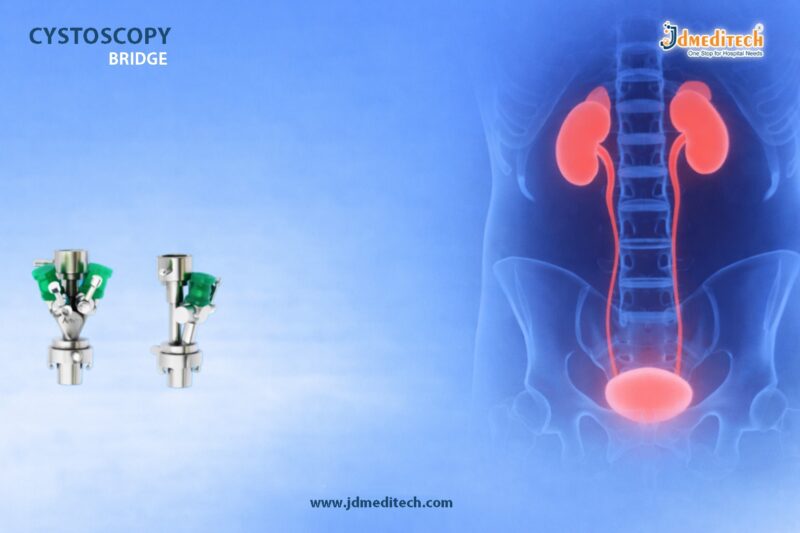


Cystoscope Bridge in Cystoscopy Procedures – Features, Uses & Benefits

In modern urology, precision and seamless connectivity between instruments are essential for successful outcomes. One such critical component is the Cystoscope Bridge, a small yet highly functional device that plays a vital role in cystoscopy procedures.

The Cystoscope Bridge ensures smooth integration between the cystoscope sheath and working instruments, enabling urologists to perform diagnostic and therapeutic procedures efficiently. In this blog, we will explore its features, uses, benefits, and clinical importance.

What is a Cystoscope Bridge?

A Cystoscope Bridge is a specialized connector used in cystoscopy procedures to attach accessories such as forceps, electrodes, or irrigation systems to the cystoscope sheath.

It acts as a functional interface, allowing multiple instruments to be used simultaneously without compromising visualization or control.

Why is the Cystoscope Bridge Important in Cystoscopy?

The Cystoscope Bridge is essential because it:

  • Ensures secure attachment of surgical instruments
  • Enables continuous irrigation flow
  • Supports multi-instrument access
  • Enhances procedure efficiency and safety

Without a reliable Cystoscope Bridge, performing precise urological interventions becomes significantly more challenging.

Key Features of Cystoscope Bridge
1. High-Quality Medical-Grade Material

The Cystoscope Bridge is typically made from stainless steel or durable polymers, ensuring longevity and resistance to repeated sterilization.

2. Ergonomic Design

Its compact and user-friendly design allows surgeons to handle instruments with better control and minimal fatigue.

3. Leak-Proof Connection

A well-designed Cystoscope Bridge provides a tight seal, preventing fluid leakage during irrigation.

4. Compatibility

Most Cystoscope Bridges are compatible with standard cystoscope sheaths and accessories, making them versatile in clinical settings.

5. Multiple Ports

Some bridges come with dual or multiple channels, allowing simultaneous use of instruments and irrigation.

Applications of Cystoscope Bridge

The Cystoscope Bridge is widely used in:

  • Diagnostic cystoscopy
  • Bladder examination
  • Biopsy procedures
  • Stone removal
  • Tumor resection support procedures
  • Urethral assessments

Its versatility makes it indispensable in both routine and advanced urological procedures.

Benefits of Using a High-Quality Cystoscope Bridge
Improved Surgical Efficiency

The Cystoscope Bridge allows smooth instrument exchange, reducing procedure time.

Enhanced Patient Safety

Secure connections minimize the risk of fluid leakage and instrument instability.

Better Visualization

Continuous irrigation ensures a clear surgical field throughout the procedure.

Durability and Cost-Effectiveness

Reusable, high-quality bridges offer long-term value for hospitals and clinics.

How to Choose the Right Cystoscope Bridge

When selecting a Cystoscope Bridge, consider:

  • Compatibility with existing cystoscope systems
  • Material quality (prefer stainless steel for durability)
  • Number of ports required
  • Ease of sterilization
  • Ergonomic handling

Choosing the right Cystoscope Bridge ensures optimal performance and reliability during procedures.

Maintenance and Sterilization

Proper care of the Cystoscope Bridge is crucial:

  • Clean immediately after use
  • Use approved disinfectants
  • Sterilize using autoclave methods (if compatible)
  • Inspect for wear and tear regularly

Regular maintenance extends the lifespan and ensures patient safety.

Future Trends in Cystoscope Bridge Design

With advancements in medical technology, Cystoscope Bridges are evolving:

  • Improved lightweight materials
  • Enhanced fluid control systems
  • Better instrument integration
  • Increased compatibility with advanced endoscopic systems

These innovations continue to improve urological outcomes.

Conclusion

The Cystoscope Bridge may seem like a small component, but it plays a crucial role in the success of cystoscopy procedures. By ensuring seamless connectivity, efficient irrigation, and multi-instrument access, it enhances both surgical precision and patient safety.

For healthcare providers, investing in a high-quality Cystoscope Bridge is essential for delivering reliable and effective urological care.


Explore More Product >>

Get Connected:

+91 79909 93062 | +91 63513 72032 | exports@jdmeditech.com
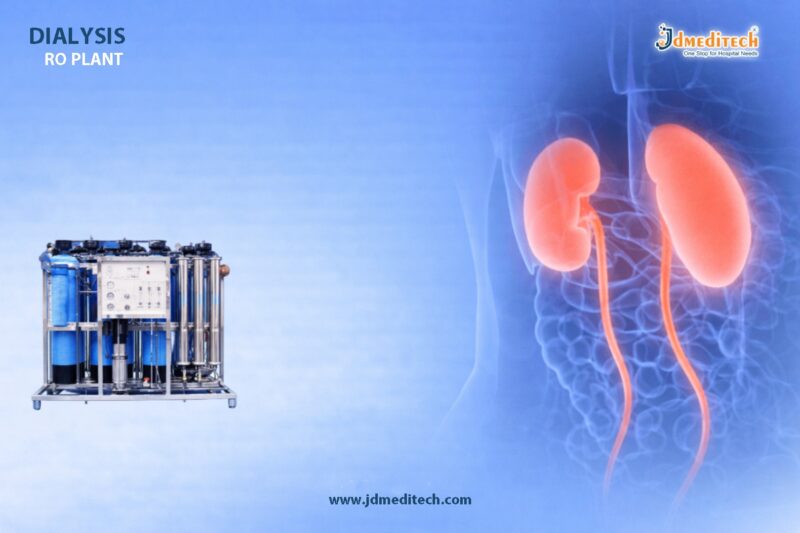


Dialysis Stainless Steel RO Plant – Pure Water for Safe Dialysis

In modern healthcare, water purity is critical for dialysis safety. Even the smallest contamination can lead to serious complications for patients undergoing treatment. Therefore, healthcare facilities rely heavily on advanced purification systems like the Dialysis Stainless Steel RO Plant.

A Dialysis Stainless Steel RO Plant ensures ultra-pure water, consistent performance, and long-term durability. Moreover, it plays a vital role in maintaining patient safety, improving treatment outcomes, and meeting global dialysis standards.

What is a Dialysis Stainless Steel RO Plant?

A Dialysis Stainless Steel RO Plant is a high-performance water purification system specifically designed for dialysis applications. It uses reverse osmosis (RO) technology combined with stainless steel construction to deliver safe, contaminant-free water.

Unlike conventional systems, this plant is built to meet strict medical-grade requirements. As a result, it removes harmful impurities such as:

  • Bacteria and endotoxins
  • Dissolved salts and heavy metals
  • Chlorine and organic contaminants
  • Particulates and sediments

Consequently, it ensures that dialysis machines receive only highly purified water, which is essential for patient safety.

Why Stainless Steel Matters in Dialysis RO Plants

The use of stainless steel in a Dialysis Stainless Steel RO Plant is not just about durability—it is about hygiene and performance.

Key Benefits:
1. Superior Hygiene

Stainless steel surfaces resist bacterial growth. Therefore, they are ideal for medical environments.

2. Corrosion Resistance

Unlike plastic systems, stainless steel does not degrade easily. Hence, it ensures long-term reliability.

3. Easy Cleaning & Sterilization

Because of its smooth surface, stainless steel allows effective cleaning and disinfection.

4. Longer Lifespan

A Dialysis Stainless Steel RO Plant offers extended service life with minimal maintenance.

Key Features of Dialysis Stainless Steel RO Plant

A high-quality Dialysis Stainless Steel RO Plant is equipped with advanced features that ensure efficiency and safety:

  • Multi-stage filtration system for maximum purification
  • High-rejection RO membranes for superior performance
  • Stainless steel piping and frame for hygiene and durability
  • Automated monitoring system for real-time control
  • Low maintenance design to reduce operational costs
  • Consistent flow rate and pressure control

Additionally, these features ensure that the plant meets international standards such as AAMI and ISO guidelines.

How Dialysis Stainless Steel RO Plant Works

Understanding the working principle of a Dialysis Stainless Steel RO Plant helps highlight its importance.

Step-by-Step Process:
Pre-Filtration
Removes large particles like sand, dirt, and sediments.
Carbon Filtration
Eliminates chlorine and organic compounds.
Water Softening
Reduces hardness and prevents scaling.
Reverse Osmosis (RO)
Removes dissolved salts, bacteria, and endotoxins.
Post-Treatment (Optional)
Includes UV sterilization or ultrafiltration for added safety.

As a result, the output water is ultra-pure and suitable for dialysis procedures.

Applications in Healthcare

A Dialysis Stainless Steel RO Plant is widely used in:

  • Dialysis centers
  • Hospitals and nephrology units
  • Intensive care units (ICUs)
  • Multi-specialty healthcare facilities

Because of its reliability, it is essential for both chronic and acute dialysis treatments.

Advantages of Using Dialysis Stainless Steel RO Plant

Using a Dialysis Stainless Steel RO Plant offers multiple benefits:

  • Ensures patient safety by eliminating contaminants
  • Improves dialysis efficiency with consistent water quality
  • Reduces risk of infection and complications
  • Complies with global medical standards
  • Provides long-term cost savings due to durability

Furthermore, it enhances the overall quality of healthcare services.

Maintenance and Best Practices

To maintain optimal performance of a Dialysis Stainless Steel RO Plant, regular maintenance is essential.

Recommended Practices:
  • Routine system sanitization
  • Periodic membrane replacement
  • Monitoring water quality parameters
  • Checking pressure and flow rates
  • Scheduled servicing by professionals

By following these practices, healthcare facilities can ensure uninterrupted operation.

Why Choose JDMeditech?

At JDMeditech, we provide advanced Dialysis Stainless Steel RO Plant solutions designed for safety, durability, and performance.

What Sets Us Apart:
  • Premium-quality stainless steel construction
  • Compliance with international standards
  • Reliable and consistent purification
  • Customizable solutions for healthcare facilities
  • Dedicated customer support
Conclusion

A Dialysis Stainless Steel RO Plant is not just a water purification system—it is a critical component in ensuring safe and effective dialysis treatment. With its advanced technology, stainless steel durability, and compliance with global standards, it guarantees pure water, safe dialysis, and trusted quality.

Investing in a high-quality Dialysis Stainless Steel RO Plant is essential for delivering better patient care and maintaining healthcare excellence.


Explore More Product >>

Get Connected:

+91 79909 93062 | +91 63513 72032 | exports@jdmeditech.com