Efficient Specimen Collection in Endoscopy: Polyp Trap Benefits & Uses

In modern gastrointestinal endoscopy, accurate specimen collection is just as critical as the procedure itself. Among the essential accessories that support this process, the polyp trap plays a vital role. Designed to safely capture and retrieve excised tissue, a polyp trap in endoscopy ensures that valuable biopsy samples are not lost during suction.

As endoscopic procedures become more advanced, the need for reliable specimen collection tools continues to grow. Therefore, understanding the function, benefits, and applications of a polyp trap is essential for healthcare professionals aiming for precision and efficiency.

What is a Polyp Trap in Endoscopy?

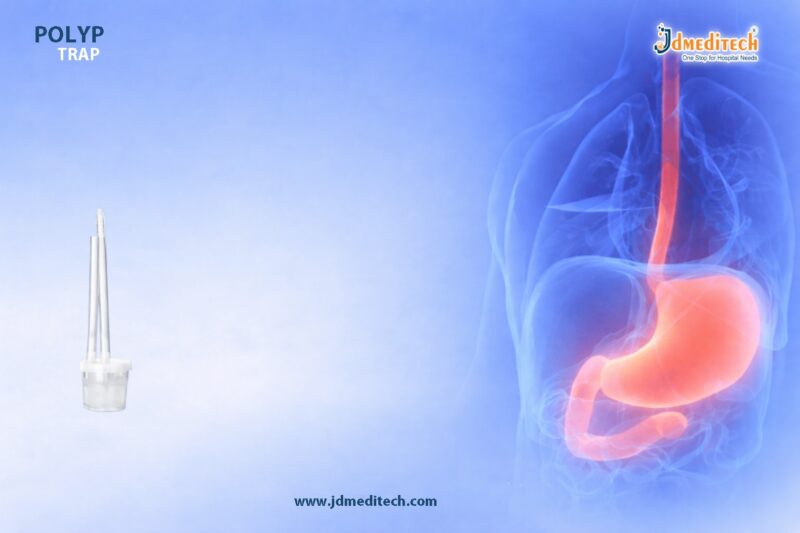
A polyp trap in endoscopy is a sterile, single-use medical device used during endoscopic procedures to collect and retain tissue specimens, such as polyps, that are removed from the gastrointestinal tract.

Typically, it is connected between the endoscope suction port and the suction tubing. As a result, any tissue aspirated during the procedure is captured inside the trap rather than being lost in the suction canister.

Why Efficient Specimen Collection Matters

Efficient specimen collection directly impacts diagnostic accuracy and patient outcomes. Without proper collection tools, valuable tissue samples may be lost, damaged, or contaminated.

Key Reasons Include:
  • Accurate Diagnosis : Preserved specimens allow for precise histopathological evaluation
  • Reduced Repeat Procedures : Proper collection avoids the need for additional interventions
  • Improved Workflow : Streamlined specimen handling saves time for medical staff
  • Enhanced Patient Safety : Minimizes procedural complications and errors

Therefore, the use of a polyp trap in endoscopy significantly improves clinical efficiency.

Key Features of a Polyp Trap in Endoscopy
1. Transparent Chamber

The clear body allows clinicians to visually confirm specimen capture during the procedure.

2. Secure Lid Mechanism

A leak-proof, easy-to-open lid ensures safe retrieval and transfer of specimens.

3. Multiple Chambers (Optional)

Some polyp traps come with multiple compartments, allowing separation of different samples.

4. Universal Connectivity

Compatible with most endoscopy suction systems, ensuring seamless integration.

5. Sterile & Disposable Design

Single-use construction reduces the risk of cross-contamination and infection.

How a Polyp Trap Works

The working mechanism of a polyp trap in endoscopy is simple yet highly effective:

  1. The device is connected to the suction line of the endoscope
  2. During polypectomy or biopsy, tissue is aspirated
  3. The specimen gets trapped inside the chamber
  4. The collected sample is retrieved for laboratory analysis

Thus, it ensures that no specimen is lost during suction.

Clinical Applications of Polyp Trap in Endoscopy

A polyp trap in endoscopy is widely used across various procedures:

  • Colonoscopy : For capturing excised colon polyps
  • Gastroscopy : Retrieval of gastric biopsy samples
  • Endoscopic Mucosal Resection (EMR) : Collection of resected tissue
  • Endoscopic Submucosal Dissection (ESD) : Precise specimen handling

In each case, the device supports accurate and efficient sample collection.

Advantages of Using a Polyp Trap

Using a polyp trap in endoscopy offers several benefits:

  • Prevents Specimen Loss during suction
  • Maintains Sample Integrity for accurate diagnosis
  • Improves Procedure Efficiency
  • Reduces Risk of Contamination
  • Enhances Workflow in Endoscopy Units

Moreover, it ensures that every retrieved tissue sample is usable for further analysis.

Choosing the Right Polyp Trap

When selecting a polyp trap in endoscopy, consider the following factors:

  • Compatibility with Endoscopy Systems
  • Ease of Use and Handling
  • Chamber Capacity and Design
  • Sterility and Safety Standards
  • Quality of Materials Used

Choosing a high-quality device ensures optimal performance and reliability.

Best Practices for Using a Polyp Trap

To maximize efficiency, follow these best practices:

  • Always ensure proper connection before starting the procedure
  • Monitor the chamber for specimen collection
  • Handle the trap carefully during removal
  • Label specimens correctly for pathology
  • Dispose of single-use devices safely

These steps help maintain accuracy and safety throughout the process.

Conclusion

In conclusion, the polyp trap in endoscopy is an indispensable tool for efficient specimen collection. It not only prevents tissue loss but also enhances diagnostic accuracy and procedural efficiency. As endoscopic techniques continue to evolve, the importance of reliable accessories like polyp traps becomes even more significant.

For healthcare providers aiming to deliver precise and high-quality care, investing in a well-designed polyp trap is a smart and essential choice.


Explore More Product >>

Get Connected:

+91 79909 93062 | +91 63513 72032 | exports@jdmeditech.com


Transseptal Needle for Safe Septal Puncture

The transseptal needle is a critical instrument in modern interventional cardiology. It enables physicians to access the left atrium safely through a controlled septal puncture. As cardiac procedures continue to advance, the demand for precision tools like the transseptal needle has significantly increased.

Moreover, this device plays a key role in procedures such as atrial fibrillation ablation, mitral valve interventions, and structural heart treatments. Therefore, choosing a high-quality transseptal needle ensures both safety and procedural success.

What is a Transseptal Needle?

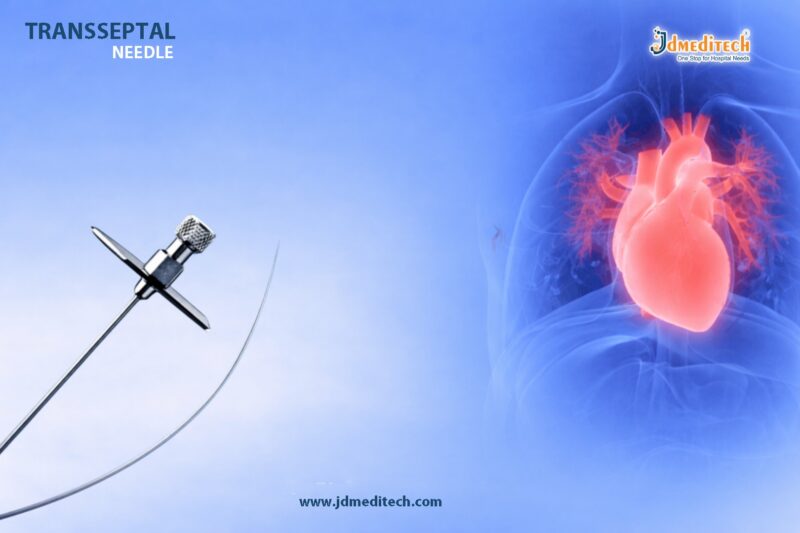
A transseptal needle is a specialized medical device used to puncture the interatrial septum. This allows clinicians to gain access to the left atrium from the right atrium during minimally invasive cardiac procedures.

Typically, the transseptal needle is used along with a transseptal sheath and dilator system. As a result, it provides a controlled and accurate pathway for catheter-based interventions.

Key Features of Transseptal Needle
1. Precision-Engineered Tip

The sharp and accurately designed tip of the transseptal needle ensures smooth and controlled septal puncture. Consequently, it minimizes trauma to surrounding tissues.

2. High-Quality Stainless Steel Construction

Manufactured using premium-grade materials, the transseptal needle offers durability and consistent performance. In addition, it resists bending under pressure.

3. Enhanced Flexibility and Control

The ergonomic design provides excellent handling. Therefore, clinicians can perform precise maneuvers during complex procedures.

4. Radiopaque Markers

Many advanced transseptal needles include radiopaque markers. This improves visibility under fluoroscopy and enhances procedural accuracy.

5. Compatibility with Sheath Systems

The transseptal needle is designed to be compatible with standard transseptal sheath and dilator systems. Hence, it integrates seamlessly into existing setups.

Clinical Applications of Transseptal Needle

The transseptal needle is widely used in:

  • Atrial Fibrillation Ablation Procedures
  • Left Atrial Appendage Closure (LAAC)
  • Mitral Valve Repair and Replacement
  • Electrophysiology Studies
  • Structural Heart Interventions

Because of its versatility, the transseptal needle has become indispensable in cardiac catheterization labs.

Benefits of Using a High-Quality Transseptal Needle
Improved Patient Safety

A well-designed transseptal needle reduces the risk of complications during septal puncture.

Enhanced Procedural Efficiency

Due to its precision, the transseptal needle helps reduce procedure time.

Accurate Left Atrial Access

Reliable access ensures successful completion of complex cardiac interventions.

Reduced Tissue Trauma

The optimized tip design minimizes unnecessary damage.

Why Choose JDMeditech Transseptal Needle?

At JDMeditech, we focus on delivering precision-engineered medical devices. Our transseptal needle is designed to meet the highest clinical standards.

Key Advantages:
  • Superior build quality
  • Consistent performance
  • Excellent operator control
  • Designed for safe septal puncture
  • Compatible with leading sheath systems
How to Use a Transseptal Needle Safely

Although the transseptal needle is highly effective, proper technique is essential.

  • Always use imaging guidance (fluoroscopy or echocardiography)
  • Ensure correct positioning before puncture
  • Apply controlled pressure
  • Confirm entry into the left atrium before advancing

Therefore, trained professionals must handle the transseptal needle to ensure optimal outcomes.

Conclusion

In conclusion, the transseptal needle is an essential tool in advanced cardiac procedures. Its precision, safety, and compatibility make it a preferred choice for clinicians worldwide.

As cardiac interventions evolve, investing in a high-quality transseptal needle ensures better outcomes and improved patient care. Therefore, choosing a trusted manufacturer like JD Meditech can make a significant difference in clinical performance.


Cystoscope Sheath – Essential Tool for Diagnostic Cystoscopy

In modern urology, precision and safety are essential. Therefore, every instrument used during procedures must meet high clinical standards. One such crucial component is the cystoscope sheath, which plays a key role in diagnostic cystoscopy.

A cystoscope sheath not only provides structural support to the cystoscope but also ensures smooth instrument passage and efficient fluid management. As a result, it significantly enhances both procedural efficiency and patient safety.

What is a Cystoscope Sheath?

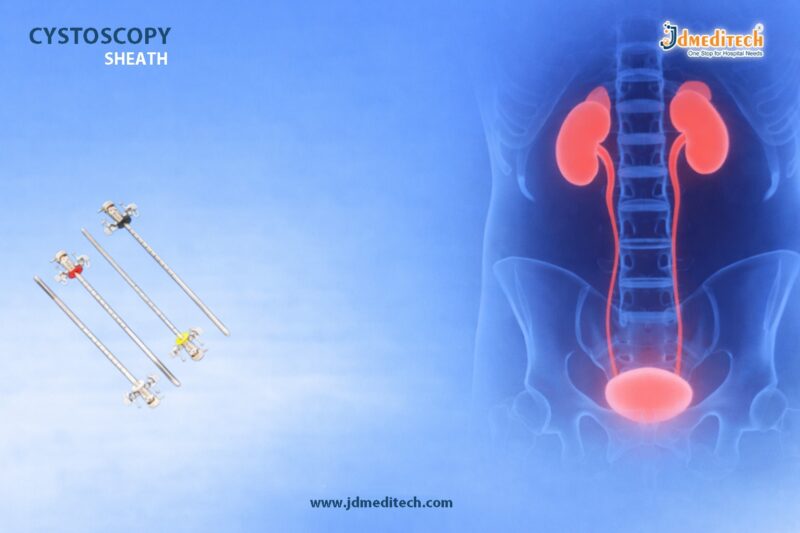
A cystoscope sheath is a tubular medical accessory designed to encase and support the cystoscope during urological procedures. Typically, it includes inlet and outlet ports that facilitate continuous irrigation.

Moreover, the cystoscope sheath allows the insertion of additional instruments, such as forceps or electrodes, without compromising visibility.

Key Features of Cystoscope Sheath
1. High-Quality Medical-Grade Material

The cystoscope sheath is manufactured using durable, corrosion-resistant materials. Consequently, it ensures long-term performance and repeated sterilization compatibility.

2. Integrated Irrigation Channels

In addition, the cystoscope sheath features dual channels for fluid inflow and outflow. This design helps maintain a clear surgical field throughout the procedure.

3. Ergonomic Design

Because of its user-friendly structure, the cystoscope sheath allows easy handling and precise control during cystoscopy.

4. Compatibility with Various Cystoscopes

Furthermore, the cystoscope sheath is available in multiple sizes to fit both rigid and flexible cystoscopes.

5. Leak-Proof Construction

Importantly, the cystoscope sheath prevents fluid leakage, thereby ensuring a clean and controlled environment.

Clinical Applications of Cystoscope Sheath

The cystoscope sheath is widely used in various diagnostic and therapeutic procedures, including:

  • Bladder examination (cystoscopy)
  • Detection of tumors or stones
  • Evaluation of hematuria (blood in urine)
  • Urethral stricture assessment
  • Guided biopsy procedures

Thus, the cystoscope sheath plays an indispensable role in accurate diagnosis and treatment planning.

Advantages of Using Cystoscope Sheath
Enhanced Visualization

Due to continuous irrigation, the cystoscope sheath ensures a clear view of the urinary tract.

Improved Procedure Efficiency

Additionally, it allows simultaneous use of instruments, which reduces procedure time.

Patient Safety

Because of its smooth surface and precise design, the cystoscope sheath minimizes tissue trauma.

Infection Control

Sterilizable materials used in the cystoscope sheath help maintain high hygiene standards.

Types of Cystoscope Sheath
1. Rigid Cystoscope Sheath
  • Used in standard diagnostic procedures
  • Provides better image stability
2. Flexible Cystoscope Sheath
  • Ideal for minimally invasive procedures
  • Offers greater patient comfort
3. Continuous Flow Sheath
  • Enables uninterrupted irrigation
  • Commonly used in advanced procedures
How to Choose the Right Cystoscope Sheath

When selecting a cystoscope sheath, consider the following factors:

  • Size compatibility with cystoscope
  • Type of procedure
  • Material quality
  • Sterilization method
  • Irrigation requirements

Therefore, choosing the right cystoscope sheath ensures optimal performance and safety.

Maintenance and Sterilization

Proper care of the cystoscope sheath is essential. After each use:

  • Clean thoroughly to remove biological debris
  • Sterilize using approved methods (autoclave or chemical sterilization)
  • Inspect for damage before reuse

As a result, consistent maintenance extends the lifespan of the cystoscope sheath and ensures patient safety.

Why Choose JDMeditech Cystoscope Sheath?

At JDMeditech, we provide high-quality cystoscope sheath solutions designed for precision and reliability.

  • Premium-grade materials
  • Excellent fluid management system
  • Wide compatibility range
  • Strict quality control standards
Conclusion

In conclusion, the cystoscope sheath is an essential accessory in diagnostic cystoscopy. Not only does it improve visualization, but it also enhances procedural efficiency and patient safety. Therefore, investing in a high-quality cystoscope sheath is crucial for successful urological outcomes.


Explore More Product >>

Get Connected:

+91 79909 93062 | +91 63513 72032 | exports@jdmeditech.com
 

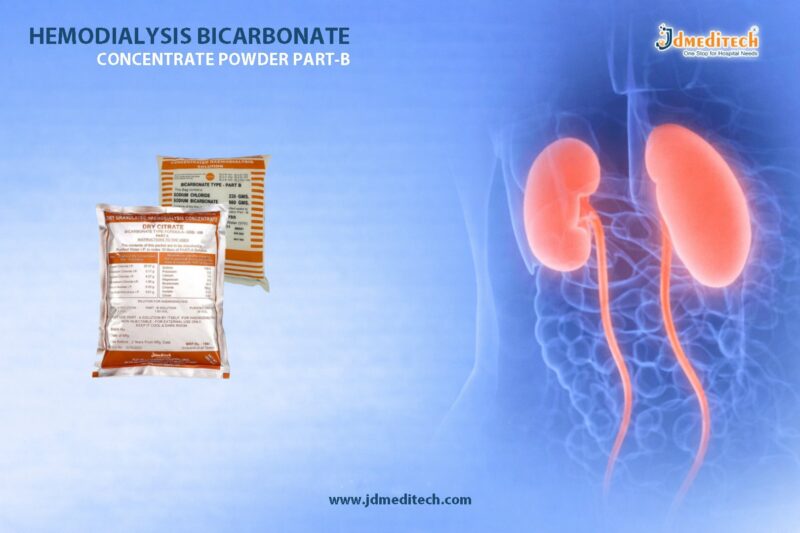
Hemodialysis Bicarbonate Concentrate Powder (Part B) for Dialysis

In modern renal care, maintaining the correct acid-base balance is essential for patient safety and treatment effectiveness. Hemodialysis Bicarbonate Concentrate Powder (Part B) plays a crucial role in ensuring optimal dialysis outcomes. It works alongside acid concentrate (Part A) to create a balanced dialysate solution, helping remove toxins while stabilizing the patient’s blood pH.

Because dialysis patients cannot regulate acid levels naturally, using a high-quality hemodialysis bicarbonate concentrate powder becomes essential for safe and consistent therapy.

What is Hemodialysis Bicarbonate Concentrate Powder (Part B)?

Hemodialysis Bicarbonate Concentrate Powder (Part B) is a specially formulated alkaline component used in dialysis treatment. It is typically mixed with purified water and acid concentrate to prepare dialysate.

This powder contains medical-grade sodium bicarbonate, which helps:

  • Neutralize metabolic acidosis
  • Maintain physiological pH levels
  • Support efficient toxin removal

As a result, it becomes a critical component in every hemodialysis session.

Why Acid-Base Balance Matters in Dialysis

Patients with chronic kidney disease (CKD) often develop metabolic acidosis, a condition where excess acid accumulates in the body. Therefore, correcting this imbalance is vital.

Key Benefits of Proper Acid-Base Balance:
  • Improves patient comfort during dialysis
  • Reduces muscle breakdown and fatigue
  • Enhances cardiovascular stability
  • Supports overall metabolic function

Thus, Hemodialysis Bicarbonate Concentrate Powder (Part B) ensures that the dialysate effectively restores balance during treatment.

Key Features of Hemodialysis Bicarbonate Concentrate Powder (Part B)
1. High Purity Composition

Manufactured using pharmaceutical-grade sodium bicarbonate to ensure safety and consistency.

2. Excellent Solubility

The powder dissolves quickly in water, allowing smooth preparation of dialysate without residue.

3. Compatible with All Dialysis Machines

Designed to work seamlessly with various dialysis systems, ensuring versatility in clinical settings.

4. Stable and Reliable Performance

Provides consistent bicarbonate levels, which are essential for maintaining acid-base equilibrium.

5. Easy Storage and Handling

Powder form offers longer shelf life and convenient transportation compared to liquid solutions.

Clinical Applications

Hemodialysis Bicarbonate Concentrate Powder (Part B) is widely used in:

  • Hemodialysis centers
  • Hospitals and nephrology departments
  • Dialysis clinics
  • Home dialysis setups (under supervision)

It is suitable for both acute and chronic dialysis treatments, making it a versatile solution for healthcare providers.

Advantages Over Liquid Bicarbonate Solutions

Choosing bicarbonate concentrate powder (Part B) offers several advantages:

  • Lower transportation costs due to reduced weight
  • Longer shelf life and reduced risk of contamination
  • On-demand preparation for fresh dialysate
  • Space-saving storage

Therefore, many healthcare facilities prefer powder-based solutions for efficiency and cost-effectiveness.

How It Works in Dialysis

During hemodialysis:

  1. The bicarbonate powder is mixed with purified water
  2. It is combined with acid concentrate (Part A)
  3. The dialysis machine prepares the final dialysate
  4. The dialysate helps remove toxins and correct pH imbalance

As a result, Hemodialysis Bicarbonate Concentrate Powder (Part B) ensures safe and effective dialysis treatment.

Quality and Safety Considerations

When selecting a hemodialysis bicarbonate concentrate powder, ensure:

  • Compliance with medical standards (ISO, CE, or equivalent)
  • Sterile and contamination-free packaging
  • Accurate composition for consistent performance
  • Compatibility with dialysis machines

High-quality products directly impact patient safety and treatment outcomes.

Why Choose JDMeditech Hemodialysis Solutions?

At JDMeditech, we prioritize quality, reliability, and clinical performance. Our Hemodialysis Bicarbonate Concentrate Powder (Part B) is designed to meet global standards and deliver consistent results.

Our Key Strengths:
  • Strict quality control processes
  • High-purity medical-grade ingredients
  • Trusted by healthcare professionals
  • Reliable supply and packaging
Conclusion

In conclusion, Hemodialysis Bicarbonate Concentrate Powder (Part B) is an essential component in modern dialysis therapy. It ensures effective acid-base correction, improves patient outcomes, and supports reliable treatment delivery.

By choosing a high-quality bicarbonate concentrate powder, healthcare providers can enhance dialysis efficiency while maintaining patient safety.


Explore More Product >>

Get Connected:

+91 79909 93062 | +91 63513 72032 | exports@jdmeditech.com
 

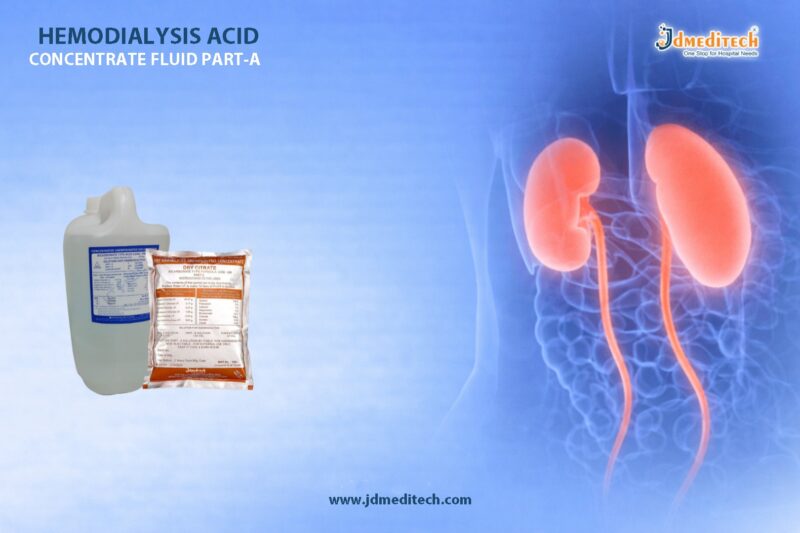
Hemodialysis Acid Concentrate for All Dialysis Machines

Hemodialysis acid concentrate is a critical component in modern dialysis therapy. It ensures that dialysis treatment remains safe, effective, and consistent for patients with kidney failure. In every dialysis session, hemodialysis acid concentrate works alongside bicarbonate solution to form dialysate, which removes toxins and excess fluids from the blood.

As dialysis centers expand, the need for hemodialysis acid concentrate optimized for all dialysis machines continues to grow. Therefore, healthcare providers prefer solutions that deliver consistent performance across different systems.

What is Hemodialysis Acid Concentrate?

Hemodialysis acid concentrate is a specially prepared liquid containing essential electrolytes. These electrolytes include sodium, potassium, calcium, magnesium, and chloride. When mixed with purified water and bicarbonate, hemodialysis acid concentrate forms dialysate.

This dialysate plays a key role in removing metabolic waste from the bloodstream. Moreover, hemodialysis acid concentrate helps maintain electrolyte balance during treatment. As a result, it supports safe and efficient dialysis sessions.

Why Hemodialysis Acid Concentrate is Important

The quality of hemodialysis acid concentrate directly affects dialysis outcomes. If the composition is inaccurate, it may lead to complications. Therefore, using a reliable hemodialysis acid concentrate is essential.

In addition, hemodialysis acid concentrate ensures stable pH levels and proper electrolyte exchange. Consequently, patients receive safer and more effective treatment.

Hemodialysis Acid Concentrate – Optimized for All Dialysis Machines

Modern dialysis facilities use different types of machines. However, hemodialysis acid concentrate optimized for all dialysis machines simplifies operations.

Universal Compatibility

Hemodialysis acid concentrate works efficiently with most dialysis systems. Therefore, facilities can avoid using multiple formulations.

Consistent Performance

Because of its precise composition, hemodialysis acid concentrate delivers uniform results. As a result, each dialysis session remains reliable.

Easy Integration

Healthcare professionals can easily use hemodialysis acid concentrate without changing workflows. This improves operational efficiency.

Reduced Errors

Standardized hemodialysis acid concentrate minimizes mixing errors. Thus, it enhances patient safety.

Key Features of Hemodialysis Acid Concentrate

A high-quality hemodialysis acid concentrate offers several advantages:

  • Accurate electrolyte formulation
  • Medical-grade safety standards
  • Stable chemical composition
  • Compatibility with multiple machines
  • Long shelf life

Furthermore, hemodialysis acid concentrate undergoes strict quality testing to ensure consistent performance.

Benefits of Using Hemodialysis Acid Concentrate

Healthcare providers benefit greatly from hemodialysis acid concentrate:

Improved Workflow

Using one hemodialysis acid concentrate across machines simplifies operations.

Cost Efficiency

Facilities reduce inventory costs because hemodialysis acid concentrate works universally.

Enhanced Safety

Consistent hemodialysis acid concentrate reduces risks during dialysis.

Easy Staff Training

Staff can quickly learn to use hemodialysis acid concentrate, which improves efficiency.

Applications of Hemodialysis Acid Concentrate

Hemodialysis acid concentrate is widely used in:

  • Multi-specialty hospitals
  • Dialysis centers
  • Emergency care units
  • Long-term renal care facilities

Because of its versatility, hemodialysis acid concentrate has become essential in modern nephrology.

Safety and Quality Considerations

When selecting hemodialysis acid concentrate, healthcare providers should focus on quality. It is important to ensure that hemodialysis acid concentrate meets international standards.

Additionally, proper storage of hemodialysis acid concentrate maintains its effectiveness. Therefore, always follow manufacturer guidelines.

How to Choose the Right Hemodialysis Acid Concentrate

To select the best hemodialysis acid concentrate, consider the following:

  1. Check compatibility with machines
  2. Verify electrolyte composition
  3. Choose certified manufacturers
  4. Review packaging quality
  5. Ensure supply consistency

By following these steps, providers can maximize the benefits of hemodialysis acid concentrate.

Conclusion

Hemodialysis acid concentrate plays a vital role in safe and effective dialysis treatment. Its optimized formulation supports compatibility, consistency, and patient safety. Therefore, choosing the right hemodialysis acid concentrate optimized for all dialysis machines is essential for modern healthcare facilities.


Explore More Product >>

Get Connected:

+91 79909 93062 | +91 63513 72032 | exports@jdmeditech.com
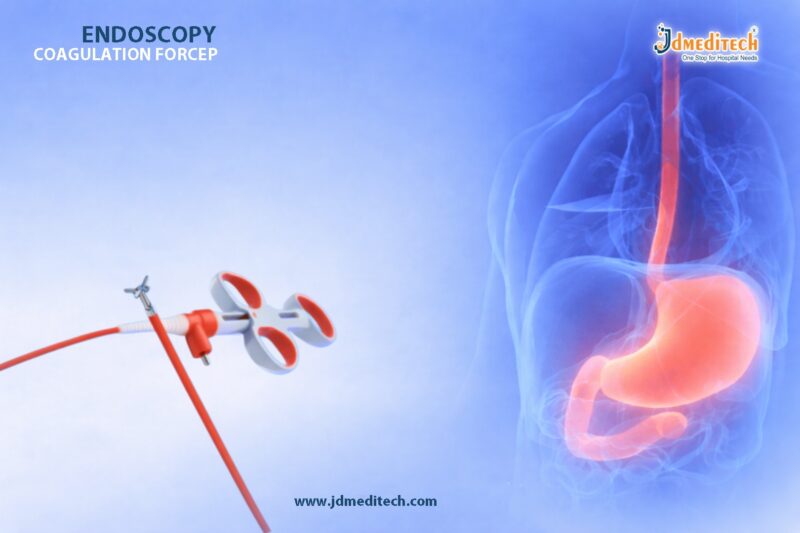
Endoscopy Coagulation Forceps: Features, Uses & Surgical Benefits Explained

In modern minimally invasive procedures, precision and safety are essential. Therefore, surgeons rely on advanced instruments like Endoscopy Coagulation Forceps to achieve optimal outcomes. These specialized tools help control bleeding and allow accurate tissue handling during endoscopic procedures.

Moreover, Endoscopy Coagulation Forceps improve efficiency while reducing complications. In this blog, we will explain their features, uses, and surgical relevance in detail.

What Are Endoscopy Coagulation Forceps?

Endoscopy Coagulation Forceps are specialized instruments used during endoscopic procedures to grasp tissue and deliver electrical energy for coagulation. As a result, they help achieve effective hemostasis and prevent excessive bleeding.

In addition, Endoscopy Coagulation Forceps are widely used in gastroenterology, pulmonology, and minimally invasive surgeries. Because of their precision, they have become an essential tool in modern medical practice.

Key Features of Endoscopy Coagulation Forceps
1. Precision Tissue Control

First, Endoscopy Coagulation Forceps provide excellent tissue grip, allowing surgeons to target specific areas accurately. As a result, surrounding tissues remain protected.

2. Effective Hemostasis

Furthermore, Endoscopy Coagulation Forceps deliver controlled energy, ensuring quick and reliable bleeding control during procedures.

3. Insulated Design

In addition, the insulated shaft of Endoscopy Coagulation Forceps minimizes unintended thermal injury, which enhances patient safety.

4. Flexible and Rotatable Tip

Many Endoscopy Coagulation Forceps include a rotatable design. Therefore, surgeons can easily access complex anatomical regions.

5. Wide Compatibility

Lastly, Endoscopy Coagulation Forceps are compatible with most flexible endoscopes, making them highly versatile.

Clinical Uses of Endoscopy Coagulation Forceps
1. Gastrointestinal Bleeding Management

Endoscopy Coagulation Forceps are commonly used to control bleeding caused by ulcers, lesions, and vascular abnormalities.

2. Polypectomy Procedures

During polyp removal, Endoscopy Coagulation Forceps help grasp tissue and simultaneously coagulate, reducing bleeding risks.

3. Tumor and Lesion Treatment

Additionally, Endoscopy Coagulation Forceps assist in managing tumors by controlling bleeding during resection.

4. Bronchoscopic Applications

In pulmonology, Endoscopy Coagulation Forceps help control airway bleeding effectively.

5. Post-Biopsy Hemostasis

After biopsy procedures, Endoscopy Coagulation Forceps ensure rapid hemostasis and improve patient safety.

Surgical Relevance of Endoscopy Coagulation Forceps

Undoubtedly, Endoscopy Coagulation Forceps play a critical role in modern surgical procedures. They enhance both safety and efficiency.

  • Minimally Invasive Support : They reduce the need for open surgeries.
  • Improved Safety : Controlled coagulation lowers complication risks.
  • Time Efficiency : Surgeons achieve faster bleeding control.
  • Multi-functionality : One device performs grasping and coagulation.

Consequently, Endoscopy Coagulation Forceps have become indispensable in endoscopy suites.

Advantages of Endoscopy Coagulation Forceps

There are several benefits of using Endoscopy Coagulation Forceps:

  • Precise and controlled coagulation
  • Minimal tissue damage
  • Reliable bleeding control
  • Easy handling and maneuverability
  • Versatile clinical applications

Therefore, Endoscopy Coagulation Forceps improve both procedural outcomes and patient safety.

How to Choose the Right Endoscopy Coagulation Forceps

When selecting Endoscopy Coagulation Forceps, consider these factors:

  • Compatibility with your endoscope
  • Bipolar or monopolar energy system
  • Jaw size and design
  • Flexibility and rotation capability
  • Single-use or reusable options

By choosing the right Endoscopy Coagulation Forceps, you can ensure better performance and safety.

Best Practices for Safe Usage

To achieve the best results with Endoscopy Coagulation Forceps, follow these guidelines:

  • Always check equipment compatibility
  • Use appropriate energy settings
  • Avoid excessive tissue pressure
  • Ensure proper sterilization
  • Follow clinical protocols carefully

As a result, Endoscopy Coagulation Forceps deliver safe and effective performance.

Conclusion

In conclusion, Endoscopy Coagulation Forceps are essential tools in modern endoscopic procedures. They provide precise tissue handling and effective bleeding control, which improves surgical outcomes.

As technology advances, Endoscopy Coagulation Forceps will continue to play a vital role in minimally invasive surgery. Therefore, investing in high-quality instruments is crucial for delivering better patient care.


Explore More Product >>

Get Connected:

+91 79909 93062 | +91 63513 72032 | exports@jdmeditech.com
 

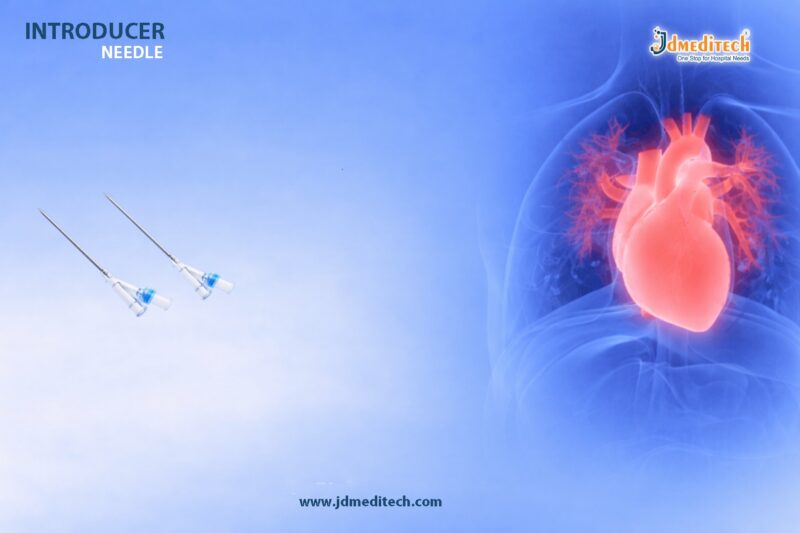
Advanced Introducer Needle for Interventional Cardiology & Vascular Surgeries | Precision Access


In modern minimally invasive procedures, precision vascular access is the foundation of successful outcomes. The Advanced Introducer Needle plays a critical role in interventional cardiology and vascular surgeries, ensuring safe, accurate, and efficient entry into blood vessels.

From angiography to catheter placement, healthcare professionals rely on a high-quality Advanced Introducer Needle to reduce complications and enhance procedural control.

What is an Advanced Introducer Needle?

An Advanced Introducer Needle is a specialized medical device used to gain initial access to blood vessels during interventional procedures. It acts as the first step in introducing guidewires, catheters, or sheaths into the vascular system.

Designed with sharp bevel tips and high-strength materials, this needle ensures smooth penetration with minimal trauma to surrounding tissues.

Why Advanced Introducer Needle is Essential in Interventional Cardiology
1. Precision Vascular Access

The Advanced Introducer Needle enables accurate puncture of arteries or veins, which is crucial in procedures like angioplasty and cardiac catheterization.

2. Reduced Risk of Complications

Thanks to its ultra-sharp tip and controlled insertion, the Advanced Introducer Needle minimizes risks such as:

  • Hematoma formation
  • Vessel damage
  • Excessive bleeding
3. Enhanced Procedural Efficiency

With reliable performance, the Advanced Introducer Needle allows clinicians to:

  • Reduce procedure time
  • Improve success rates
  • Ensure smooth guidewire insertion
Applications of Advanced Introducer Needle in Vascular Surgeries

The Advanced Introducer Needle is widely used in:

  • Coronary Angiography
  • Angioplasty Procedures
  • Central Venous Access
  • Peripheral Vascular Interventions
  • Dialysis Access Procedures

Its versatility makes it an indispensable tool in both diagnostic and therapeutic procedures.

Key Features of Advanced Introducer Needle
High-Precision Bevel Tip

Ensures smooth vessel entry with minimal resistance.

Medical-Grade Stainless Steel

Provides durability, strength, and corrosion resistance.

Ergonomic Hub Design

Offers better grip and control for clinicians during insertion.

Radiopaque Visibility

Enhances visualization under imaging techniques for accurate placement.

Sterile & Single-Use

Reduces infection risk and ensures patient safety.

Benefits of Using Advanced Introducer Needle

Using a high-quality Advanced Introducer Needle offers several advantages:

  • Improved accuracy in vascular access
  • Reduced patient discomfort
  • Lower complication rates
  • Enhanced procedural outcomes
  • Consistent performance in critical procedures
Advanced Introducer Needle vs Conventional Needles
Feature Advanced Introducer Needle Conventional Needle
Precision High Moderate
Safety Enhanced Standard
Imaging Visibility Yes Limited
Tissue Trauma Minimal Higher
Clinical Efficiency Superior Basic
Best Practices for Using Advanced Introducer Needle

To maximize the effectiveness of the Advanced Introducer Needle, clinicians should:

  • Use ultrasound or fluoroscopic guidance for accuracy
  • Maintain proper insertion angle
  • Ensure strict sterile technique
  • Confirm vessel access before guidewire insertion
Choosing the Right Advanced Introducer Needle

When selecting an Advanced Introducer Needle, consider:

  • Needle gauge and length
  • Compatibility with guidewires and catheters
  • Material quality
  • Manufacturer reliability

Choosing the right product ensures optimal clinical performance and patient safety.

Why Choose JDMeditech Advanced Introducer Needle

At JDMeditech, we deliver high-quality Advanced Introducer Needles engineered for precision and safety.

Our Key Advantages:
  • Strict quality control standards
  • Designed for interventional excellence
  • Reliable performance in critical procedures
  • Trusted by healthcare professionals

🌐 Visit: www.jdmeditech.com

Conclusion

The Advanced Introducer Needle is a cornerstone device in interventional cardiology and vascular surgeries, offering unmatched precision, safety, and efficiency. By ensuring reliable vascular access, it significantly improves procedural success and patient outcomes.

Investing in a high-quality Advanced Introducer Needle is essential for healthcare providers aiming for excellence in modern minimally invasive procedures.


Explore More Product >>

Get Connected:

+91 79909 93062 | +91 63513 72032 | exports@jdmeditech.com


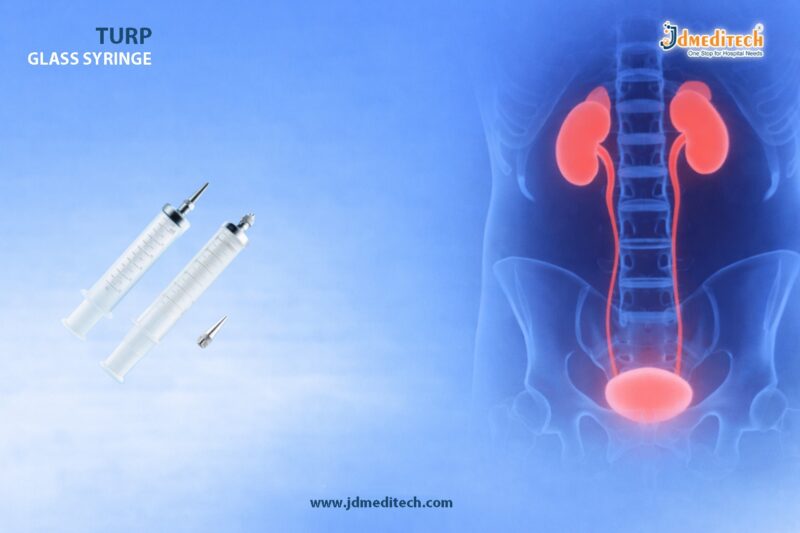
TURP Glass Syringe – Precision Irrigation for Urological Procedures

The TURP Glass Syringe plays a critical role in modern urological procedures, especially during transurethral resection of the prostate (TURP). Designed for precision irrigation and controlled fluid delivery, the TURP Glass Syringe ensures clear visibility and procedural efficiency.

In today’s advanced surgical environment, accuracy and reliability are non-negotiable. Therefore, choosing a high-quality TURP Glass Syringe can significantly enhance surgical outcomes while ensuring patient safety.

What is a TURP Glass Syringe?

A TURP Glass Syringe is a reusable, high-precision medical device used during urological procedures to deliver irrigation fluids. It is primarily used in TURP surgeries to maintain a clear operative field by flushing blood and debris.

Moreover, its glass barrel construction ensures durability, chemical resistance, and smooth plunger movement, which is essential for controlled irrigation.

Why TURP Glass Syringe is Essential in Urological Procedures

During TURP and similar procedures, maintaining visibility is crucial. The TURP Glass Syringe enables surgeons to irrigate efficiently without interrupting the workflow.

Key Importance:
  • Ensures clear visualization during surgery
  • Provides controlled irrigation flow
  • Minimizes procedural complications
  • Supports precision in delicate urological interventions

As a result, the TURP Glass Syringe becomes an indispensable tool in every urology setup.

Key Features of TURP Glass Syringe
1. High-Quality Glass Barrel

The TURP Glass Syringe is manufactured using premium-grade glass, which offers:

  • Excellent transparency
  • Resistance to chemical reactions
  • Long-lasting durability
2. Smooth Plunger Mechanism

A smooth and precise plunger ensures:

  • Controlled fluid delivery
  • Minimal effort during operation
  • Enhanced procedural accuracy
3. Leak-Proof Design

The leak-proof construction of the TURP Glass Syringe ensures:

  • No fluid wastage
  • Consistent irrigation pressure
  • Reliable performance
4. Reusable and Sterilizable

The TURP Glass Syringe is:

  • Easy to sterilize
  • Cost-effective for hospitals
  • Environmentally friendly
5. Ergonomic Grip

The design allows surgeons to maintain a firm grip, ensuring better control during procedures.

Applications of TURP Glass Syringe

The TURP Glass Syringe is widely used in various urological procedures, including:

  • Transurethral Resection of the Prostate (TURP)
  • Bladder irrigation procedures
  • Endoscopic urology surgeries
  • Post-operative irrigation management

Additionally, it is suitable for both hospital and clinical settings.

Advantages of Using TURP Glass Syringe
Enhanced Surgical Precision

The TURP Glass Syringe allows accurate fluid control, which is essential in delicate procedures.

Improved Visibility

Continuous irrigation helps maintain a clear surgical field.

Durability and Reliability

Thanks to its glass construction, the TURP Glass Syringe offers long-term performance.

Cost Efficiency

Being reusable, it reduces recurring costs for healthcare facilities.

How to Choose the Right TURP Glass Syringe

When selecting a TURP Glass Syringe, consider the following factors:

  • Material Quality – Ensure medical-grade glass
  • Plunger Smoothness – For precise control
  • Sterilization Compatibility – Autoclave-friendly design
  • Capacity Options – Based on procedural needs

Choosing the right TURP Glass Syringe ensures optimal performance and safety.

Maintenance and Sterilization Tips

Proper maintenance of the TURP Glass Syringe is essential for longevity:

  • Clean immediately after use
  • Use approved sterilization methods (e.g., autoclaving)
  • Inspect for cracks or wear
  • Store in a sterile environment

Following these steps ensures consistent performance and patient safety.

Why Choose JDMeditech TURP Glass Syringe?

At JDMeditech, we manufacture high-quality TURP Glass Syringe solutions designed for precision and reliability.

Our Key Highlights:
  • Premium-grade materials
  • Strict quality control
  • Compatibility with standard urological systems
  • Trusted by healthcare professionals

Visit: https://www.jdmeditech.com

Conclusion

The TURP Glass Syringe is a vital instrument in urological procedures, offering unmatched precision, durability, and efficiency. Whether used in TURP surgeries or other irrigation applications, it ensures optimal performance and improved surgical outcomes.

Investing in a high-quality TURP Glass Syringe is not just a choice—it is a necessity for modern urology practices.


Explore More Product >>

Get Connected:

+91 79909 93062 | +91 63513 72032 | exports@jdmeditech.com


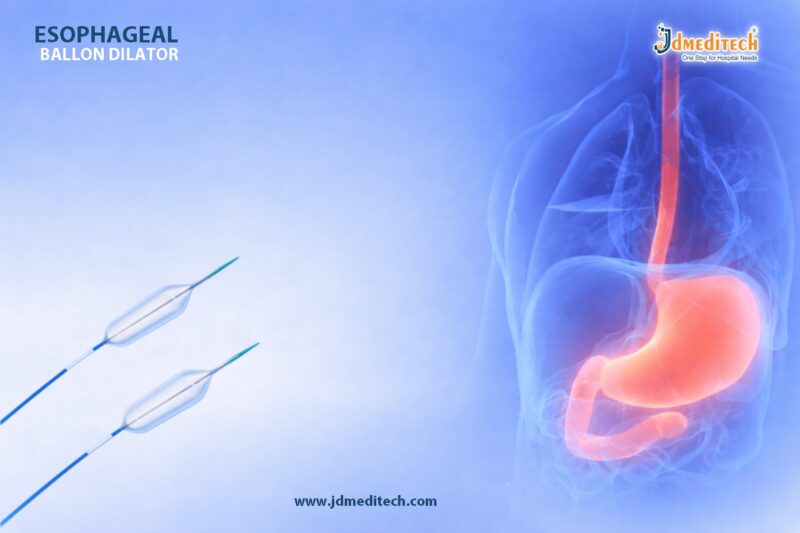
Esophageal Balloon Dilator: Uses, Procedure & Benefits

Introduction

The esophageal balloon dilator is an essential tool in modern gastroenterology. It helps doctors treat narrowing in the esophagus effectively. As a result, patients can swallow more easily and comfortably.

In many cases, swallowing problems can affect daily life. Therefore, the esophageal balloon dilator offers a minimally invasive and reliable solution. In this guide, you will learn its uses, benefits, and working process.

What is an Esophageal Balloon Dilator?

An esophageal balloon dilator is a medical device used to widen narrowed sections of the esophagus. It consists of a flexible catheter with a balloon at the tip.

During the procedure, the balloon is placed inside the narrowed area. Then, it is inflated carefully. As a result, the esophagus expands gradually.

Because of its design, the esophageal balloon dilator ensures precise and controlled dilation.

Why is Esophageal Dilation Required?

In many situations, the esophagus becomes narrow due to medical conditions. Consequently, patients may experience difficulty in swallowing.

Common Causes:
  • Esophageal strictures
  • Chronic acid reflux (GERD)
  • Scar tissue formation
  • Esophageal rings or webs
  • Post-surgical narrowing

Therefore, doctors use an esophageal balloon dilator to restore normal passage.

How Does an Esophageal Balloon Dilator Work?

The procedure using an esophageal balloon dilator is simple and effective. First, the doctor inserts an endoscope to locate the narrowed area.

Next, the esophageal balloon dilator is guided to the target site. After that, the balloon is inflated using controlled pressure. As a result, the narrowed section expands safely.

Step-by-Step Process:
  1. Endoscope insertion
  2. Positioning of the esophageal balloon dilator
  3. Controlled balloon inflation
  4. Gradual expansion of the esophagus
  5. Deflation and removal

Thus, the entire process remains safe and highly controlled.

Key Features of Esophageal Balloon Dilator

Modern esophageal balloon dilator devices include advanced features. These features improve both safety and performance.

  • High-pressure balloon capability
  • Radiopaque markers for visibility
  • Smooth and flexible catheter
  • Controlled inflation mechanism
  • Sterile, single-use design

Because of these features, the esophageal balloon dilator ensures consistent clinical results.

Benefits of Esophageal Balloon Dilator

The esophageal balloon dilator provides several advantages in medical procedures.

Minimally Invasive

First of all, it does not require surgery. Therefore, recovery time is shorter.

Precise Dilation

Moreover, controlled inflation allows accurate treatment. As a result, tissue damage is minimized.

Immediate Relief

Patients often feel improvement quickly. In many cases, swallowing becomes easier right after the procedure.

Safe and Repeatable

In addition, the esophageal balloon dilator can be used multiple times if required.

Clinical Applications of Esophageal Balloon Dilator

Doctors use the esophageal balloon dilator in various treatments. It is highly versatile.

  • Treatment of benign strictures
  • Management of esophageal narrowing
  • Pediatric esophageal procedures
  • Pre-stent dilation
  • Post-surgical stricture management

Therefore, the esophageal balloon dilator plays a key role in gastroenterology.

Safety Considerations

Although the esophageal balloon dilator is safe, proper technique is important. Therefore, doctors follow strict guidelines.

  • Select correct balloon size
  • Monitor pressure carefully
  • Avoid over-inflation
  • Use imaging guidance
  • Maintain sterile conditions

By following these steps, complications can be reduced significantly.

How to Choose the Right Esophageal Balloon Dilator

Choosing the correct esophageal balloon dilator improves outcomes. However, several factors must be considered.

  • Balloon diameter and length
  • Pressure rating
  • Endoscope compatibility
  • Visibility under imaging
  • Product quality and reliability

Therefore, selecting the right esophageal balloon dilator ensures better performance.

Future Advancements

Medical technology continues to evolve. As a result, the esophageal balloon dilator is becoming more advanced.

New designs focus on better control and improved safety. In addition, smart pressure systems are being developed.

Therefore, future procedures will become even more efficient.

Conclusion

The esophageal balloon dilator is a reliable solution for treating esophageal narrowing. It offers safety, precision, and fast results.

Moreover, its minimally invasive nature makes it a preferred choice. As technology advances, the esophageal balloon dilator will continue to improve patient care.


Explore More Product >>

Get Connected:

+91 79909 93062 | +91 63513 72032 | exports@jdmeditech.com


Optimize Cardiac Procedures with 2-Way & 3-Way Manifolds

In modern interventional cardiology, precision and efficiency are critical. Every second counts during diagnostic and therapeutic procedures, and even small improvements in device handling can significantly enhance patient outcomes. One such essential device is the 2-way & 3-way manifold, widely used in angiography and cardiac catheterization procedures.

Designed for controlled fluid management and pressure monitoring, these manifolds play a vital role in optimizing workflow, ensuring safety, and improving procedural accuracy.

What Are 2-Way & 3-Way Manifolds?

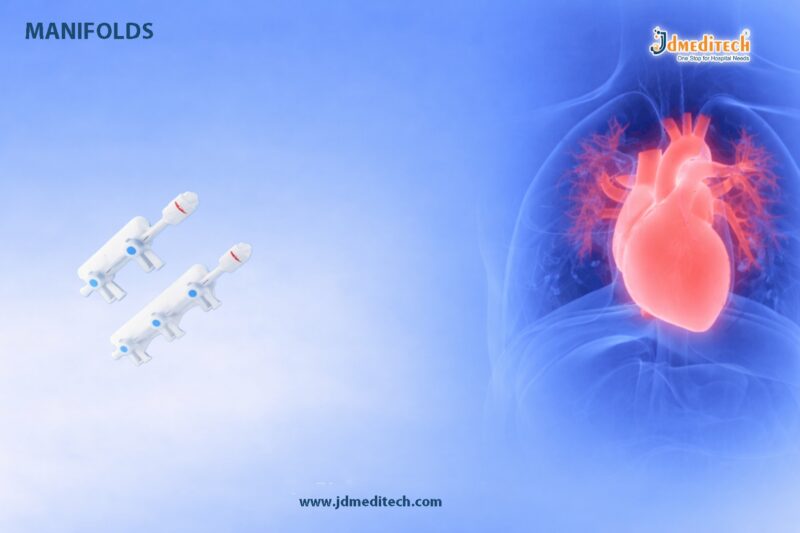
A 2-way or 3-way manifold is a medical device used to control the flow of fluids between multiple lines during cardiovascular procedures. It allows clinicians to manage contrast media, saline, and pressure monitoring systems efficiently.

  • 2-Way Manifold : Features two ports for simple fluid control
  • 3-Way Manifold : Includes three ports, enabling more complex fluid management and simultaneous operations

These manifolds are commonly used in:

  • Coronary angiography
  • Cardiac catheterization
  • Interventional radiology procedures
Importance in Cardiac Procedures

The use of 2-way & 3-way manifolds significantly enhances procedural control and reduces manual handling errors. They allow seamless switching between fluids and ensure uninterrupted pressure monitoring.

Key Roles:
  • Precise delivery of contrast media
  • Continuous hemodynamic monitoring
  • Efficient flushing of catheters
  • Reduction in procedure time

By integrating these manifolds, clinicians can maintain a sterile and organized workflow throughout the procedure.

Key Features of 2-Way & 3-Way Manifolds
1. High-Pressure Resistance

Designed to withstand high-pressure conditions during angiographic procedures, ensuring safe and reliable operation.

2. Smooth Rotational Control

The ergonomic handle allows easy switching between ports without disrupting the procedure.

3. Leak-Proof Design

Ensures zero leakage, minimizing contamination risks and maintaining sterility.

4. Clear Flow Visibility

Transparent body enables clinicians to monitor fluid flow in real time.

5. Multiple Port Options

Available in 2-way and 3-way configurations to suit various clinical needs.

Benefits of Using Cardiac Manifolds
Improved Workflow Efficiency

Allows quick switching between fluids, reducing delays.

Enhanced Patient Safety

Minimizes the risk of air embolism and contamination.

Better Pressure Monitoring

Ensures accurate and continuous hemodynamic readings.

Reduced Procedure Time

Streamlines multiple steps into a single controlled system.

Versatile Applications

Suitable for a wide range of cardiovascular and interventional procedures.

Applications in Clinical Practice

2-way & 3-way manifolds are widely used in:

  • Cardiac catheterization labs
  • Angiography suites
  • Interventional cardiology procedures
  • Vascular interventions
  • Radiology departments

Their versatility makes them indispensable in both diagnostic and therapeutic settings.

How to Choose the Right Manifold

When selecting a cardiac manifold, consider the following factors:

  • Number of Ports : Choose 2-way or 3-way based on procedural complexity
  • Pressure Rating : Ensure compatibility with high-pressure systems
  • Material Quality : Medical-grade, non-toxic, and durable
  • Ease of Use : Ergonomic design for smooth operation
  • Sterility : Single-use, sterile packaging for infection control
Best Practices for Usage

To maximize efficiency and safety:

  • Always ensure proper priming to remove air bubbles
  • Maintain sterile handling throughout the procedure
  • Check connections before initiating fluid flow
  • Monitor pressure readings continuously
  • Dispose of single-use manifolds as per medical guidelines
Why Choose High-Quality Manifolds?

Using premium-quality 2-way & 3-way manifolds ensures:

  • Reliable performance under pressure
  • Consistent fluid control
  • Reduced risk of complications
  • Compliance with medical standards

For healthcare providers, investing in high-quality devices directly translates to better clinical outcomes and improved patient care.

Conclusion

The 2-way & 3-way manifold is a small yet powerful tool that significantly enhances the efficiency and safety of cardiac procedures. From precise fluid management to continuous pressure monitoring, these devices are essential in modern cardiology.

By choosing the right manifold and following best practices, healthcare professionals can optimize procedural performance and deliver superior patient outcomes.


Explore More Product >>

Get Connected:

+91 79909 93062 | +91 63513 72032 | exports@jdmeditech.com