
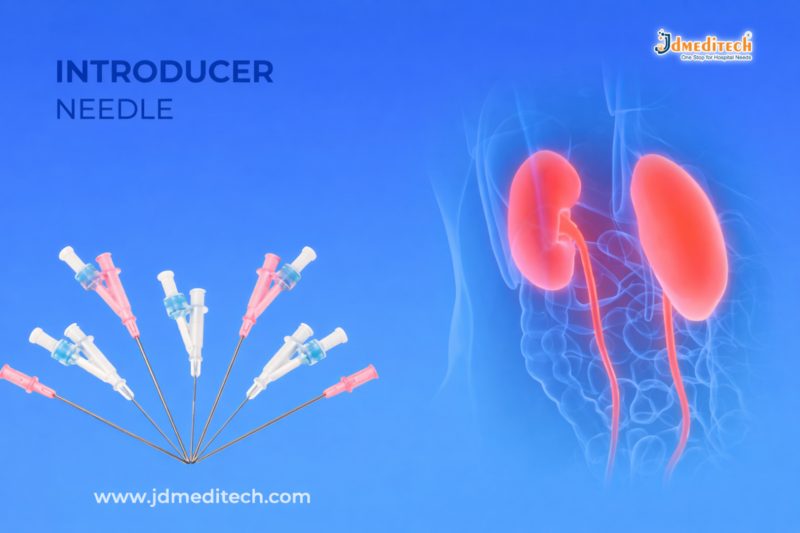
Essential Tool for Vascular Access in Dialysis – Introducer Needle

Introduction

The introducer needle for dialysis plays a critical role in establishing reliable vascular access during medical procedures. In dialysis, accurate and safe access to blood vessels is essential for effective treatment. Therefore, healthcare professionals rely on the introducer needle for dialysis to ensure precision and minimize complications.

Moreover, with advancements in medical technology, the introducer needle for dialysis has become more efficient, user-friendly, and safer for patients. As a result, it is now a standard tool in dialysis and interventional procedures.

What is an Introducer Needle for Dialysis?

An introducer needle for dialysis is a specialized medical device used to access blood vessels and facilitate the insertion of guidewires or catheters. It is typically the first step in vascular access procedures.

In addition, the introducer needle for dialysis is designed to provide:

  • Smooth vessel entry
  • High precision
  • Minimal tissue trauma

Because of these features, it significantly improves procedural success rates.

Importance of Introducer Needle for Dialysis

The introducer needle for dialysis is essential for ensuring safe and effective vascular access. Without proper access, dialysis procedures cannot be performed efficiently.

1. Accurate Vessel Access

First, the introducer needle for dialysis allows precise entry into veins or arteries, which reduces errors.

2. Reduced Risk of Complications

Furthermore, using an introducer needle for dialysis minimizes bleeding, infection, and vessel damage.

3. Smooth Guidewire Insertion

In addition, the introducer needle for dialysis enables easy placement of guidewires and catheters.

4. Enhanced Patient Comfort

As a result, patients experience less discomfort due to the minimally invasive design of the introducer needle for dialysis.

Key Features of Introducer Needle for Dialysis

A high-quality introducer needle for dialysis offers advanced features that improve performance and safety.

✔ Sharp Bevel Tip

The introducer needle for dialysis includes a sharp tip for smooth penetration.

✔ Echogenic Design

Additionally, the introducer needle for dialysis is visible under ultrasound, improving accuracy.

✔ Medical-Grade Stainless Steel

The introducer needle for dialysis is made from durable material for long-lasting performance.

✔ Ergonomic Hub

Moreover, the introducer needle for dialysis provides better grip and control.

✔ Color Coding

This feature helps clinicians quickly identify the correct introducer needle for dialysis size.

Types of Introducer Needle for Dialysis

Different clinical situations require different types of introducer needle for dialysis.

1. Single-Wall Needle

This type of introducer needle for dialysis is used for precise and controlled access.

2. Double-Wall Needle

In some cases, the introducer needle for dialysis passes through both vessel walls.

3. Echogenic Needle

This introducer needle for dialysis is ideal for ultrasound-guided procedures.

Applications of Introducer Needle for Dialysis

The introducer needle for dialysis is widely used across multiple medical fields.

  • Hemodialysis catheter placement
  • Central venous access
  • ICU procedures
  • Emergency care
  • Interventional radiology

Thus, the introducer needle for dialysis is a versatile and essential medical tool.

Advantages of Introducer Needle for Dialysis

Using an introducer needle for dialysis offers several benefits.

  • High precision
  • Faster procedures
  • Reduced complications
  • Improved success rate
  • Better patient safety

Therefore, the introducer needle for dialysis enhances overall treatment efficiency.

Best Practices for Using Introducer Needle for Dialysis

To achieve optimal results, proper use of the introducer needle for dialysis is important.

  • Always use sterile techniques
  • Choose the correct needle size
  • Use ultrasound guidance when possible
  • Follow clinical protocols
  • Dispose safely after use

By following these steps, the introducer needle for dialysis can be used safely and effectively.

Why Quality Matters

Choosing a high-quality introducer needle for dialysis ensures consistent performance and safety. In contrast, low-quality needles may increase risks and reduce accuracy.

Therefore, investing in a reliable introducer needle for dialysis improves both clinical outcomes and patient satisfaction.

Conclusion

In conclusion, the introducer needle for dialysis is an essential tool for safe and accurate vascular access. It improves precision, reduces complications, and enhances patient comfort.

As healthcare standards continue to evolve, the introducer needle for dialysis remains a key component in modern dialysis procedures.


Explore More Product >>

Get Connected:

+91 79909 93062 | +91 63513 72032 | exports@jdmeditech.com
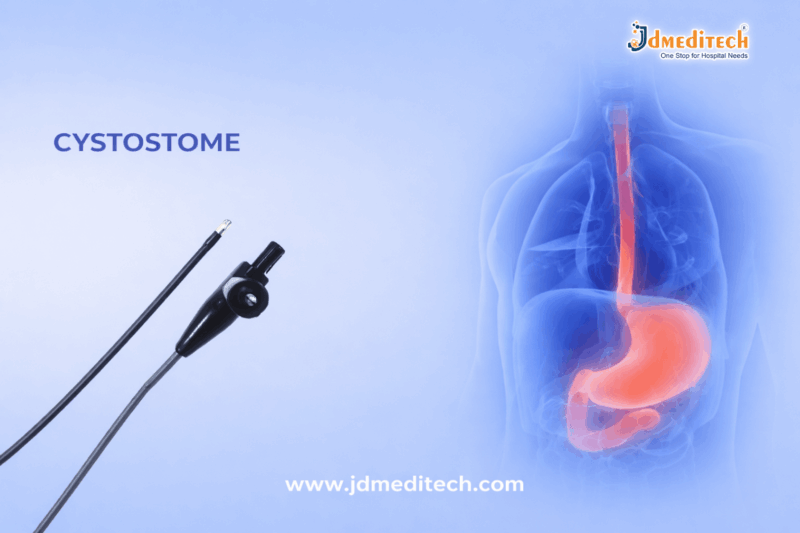
 

Cystostome Endoscopic Tool – Uses, Benefits & Key Features Explained

Cystostome – A Vital Endoscopic Tool for Safe and Precise Procedures

Introduction

The Cystostome is a highly specialized medical device used in endoscopic procedures to create controlled access into cystic or fluid-filled structures within the body. Widely used in gastroenterology and urology, this tool plays a crucial role in enabling safe drainage, therapeutic interventions, and minimally invasive treatments.

With the growing demand for precision-driven endoscopic techniques, the Cystostome has become an essential instrument in modern clinical practice.

What is a Cystostome?

A Cystostome is a cutting and access device designed for puncturing and dilating cystic lesions or ducts during endoscopic procedures. It is commonly used in:

  • Endoscopic Retrograde Cholangiopancreatography (ERCP)
  • Endoscopic Ultrasound (EUS)-guided procedures
  • Pancreatic pseudocyst drainage
  • Biliary drainage procedures

Its primary function is to provide controlled entry into targeted anatomical structures, ensuring minimal trauma and maximum efficiency.

Key Features of a Cystostome

Modern Cystostome devices are engineered with advanced features to enhance performance and safety:

1. Electrocautery-Enhanced Tip
  • Allows precise cutting and penetration
  • Reduces the need for multiple accessory devices
2. High-Quality Medical Materials
  • Made from medical-grade stainless steel and biocompatible polymers
  • Ensures durability and patient safety
3. Optimal Diameter & Length Options
  • Available in various sizes for different procedural needs
  • Compatible with standard endoscopes
4. Smooth Dilatation Capability
  • Facilitates controlled tract dilation
  • Minimizes procedural complications
5. Ergonomic Design
  • Easy handling for clinicians
  • Enhances procedural efficiency
Applications of Cystostome in Endoscopy

The Cystostome is widely used across multiple endoscopic interventions:

● Pancreatic Pseudocyst Drainage

Enables safe access and drainage of fluid collections in the pancreas.

● Biliary Drainage Procedures

Used to create access in obstructed bile ducts.

● EUS-Guided Interventions

Supports minimally invasive procedures with high precision.

● Gastrointestinal Cyst Access

Facilitates treatment of cystic lesions in the GI tract.

Advantages of Using a Cystostome

Using a Cystostome offers several clinical benefits:

  • Minimally Invasive Approach– Reduces patient recovery time
  • High Precision – Ensures accurate targeting
  • Improved Safety – Lowers risk of complications
  • Time Efficiency – Speeds up procedures
  • Versatility – Suitable for multiple endoscopic applications
Why Choose a High-Quality Cystostome?

Selecting a premium-quality Cystostome is essential for achieving optimal outcomes. A well-designed device ensures:

  • Consistent cutting performance
  • Reduced procedural risks
  • Enhanced clinician control
  • Better patient comfort

Healthcare providers should always prioritize certified and clinically tested devices for reliable performance.

Maintenance and Safety Considerations

To ensure long-term usability and patient safety:

  • Follow proper sterilization protocols
  • Use as per manufacturer guidelines
  • Inspect for any damage before use
  • Ensure compatibility with endoscopic systems
Future of Cystostome Technology

With advancements in endoscopic technology, the Cystostome continues to evolve. Innovations include:

  • Enhanced electrocautery systems
  • Improved flexibility and control
  • Integration with advanced imaging techniques

These developments are helping clinicians perform more precise and safer procedures.

Conclusion

The Cystostome is undeniably a vital endoscopic tool that has revolutionized minimally invasive procedures. Its precision, safety, and versatility make it indispensable in modern healthcare settings.

As medical technology continues to advance, the role of the Cystostome will only become more significant in delivering effective and patient-friendly treatments.


Explore More Product >>

Get Connected:

+91 79909 93062 | +91 63513 72032 | exports@jdmeditech.com
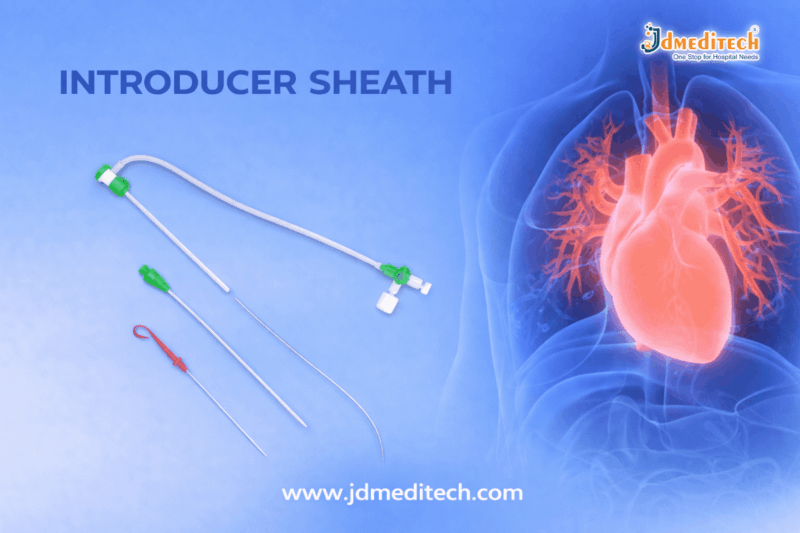
 

Advanced Introducer Sheath for Cardiovascular Procedures

What is an Advanced Introducer Sheath?

An advanced introducer sheath for cardiovascular procedures is a specialized medical device used to provide controlled and repeated access to blood vessels. It acts as a gateway, allowing clinicians to introduce catheters, guidewires, and other instruments into the vascular system safely.

These sheaths are engineered with cutting-edge materials and design features to ensure flexibility, durability, and patient comfort.

Key Features of Advanced Introducer Sheath
1. Smooth and Atraumatic Insertion

The sheath is designed with a soft, tapered tip that allows easy entry into the vessel while reducing tissue damage.

2. High-Quality Medical-Grade Materials

Manufactured using premium polymers, the sheath ensures durability, flexibility, and resistance to kinking.

3. Hemostatic Valve System

A built-in valve prevents blood loss during procedures while maintaining a clean working environment.

4. Radiopaque Marker

The advanced introducer sheath for cardiovascular procedures includes radiopaque markers for precise positioning under imaging guidance.

5. Kink-Resistant Design

Its reinforced structure ensures uninterrupted device passage even in complex vascular pathways.

Applications in Cardiovascular Procedures

The advanced introducer sheath for cardiovascular procedures is widely used in:

  • Coronary Angiography
  • Percutaneous Coronary Intervention (PCI)
  • Electrophysiology Procedures
  • Peripheral Vascular Interventions
  • Structural Heart Procedures

Its versatility makes it an essential tool in both diagnostic and therapeutic cardiology.

Benefits of Using Advanced Introducer Sheath
Enhanced Procedural Efficiency

The sheath allows smooth device exchange, reducing procedure time and improving workflow.

Improved Patient Safety

With reduced vascular trauma and controlled access, the risk of complications is significantly minimized.

Better Control for Clinicians

The ergonomic design provides superior handling and maneuverability during delicate procedures.

Reduced Blood Loss

The hemostatic valve ensures minimal blood leakage, maintaining procedural safety.

How to Choose the Right Introducer Sheath

Selecting the right advanced introducer sheath for cardiovascular procedures depends on several factors:

  • Sheath Size (French scale)
  • Length Requirements
  • Type of Procedure
  • Patient Anatomy
  • Compatibility with Devices

Always consult clinical guidelines and procedural needs before selection.

Maintenance and Safety Considerations

To ensure optimal performance:

  • Use sterile handling techniques
  • Check for defects before use
  • Follow single-use protocols
  • Dispose of safely after the procedure

Proper handling enhances both device efficiency and patient safety.

Why Advanced Technology Matters

The evolution of introducer sheaths has significantly improved cardiovascular care. Modern designs reduce complications, improve access, and support complex procedures with higher precision.

The advanced introducer sheath for cardiovascular procedures is not just a tool—it is a key contributor to successful clinical outcomes.

Conclusion

The Advanced Introducer Sheath for Cardiovascular Procedures is an indispensable component in today’s interventional cardiology landscape. With its advanced design, safety features, and clinical versatility, it ensures efficient vascular access and optimal procedural performance.

Healthcare professionals rely on this essential device to deliver accurate, safe, and life-saving cardiovascular treatments.


Explore More Product >>

Get Connected:

+91 79909 93062 | +91 63513 72032 | exports@jdmeditech.com
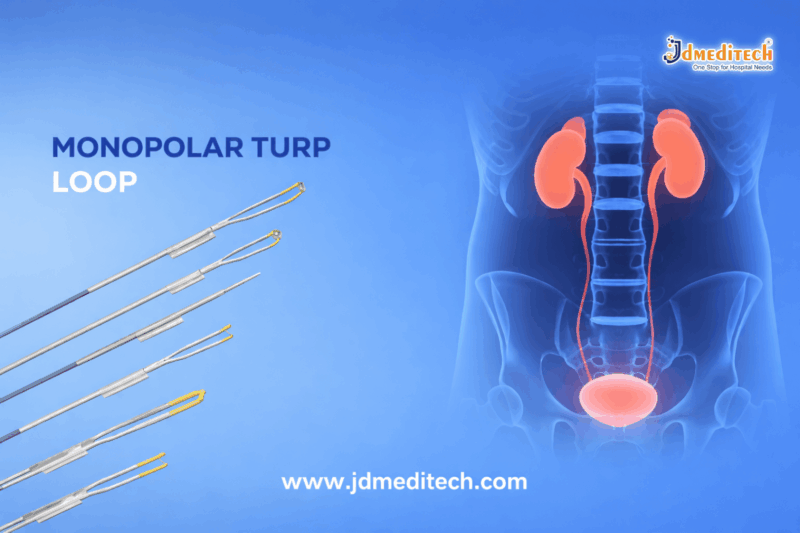


Precision Monopolar Loop Electrode for Prostate Surgery | TURP Guide

Introduction

The Precision Monopolar Loop Electrode for Prostate Surgery is a vital component in modern urological procedures, especially in Transurethral Resection of the Prostate (TURP). Designed for high precision and controlled tissue removal, this electrode plays a crucial role in ensuring safe and effective prostate surgery.

With advancements in surgical technology, the demand for reliable and high-performance monopolar loop electrodes has significantly increased. These instruments provide surgeons with excellent cutting efficiency and coagulation control, improving overall patient outcomes.

What is a Precision Monopolar Loop Electrode?

A Precision Monopolar Loop Electrode for Prostate Surgery is a specialized electrosurgical device used in TURP procedures. It is connected to an electrosurgical unit and is designed to cut and coagulate prostate tissue using high-frequency electrical current.

The loop-shaped design allows surgeons to precisely remove obstructive prostate tissue while maintaining visibility and control throughout the procedure.

Key Features of Precision Monopolar Loop Electrode for Prostate Surgery
1. High Precision Cutting

The electrode ensures smooth and accurate tissue resection, minimizing damage to surrounding structures.

2.High Electrical Conductivity

Manufactured with medical-grade materials, it provides efficient energy transmission for consistent performance.

3. Superior Hemostasis Control

It allows effective coagulation, reducing intraoperative bleeding and enhancing surgical safety.

4. Durable Medical-Grade Construction

Built using high-quality stainless steel or tungsten wire loops for long-lasting performance.

5. Compatibility with Standard Resectoscopes

The Precision Monopolar Loop Electrode for Prostate Surgery is designed to work seamlessly with most monopolar TURP systems.

Applications in Prostate Surgery

The Precision Monopolar Loop Electrode for Prostate Surgery is primarily used in:

  • Transurethral Resection of the Prostate (TURP)
  • Treatment of Benign Prostatic Hyperplasia (BPH)
  • Removal of obstructive prostate tissue
  • Electrosurgical cutting and coagulation procedures
Advantages of Using Precision Monopolar Loop Electrode
1. Enhanced Surgical Accuracy

Surgeons can perform precise resections with better control, reducing complications.

2. Improved Patient Safety

Efficient coagulation minimizes blood loss and lowers the risk of post-operative complications.

3. Cost-Effective Solution

Compared to advanced technologies, monopolar systems are widely available and economical.

4. Proven Clinical Performance

Monopolar TURP remains a gold-standard procedure in urology, supported by decades of successful outcomes.

How It Works

The Precision Monopolar Loop Electrode for Prostate Surgery works by delivering high-frequency electrical current through the loop. When the loop comes into contact with tissue:

  • The current generates heat
  • Tissue is cut or vaporized
  • Simultaneous coagulation occurs to control bleeding

A grounding pad is used to safely return the electrical current, completing the circuit.

Monopolar vs Bipolar Loop Electrode
Feature Monopolar Loop Electrode Bipolar Loop Electrode
Energy Flow Through body to grounding pad Localized between electrodes
Irrigation Fluid Non-conductive (glycine) Saline
Cost More affordable Higher
Usage Widely used in TURP Increasingly popular
Safety Considerations

When using a Precision Monopolar Loop Electrode for Prostate Surgery, it is important to:

  • Ensure proper grounding pad placement
  • Use compatible electrosurgical units
  • Monitor irrigation fluids carefully
  • Follow sterilization protocols
  • Avoid excessive thermal exposure
Choosing the Right Monopolar Loop Electrode

Selecting the right Precision Monopolar Loop Electrode for Prostate Surgery depends on:

  • Loop size and shape
  • Material quality
  • Compatibility with resectoscope
  • Surgeon preference
  • Procedure requirements

High-quality electrodes ensure consistent performance and reduce procedural risks.

Maintenance and Handling

Proper care of the Precision Monopolar Loop Electrode for Prostate Surgery enhances its lifespan:

  • Clean and sterilize after each use
  • Inspect for damage or wear
  • Store in sterile conditions
  • Follow manufacturer guidelines
Conclusion

The Precision Monopolar Loop Electrode for Prostate Surgery remains an essential tool in TURP procedures. Its ability to deliver precise cutting and effective coagulation makes it a trusted choice among urologists worldwide.

With its proven efficiency, cost-effectiveness, and reliability, this device continues to play a critical role in improving prostate surgery outcomes.


Explore More Product >>

Get Connected:

+91 79909 93062 | +91 63513 72032 | exports@jdmeditech.com
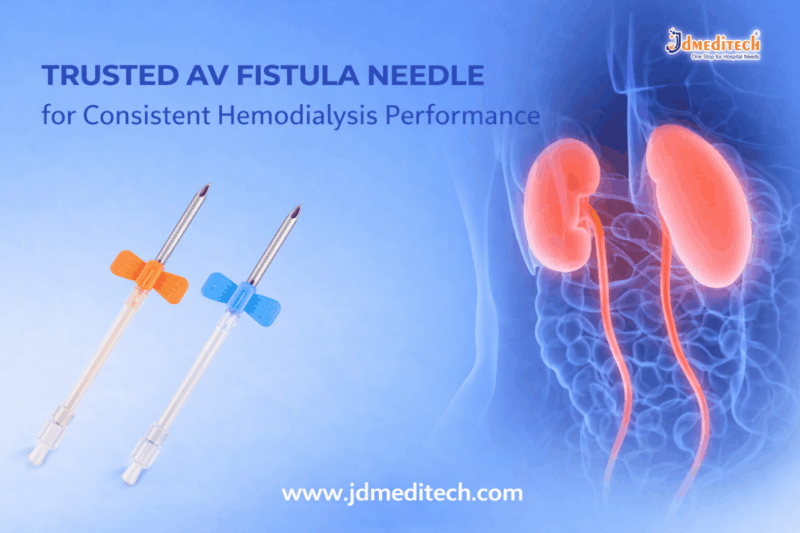


Trusted AV Fistula Needle for Consistent Hemodialysis Performance

Introduction

In hemodialysis, reliable vascular access is critical for effective treatment outcomes. One of the most essential components in this process is the AV fistula needle for hemodialysis, designed to ensure smooth blood flow and patient safety during dialysis sessions. A high-quality AV fistula needle plays a vital role in maintaining consistent performance, reducing complications, and improving overall treatment efficiency.

What is an AV Fistula Needle?

An AV fistula needle for hemodialysis is a specialized medical device used to access the arteriovenous fistula—an artificial connection between an artery and a vein created for dialysis. These needles allow blood to flow from the patient to the dialysis machine and back efficiently.

They are typically available in various gauges and lengths to suit different patient needs and vascular conditions.

Key Features of a Trusted AV Fistula Needle
1. Ultra-Sharp Needle Tip

Designed for smooth and painless insertion, minimizing trauma to the vascular access site.

2. High-Quality Medical-Grade Stainless Steel

Ensures durability, corrosion resistance, and safe clinical performance.

3. Thin-Wall Technology

Provides optimal blood flow rates, improving dialysis efficiency.

4. Flexible and Kink-Resistant Tubing

Maintains uninterrupted blood flow during the procedure.

5. Color-Coded Hubs

Allows easy identification of needle size for quick and accurate selection.

6. Secure Wing Design

Ensures stable positioning and reduces the risk of needle displacement.

Benefits of Using AV Fistula Needle for Hemodialysis
Consistent Blood Flow

The AV fistula needle for hemodialysis ensures steady blood circulation, which is essential for effective toxin removal.

Enhanced Patient Comfort

Advanced needle design reduces pain and discomfort during insertion.

Reduced Risk of Complications

Minimizes infiltration, infection, and vascular damage.

Improved Treatment Efficiency

Supports optimal dialysis performance with reliable vascular access.

Ease of Handling for Clinicians

Ergonomic design enables better control and precise placement.

Applications in Hemodialysis

The AV fistula needle for hemodialysis is widely used in:

  • Chronic kidney disease (CKD) treatment
  • Long-term dialysis procedures
  • Hospital and dialysis center settings
  • Home hemodialysis setups
How to Choose the Right AV Fistula Needle

Selecting the appropriate needle is crucial for patient safety and treatment success. Consider:

  • Gauge Size : Based on blood flow requirements
  • Needle Length : Suitable for fistula depth
  • Material Quality : Always choose medical-grade components
  • Safety Features : Look for secure wings and anti-kink tubing
Best Practices for Safe Use
  • Always follow aseptic techniques
  • Use proper insertion angle and technique
  • Rotate puncture sites to prevent damage
  • Monitor for signs of infection or infiltration
  • Dispose of needles safely after use
Why Quality Matters in AV Fistula Needles

Using a trusted and high-quality AV fistula needle for hemodialysis directly impacts patient outcomes. Inferior needles can lead to complications, poor blood flow, and increased discomfort. Investing in reliable products ensures consistent dialysis performance and enhances patient safety.

Conclusion

A trusted AV fistula needle for hemodialysis is essential for delivering safe, efficient, and consistent dialysis treatment. With advanced design features, superior materials, and patient-focused benefits, these needles play a critical role in modern renal care.

For healthcare providers, choosing the right AV fistula needle is not just a clinical decision—it’s a commitment to better patient outcomes and long-term treatment success.


Explore More Product >>

Get Connected:

+91 79909 93062 | +91 63513 72032 | exports@jdmeditech.com
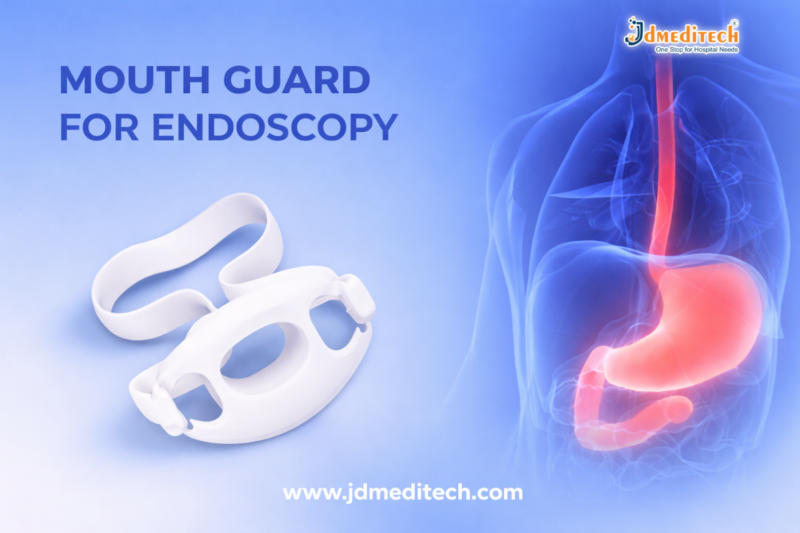


Mouth Guard for Endoscopy

Mouth Guard for Endoscopy – Protection, Comfort, and Precision

Introduction

Endoscopic procedures require precision, safety, and patient comfort. One essential yet often overlooked accessory is the mouth guard for endoscopy. This small but critical device plays a major role in protecting both the patient and the endoscope during procedures like upper GI endoscopy, ERCP, and bronchoscopy.

In this guide, we’ll explore everything you need to know about endoscopy mouth guards, including their purpose, benefits, types, and how to choose the right one.

What is a Mouth Guard for Endoscopy?

A mouth guard for endoscopy is a medical device placed in the patient’s mouth during endoscopic procedures. It helps keep the mouth open while protecting the teeth, lips, and the endoscope from damage.

These guards are typically made from medical-grade, soft yet durable materials, ensuring safety and comfort throughout the procedure.

Why is a Mouth Guard Important in Endoscopy?

Using a mouth guard in endoscopy is crucial for several reasons:

1. Protection of the Endoscope

Patients may involuntarily bite during procedures. A mouth guard prevents damage to expensive endoscopic equipment.

2. Patient Safety

It protects teeth, gums, and lips from injury, especially during long or complex procedures.

3. Improved Procedure Efficiency

By stabilizing the mouth, it allows smooth insertion and maneuverability of the endoscope.

4. Infection Control

Many modern endoscopy mouth guards are designed for single-use, reducing cross-contamination risks.

Key Features of Endoscopy Mouth Guards

A high-quality mouth guard for endoscopy offers:

  • Ergonomic Design for a secure and comfortable fit
  • Soft Bite Block to prevent dental injury
  • High Durability to withstand pressure
  • Adjustable Straps for stability during procedures
  • Latex-Free Material to avoid allergic reactions
Types of Mouth Guards for Endoscopy

Different procedures require specific designs. Common types include:

1. Standard Bite Block Mouth Guard

Used in routine upper GI endoscopy procedures.

2. Mouth Guard with Oxygen Port

Allows oxygen delivery during sedation, improving patient safety.

3. Adjustable Mouth Guard

Suitable for different patient sizes, including pediatric and adult use.

4. Disposable Mouth Guard

Single-use options that ensure hygiene and reduce infection risks.

Applications of Mouth Guard in Endoscopy

The endoscopy mouth guard is widely used in:

  • Upper GI Endoscopy
  • ERCP (Endoscopic Retrograde Cholangiopancreatography)
  • Bronchoscopy
  • Transesophageal Echocardiography (TEE)
How to Choose the Right Mouth Guard for Endoscopy

Selecting the right mouth guard for endoscopy depends on several factors:

  • Patient Comfort : Choose soft, anatomically designed guards
  • Procedure Type : Ensure compatibility with the procedure
  • Material Quality : Opt for medical-grade, non-toxic materials
  • Ease of Use : Quick placement and secure fit
  • Infection Control : Prefer disposable or serializable options
Benefits of Using a High-Quality Endoscopy Mouth Guard

Using a premium endoscopy mouth guard provides:

  • Enhanced patient comfort
  • Reduced risk of dental and soft tissue injury
  • Protection of costly endoscopic instruments
  • Improved procedural accuracy
  • Better clinical outcomes
Maintenance and Safety Tips
  • Use disposable mouth guards whenever possible
  • Ensure proper sterilization for reusable models
  • Check for damage before use
  • Use the correct size for each patient

Conclusion

The mouth guard for endoscopy is a small but indispensable tool that ensures safety, comfort, and precision during procedures. By protecting both the patient and the equipment, it contributes significantly to successful outcomes.

Healthcare providers should always prioritize high-quality endoscopy mouth guards to enhance efficiency and maintain the highest standards of care.


Explore More Product >>

Get Connected:

+91 79909 93062 | +91 63513 72032 | exports@jdmeditech.com
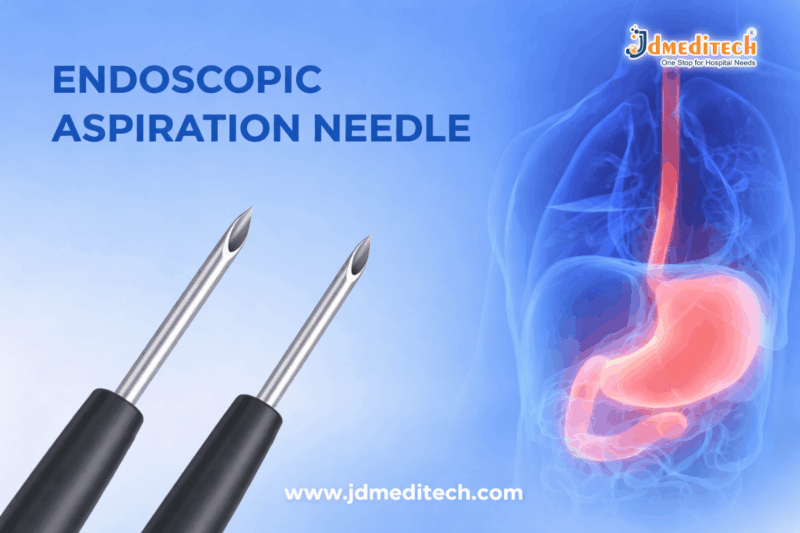
 

Endoscopic Aspiration Needle: Uses, Types, Benefits & Procedure

Endoscopic Aspiration Needle: A Complete Guide for Accurate Diagnosis & Minimally Invasive Procedures

Introduction

An Endoscopic Aspiration Needle is a vital medical device used in modern diagnostic and therapeutic procedures. It plays a crucial role in collecting tissue or fluid samples from internal organs through endoscopic guidance.

With increasing demand for minimally invasive procedures, this device has become essential in gastroenterology, pulmonology, and oncology.

What is an Endoscopic Aspiration Needle?

An Endoscopic Aspiration Needle is a specialized needle designed to pass through an endoscope to obtain tissue samples from lesions, lymph nodes, or masses inside the body.

Doctors commonly use it during procedures like:

  • Endoscopic Ultrasound (EUS)
  • Bronchoscopy
  • Fine Needle Aspiration (FNA)
Key Features of Endoscopic Aspiration Needle

Modern Endoscopic Aspiration Needle devices are designed for precision and safety. Key features include:

  • High-quality stainless steel needle
  • Echogenic tip for better visibility
  • Flexible catheter for easy navigation
  • Ergonomic handle for control
  • Multiple size options (19G, 22G, 25G)

These features ensure accurate targeting and effective sample collection.

Types of Endoscopic Aspiration Needles

Different procedures require different types of Endoscopic Aspiration Needle:

1. Fine Needle Aspiration (FNA) Needle

Used for collecting cytological samples.

2. Fine Needle Biopsy (FNB) Needle

Designed to obtain core tissue samples for histology.

3. EUS-Guided Aspiration Needle

Used with endoscopic ultrasound for precise targeting.

Applications in Medical Procedures

The Endoscopic Aspiration Needle is widely used across various specialties:

  • Gastroenterology– Sampling pancreatic lesions
  • Oncology– Tumor diagnosis and staging
  • Pulmonology– Lung mass biopsy
  • Hepatology– Liver lesion evaluation

This versatility makes it a critical diagnostic tool.

Benefits of Using Endoscopic Aspiration Needle

Using an Endoscopic Aspiration Needle offers several advantages:

  • Minimally invasive procedure
  • Reduced patient discomfort
  • Quick recovery time
  • High diagnostic accuracy
  • Lower risk of complications

As a result, it is preferred over traditional surgical biopsy methods.

Procedure Overview

The procedure using an Endoscopic Aspiration Needle typically involves:

  1. Insertion of the endoscope into the body
  2. Identification of the target area
  3. Needle advancement through the endoscope
  4. Sample collection via aspiration
  5. Withdrawal and lab analysis

The entire process is safe and efficient when performed by trained professionals.

Safety and Precautions

Although the Endoscopic Aspiration Needle is safe, certain precautions are necessary:

  • Proper sterilization
  • Use by trained specialists only
  • Monitoring for complications like bleeding or infection
  • Correct needle selection based on procedure

Following these ensures optimal patient outcomes.

How to Choose the Right Endoscopic Aspiration Needle

Selecting the right Endoscopic Aspiration Needle depends on:

  • Target tissue type
  • Required sample size
  • Procedure type (EUS, bronchoscopy)
  • Needle gauge

Consulting medical experts helps in making the best choice.

Conclusion

The Endoscopic Aspiration Needle is an indispensable tool in modern medicine. It enables accurate diagnosis while minimizing patient discomfort.

With advancements in technology, these needles continue to improve precision, safety, and efficiency in medical procedures.


Explore More Product >>

Get Connected:

+91 79909 93062 | +91 63513 72032 | exports@jdmeditech.com
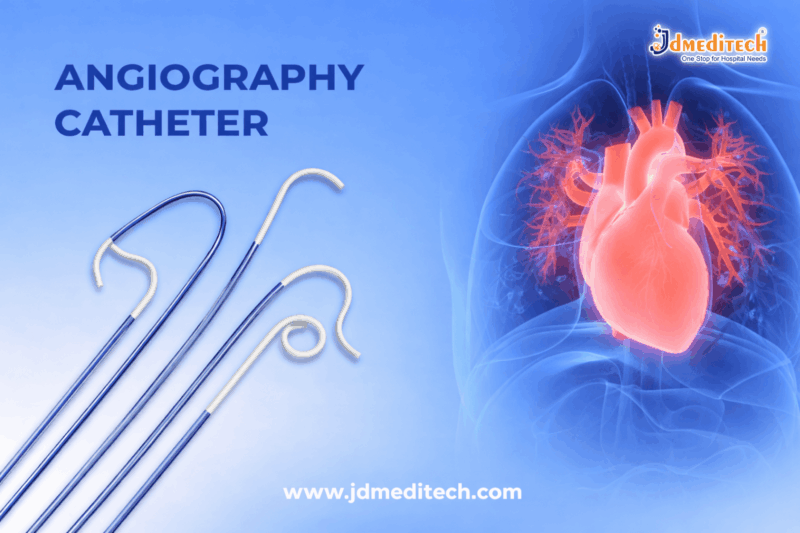
Angiography Diagnostic Catheter: Uses, Types, Procedure & Benefits

Angiography Diagnostic Catheter: Complete Guide for Accurate Vascular Imaging

Introduction

The Angiography Diagnostic Catheter is an essential tool in modern medical imaging. It helps doctors examine blood vessels with high precision. In fact, this device plays a key role in diagnosing cardiovascular and vascular diseases.

Today, healthcare professionals prefer the Angiography Diagnostic Catheter because it offers accurate results and supports minimally invasive procedures. Therefore, it has become a standard instrument in hospitals and diagnostic centers.

What is an Angiography Diagnostic Catheter?

An Angiography Diagnostic Catheter is a thin, flexible medical tube used to inject contrast dye into blood vessels. As a result, doctors can clearly view arteries and veins using imaging techniques like fluoroscopy.

Moreover, the Angiography Diagnostic Catheter is designed to move smoothly through blood vessels. This ensures both safety and efficiency during diagnostic procedures.

Key Features of Angiography Diagnostic Catheter
Flexible and Smooth Design

The Angiography Diagnostic Catheter offers excellent flexibility. Therefore, it easily navigates complex vascular pathways.

Radiopaque Visibility

Additionally, it contains radiopaque markers. These markers help doctors track the Angiography Diagnostic Catheter during imaging.

Multiple Shapes and Sizes

The Angiography Diagnostic Catheter is available in various shapes like Judkins, Amplatz, and Pigtail. Each type serves a specific diagnostic purpose.

Biocompatible Material

Furthermore, the materials used in the Angiography Diagnostic Catheter reduce the risk of infection and complications.

Types of Angiography Diagnostic Catheter
Coronary Angiography Catheter

This Angiography Diagnostic Catheter is used to examine coronary arteries.

Peripheral Angiography Catheter

It helps diagnose vascular issues in limbs and other body parts.

Neuro Angiography Catheter

Doctors use this Angiography Diagnostic Catheter for brain-related vascular imaging.

Pigtail Catheter

This type of Angiography Diagnostic Catheter ensures uniform dye distribution in large vessels.

Selective Catheter

It allows precise access to targeted blood vessels.

Procedure Using Angiography Diagnostic Catheter
Step 1: Patient Preparation

First, the patient is prepared, and local anesthesia is given.

Step 2: Catheter Insertion

Next, the Angiography Diagnostic Catheter is inserted into an artery, usually in the wrist or groin.

Step 3: Navigation

Then, doctors guide the Angiography Diagnostic Catheter to the target area using imaging.

Step 4: Contrast Injection

After that, contrast dye is injected through the Angiography Diagnostic Catheter.

Step 5: Imaging

Finally, images are captured for diagnosis.

Benefits of Angiography Diagnostic Catheter
  • Provides accurate diagnosis
  • Supports minimally invasive procedures
  • Ensures faster recovery
  • Offers real-time imaging
  • Improves treatment planning

Because of these advantages, the Angiography Diagnostic Catheter is widely used in modern healthcare.

Applications of Angiography Diagnostic Catheter

The Angiography Diagnostic Catheter is used in several medical fields:

  • Cardiology
  • Neurology
  • Vascular surgery
  • Interventional radiology

Thus, it plays a crucial role in diagnosing serious conditions like blockages and aneurysms.

Safety and Precautions

Although the Angiography Diagnostic Catheter is safe, some precautions are necessary:

  • Monitor for dye allergies
  • Maintain sterile conditions
  • Choose the correct catheter type
  • Observe the patient during the procedure
Conclusion

The Angiography Diagnostic Catheter is a vital device for accurate vascular diagnosis. It improves imaging quality while ensuring patient safety. In addition, its advanced design supports efficient and reliable procedures.

Therefore, healthcare providers trust the Angiography Diagnostic Catheter for precise and effective diagnostics.


Explore More Product >>

Get Connected:

+91 79909 93062 | +91 63513 72032 | exports@jdmeditech.com
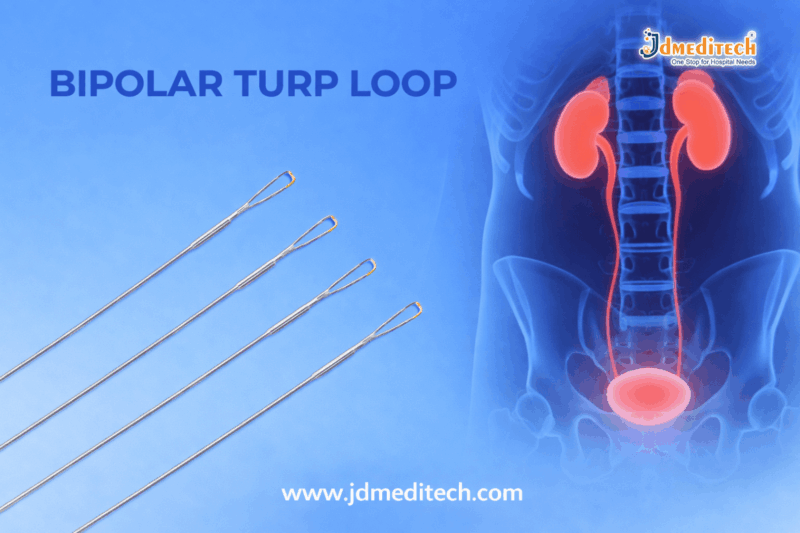


High-Precision Bipolar TURP Loop for Safe Prostate Surgery

High-Precision Bipolar TURP Loop for Safe & Effective Prostate Surgery

Introduction

The High-Precision Bipolar TURP Loop is an essential instrument in modern urology. It plays a vital role in treating benign prostatic hyperplasia (BPH). Today, surgeons prefer the High-Precision Bipolar TURP Loop because it offers better control, higher safety, and improved surgical outcomes.

Moreover, this advanced device ensures minimal complications. As a result, it has become a standard choice in TURP procedures worldwide.

What is a High-Precision Bipolar TURP Loop?

A High-Precision Bipolar TURP Loop is an electrosurgical device used during transurethral resection of the prostate. It uses bipolar energy to cut and coagulate tissue simultaneously.

Unlike traditional systems, the High-Precision Bipolar TURP Loop works with saline irrigation. Therefore, it significantly reduces the risk of complications and improves surgical safety.

Key Features of High-Precision Bipolar TURP Loop

The High-Precision Bipolar TURP Loop is designed to deliver superior performance. Key features include:

  • High precision cutting for accurate tissue removal
  • Smooth loop design for consistent performance
  • Efficient energy transmission
  • Minimal thermal damage to surrounding tissue
  • Excellent compatibility with bipolar systems
  • Ergonomic handling for better surgical control
Benefits of High-Precision Bipolar TURP Loop
1. Enhanced Surgical Precision

The High-Precision Bipolar TURP Loop allows surgeons to perform controlled and accurate resections. Consequently, it improves overall surgical results.

2. Improved Patient Safety

Because the High-Precision Bipolar TURP Loop uses saline, it reduces the risk of TUR syndrome. Therefore, it ensures safer procedures.

3. Better Hemostasis

This device provides excellent coagulation. As a result, bleeding during surgery is minimized.

4. Faster Recovery

Patients treated with a High-Precision Bipolar TURP Loop often recover faster due to reduced tissue trauma.

5. Reduced Complications

The High-Precision Bipolar TURP Loop lowers the chances of post-operative complications, ensuring better patient outcomes.

How Does High-Precision Bipolar TURP Loop Work?

The High-Precision Bipolar TURP Loop works by passing electrical energy between two electrodes on the loop. This design enables:

  • Precise cutting of prostate tissue
  • Simultaneous coagulation
  • Controlled energy flow

As a result, the High-Precision Bipolar TURP Loop ensures high efficiency and safety during procedures.

Applications of High-Precision Bipolar TURP Loop

The High-Precision Bipolar TURP Loop is widely used in:

  • Benign Prostatic Hyperplasia (BPH) treatment
  • Transurethral resection procedures
  • Advanced urology surgeries
  • Hospitals and specialized clinics
Bipolar vs Monopolar TURP Loop
Feature Bipolar TURP Loop Monopolar TURP Loop
Irrigation Saline Glycine
Safety High Moderate
TUR Syndrome Risk Very Low Higher
Precision High Moderate
Recovery Faster Slower

Clearly, the High-Precision Bipolar TURP Loop provides better safety and efficiency compared to traditional options.

Why Choose High-Precision Bipolar TURP Loop?

Choosing a High-Precision Bipolar TURP Loop offers multiple advantages. First, it improves surgical accuracy. Second, it enhances patient safety. Finally, it ensures reliable performance in every procedure.

Therefore, hospitals and surgeons increasingly rely on the High-Precision Bipolar TURP Loop for consistent and high-quality results.

Maintenance Tips

To maintain the performance of the High-Precision Bipolar TURP Loop, follow these steps:

  • Clean thoroughly after each use
  • Sterilize according to medical standards
  • Inspect before every procedure
  • Store in a sterile environment

Proper care ensures long-lasting efficiency of the High-Precision Bipolar TURP Loop.

Conclusion

The High-Precision Bipolar TURP Loop is a game-changing tool in urology. It combines precision, safety, and efficiency in one device. Additionally, it reduces complications and improves patient recovery.

In conclusion, adopting the High-Precision Bipolar TURP Loop is essential for modern surgical success.


Explore More Product >>

Get Connected:

+91 79909 93062 | +91 63513 72032 | exports@jdmeditech.com
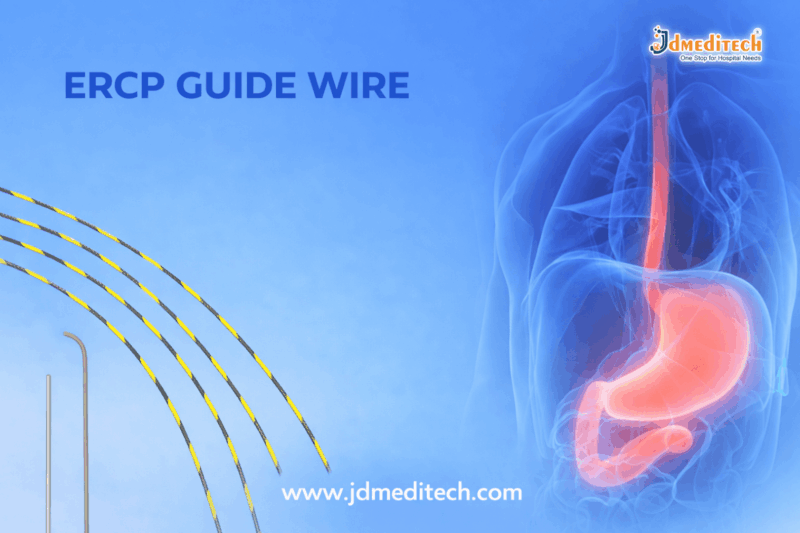
ERCP Guide Wire: Features, Benefits & Clinical Applications

ERCP Guide Wire: Precision Navigation for Advanced Biliary and Pancreatic Procedures

Introduction

An ERCP Guide Wire is a critical tool used in Endoscopic Retrograde Cholangiopancreatography (ERCP) procedures. It helps physicians navigate complex biliary and pancreatic ducts with precision and safety. As minimally invasive procedures continue to grow in popularity, the importance of a reliable ERCP guide wire becomes even more significant.

In this blog, we will explore the features, benefits, applications, and selection criteria of ERCP guide wires to help healthcare professionals make informed decisions.

What is an ERCP Guide Wire?

An ERCP Guide Wire is a flexible, steerable wire designed to assist in accessing and navigating the biliary and pancreatic ducts during ERCP procedures. It acts as a pathway for other devices such as catheters, stents, and dilation balloons.

Because of its design and material, the guide wire ensures smooth insertion and minimizes trauma to delicate ductal structures.

Key Features of ERCP Guide Wire
1. High Flexibility and Torque Control

ERCP guide wires offer excellent flexibility. At the same time, they provide superior torque control. As a result, clinicians can maneuver through complex anatomy with ease.

2. Hydrophilic Coating

Most ERCP guide wires come with a hydrophilic coating. Therefore, they reduce friction and allow smoother navigation through tight or tortuous ducts.

3. Radiopaque Tip

The radiopaque tip enhances visibility under fluoroscopy. This feature ensures accurate placement and improves procedural safety.

4. Optimal Stiffness

The shaft of the ERCP guide wire provides the right balance between stiffness and flexibility. Consequently, it supports device exchange without compromising control.

5. Kink Resistance

High-quality guide wires are designed to resist kinking. This ensures consistent performance during long or complex procedures.

Applications of ERCP Guide Wire

An ERCP Guide Wire is widely used in various therapeutic and diagnostic procedures:

  • Biliary cannulation
  • Pancreatic duct access
  • Stone extraction procedures
  • Stent placement
  • Stricture dilation
  • Drainage procedures

Because of its versatility, it is an essential component in every ERCP setup.

Benefits of Using ERCP Guide Wire
Improved Procedural Accuracy

The guide wire enhances precision. Therefore, clinicians can access target ducts more effectively.

Reduced Risk of Complications

Smooth navigation reduces trauma. As a result, the risk of perforation and other complications decreases.

Faster Procedure Time

Efficient access leads to shorter procedure times. This improves patient comfort and clinical workflow.

Enhanced Device Compatibility

ERCP guide wires are compatible with a wide range of endoscopic accessories. Thus, they support seamless device exchange.

Types of ERCP Guide Wires
Hydrophilic Guide Wires

These wires are coated for smooth navigation. They are ideal for difficult or tight strictures.

Hybrid Guide Wires

Hybrid wires combine hydrophilic tips with stiff shafts. Therefore, they provide both flexibility and support.

Stiff Guide Wires

These wires are used when strong support is needed, especially during stent placement.

How to Choose the Right ERCP Guide Wire

Selecting the right ERCP Guide Wire depends on several factors:

  • Procedure type: Diagnostic or therapeutic
  • Duct anatomy: Straight or tortuous
  • Required support level: Flexible vs stiff
  • Coating type: Hydrophilic or non-coated
  • Visibility needs: Radiopaque features

By considering these factors, healthcare professionals can improve procedural outcomes.

Best Practices for Using ERCP Guide Wire
  • Always confirm guide wire position under fluoroscopy
  • Avoid excessive force during insertion
  • Use appropriate wire type for each procedure
  • Maintain sterility to prevent infections
  • Replace damaged or kinked wires immediately

Following these practices ensures safety and efficiency.

Why Choose High-Quality ERCP Guide Wires?

High-quality ERCP Guide Wires offer consistent performance, durability, and enhanced safety. Moreover, they reduce procedural risks and improve clinical success rates.

For hospitals and endoscopy centers, investing in premium guide wires is essential for delivering reliable patient care.

Conclusion

An ERCP Guide Wire plays a vital role in modern gastroenterology procedures. It ensures precise navigation, supports device delivery, and enhances overall procedural success. Therefore, choosing the right guide wire is crucial for both patient safety and clinical efficiency.

As ERCP procedures continue to evolve, the demand for advanced, high-performance guide wires will only increase.


Explore More Product >>

Get Connected:

+91 79909 93062 | +91 63513 72032 | exports@jdmeditech.com