
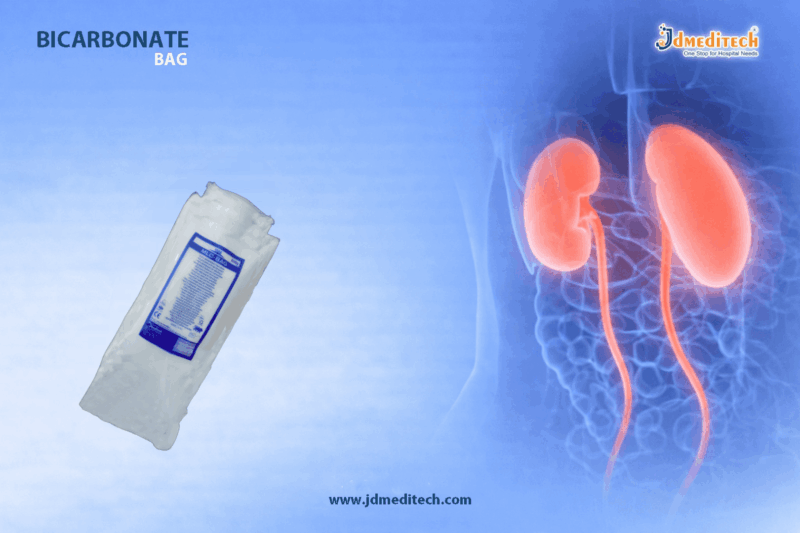
Bicarbonate Bi Bags for Dialysis – Consistent & Safe Concentrate Solution

Bicarbonate Bi Bags 

Introduction

In modern hemodialysis, precision and consistency are critical for ensuring patient safety and treatment effectiveness. One essential component that directly impacts dialysis quality is the Bicarbonate Bi Bags. These specially designed bags provide a reliable and hygienic source of bicarbonate concentrate, helping healthcare providers maintain optimal dialysis performance.

In this blog, we’ll explore everything you need to know about Bicarbonate Bi Bags, including their benefits, working mechanism, and why they are a preferred choice in dialysis centers.

What Are Bicarbonate Bi Bags?

Bicarbonate Bi Bags are pre-filled or powder-based medical bags used to prepare bicarbonate solution for hemodialysis machines. They ensure a consistent bicarbonate concentrate, which is essential for maintaining the patient’s acid-base balance during dialysis.

Unlike traditional bicarbonate mixing systems, these bags offer a clean, safe, and efficient solution with minimal risk of contamination.

Why Bicarbonate Concentrate Is Important in Dialysis

During hemodialysis, patients often suffer from metabolic acidosis due to kidney failure. Bicarbonate plays a vital role in:

  • Restoring acid-base balance
  • Neutralizing excess acids in the blood
  • Improving patient comfort during dialysis
  • Enhancing overall treatment outcomes

Using Bicarbonate Bi Bags ensures that this critical component is delivered accurately and consistently.

Key Features of Bicarbonate Bi Bags
1. Consistent Concentrate Quality

Bicarbonate Bi Bags are manufactured to provide uniform concentration levels, ensuring reliable dialysis performance every time.

2. Hygienic and Closed System

These bags reduce the risk of contamination by eliminating manual mixing, making them ideal for maintaining sterile conditions.

3. Easy Handling and Setup

Designed for convenience, Bicarbonate Bi Bags are lightweight and simple to install, reducing workload for medical staff.

4. Reduced Preparation Time

Pre-measured bicarbonate allows quick preparation, improving workflow efficiency in busy dialysis units.

5. Compatibility with Dialysis Machines

Bicarbonate Bi Bags are compatible with most modern hemodialysis machines, ensuring seamless integration.

Advantages of Using Bicarbonate Bi Bags
  • Improved dialysis efficiency
  • Enhanced patient safety
  • Reduced risk of bacterial contamination
  • Consistent treatment outcomes
  • Lower operational complexity

These advantages make Bicarbonate Bi Bags a preferred choice in hospitals and dialysis centers worldwide.

How Bicarbonate Bi Bags Work

Bicarbonate Bi Bags are connected directly to the dialysis machine. Once installed:

  1. The machine mixes the bicarbonate powder with purified water
  2. A precise bicarbonate solution is prepared
  3. The solution is delivered to the dialyzer during treatment

This automated process ensures accurate dosing and consistent performance.

Applications in Dialysis Centers

Bicarbonate Bi Bags are widely used in:

  • Hemodialysis units
  • Hospitals and clinics
  • Dialysis centers with high patient volume
  • Home dialysis setups (in some cases)

Their ease of use and reliability make them suitable for both small and large-scale operations.

Why Choose High-Quality Bicarbonate Bi Bags?

Selecting premium-quality Bicarbonate Bi Bags is essential for:

  • Maintaining treatment accuracy
  • Ensuring patient safety
  • Reducing equipment maintenance issues
  • Achieving long-term cost efficiency

Low-quality alternatives may lead to inconsistent concentrations and compromise dialysis effectiveness.

Why Bicarbonate Bi Bags Are Essential

If you are searching for a reliable bicarbonate concentrate solution for dialysis, Bicarbonate Bi Bags provide the perfect combination of accuracy, safety, and efficiency.

Their growing adoption in healthcare facilities highlights their importance in modern dialysis treatment.

Conclusion

Bicarbonate Bi Bags play a crucial role in delivering consistent concentrate for optimal dialysis performance. With their hygienic design, ease of use, and reliable output, they are an indispensable component in dialysis care.

For healthcare providers aiming to improve treatment quality and operational efficiency, investing in high-quality Bicarbonate Bi Bags is a smart and essential decision.


Explore More Product >>

+91 79909 93062 | +91 63513 72032 | exports@jdmeditech.com
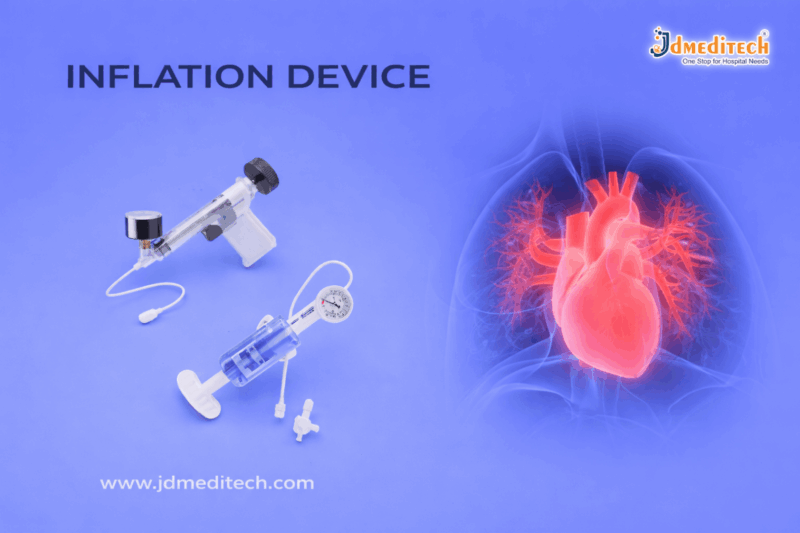


Inflation Device for Medical Procedures – Precision & Safety

Inflation Device: A Complete Guide to Safe and Precise Balloon Inflation in Medical Procedures

Introduction

In modern minimally invasive procedures, precision is everything. An Inflation Device plays a crucial role by allowing doctors to control the pressure of balloon catheters with accuracy and confidence.

Whether used in cardiology, urology, or gastroenterology, a reliable Inflation Device ensures safe balloon expansion, reduces complications, and improves overall procedural success.

What is an Inflation Device?

An Inflation Device is a specialized medical tool used to inflate and deflate balloons in devices such as angioplasty catheters. It helps clinicians apply controlled pressure while monitoring it in real time.

Typically, an Inflation Device consists of:

  • A pressure gauge for accurate readings
  • A syringe barrel to generate pressure
  • A control handle for smooth operation
  • A locking mechanism to maintain stable pressure
Key Features of an Inflation Device
1. Precise Pressure Control

A high-quality Inflation Device allows accurate control of pressure, which is essential for delicate procedures like angioplasty.

2. Easy-to-Read Pressure Gauge

Clear and calibrated gauges help clinicians monitor pressure levels and avoid over-inflation.

3. Ergonomic Handling

The design ensures a comfortable grip, making it easier to use during long or complex procedures.

4. Strong and Durable Build

Made from medical-grade materials, the Inflation Device offers consistent performance and reliability.

5. Secure Locking System

The locking feature maintains constant pressure, improving safety and procedural stability.

Common Applications

The Inflation Device is widely used across multiple medical fields:

Cardiology
  • Balloon angioplasty
  • Stent placement procedures
Urology
  • Balloon dilation of urethral strictures
Gastroenterology
  • Endoscopic balloon dilation
Interventional Radiology
  • Catheter-based diagnostic and therapeutic procedures
Benefits of Using an Inflation Device

Using a high-quality Inflation Device offers several advantages:

  • Improved Safety : Reduces risk of over-pressurization
  • Better Accuracy : Enables controlled balloon inflation
  • Enhanced Efficiency : Simplifies procedural workflow
  • Versatility : Suitable for various medical specialties
  • Reliable Performance : Ensures consistent results
How to Use an Inflation Device

Using an Inflation Device correctly is essential for safe results:

  1. Connect the device to the balloon catheter
  2. Fill it with saline or contrast media
  3. Gradually apply pressure using the handle
  4. Monitor the pressure gauge continuously
  5. Lock the pressure at the required level
  6. Deflate the balloon after completing the procedure
How to Choose the Right Inflation Device

When selecting an Inflation Device, consider the following factors:

  • Pressure range and accuracy
  • Ease of operation
  • Quality of materials
  • Clear visibility of gauge
  • Compliance with medical standards
Why Choose JDMeditech?

At JDMeditech, we offer high-performance Inflation Devices designed for precision and safety. Our products are trusted by healthcare professionals for their:

  • Accurate pressure control
  • Durable construction
  • User-friendly design
  • Cost-effective solutions

Visit www.jdmeditech.com to explore our full range of medical devices.

Conclusion

An Inflation Device is an essential tool in many medical procedures that require controlled balloon inflation. Its ability to deliver precise pressure improves safety, enhances accuracy, and supports better patient outcomes.

Choosing a reliable Inflation Device is a smart investment for any healthcare facility aiming for high-quality care.


Explore More Product >>

Get Connected:

+91 79909 93062 | +91 63513 72032 | exports@jdmeditech.com
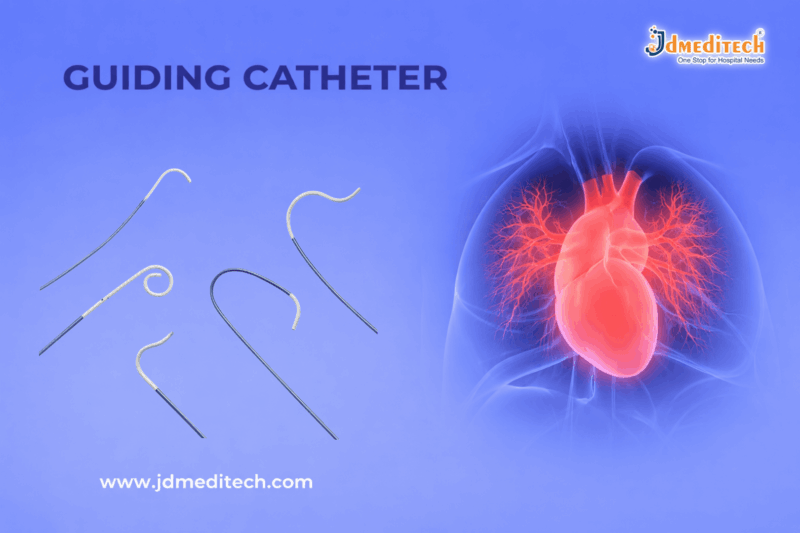


Cardiology Guiding Catheter for Precision Coronary Interventions

Cardiology Guiding Catheter: Precision Tool for Safe & Effective Coronary Interventions

Introduction

A Cardiology Guiding Catheter is a vital medical device used in interventional cardiology procedures such as angioplasty and stent placement. It provides a stable pathway for delivering guidewires, balloons, and stents into the coronary arteries.

With the increasing demand for minimally invasive cardiac procedures, the importance of a high-quality cardiology guiding catheter has grown significantly. It ensures precision, safety, and efficiency during complex cardiovascular interventions.

What is a Cardiology Guiding Catheter?

A cardiology guiding catheter is a specially designed hollow tube inserted into the vascular system to guide interventional devices to the heart. It is commonly used during:

  • Percutaneous Coronary Intervention (PCI)
  • Coronary Angiography
  • Balloon Angioplasty
  • Stent Placement Procedures

The catheter acts as a conduit, enabling smooth device delivery while maintaining optimal control and support.

Key Features of Cardiology Guiding Catheter
1. Excellent Torque Control (High Torque Response)

A high-quality cardiology guiding catheter offers excellent torque control, allowing precise navigation through complex vascular pathways.

2. Optimal Backup Support

It provides strong backup support, which is essential for advancing devices in challenging coronary anatomies.

3. Smooth Inner Lumen

The catheter features a smooth inner surface for frictionless device movement.

4. Soft Atraumatic Tip

Designed to minimize vessel trauma, ensuring patient safety.

5. Kink Resistance

Prevents bending or kinking during procedures, maintaining consistent performance.

Types of Cardiology Guiding Catheters

Different procedures require different catheter shapes and designs:

  • Judkins Left (JL) Guiding Catheter
  • Judkins Right (JR) Guiding Catheter
  • Amplatz Left (AL) Guiding Catheter
  • Amplatz Right (AR) Guiding Catheter
  • Extra Backup (EBU) Catheter

Each type of cardiology guiding catheter is tailored for specific coronary artery access and support.

Applications in Cardiology Procedures

The cardiology guiding catheter plays a crucial role in:

  • Coronary Angioplasty (PCI)
  • Chronic Total Occlusion (CTO) Procedures
  • Bifurcation Lesion Treatment
  • Drug-Eluting Stent Placement
  • Diagnostic and Interventional Cardiology
Benefits of Using Cardiology Guiding Catheter
✔ Enhanced Procedural Accuracy

Improves precision during device delivery.

✔ Reduced Procedure Time

Efficient navigation reduces overall operation time.

✔ Improved Patient Safety

Minimizes trauma and complications.

✔ Versatility

Suitable for a wide range of cardiac procedures.

Material & Design Considerations

A high-performance cardiology guiding catheter is made from advanced medical-grade materials such as:

  • Polyurethane or Nylon blends
  • Stainless steel braid reinforcement
  • Hydrophilic coating for smooth insertion

These materials ensure durability, flexibility, and optimal performance.

How to Choose the Right Cardiology Guiding Catheter

Selecting the right cardiology guiding catheter depends on:

  • Patient anatomy
  • Type of procedure
  • Required support level
  • Operator preference

Choosing the correct catheter enhances procedural success and reduces risks.

Why Quality Matters in Cardiology Guiding Catheter

Using a premium cardiology guiding catheter ensures:

  • Better control during procedures
  • Reduced complications
  • Higher success rates in interventions

Inferior-quality catheters can compromise both performance and patient safety.

Conclusion

The Cardiology Guiding Catheter is an indispensable tool in modern interventional cardiology. Its role in ensuring precision, safety, and efficiency makes it a cornerstone of successful cardiac procedures.

As cardiovascular diseases continue to rise, investing in high-quality cardiology guiding catheters is essential for delivering optimal patient outcomes.


Explore More Product >>

Get Connected:

+91 79909 93062 | +91 63513 72032 | exports@jdmeditech.com
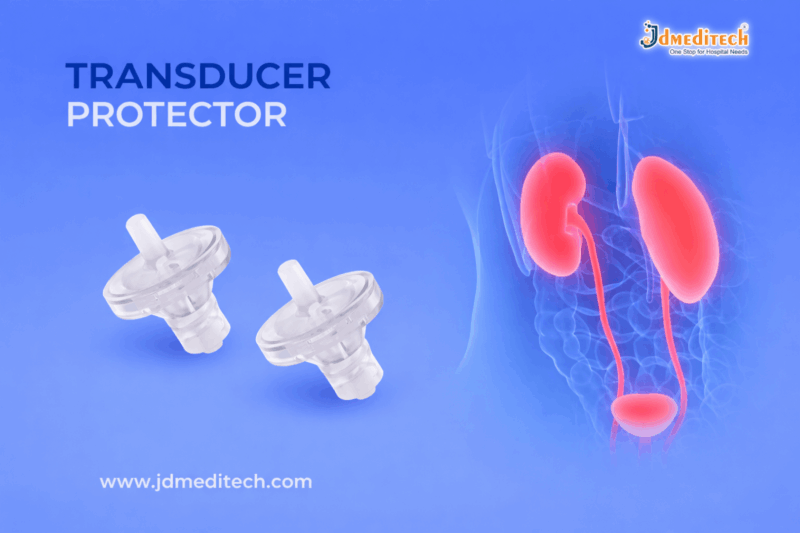


Dialysis Transducer Protector: Safety Guide

Dialysis Transducer Protector: Essential Safety Device for Hemodialysis Systems

Introduction

A Dialysis Transducer Protector is a small yet critical component used in hemodialysis machines to ensure patient safety and equipment protection. It acts as a barrier that prevents blood contamination from entering the dialysis machine’s pressure monitoring system.

In modern dialysis procedures, maintaining sterility and accuracy is vital. This is where the dialysis transducer protector plays a crucial role in delivering safe and effective treatment.

What is a Dialysis Transducer Protector?

A dialysis transducer protector is a disposable, sterile device designed to protect the pressure transducer in dialysis machines from contamination. It is typically placed between the bloodline and the pressure monitoring port.

Key Function:
  • Prevents blood or fluid from entering the dialysis machine
  • Maintains accurate pressure readings
  • Reduces risk of infection and cross-contamination
Importance of Dialysis Transducer Protector in Hemodialysis

The dialysis transducer protector is essential for both patient safety and machine longevity.

1. Infection Prevention

It acts as a protective barrier, stopping bloodborne pathogens from contaminating the dialysis machine.

2. Accurate Pressure Monitoring

Ensures reliable pressure readings, which are critical for safe dialysis treatment.

3. Equipment Protection

Prevents damage to sensitive machine components, reducing maintenance costs.

4. Regulatory Compliance

Helps healthcare facilities meet safety and hygiene standards.

Key Features of Dialysis Transducer Protector

  • High-Quality Hydrophobic Membrane
    Prevents fluid penetration while allowing air passage

  • Sterile and Disposable Design
    Ensures single-use hygiene and safety

  • Universal Compatibility
    Fits most dialysis machines and bloodline systems

  • Leak-Proof Construction
    Minimizes risk of fluid leakage

  • Compact and Lightweight
    Easy to install and replace
How Does a Dialysis Transducer Protector Work?

The dialysis transducer protector uses a hydrophobic membrane that allows air pressure to pass through while blocking liquids.

Working Principle:
  1. Blood flows through the dialysis tubing
  2. Pressure is transmitted through air to the transducer
  3. The protector blocks any fluid from reaching the machine
  4. Accurate pressure readings are maintained without contamination
Applications of Dialysis Transducer Protector

The dialysis transducer protector is widely used in:

  • Hemodialysis procedures
  • Dialysis centers and hospitals
  • Intensive care units (ICU)
  • Nephrology clinics
Benefits of Using Dialysis Transducer Protector
  • Enhances patient safety
  • Prevents machine contamination
  • Reduces infection risks
  • Improves dialysis accuracy
  • Cost-effective solution for equipment protection
How to Choose the Right Dialysis Transducer Protector

When selecting a dialysis transducer protector, consider the following:

  • Membrane quality and efficiency
  • Compatibility with dialysis machines
  • Sterility assurance
  • Manufacturer reliability
  • Compliance with medical standards
Maintenance and Usage Tips
  • Always use a new dialysis transducer protectorfor each session
  • Check for any damage before use
  • Ensure proper connection to avoid leaks
  • Dispose of after single use as per medical guidelines
Why Dialysis Transducer Protector is Critical in Modern Healthcare

In today’s healthcare environment, infection control is a top priority. The dialysis transducer protector helps ensure that dialysis procedures remain safe, hygienic, and efficient.

Without this device, there is a high risk of contamination, inaccurate readings, and potential equipment damage.

Conclusion

The Dialysis Transducer Protector is an indispensable component in hemodialysis systems. Its role in preventing contamination, ensuring accurate monitoring, and protecting equipment makes it essential for every dialysis setup.

Healthcare providers must prioritize high-quality dialysis transducer protectors to ensure optimal patient care and operational efficiency.


Explore More Product >>

Get Connected:

+91 79909 93062 | +91 63513 72032 | exports@jdmeditech.com


Urology Resectoscope for Precision Transurethral Surgery

High-Precision Resectoscope for Transurethral Surgery

Introduction

A high-precision resectoscope for transurethral surgery is a key instrument in modern urology. It helps doctors perform delicate procedures with high accuracy. At the same time, it reduces damage to surrounding tissue.

Unlike open surgery, this method does not require external cuts. Instead, the instrument enters through the urethra. Because of this, the procedure is less invasive. As a result, patients feel less pain and recover faster.

Today, many hospitals prefer a high-precision resectoscope for transurethral surgery. It offers better control, improved safety, and consistent results.

What is a High-Precision Resectoscope for Transurethral Surgery?

A high-precision resectoscope for transurethral surgery is an endoscopic medical device. It is designed to remove or treat tissue inside the urinary tract.

The instrument combines several functions in one system. For example, it includes a camera for clear vision. It also has an irrigation system to keep the area clean. In addition, it uses an electrode loop for cutting and coagulation.

Because of this design, the high-precision resectoscope for transurethral surgery allows surgeons to work with precision and confidence.

Components of High-Precision Resectoscope for Transurethral Surgery

The high-precision resectoscope for transurethral surgery consists of several important parts. Each part plays a specific role.

Outer Sheath

It protects the urethra. It also allows continuous fluid flow.

Inner Sheath

It supports irrigation and maintains stability during the procedure.

Working Element

It controls the movement of the cutting loop. Therefore, it ensures smooth operation.

Optical System (Telescope)

It provides a clear and magnified view. As a result, surgeons can see fine details.

Electrode Loop

It cuts and coagulates tissue with precision.

Together, these components make the high-precision resectoscope for transurethral surgery highly effective.

Key Features of High-Precision Resectoscope for Transurethral Surgery

This device offers many advanced features.

  • High-definition visualization : Ensures clear visibility during surgery
  • Smooth handling : Provides better control for surgeons
  • Continuous irrigation : Keeps the surgical field clean
  • Precise cutting system : Reduces damage to healthy tissue
  • Durable construction : Made from medical-grade materials

Because of these features, the high-precision resectoscope for transurethral surgery improves surgical outcomes.

Applications of High-Precision Resectoscope for Transurethral Surgery

The high-precision resectoscope for transurethral surgery is widely used in urology.

1. TURP (Transurethral Resection of the Prostate)

This is the most common use. It removes extra prostate tissue. As a result, urine flow improves.

2. TURBT (Bladder Tumor Removal)

It removes bladder tumors with high precision. At the same time, it protects healthy tissue.

3. Urethral Stricture Treatment

It helps open narrowed areas in the urethra. Therefore, it restores normal flow.

4. Bleeding Control

It allows effective coagulation during procedures.

Because of its versatility, the high-precision resectoscope for transurethral surgery is essential in many procedures.

Benefits of High-Precision Resectoscope for Transurethral Surgery

There are many benefits of using this instrument.

  • Minimally invasive : No external cuts are needed
  • Less pain : Patients feel more comfortable
  • Faster recovery : Shorter hospital stay
  • High precision : Accurate tissue removal
  • Lower risk : Reduced bleeding and infection

Therefore, the high-precision resectoscope for transurethral surgery is a preferred choice for doctors.

Monopolar vs Bipolar Resectoscope

There are two main types of systems.

Monopolar Resectoscope

It uses non-conductive fluid. It is widely used in many hospitals.

Bipolar Resectoscope

It uses saline solution. It is safer and more advanced.

In most cases, surgeons choose bipolar systems. This is because they reduce complications and improve safety.

How to Choose the Right High-Precision Resectoscope for Transurethral Surgery

Choosing the right instrument is important.

You should consider:

  • Type of surgery
  • Compatibility with energy systems
  • Quality of materials
  • Ease of handling
  • Optical clarity

A good high-precision resectoscope for transurethral surgery ensures better performance and long-term reliability.

Maintenance and Sterilization

Proper care is essential for safety and durability.

  • Clean the device immediately after use
  • Use approved sterilization methods
  • Inspect all parts regularly
  • Store in a safe and dry place

Regular maintenance keeps the high-precision resectoscope for transurethral surgery in good condition.

Future Trends in Resectoscope Technology

Technology is improving quickly.

  • HD and 4K imaging systems are becoming common
  • Ergonomic designs are improving comfort
  • Energy efficiency is increasing
  • Infection control features are improving

Because of these innovations, the high-precision resectoscope for transurethral surgery will become even more advanced.

Conclusion

The high-precision resectoscope for transurethral surgery is an essential tool in modern urology. It offers high accuracy, safety, and efficiency.

Moreover, it supports minimally invasive procedures. Therefore, patients recover faster and experience fewer complications.

In conclusion, the high-precision resectoscope for transurethral surgery plays a vital role in improving surgical outcomes and patient care.


Explore More Product >>

Get Connected:

+91 79909 93062 | +91 63513 72032 | exports@jdmeditech.com


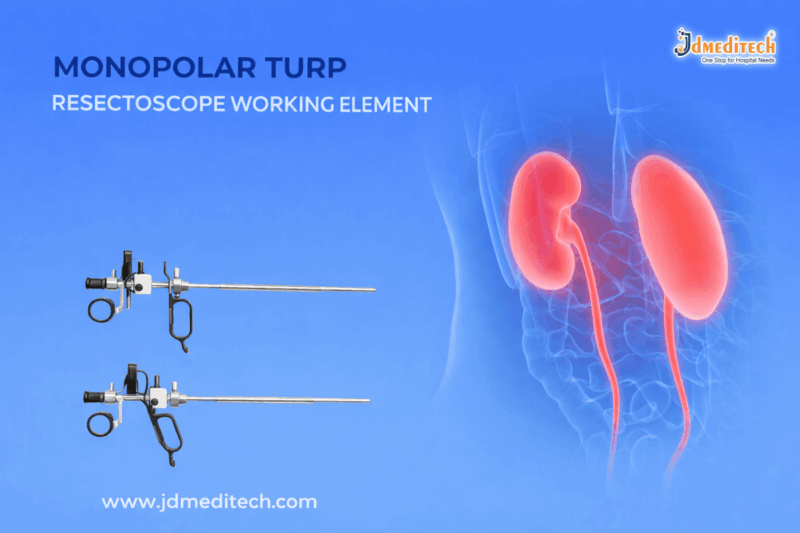
Monopolar TURP Working Element for TURP Surgery

Introduction

The Monopolar TURP Working Element is an essential device used in transurethral resection of the prostate (TURP). This surgical tool helps urologists perform precise tissue removal in patients suffering from benign prostatic hyperplasia (BPH). A high-quality Monopolar TURP Working Element ensures better control, improved safety, and effective surgical outcomes.

What is a Monopolar TURP Working Element?

The Monopolar TURP Working Element is a key component of a resectoscope system. It allows surgeons to control the cutting loop and deliver monopolar electrical energy during TURP procedures. With a well-designed Monopolar TURP Working Element, surgeons can achieve smooth and controlled resection of prostate tissue.

How Does the Monopolar TURP Working Element Work?

The Monopolar TURP Working Element functions using monopolar electrosurgical principles. Electrical current flows through the electrode into the patient’s body and exits via a grounding pad.

Working Process:
  1. The cutting loop is attached to the working element
  2. Electrical energy is transmitted through the loop
  3. The surgeon controls cutting and coagulation
  4. Targeted prostate tissue is removed safely

This mechanism makes the Monopolar TURP Working Element reliable and widely used in urology.

Key Features of Monopolar TURP Working Element
1. Precision Handling

The Monopolar TURP Working Element offers excellent control for delicate surgical movements.

2. Medical-Grade Stainless Steel Construction

Made from high-quality medical-grade stainless steel, ensuring durability and corrosion resistance.

3. Smooth Loop Movement

The Monopolar TURP Working Element enables seamless forward and backward motion of the loop.

4. Compatibility

Designed to integrate easily with standard resectoscope systems.

5. Consistent Energy Delivery

Ensures stable monopolar current flow for efficient cutting and coagulation.

Benefits of Monopolar TURP Working Element
  • Improved surgical accuracy
  • Efficient prostate tissue removal
  • Reduced complication risks
  • Better surgeon control
  • Cost-effective solution

Using a reliable Monopolar TURP Working Element enhances overall surgical performance and patient safety.

Applications of Monopolar TURP Working Element

The Monopolar TURP Working Element is widely used in:

  • Benign Prostatic Hyperplasia (BPH) treatment
  • Transurethral resection procedures
  • Prostate tissue removal
  • Endoscopic urological surgeries

Its versatility makes the Monopolar TURP Working Element a standard instrument in modern urology.

Monopolar vs Bipolar TURP Working Element
Feature Monopolar TURP Working Element Bipolar System
Energy Flow Through patient body Between electrodes
Irrigation Non-conductive fluid Saline
Cost Economical Higher
Usage Widely used Advanced

The Monopolar TURP Working Element remains a preferred option due to its affordability and proven results.

Safety Considerations

Proper usage of the Monopolar TURP Working Element is important for patient safety:

  • Ensure correct grounding pad placement
  • Inspect the instrument before use
  • Follow sterilization protocols
  • Use compatible equipment
Maintenance and Care

Maintaining the Monopolar TURP Working Element ensures long-term performance:

  • Clean immediately after surgery
  • Sterilize using approved methods
  • Check for damage regularly
  • Store in a sterile environment
Why Choose a High-Quality Monopolar TURP Working Element?

Selecting a premium Monopolar TURP Working Element provides:

  • Consistent performance
  • Enhanced durability
  • Improved surgical precision
  • Better patient outcomes

Healthcare providers rely on a dependable Monopolar TURP Working Element for effective TURP procedures.

Conclusion

The Monopolar TURP Working Element is a vital instrument in urological surgery. Its precision, durability, and efficiency make it indispensable for TURP procedures. Choosing the right Monopolar TURP Working Element can significantly improve surgical success and patient care.


Explore More Product >>

Get Connected:

+91 79909 93062 | +91 63513 72032 | exports@jdmeditech.com


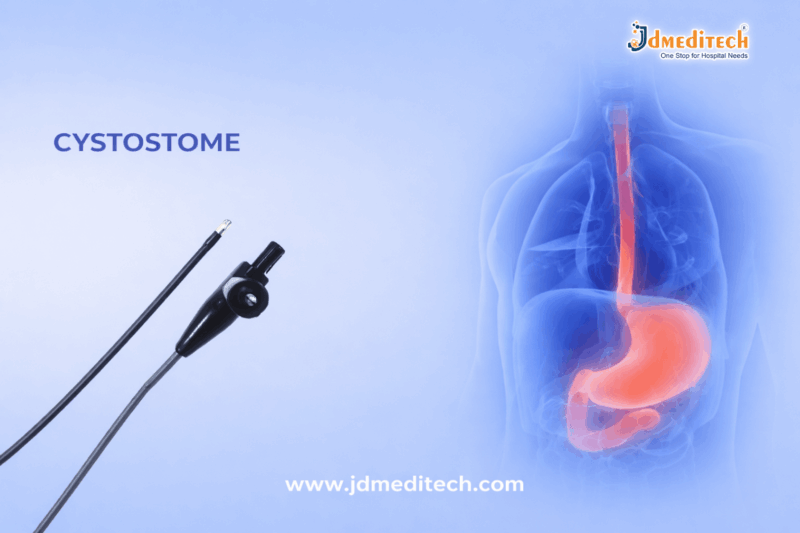
Cystostome Endoscopic Tool – Uses, Benefits & Key Features Explained

Cystostome – A Vital Endoscopic Tool for Safe and Precise Procedures

Introduction

The Cystostome is a highly specialized medical device used in endoscopic procedures to create controlled access into cystic or fluid-filled structures within the body. Widely used in gastroenterology and urology, this tool plays a crucial role in enabling safe drainage, therapeutic interventions, and minimally invasive treatments.

With the growing demand for precision-driven endoscopic techniques, the Cystostome has become an essential instrument in modern clinical practice.

What is a Cystostome?

A Cystostome is a cutting and access device designed for puncturing and dilating cystic lesions or ducts during endoscopic procedures. It is commonly used in:

  • Endoscopic Retrograde Cholangiopancreatography (ERCP)
  • Endoscopic Ultrasound (EUS)-guided procedures
  • Pancreatic pseudocyst drainage
  • Biliary drainage procedures

Its primary function is to provide controlled entry into targeted anatomical structures, ensuring minimal trauma and maximum efficiency.

Key Features of a Cystostome

Modern Cystostome devices are engineered with advanced features to enhance performance and safety:

1. Electrocautery-Enhanced Tip
  • Allows precise cutting and penetration
  • Reduces the need for multiple accessory devices
2. High-Quality Medical Materials
  • Made from medical-grade stainless steel and biocompatible polymers
  • Ensures durability and patient safety
3. Optimal Diameter & Length Options
  • Available in various sizes for different procedural needs
  • Compatible with standard endoscopes
4. Smooth Dilatation Capability
  • Facilitates controlled tract dilation
  • Minimizes procedural complications
5. Ergonomic Design
  • Easy handling for clinicians
  • Enhances procedural efficiency
Applications of Cystostome in Endoscopy

The Cystostome is widely used across multiple endoscopic interventions:

● Pancreatic Pseudocyst Drainage

Enables safe access and drainage of fluid collections in the pancreas.

● Biliary Drainage Procedures

Used to create access in obstructed bile ducts.

● EUS-Guided Interventions

Supports minimally invasive procedures with high precision.

● Gastrointestinal Cyst Access

Facilitates treatment of cystic lesions in the GI tract.

Advantages of Using a Cystostome

Using a Cystostome offers several clinical benefits:

  • Minimally Invasive Approach– Reduces patient recovery time
  • High Precision – Ensures accurate targeting
  • Improved Safety – Lowers risk of complications
  • Time Efficiency – Speeds up procedures
  • Versatility – Suitable for multiple endoscopic applications
Why Choose a High-Quality Cystostome?

Selecting a premium-quality Cystostome is essential for achieving optimal outcomes. A well-designed device ensures:

  • Consistent cutting performance
  • Reduced procedural risks
  • Enhanced clinician control
  • Better patient comfort

Healthcare providers should always prioritize certified and clinically tested devices for reliable performance.

Maintenance and Safety Considerations

To ensure long-term usability and patient safety:

  • Follow proper sterilization protocols
  • Use as per manufacturer guidelines
  • Inspect for any damage before use
  • Ensure compatibility with endoscopic systems
Future of Cystostome Technology

With advancements in endoscopic technology, the Cystostome continues to evolve. Innovations include:

  • Enhanced electrocautery systems
  • Improved flexibility and control
  • Integration with advanced imaging techniques

These developments are helping clinicians perform more precise and safer procedures.

Conclusion

The Cystostome is undeniably a vital endoscopic tool that has revolutionized minimally invasive procedures. Its precision, safety, and versatility make it indispensable in modern healthcare settings.

As medical technology continues to advance, the role of the Cystostome will only become more significant in delivering effective and patient-friendly treatments.


Explore More Product >>

Get Connected:

+91 79909 93062 | +91 63513 72032 | exports@jdmeditech.com
 

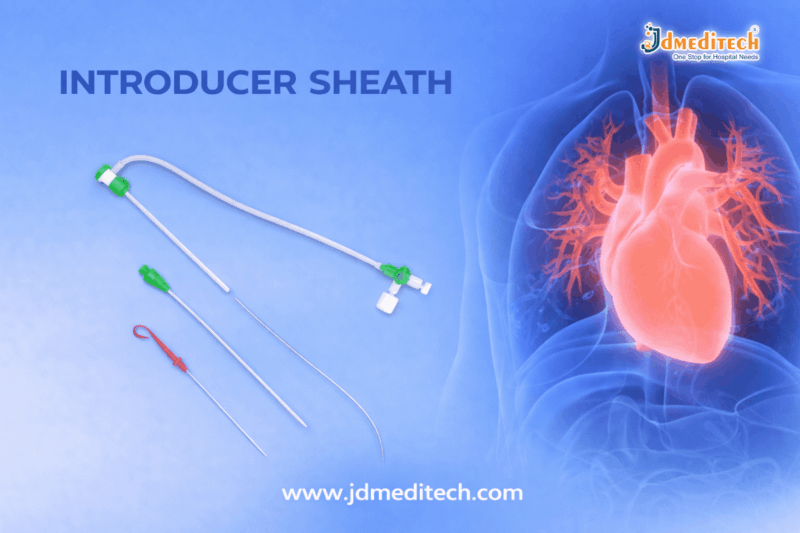
Advanced Introducer Sheath for Cardiovascular Procedures

What is an Advanced Introducer Sheath?

An advanced introducer sheath for cardiovascular procedures is a specialized medical device used to provide controlled and repeated access to blood vessels. It acts as a gateway, allowing clinicians to introduce catheters, guidewires, and other instruments into the vascular system safely.

These sheaths are engineered with cutting-edge materials and design features to ensure flexibility, durability, and patient comfort.

Key Features of Advanced Introducer Sheath
1. Smooth and Atraumatic Insertion

The sheath is designed with a soft, tapered tip that allows easy entry into the vessel while reducing tissue damage.

2. High-Quality Medical-Grade Materials

Manufactured using premium polymers, the sheath ensures durability, flexibility, and resistance to kinking.

3. Hemostatic Valve System

A built-in valve prevents blood loss during procedures while maintaining a clean working environment.

4. Radiopaque Marker

The advanced introducer sheath for cardiovascular procedures includes radiopaque markers for precise positioning under imaging guidance.

5. Kink-Resistant Design

Its reinforced structure ensures uninterrupted device passage even in complex vascular pathways.

Applications in Cardiovascular Procedures

The advanced introducer sheath for cardiovascular procedures is widely used in:

  • Coronary Angiography
  • Percutaneous Coronary Intervention (PCI)
  • Electrophysiology Procedures
  • Peripheral Vascular Interventions
  • Structural Heart Procedures

Its versatility makes it an essential tool in both diagnostic and therapeutic cardiology.

Benefits of Using Advanced Introducer Sheath
Enhanced Procedural Efficiency

The sheath allows smooth device exchange, reducing procedure time and improving workflow.

Improved Patient Safety

With reduced vascular trauma and controlled access, the risk of complications is significantly minimized.

Better Control for Clinicians

The ergonomic design provides superior handling and maneuverability during delicate procedures.

Reduced Blood Loss

The hemostatic valve ensures minimal blood leakage, maintaining procedural safety.

How to Choose the Right Introducer Sheath

Selecting the right advanced introducer sheath for cardiovascular procedures depends on several factors:

  • Sheath Size (French scale)
  • Length Requirements
  • Type of Procedure
  • Patient Anatomy
  • Compatibility with Devices

Always consult clinical guidelines and procedural needs before selection.

Maintenance and Safety Considerations

To ensure optimal performance:

  • Use sterile handling techniques
  • Check for defects before use
  • Follow single-use protocols
  • Dispose of safely after the procedure

Proper handling enhances both device efficiency and patient safety.

Why Advanced Technology Matters

The evolution of introducer sheaths has significantly improved cardiovascular care. Modern designs reduce complications, improve access, and support complex procedures with higher precision.

The advanced introducer sheath for cardiovascular procedures is not just a tool—it is a key contributor to successful clinical outcomes.

Conclusion

The Advanced Introducer Sheath for Cardiovascular Procedures is an indispensable component in today’s interventional cardiology landscape. With its advanced design, safety features, and clinical versatility, it ensures efficient vascular access and optimal procedural performance.

Healthcare professionals rely on this essential device to deliver accurate, safe, and life-saving cardiovascular treatments.


Explore More Product >>

Get Connected:

+91 79909 93062 | +91 63513 72032 | exports@jdmeditech.com


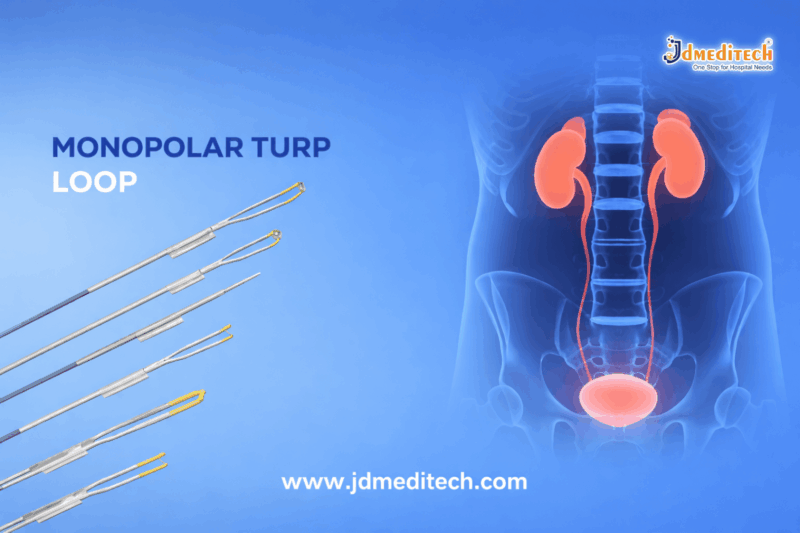
Precision Monopolar Loop Electrode for Prostate Surgery | TURP Guide

Introduction

The Precision Monopolar Loop Electrode for Prostate Surgery is a vital component in modern urological procedures, especially in Transurethral Resection of the Prostate (TURP). Designed for high precision and controlled tissue removal, this electrode plays a crucial role in ensuring safe and effective prostate surgery.

With advancements in surgical technology, the demand for reliable and high-performance monopolar loop electrodes has significantly increased. These instruments provide surgeons with excellent cutting efficiency and coagulation control, improving overall patient outcomes.

What is a Precision Monopolar Loop Electrode?

A Precision Monopolar Loop Electrode for Prostate Surgery is a specialized electrosurgical device used in TURP procedures. It is connected to an electrosurgical unit and is designed to cut and coagulate prostate tissue using high-frequency electrical current.

The loop-shaped design allows surgeons to precisely remove obstructive prostate tissue while maintaining visibility and control throughout the procedure.

Key Features of Precision Monopolar Loop Electrode for Prostate Surgery
1. High Precision Cutting

The electrode ensures smooth and accurate tissue resection, minimizing damage to surrounding structures.

2.High Electrical Conductivity

Manufactured with medical-grade materials, it provides efficient energy transmission for consistent performance.

3. Superior Hemostasis Control

It allows effective coagulation, reducing intraoperative bleeding and enhancing surgical safety.

4. Durable Medical-Grade Construction

Built using high-quality stainless steel or tungsten wire loops for long-lasting performance.

5. Compatibility with Standard Resectoscopes

The Precision Monopolar Loop Electrode for Prostate Surgery is designed to work seamlessly with most monopolar TURP systems.

Applications in Prostate Surgery

The Precision Monopolar Loop Electrode for Prostate Surgery is primarily used in:

  • Transurethral Resection of the Prostate (TURP)
  • Treatment of Benign Prostatic Hyperplasia (BPH)
  • Removal of obstructive prostate tissue
  • Electrosurgical cutting and coagulation procedures
Advantages of Using Precision Monopolar Loop Electrode
1. Enhanced Surgical Accuracy

Surgeons can perform precise resections with better control, reducing complications.

2. Improved Patient Safety

Efficient coagulation minimizes blood loss and lowers the risk of post-operative complications.

3. Cost-Effective Solution

Compared to advanced technologies, monopolar systems are widely available and economical.

4. Proven Clinical Performance

Monopolar TURP remains a gold-standard procedure in urology, supported by decades of successful outcomes.

How It Works

The Precision Monopolar Loop Electrode for Prostate Surgery works by delivering high-frequency electrical current through the loop. When the loop comes into contact with tissue:

  • The current generates heat
  • Tissue is cut or vaporized
  • Simultaneous coagulation occurs to control bleeding

A grounding pad is used to safely return the electrical current, completing the circuit.

Monopolar vs Bipolar Loop Electrode
Feature Monopolar Loop Electrode Bipolar Loop Electrode
Energy Flow Through body to grounding pad Localized between electrodes
Irrigation Fluid Non-conductive (glycine) Saline
Cost More affordable Higher
Usage Widely used in TURP Increasingly popular
Safety Considerations

When using a Precision Monopolar Loop Electrode for Prostate Surgery, it is important to:

  • Ensure proper grounding pad placement
  • Use compatible electrosurgical units
  • Monitor irrigation fluids carefully
  • Follow sterilization protocols
  • Avoid excessive thermal exposure
Choosing the Right Monopolar Loop Electrode

Selecting the right Precision Monopolar Loop Electrode for Prostate Surgery depends on:

  • Loop size and shape
  • Material quality
  • Compatibility with resectoscope
  • Surgeon preference
  • Procedure requirements

High-quality electrodes ensure consistent performance and reduce procedural risks.

Maintenance and Handling

Proper care of the Precision Monopolar Loop Electrode for Prostate Surgery enhances its lifespan:

  • Clean and sterilize after each use
  • Inspect for damage or wear
  • Store in sterile conditions
  • Follow manufacturer guidelines
Conclusion

The Precision Monopolar Loop Electrode for Prostate Surgery remains an essential tool in TURP procedures. Its ability to deliver precise cutting and effective coagulation makes it a trusted choice among urologists worldwide.

With its proven efficiency, cost-effectiveness, and reliability, this device continues to play a critical role in improving prostate surgery outcomes.


Explore More Product >>

Get Connected:

+91 79909 93062 | +91 63513 72032 | exports@jdmeditech.com


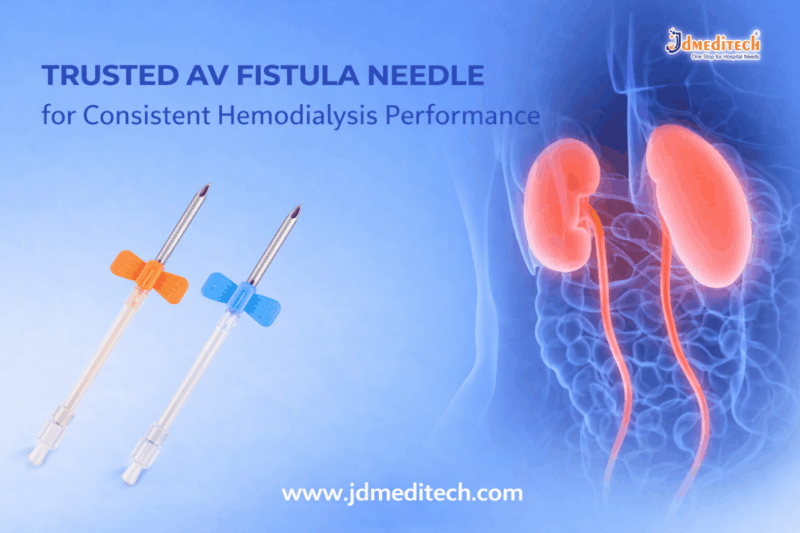
Trusted AV Fistula Needle for Consistent Hemodialysis Performance

Introduction

In hemodialysis, reliable vascular access is critical for effective treatment outcomes. One of the most essential components in this process is the AV fistula needle for hemodialysis, designed to ensure smooth blood flow and patient safety during dialysis sessions. A high-quality AV fistula needle plays a vital role in maintaining consistent performance, reducing complications, and improving overall treatment efficiency.

What is an AV Fistula Needle?

An AV fistula needle for hemodialysis is a specialized medical device used to access the arteriovenous fistula—an artificial connection between an artery and a vein created for dialysis. These needles allow blood to flow from the patient to the dialysis machine and back efficiently.

They are typically available in various gauges and lengths to suit different patient needs and vascular conditions.

Key Features of a Trusted AV Fistula Needle
1. Ultra-Sharp Needle Tip

Designed for smooth and painless insertion, minimizing trauma to the vascular access site.

2. High-Quality Medical-Grade Stainless Steel

Ensures durability, corrosion resistance, and safe clinical performance.

3. Thin-Wall Technology

Provides optimal blood flow rates, improving dialysis efficiency.

4. Flexible and Kink-Resistant Tubing

Maintains uninterrupted blood flow during the procedure.

5. Color-Coded Hubs

Allows easy identification of needle size for quick and accurate selection.

6. Secure Wing Design

Ensures stable positioning and reduces the risk of needle displacement.

Benefits of Using AV Fistula Needle for Hemodialysis
Consistent Blood Flow

The AV fistula needle for hemodialysis ensures steady blood circulation, which is essential for effective toxin removal.

Enhanced Patient Comfort

Advanced needle design reduces pain and discomfort during insertion.

Reduced Risk of Complications

Minimizes infiltration, infection, and vascular damage.

Improved Treatment Efficiency

Supports optimal dialysis performance with reliable vascular access.

Ease of Handling for Clinicians

Ergonomic design enables better control and precise placement.

Applications in Hemodialysis

The AV fistula needle for hemodialysis is widely used in:

  • Chronic kidney disease (CKD) treatment
  • Long-term dialysis procedures
  • Hospital and dialysis center settings
  • Home hemodialysis setups
How to Choose the Right AV Fistula Needle

Selecting the appropriate needle is crucial for patient safety and treatment success. Consider:

  • Gauge Size : Based on blood flow requirements
  • Needle Length : Suitable for fistula depth
  • Material Quality : Always choose medical-grade components
  • Safety Features : Look for secure wings and anti-kink tubing
Best Practices for Safe Use
  • Always follow aseptic techniques
  • Use proper insertion angle and technique
  • Rotate puncture sites to prevent damage
  • Monitor for signs of infection or infiltration
  • Dispose of needles safely after use
Why Quality Matters in AV Fistula Needles

Using a trusted and high-quality AV fistula needle for hemodialysis directly impacts patient outcomes. Inferior needles can lead to complications, poor blood flow, and increased discomfort. Investing in reliable products ensures consistent dialysis performance and enhances patient safety.

Conclusion

A trusted AV fistula needle for hemodialysis is essential for delivering safe, efficient, and consistent dialysis treatment. With advanced design features, superior materials, and patient-focused benefits, these needles play a critical role in modern renal care.

For healthcare providers, choosing the right AV fistula needle is not just a clinical decision—it’s a commitment to better patient outcomes and long-term treatment success.


Explore More Product >>

Get Connected:

+91 79909 93062 | +91 63513 72032 | exports@jdmeditech.com