Diagnostic hysteroscopy is a minimally invasive gynecological procedure used to examine the inside of the uterus and identify various uterine abnormalities. Over the years, advancements in endoscopic technology have made hysteroscopy one of the most reliable methods for diagnosing uterine pathology. As a result, gynecologists can accurately evaluate conditions that may affect fertility, menstrual health, and overall reproductive well-being.
Unlike traditional imaging techniques, diagnostic hysteroscopy allows direct visualization of the uterine cavity. Therefore, healthcare professionals can detect abnormalities more precisely and develop effective treatment plans. Furthermore, the procedure is quick, safe, and generally well tolerated by patients.
What is Diagnostic Hysteroscopy?
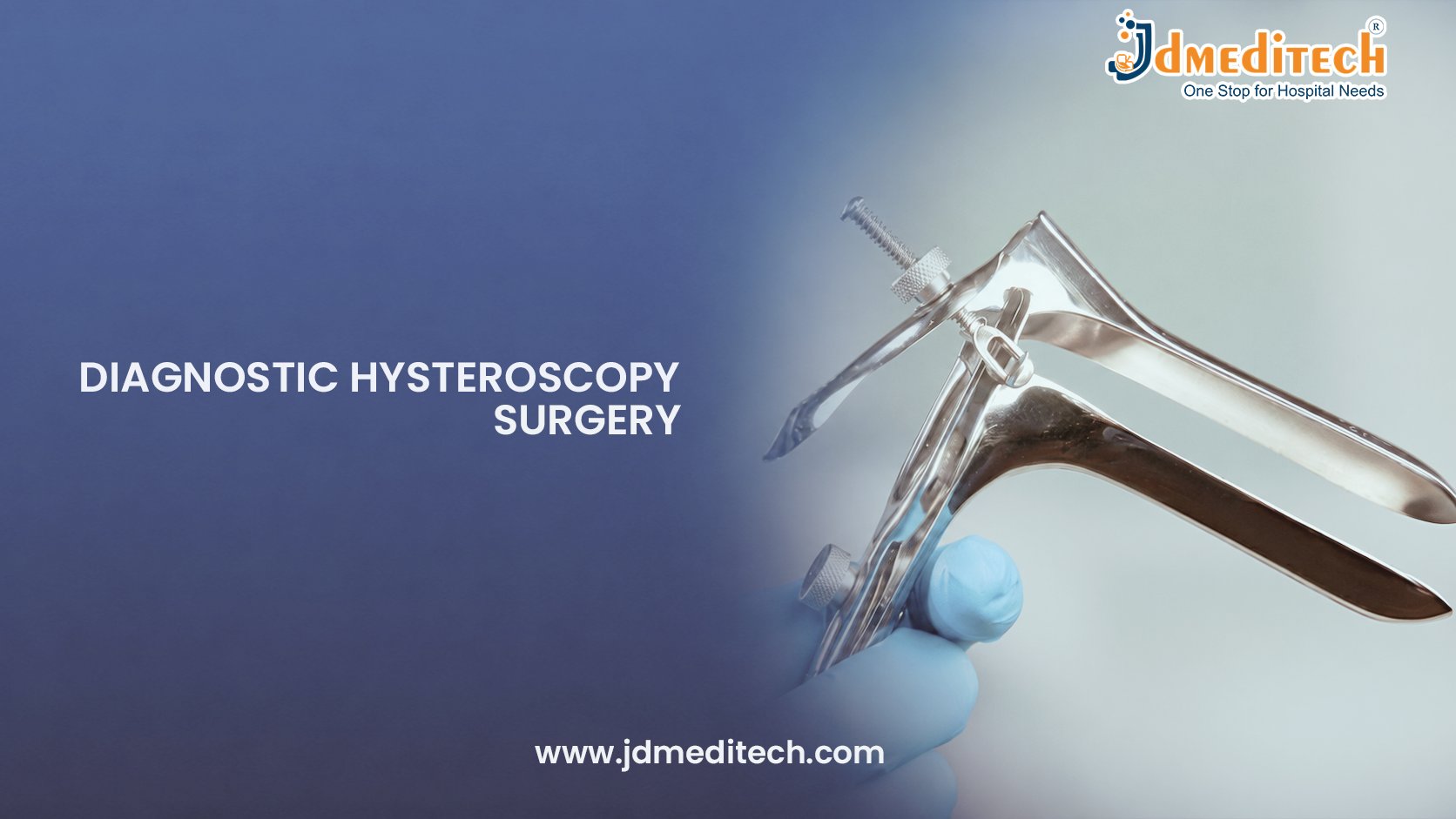
Diagnostic hysteroscopy is a procedure in which a thin, lighted instrument called a hysteroscope is inserted through the cervix into the uterus. The hysteroscope transmits high-definition images to a monitor, allowing healthcare professionals to inspect the uterine cavity in real time.
Compared with ultrasound examinations alone, hysteroscopy provides a direct view of the uterine lining. Consequently, physicians can identify abnormalities with greater accuracy. In addition, the procedure helps determine whether further treatment or surgical intervention is required.
Why is Diagnostic Hysteroscopy Performed?
Doctors may recommend diagnostic hysteroscopy for several reasons. For example, it is commonly used to investigate abnormal uterine bleeding, infertility, and recurrent miscarriages. Additionally, it helps identify structural abnormalities that may not be clearly visible through other diagnostic methods.
Common Indications
- Abnormal uterine bleeding
- Heavy menstrual bleeding
- Postmenopausal bleeding
- Recurrent miscarriages
- Infertility evaluation
- Suspected uterine polyps
- Submucosal fibroids
- Uterine adhesions
- Congenital uterine abnormalities
- Endometrial abnormalities
Ultimately, the procedure helps physicians determine the exact cause of symptoms and select the most appropriate treatment approach.
Conditions Diagnosed with Hysteroscopy
Diagnostic hysteroscopy can identify a wide range of uterine abnormalities. Therefore, it plays a vital role in gynecological diagnosis and treatment planning.
Uterine Polyps
Polyps are abnormal tissue growths within the uterine lining that may cause irregular bleeding and fertility issues. Early diagnosis can help prevent further complications.
Submucosal Fibroids
Fibroids that grow into the uterine cavity can lead to heavy bleeding, pelvic discomfort, and fertility problems. Consequently, identifying them at an early stage is beneficial.
Intrauterine Adhesions
Scar tissue inside the uterus can affect normal menstrual function and reproductive outcomes. Therefore, accurate diagnosis is essential for appropriate treatment.
Congenital Uterine Abnormalities
Certain women are born with structural abnormalities of the uterus, such as a uterine septum. As a result, they may experience recurrent miscarriages or infertility.
Endometrial Abnormalities
Changes in the uterine lining may indicate hyperplasia or other pathological conditions. Accordingly, further investigation may be recommended.
Procedure of Diagnostic Hysteroscopy
The procedure is usually performed in an outpatient setting and typically takes between 10 and 30 minutes. Before the procedure, the patient is positioned comfortably for examination. Next, the physician may gently dilate the cervix if necessary.
The hysteroscope is then inserted into the uterus. Subsequently, sterile saline solution is introduced to expand the uterine cavity and improve visibility. Meanwhile, the physician carefully examines the uterine walls, endometrial lining, and tubal openings. Finally, the findings are documented and discussed with the patient.
Step-by-Step Process
- Patient preparation and positioning.
- Gentle cervical dilation if required.
- Introduction of the hysteroscope.
- Expansion of the uterine cavity using saline solution.
- Examination of the uterine cavity.
- Documentation and discussion of findings.
Benefits of Diagnostic Hysteroscopy
Diagnostic hysteroscopy offers numerous advantages for both physicians and patients. First, it provides highly accurate diagnosis through direct visualization. Moreover, the procedure is minimally invasive and does not require abdominal incisions.
Additionally, most patients experience a quick recovery and can return to normal activities within a short period. As a result, hospitalization is usually unnecessary. Furthermore, early detection of uterine abnormalities allows timely treatment, which can significantly improve patient outcomes.
Key Benefits
- Accurate diagnosis
- Minimally invasive procedure
- No abdominal incisions
- Faster recovery
- Reduced hospitalization
- Early disease detection
- Improved treatment planning
Is Diagnostic Hysteroscopy Safe?
Diagnostic hysteroscopy is considered a highly safe and effective procedure when performed by trained gynecologists. In most cases, patients experience only mild discomfort. However, as with any medical procedure, there are some potential risks.
Possible Risks
- Mild cramping
- Light vaginal bleeding
- Infection
- Cervical injury
- Uterine perforation (rare)
Nevertheless, serious complications are uncommon, and the overall safety profile of diagnostic hysteroscopy remains excellent.
Recovery After Diagnostic Hysteroscopy
Recovery is generally quick and uncomplicated. Typically, patients may experience mild abdominal cramping or light spotting for a short period following the procedure.
To ensure optimal recovery, patients should follow their physician’s instructions carefully. For instance, they may be advised to avoid intercourse for several days. Additionally, prescribed medications should be taken as directed. If symptoms such as excessive bleeding, fever, or severe pain occur, medical attention should be sought immediately.
Recovery Tips
- Follow medical instructions carefully.
- Take prescribed medications on time.
- Avoid strenuous activities if advised.
- Attend follow-up appointments.
- Seek medical help for unusual symptoms.
Importance of High-Quality Hysteroscopy Equipment
The success of diagnostic hysteroscopy depends significantly on the quality of the hysteroscope and associated instruments. Therefore, healthcare facilities increasingly invest in advanced hysteroscopy systems to improve patient outcomes.
Features of Advanced Hysteroscopy Systems
- High-definition imaging
- Enhanced visualization
- Superior diagnostic accuracy
- Improved patient comfort
- Efficient clinical workflow
As technology continues to evolve, modern hysteroscopy equipment helps clinicians achieve more accurate diagnoses and deliver better patient care.
Conclusion
Diagnostic hysteroscopy has become the gold standard for evaluating abnormalities within the uterine cavity. Because it provides direct visualization, it offers superior diagnostic accuracy compared with many conventional methods. Moreover, its minimally invasive nature and excellent safety profile make it an essential tool in modern gynecology.
Whether investigating abnormal uterine bleeding, infertility, recurrent miscarriage, or suspected uterine pathology, diagnostic hysteroscopy delivers reliable results. Consequently, healthcare providers can make informed treatment decisions and improve patient outcomes. Ultimately, the use of advanced hysteroscopy technology contributes to better diagnosis, enhanced patient care, and improved reproductive health.
Get Connected:
+91 79909 93062 | +91 63513 72032 | exports@jdmeditech.com