What Is Hysteroscopy?
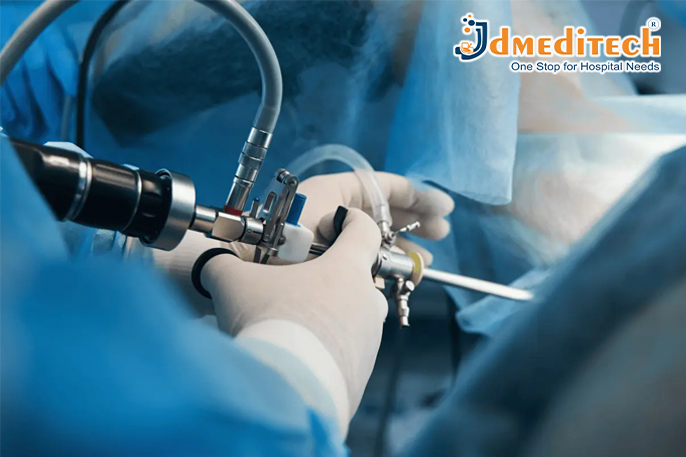
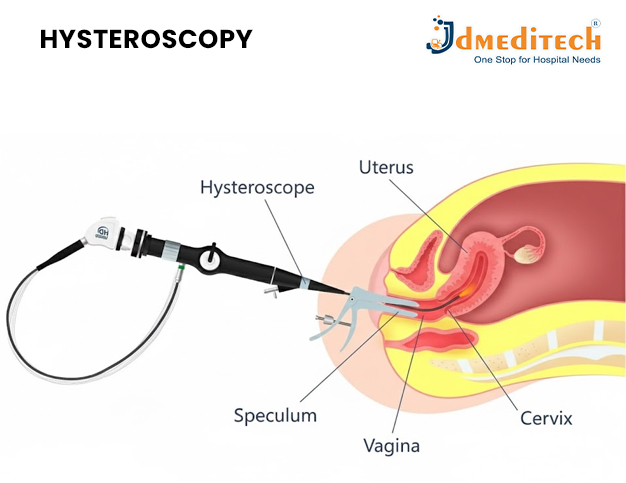
Hysteroscopy involves inserting a small telescope-like device through the vagina and cervix to examine the uterine cavity. This procedure helps doctors identify abnormalities such as polyps, fibroids, scarring, abnormal bleeding, and infertility-related issues. It can be done for both diagnostic and treatment purposes.
What is diagnostic hysteroscopy?
Diagnostic hysteroscopy is a minimally invasive procedure used to examine the inside of the uterus to identify the cause of symptoms such as abnormal bleeding, infertility, or recurrent miscarriages.
A thin, lighted instrument called a hysteroscope is inserted through the vagina and cervix into the uterus. This allows the doctor to view the uterine cavity on a monitor with high clarity—without any cuts or stitches.
What is operative hysteroscopy?
Operative hysteroscopy is a minimally invasive surgical procedure used to treat problems inside the uterus that are detected during a diagnostic hysteroscopy or ultrasound.
Instead of making cuts on the abdomen, the surgeon uses a hysteroscope (a thin, lighted telescope) inserted through the vagina and cervix. Special miniature surgical instruments are passed through the hysteroscope to perform the required treatment.
When is operative hysteroscopy used?
1. Uterine Polyps
To remove soft tissue growths that cause heavy bleeding, irregular periods, or infertility.
2. Submucosal Fibroids
To remove fibroids growing inside the uterine cavity that cause pain, bleeding, or pregnancy issues.
3. Uterine Septum
To correct a congenital wall dividing the uterus, which can cause miscarriage or infertility.
4. Uterine Adhesions / Scar Tissue (Asherman Syndrome)
To remove scar tissue that may be causing missed periods, pelvic pain, or fertility problems.
5. Retained Products of Conception
To remove tissue remaining after miscarriage or abortion that can lead to infection or bleeding.
6. Removal of Lost or Embedded IUD
When an intrauterine device cannot be removed through normal methods.
7. Abnormal Uterine Bleeding
To treat the cause of heavy or prolonged menstrual bleeding that is linked to structural issues.
8. Endometrial Abnormalities
To remove abnormal tissue growths for biopsy or treatment.
9. Tubal Opening Evaluation or Treatment
In some cases, to open blocked tubal openings near the uterus (selective tubal cannulation).
Conclusion
Hysteroscopy is one of the most advanced and reliable techniques for diagnosing and treating uterine problems. Its minimally invasive nature, accuracy, and fast recovery make it an ideal choice for many women. If you are experiencing abnormal bleeding, infertility, or pelvic discomfort, consult your gynecologist to see if hysteroscopy is right for you.
Get Connected:
+91 79909 93062 | +91 63513 72032 | exports@jdmeditech.com