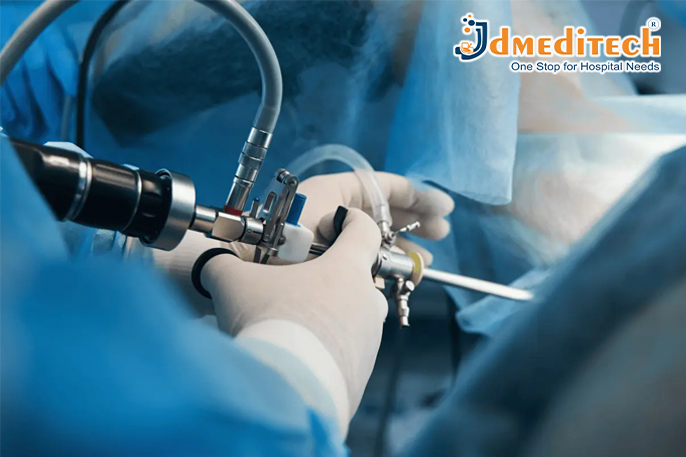
Hysteroscopy surgery allows a gynaecologist to examine and treat conditions inside the uterus. The doctor uses a thin, lighted instrument called a hysteroscope to view the uterine cavity.
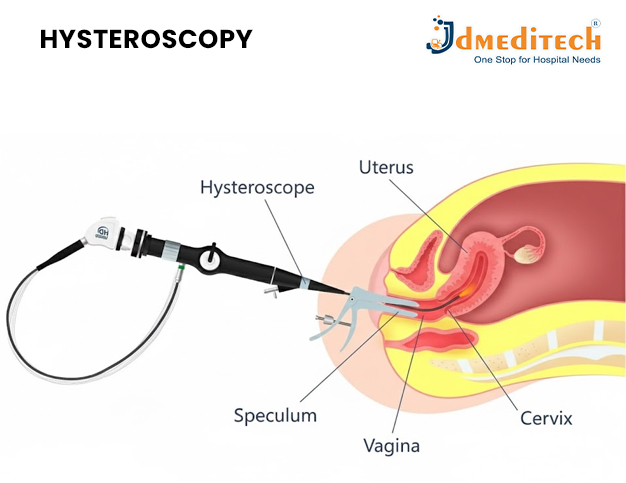
During the procedure, the doctor guides the hysteroscope through the vagina and cervix. Therefore, hysteroscopy usually does not require an abdominal incision. Doctors may perform it for diagnostic purposes or to treat a uterine condition.
What Is Hysteroscopy?
Hysteroscopy is a minimally invasive procedure that provides a clear view of the cervix and uterine cavity. The hysteroscope includes a small camera that displays images on a monitor.
As a result, the doctor can examine the uterine lining and identify abnormalities. These may include polyps, fibroids, adhesions, scar tissue and structural changes.
Doctors may also recommend hysteroscopy to investigate abnormal uterine bleeding, infertility or repeated miscarriages. However, the reason for the procedure will depend on the patient’s symptoms and medical history.
Types of Hysteroscopy Surgery
There are two main types of hysteroscopy: diagnostic hysteroscopy and operative hysteroscopy. The doctor chooses the appropriate type according to the purpose of the procedure.
What Is Diagnostic Hysteroscopy?
Diagnostic hysteroscopy helps a doctor examine the inside of the uterus. It can help identify the cause of abnormal bleeding, infertility or repeated pregnancy loss.
First, the doctor guides a thin hysteroscope through the vagina and cervix. The camera then displays the uterine cavity on a monitor.
Consequently, the doctor can inspect the uterine lining without making an abdominal incision. The doctor may also collect a small tissue sample when necessary.
What Is Operative Hysteroscopy?
Operative hysteroscopy allows the doctor to treat certain conditions inside the uterus. The doctor may perform it after an ultrasound or diagnostic hysteroscopy identifies a problem.
During treatment, the surgeon passes small instruments through an operating channel in the hysteroscope. These instruments can cut, grasp or remove abnormal tissue.
Moreover, the surgeon may diagnose and treat the problem during the same appointment. However, some patients may require a separate procedure.
When Is Operative Hysteroscopy Used?
A gynaecologist may recommend operative hysteroscopy for several uterine conditions. The following are some common reasons for the procedure.
1. Uterine Polyps
Uterine polyps are soft tissue growths inside the uterus. They may contribute to heavy bleeding, irregular periods or fertility problems. Therefore, the surgeon may use hysteroscopy to remove them.
2. Submucosal Fibroids
Submucosal fibroids grow towards or inside the uterine cavity. They can cause heavy periods, pelvic discomfort or reproductive problems.
In suitable cases, the surgeon can remove these fibroids through operative hysteroscopy. However, the treatment choice depends on their size and location.
3. Uterine Septum
A uterine septum is a wall of tissue that divides the uterine cavity. This condition may affect fertility or increase the risk of miscarriage.
When appropriate, the surgeon can cut the septum during hysteroscopy. Afterwards, the doctor may recommend follow-up care or imaging.
4. Uterine Adhesions
Uterine adhesions are bands of scar tissue inside the uterus. Doctors may also refer to severe uterine adhesions as Asherman syndrome.
These adhesions can contribute to light or absent periods, pelvic pain and fertility problems. Therefore, the surgeon may use hysteroscopy to locate and divide them.
5. Retained Pregnancy Tissue
Sometimes, tissue may remain inside the uterus after a miscarriage, delivery or pregnancy termination. This tissue can contribute to persistent bleeding, pain or infection.
In selected cases, hysteroscopy allows the doctor to see and remove the remaining tissue. The patient’s condition will determine the safest treatment method.
6. Removal of an Embedded or Difficult IUD
An intrauterine device may move, become embedded or lose its visible removal threads. Consequently, routine removal may become difficult.
Hysteroscopy helps the doctor locate the device directly. The doctor can then remove it with specialised instruments when clinically appropriate.
7. Abnormal Uterine Bleeding
Heavy, irregular or prolonged bleeding can have several causes. For this reason, doctors first evaluate the patient before recommending treatment.
If a structural problem causes the bleeding, operative hysteroscopy may help treat it. Examples include polyps and certain fibroids.
8. Endometrial Abnormalities
Hysteroscopy helps the doctor inspect unusual areas of the uterine lining. In addition, the doctor can collect tissue for laboratory examination.
A biopsy can provide more information about the abnormal tissue. Nevertheless, the doctor must review the laboratory result before confirming a diagnosis.
9. Evaluation of the Tubal Openings
The doctor can inspect the openings of the fallopian tubes during hysteroscopy. In selected cases, a specialist may also perform tubal cannulation near the uterine opening.
However, hysteroscopy cannot treat every type of fallopian tube blockage. Additional tests or fertility treatments may be necessary.
How to Prepare for Hysteroscopy Surgery
Before hysteroscopy surgery, the doctor reviews the patient’s symptoms and medical history. The doctor may also perform a pregnancy test, blood test, ultrasound or pelvic examination.
In addition, patients should tell the doctor about their medicines, allergies and existing health conditions. This information helps the medical team plan the procedure safely.
The doctor may ask the patient to avoid food and drinks before hysteroscopy with sedation or anaesthesia. Therefore, patients should carefully follow the instructions provided by their hospital.
What Happens During Hysteroscopy?
First, the medical team positions the patient and prepares the treatment area. The doctor then passes the hysteroscope through the vagina and cervix.
Next, fluid may gently expand the uterine cavity. This step helps the doctor obtain a clearer view of the uterine lining.
During diagnostic hysteroscopy, the doctor examines the cavity and may collect a biopsy. During operative hysteroscopy, the surgeon uses miniature instruments to perform the required treatment.
Finally, the doctor removes the hysteroscope and monitors the patient during recovery. The total procedure time varies according to the treatment.
Benefits of Hysteroscopy Surgery
Hysteroscopy offers several potential benefits for suitable patients:
- Direct examination of the uterine cavity
- No abdominal surgical incision
- Accurate identification of uterine abnormalities
- Diagnosis and treatment during one procedure in some cases
- Targeted removal of abnormal tissue
- Shorter recovery than many open surgical procedures
- Same-day discharge for many patients
However, individual results may vary. The condition, treatment type and patient’s overall health can affect the outcome.
Recovery After Hysteroscopy
Many patients return home on the same day. However, patients who receive sedation or general anaesthesia may need someone to accompany them.
Mild cramping and light vaginal bleeding can occur after the procedure. These symptoms often improve within a few days.
During recovery, patients should follow their doctor’s advice about bathing, exercise, sexual activity and tampon use. They should also take only the medicines their doctor recommends.
Possible Risks of Hysteroscopy
Hysteroscopy is generally safe, but every medical procedure has possible risks. These may include:
- Bleeding
- Infection
- Injury to the cervix
- Perforation of the uterus
- Reaction to anaesthesia
- Complications related to the fluid used during the procedure
- Development of scar tissue
The doctor should explain the expected benefits and individual risks before the procedure.
When Should You Contact a Doctor?
Patients should contact their doctor if they experience severe or worsening symptoms after hysteroscopy. Important warning signs include:
- Heavy vaginal bleeding
- Severe abdominal or pelvic pain
- Fever or chills
- Foul-smelling vaginal discharge
- Dizziness or fainting
- Persistent vomiting
Conclusion
Hysteroscopy surgery helps doctors diagnose and treat several conditions inside the uterus. Furthermore, it provides a direct view of the uterine cavity without an abdominal incision.
The procedure may help manage polyps, fibroids, adhesions and other uterine abnormalities. Nevertheless, its suitability depends on each patient’s symptoms and medical condition.
Anyone experiencing abnormal bleeding, fertility problems or persistent pelvic symptoms should consult a qualified gynaecologist. The doctor can recommend suitable tests and treatment options.
This article provides general educational information. It does not replace professional medical advice, diagnosis or treatment.
Get Connected
+91 79909 93062 | +91 63513 72032 | exports@jdmeditech.com