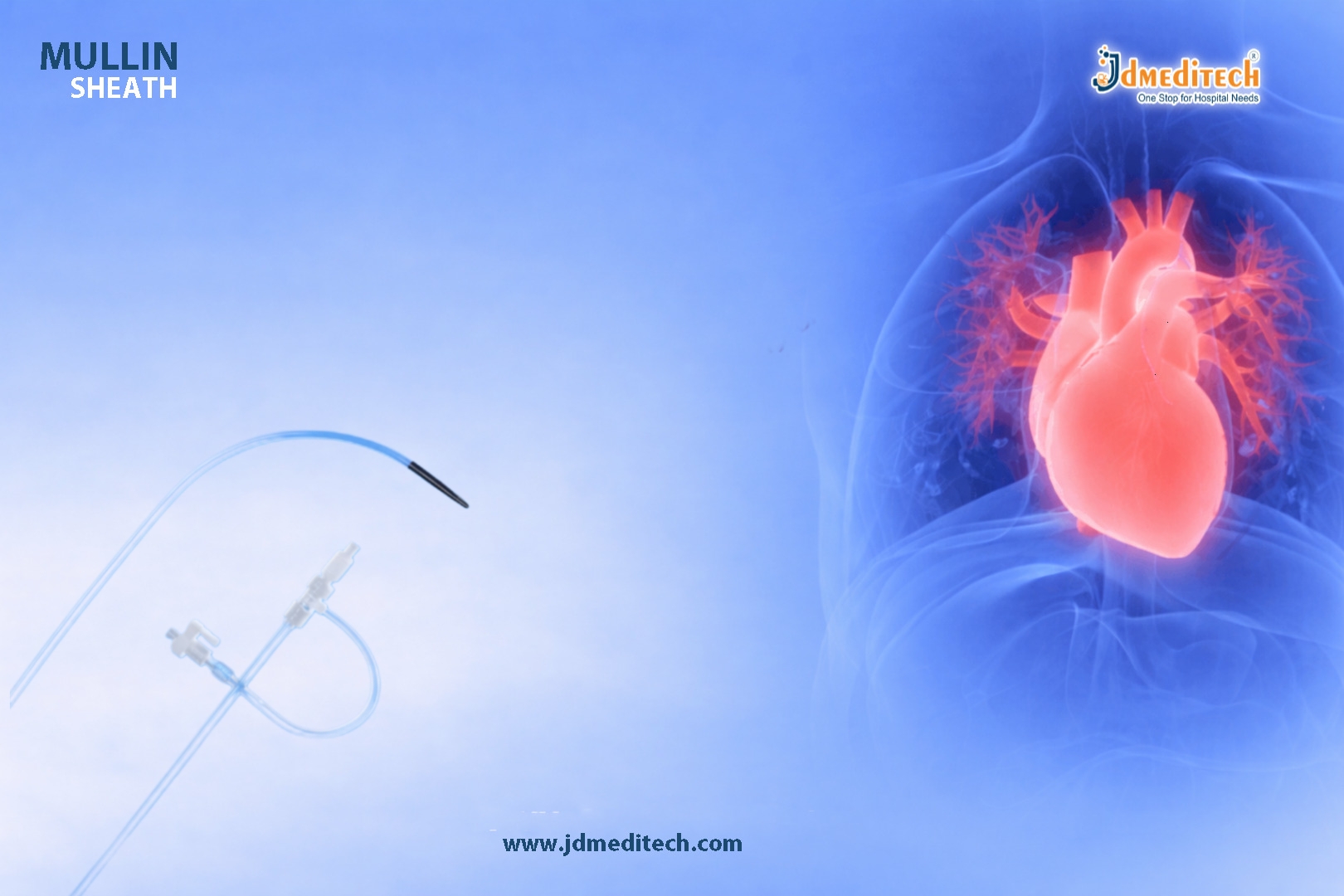
The Mullin Introducer Sheath plays a critical role in modern interventional cardiology, especially during transseptal procedures. These procedures require precision, stability, and smooth vascular access. Therefore, choosing the right introducer sheath is essential for procedural success and patient safety.
In this blog, we will explore the features, benefits, applications, and clinical importance of the Mullin Introducer Sheath, while also understanding why it remains a preferred choice among healthcare professionals.
What is a Mullin Introducer Sheath?
The Mullin Introducer Sheath is a specialized medical device designed to provide safe and controlled access to the heart during transseptal catheterization. It is commonly used to guide catheters and other interventional tools across the interatrial septum.
Moreover, the sheath is engineered for flexibility and support, ensuring smooth navigation through vascular pathways. As a result, it minimizes trauma and enhances procedural efficiency.
Key Features of Mullin Introducer Sheath
1. Smooth Surface for Easy Navigation
The Mullin Introducer Sheath features a highly polished inner lumen. Consequently, it allows effortless passage of catheters and guidewires.
2. Optimal Flexibility and Support
It offers an ideal balance between flexibility and rigidity. Therefore, clinicians can achieve precise control during transseptal access.
3. Radiopaque Markers
The sheath includes radiopaque markers that enhance visibility under fluoroscopy. This ensures accurate placement during procedures.
4. Kink-Resistant Design
Additionally, the sheath is designed to resist kinking. This helps maintain consistent performance throughout the procedure.
5. Sterile and Biocompatible Material
The Mullin Introducer Sheath is made from high-quality, biocompatible materials. Hence, it reduces the risk of infection and adverse reactions.
Applications of Mullin Introducer Sheath
The Mullin Introducer Sheath is widely used in various cardiac interventions. Some of the key applications include:
- Transseptal catheterization
- Left atrial access procedures
- Electrophysiology studies
- Atrial fibrillation ablation
- Structural heart interventions
Furthermore, its versatility makes it suitable for both diagnostic and therapeutic procedures.
Benefits of Using Mullin Introducer Sheath
Enhanced Procedural Precision
Because of its design, the Mullin Introducer Sheath enables accurate catheter positioning.
Improved Patient Safety
Smooth insertion and controlled navigation reduce vascular trauma.
Time Efficiency
As a result of its ease of use, procedural time is often reduced.
Reliable Performance
The sheath maintains consistent functionality, even in complex procedures.
Why Choose Mullin Introducer Sheath?
Healthcare professionals prefer the Mullin Introducer Sheath due to its reliability and performance. In addition, it supports advanced interventional techniques that demand high precision.
Not only does it enhance procedural outcomes, but it also improves operator confidence. Therefore, it has become a standard tool in transseptal procedures worldwide.
Best Practices for Usage
To maximize the effectiveness of the Mullin Introducer Sheath, consider the following:
- Always ensure proper sterilization before use
- Use compatible catheters and guidewires
- Monitor placement under fluoroscopy
- Handle with care to avoid damage
By following these practices, clinicians can achieve optimal results.
Conclusion
The Mullin Introducer Sheath is an essential device for transseptal procedures, offering smooth and reliable access to the heart. With its advanced design, excellent flexibility, and superior performance, it significantly enhances procedural success and patient safety.
As interventional cardiology continues to evolve, the Mullin Introducer Sheath remains a trusted solution for precise and efficient vascular access.
Get Connected:
+91 79909 93062 | +91 63513 72032 | exports@jdmeditech.com