Accurate diagnosis is the foundation of effective urological treatment. A urodynamic catheter plays a vital role in evaluating bladder and urethral function through detailed pressure-flow studies. Clinicians rely on this specialized device to measure internal pressures, assess urinary flow, and diagnose complex lower urinary tract disorders.
In this blog, we will explore the importance, features, applications, and benefits of the urodynamic catheter, making it easier to understand why it is indispensable in modern urology.
What is a Urodynamic Catheter?
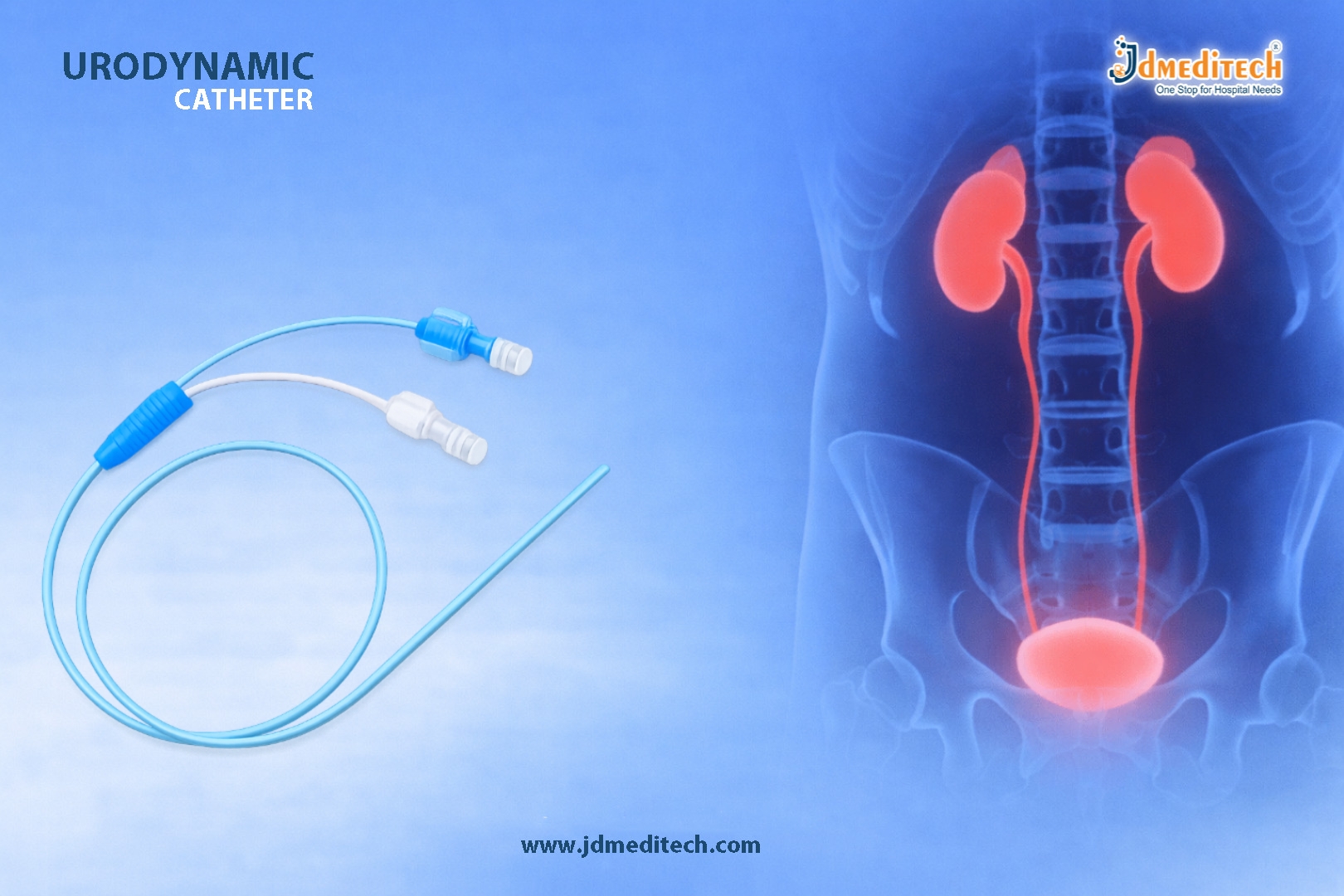
A urodynamic catheter is a thin, flexible medical device designed to measure pressure within the bladder and sometimes the rectum during urodynamic testing. It helps clinicians evaluate how well the bladder stores and releases urine.
These catheters are typically connected to pressure transducers and monitoring systems, allowing real-time data collection during diagnostic procedures.
Key Features of Urodynamic Catheters
1. High-Precision Pressure Measurement
Urodynamic catheters are engineered to provide accurate and consistent pressure readings, ensuring reliable diagnostic outcomes.
2. Dual or Multi-Lumen Design
Many urodynamic catheters feature dual lumens. This design allows simultaneous bladder filling and pressure monitoring, improving procedural efficiency.
3. Flexible and Patient-Friendly Material
Manufactured from biocompatible materials, these catheters ensure patient comfort while minimizing irritation during insertion.
4. Smooth Surface for Easy Insertion
A smooth, lubricated surface reduces friction, making catheter placement easier and safer.
5. Compatibility with Urodynamic Systems
These catheters integrate seamlessly with modern urodynamic machines for precise data recording and analysis.
Applications of Urodynamic Catheter
The urodynamic catheter is widely used in diagnostic procedures, including:
- Cystometry (CMG)– Measures bladder pressure during filling
- Pressure-flow studies– Evaluates bladder outlet obstruction
- Uroflowmetry support– Assesses urinary flow rate
- Leak point pressure measurement– Diagnoses urinary incontinence
- Neurogenic bladder assessment– Evaluates nerve-related dysfunction
Benefits of Using Urodynamic Catheters
Accurate Diagnosis
Provides precise pressure readings for identifying bladder dysfunctions.
Improved Treatment Planning
Helps clinicians develop targeted treatment strategies based on reliable data.
Minimally Invasive Procedure
Ensures patient safety with minimal discomfort.
Real-Time Monitoring
Allows continuous data recording during bladder filling and voiding phases.
Enhanced Clinical Efficiency
Supports faster and more effective urological assessments.
Why Choose a High-Quality Urodynamic Catheter?
Selecting a high-quality urodynamic catheter is crucial for achieving accurate results and ensuring patient comfort. Premium-grade catheters offer:
- Superior material quality
- Consistent performance
- Reduced risk of complications
- Better compatibility with diagnostic systems
At JDMeditech, we focus on delivering reliable and precision-engineered urological devices designed to meet global healthcare standards.
Best Practices for Use
To ensure optimal performance and patient safety:
- Always use sterile catheters
- Follow proper insertion techniques
- Ensure correct calibration with urodynamic equipment
- Monitor patient comfort throughout the procedure
- Dispose of single-use catheters appropriately
Conclusion
The urodynamic catheter is an essential tool for accurate pressure-flow studies and comprehensive urological assessment. Its ability to provide real-time, precise data makes it indispensable for diagnosing bladder dysfunctions and guiding effective treatment.
As urology continues to advance, the demand for reliable diagnostic tools like urodynamic catheters will only grow. Investing in high-quality devices ensures better outcomes for both clinicians and patients.
Get Connected:
+91 79909 93062 | +91 63513 72032 | exports@jdmeditech.com