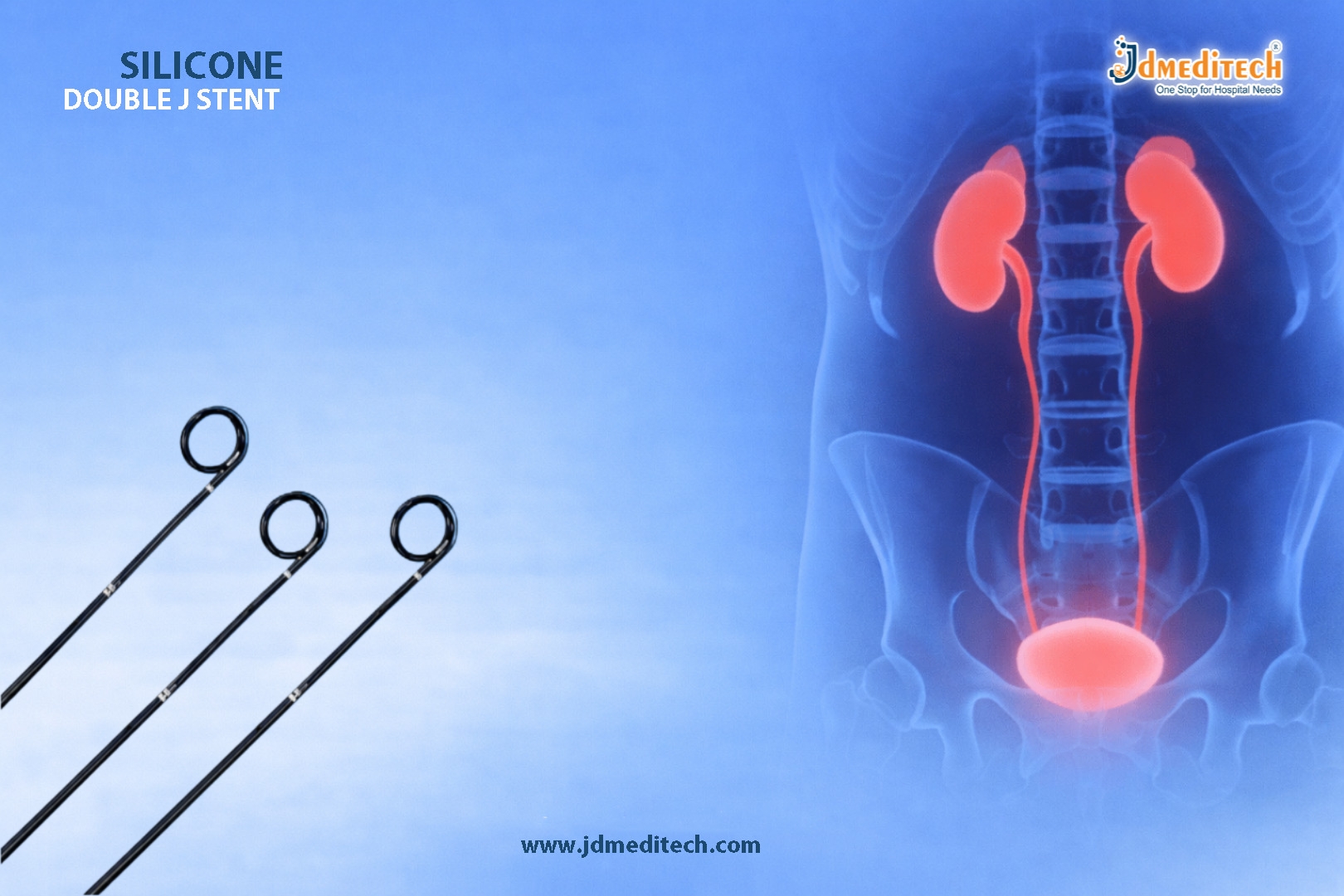
The Silicone Double J Stent plays a vital role in modern urology. It ensures smooth urine flow from the kidney to the bladder when natural drainage becomes obstructed. Doctors prefer silicone-based stents because they offer excellent flexibility, superior biocompatibility, and enhanced patient comfort.
In this blog, we explore why the Silicone Double J Stent is a trusted choice for ureteral drainage and how it improves clinical outcomes.
What is a Silicone Double J Stent?
A Silicone Double J Stent is a soft, flexible tube placed inside the ureter. It features a characteristic “J” curve at both ends, which helps keep the stent securely positioned in the kidney and bladder.
Unlike traditional materials, silicone provides a smoother surface and minimizes irritation, making it ideal for both short-term and long-term use.
Why Choose a Silicone Double J Stent?
1. Superior Flexibility
Silicone material adapts easily to the natural curvature of the ureter. As a result, it reduces discomfort and improves patient tolerance.
2. Excellent Biocompatibility
The Silicone Double J Stent is highly biocompatible. It lowers the risk of inflammation, irritation, and allergic reactions.
3. Reduced Encrustation
Silicone resists encrustation better than many other materials. Therefore, it supports safer long-term placement.
4. Enhanced Patient Comfort
Because of its softness, patients experience fewer symptoms such as urgency, pain, or bladder irritation.
5. Long-Term Durability
Silicone maintains its structure and performance over extended periods, ensuring reliable drainage.
Clinical Applications of Silicone Double J Stent
The Silicone Double J Stent is widely used in various urological conditions, including:
- Ureteral obstruction due to stones
- Post-ureteroscopy drainage
- Ureteral strictures
- Tumor-related blockages
- Post-surgical support
- Hydronephrosis management
It provides consistent drainage and helps prevent complications such as kidney damage.
Key Features of Silicone Double J Stent
- Soft, medical-grade silicone construction
- Double J design for secure positioning
- Smooth surface for easy insertion and removal
- Radiopaque for accurate placement under imaging
- Available in multiple sizes and lengths
- Sterile and ready-to-use packaging
Procedure Overview
Doctors typically place a Silicone Double J Stent using a minimally invasive endoscopic technique:
- A cystoscope is inserted into the bladder
- The stent is guided into the ureter
- One end curls in the kidney, and the other in the bladder
- Placement is confirmed using imaging
The process is quick and ensures immediate relief from obstruction.
Advantages Over Other Materials
Compared to polyurethane or other stents, the Silicone Double J Stent offers:
- Better flexibility and softness
- Lower risk of encrustation
- Improved long-term tolerance
- Reduced tissue irritation
These advantages make it a preferred option for many urologists.
Post-Placement Care
Patients with a Silicone Double J Stent should follow these guidelines:
- Stay well hydrated
- Report persistent pain or fever
- Attend scheduled follow-ups
- Ensure timely stent removal or replacement
Proper care ensures optimal performance and reduces complications.
Why Silicone Double J Stent is a Preferred Choice
The Silicone Double J Stent combines comfort, safety, and performance. Its flexible structure and biocompatible nature make it suitable for a wide range of patients.
Healthcare professionals trust it for its consistent results, while patients benefit from reduced discomfort and improved quality of life.
Conclusion
The Silicone Double J Stent stands out as a reliable and patient-friendly solution for ureteral drainage. With its advanced material properties and proven clinical benefits, it continues to be an essential tool in modern urology.
If you are looking for a high-quality ureteral stent that ensures both performance and comfort, the Silicone Double J Stent is an excellent choice.
Get Connected:
+91 79909 93062 | +91 63513 72032 | exports@jdmeditech.com