An endoscopic clip plays a critical role in modern gastrointestinal (GI) procedures. It helps clinicians achieve precise tissue approximation, secure hemostasis, and manage complications effectively. As endoscopy continues to evolve, advanced GI clipping solutions have become essential tools in both diagnostic and therapeutic interventions.
In this blog, we will explore the features, applications, benefits, and importance of endoscopic clips in contemporary gastroenterology.
What is an Endoscopic Clip?
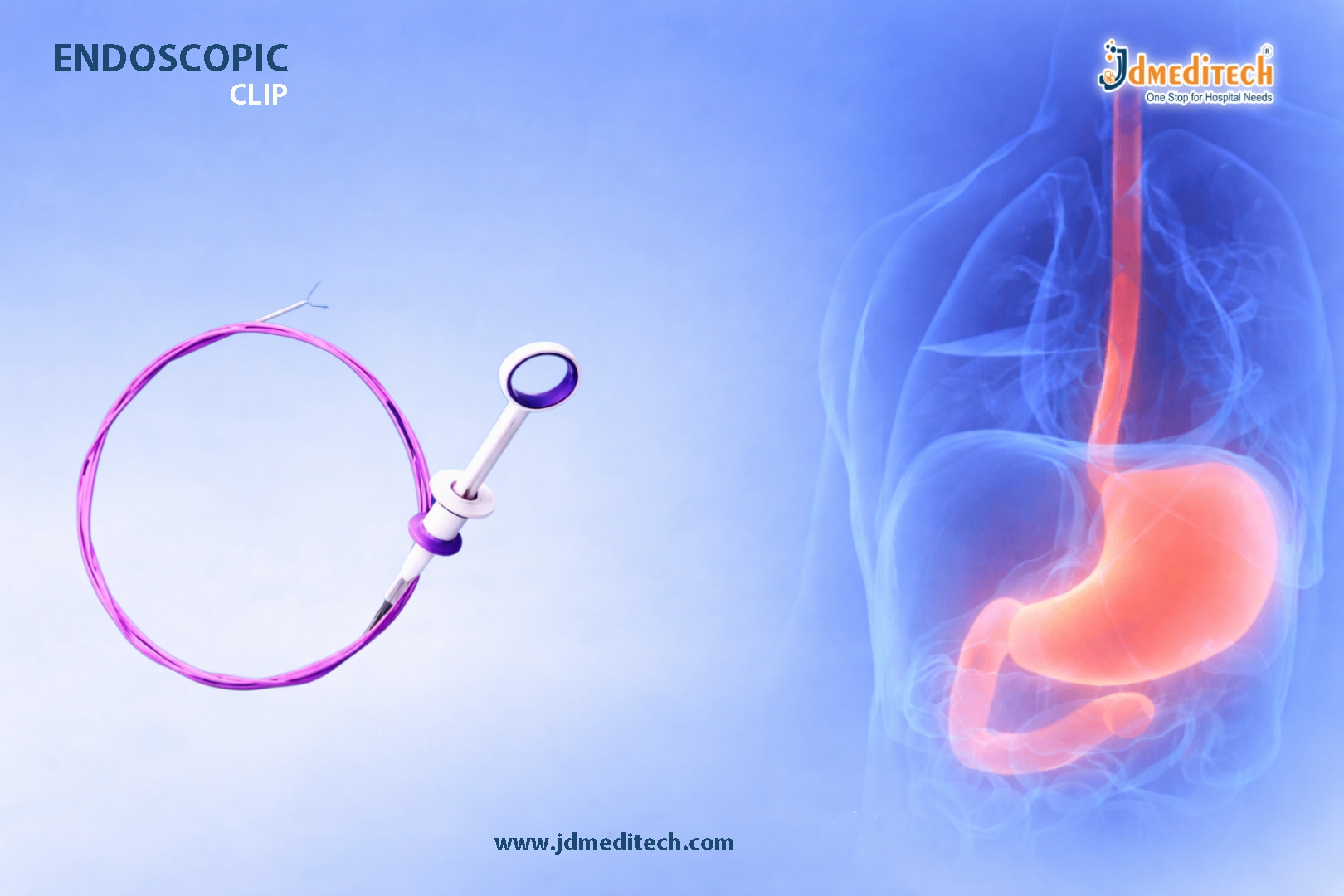
An endoscopic clip is a small, mechanical device delivered through an endoscope to grasp, approximate, or compress tissue within the gastrointestinal tract. It is widely used to control bleeding, close mucosal defects, and support healing after endoscopic procedures.
These clips are typically made from biocompatible materials and are designed for precision deployment in challenging anatomical locations.
Key Features of Endoscopic Clip
1. Precise Deployment Mechanism
Endoscopic clips provide controlled and accurate placement, ensuring effective tissue capture even in difficult-to-reach areas.
2. Strong Closure Strength
They deliver reliable compression, which is essential for achieving durable hemostasis and secure tissue approximation.
3. Rotatable Design
Most advanced endoscopic clips feature a 360-degree rotatable system, allowing better positioning and enhanced procedural efficiency.
4. Reopenable Functionality
Some clips can be reopened and repositioned before final deployment, improving accuracy and reducing procedural errors.
5. Biocompatible Material
Manufactured from high-quality materials, these clips ensure patient safety and minimize adverse reactions.
Applications of Endoscopic Clip in GI Procedures
1. Hemostasis
An endoscopic clip is widely used to control bleeding caused by ulcers, lesions, or post-polypectomy complications.
2. Closure of Mucosal Defects
After procedures like Endoscopic Mucosal Resection (EMR) or Endoscopic Submucosal Dissection (ESD), clips help close the defect and promote healing.
3. Management of Perforations
Clips are effective in closing small perforations in the GI tract, reducing the need for surgical intervention.
4. Marking Lesions
Endoscopic clips can be used to mark lesions for future identification during follow-up procedures or surgeries.
5. Securing Feeding Tubes
They assist in stabilizing tubes and other devices within the GI tract.
Advantages of Advanced GI Clipping Solutions
Minimally Invasive Treatment
Endoscopic clips reduce the need for open surgery, leading to faster recovery and less patient discomfort.
Immediate Bleeding Control
They provide rapid hemostasis, which is critical in emergency GI bleeding cases.
Enhanced Procedure Efficiency
With features like rotation and repositioning, clinicians can perform procedures more efficiently.
Reduced Risk of Complications
Effective closure lowers the risk of infection, leakage, and delayed bleeding.
Cost-Effective Solution
By minimizing surgical interventions and hospital stays, endoscopic clips contribute to overall cost savings.
Types of Endoscopic Clips
- Through-the-Scope (TTS) Clips – Commonly used for routine GI procedures
- Over-the-Scope Clips (OTSC) – Designed for larger defects and perforations
- Rotatable Clips – Allow better maneuverability
- Reopenable Clips – Enable repositioning before deployment
How Endoscopic Clip Works
The endoscopic clip is delivered through the working channel of the endoscope. Once positioned at the target site, the clinician deploys the clip to grasp tissue securely. The clip then remains in place until the tissue heals, after which it may naturally detach and pass through the digestive system.
Why Choose High-Quality Endoscopic Clips?
Selecting a high-quality endoscopic clip ensures:
- Reliable performance during critical procedures
- Better patient outcomes
- Reduced procedural complications
- Consistent and controlled deployment
For healthcare providers, investing in advanced GI clipping solutions enhances both efficiency and safety.
Conclusion
An endoscopic clip is an indispensable tool in modern gastroenterology. From controlling bleeding to closing defects, it offers a safe, effective, and minimally invasive solution for a wide range of GI conditions. With continuous advancements in design and functionality, endoscopic clips are redefining the standards of endoscopic treatment.
Get Connected:
+91 79909 93062 | +91 63513 72032 | exports@jdmeditech.com