Introduction to Ross ProcedureThe Pancreatic Drainage Procedure is a specialized surgical technique used to treat pancreatic fluid accumulation caused by conditions such as pancreatitis or pancreatic cysts. This Pancreatic Drainage Procedure helps relieve pressure, reduce pain, and prevent serious complications.
When pancreatic fluid builds up in or around the pancreas, it can lead to infection, inflammation, and organ dysfunction. Therefore, doctors recommend the Pancreatic Drainage Procedure to restore normal pancreatic function and improve patient outcomes.
What is a Pancreatic Drainage Procedure?
A Pancreatic Drainage Procedure involves creating a pathway to drain excess pancreatic fluid from cysts, pseudocysts, or blocked ducts. Surgeons perform this Pancreatic Drainage Procedure using minimally invasive or open surgical techniques.
In many cases, the Pancreatic Drainage Procedure connects the fluid collection to the stomach or small intestine, allowing safe internal drainage.
Why is Pancreatic Drainage Procedure Needed?
Doctors recommend a Pancreatic Drainage Procedure when fluid collections cause symptoms or complications. Common indications include:
- Pancreatic pseudocysts
- Chronic pancreatitis
- Pancreatic duct obstruction
- Infected fluid collections
- Persistent abdominal pain
Without timely treatment, these conditions may worsen. Therefore, the Pancreatic Drainage Procedure plays a crucial role in preventing further damage.
Types of Pancreatic Drainage Procedure
1. Endoscopic Pancreatic Drainage Procedure
This Pancreatic Drainage Procedure uses an endoscope to access the pancreas through the digestive tract. It is minimally invasive and offers faster recovery.
2. Percutaneous Pancreatic Drainage Procedure
In this Pancreatic Drainage Procedure, a catheter is inserted through the skin under imaging guidance to drain fluid externally.
3. Surgical Pancreatic Drainage Procedure
Surgeons perform this Pancreatic Drainage Procedure when other methods are not effective. It includes procedures like cystogastrostomy or pancreaticojejunostomy.
Procedure Steps of Pancreatic Drainage Procedure
The Pancreatic Drainage Procedure typically follows these steps:
- Patient evaluation and imaging (CT scan or MRI)
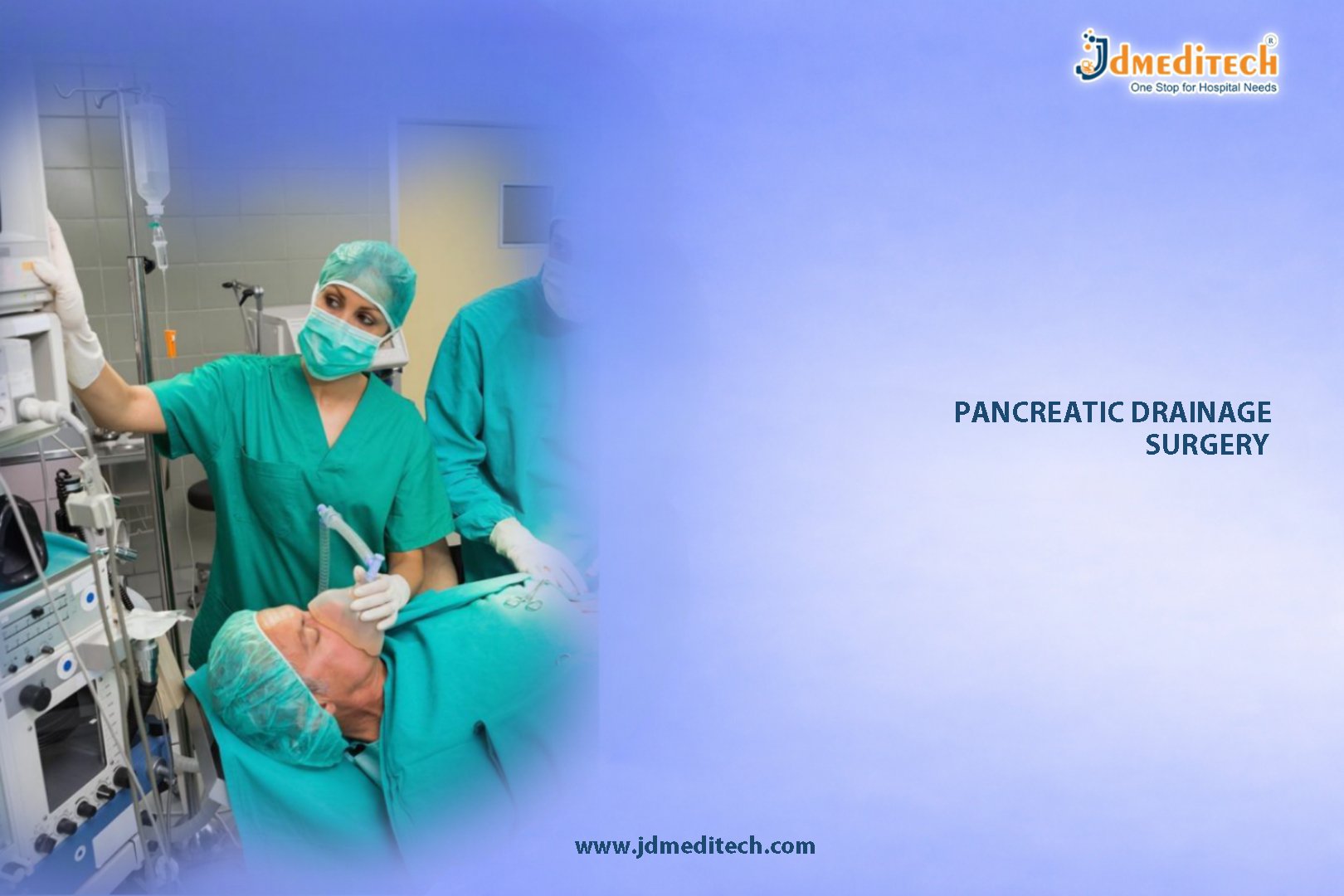
- Administration of anesthesia
- Accessing the fluid collection
- Creating a drainage pathway
- Placement of stents or drains
- Monitoring and post-procedure care
Each Pancreatic Drainage Procedure is tailored to the patient’s condition and severity.
Benefits of Pancreatic Drainage Procedure
The Pancreatic Drainage Procedure offers several advantages:
- Relieves abdominal pain and pressure
- Prevents infection and complications
- Improves pancreatic function
- Minimally invasive options available
- Faster recovery time
Because of these benefits, the Pancreatic Drainage Procedure is widely used in modern gastroenterology.
Risks and Complications
Although the Pancreatic Drainage Procedure is generally safe, some risks may include:
- Bleeding
- Infection
- Leakage of pancreatic fluid
- Damage to surrounding organs
However, experienced surgeons minimize these risks during the Pancreatic Drainage Procedure.
Recovery After Pancreatic Drainage Procedure
Recovery from a Pancreatic Drainage Procedure depends on the technique used. Most patients experience:
- Short hospital stay
- Gradual return to normal diet
- Pain relief within days
- Regular follow-up imaging
Proper post-operative care ensures successful outcomes after the Pancreatic Drainage Procedure.
Advanced Technologies in Pancreatic Drainage Procedure
Modern advancements have improved the success of the Pancreatic Drainage Procedure:
- Endoscopic ultrasound (EUS)-guided drainage
- Biodegradable stents
- High-resolution imaging systems
- Minimally invasive surgical tools
These innovations make the Pancreatic Drainage Procedure safer and more effective.
Conclusion
The Pancreatic Drainage Procedure is a highly effective solution for managing pancreatic fluid build-up. It relieves symptoms, prevents complications, and restores normal pancreatic function.
With advanced techniques and improved safety, the Pancreatic Drainage Procedure continues to play a vital role in modern surgical care. Early diagnosis and timely intervention can significantly improve patient outcomes.
Get Connected:
+91 79909 93062 | +91 63513 72032 | exports@jdmeditech.com