In modern minimally invasive surgery, precision and compatibility between surgical instruments are essential for successful outcomes. A Plastic Trocar Reducer plays a vital role in laparoscopic procedures by allowing surgeons to use smaller instruments through larger trocars without compromising stability or control. This lightweight and highly functional adapter improves instrument compatibility, enhances workflow efficiency, and supports smooth surgical performance.
Designed for reliability and convenience, plastic trocar reducers are widely used in laparoscopic, gynecological, urological, and general surgical procedures. Their durable construction and easy handling make them an important accessory in operating rooms worldwide.
What is a Plastic Trocar Reducer?
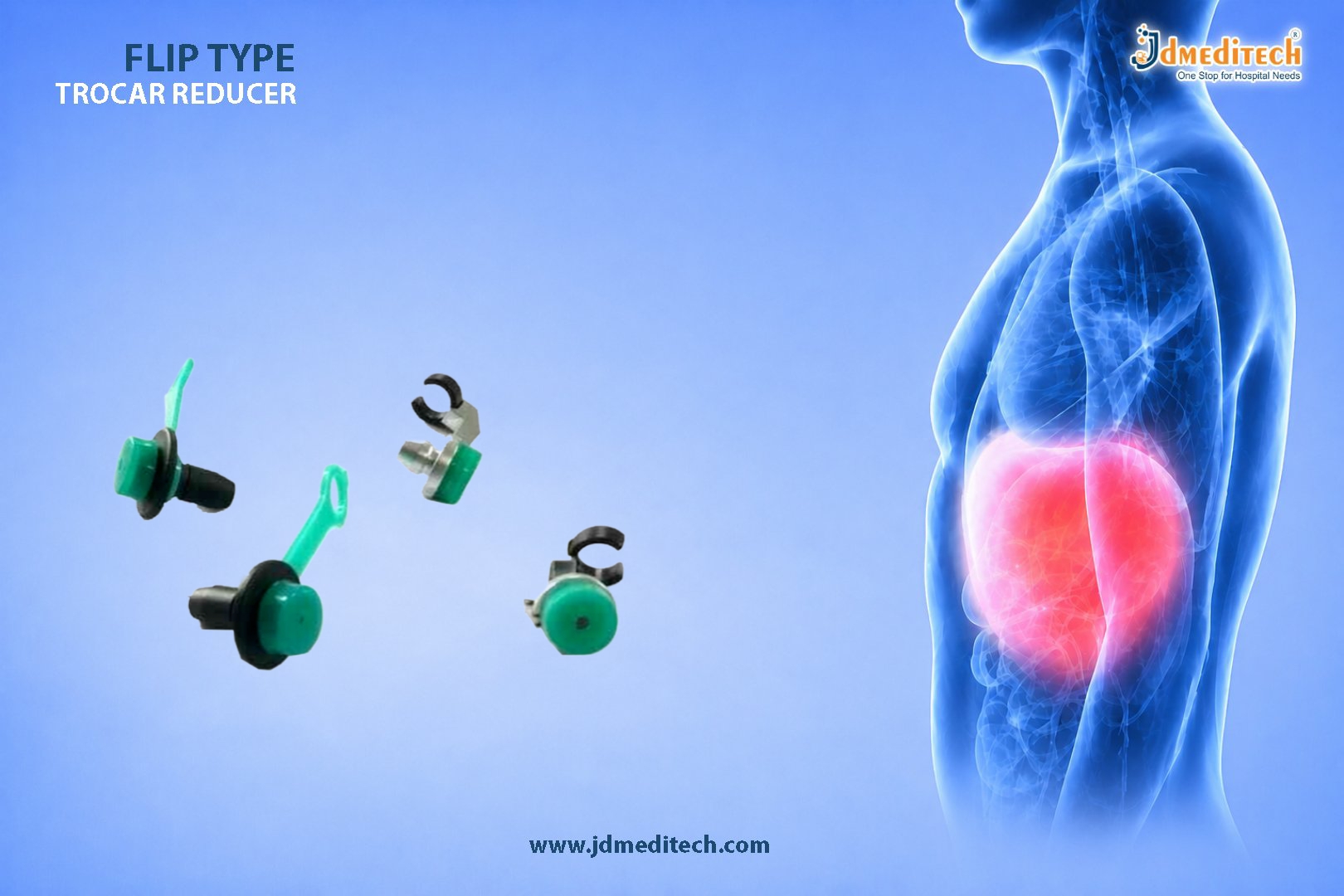
A Plastic Trocar Reducer is a surgical adapter used to reduce the diameter of a trocar cannula, enabling smaller laparoscopic instruments to pass securely through larger ports. For example, it allows a 5 mm instrument to be used efficiently in a 10 mm or 12 mm trocar.
The reducer helps maintain pneumoperitoneum while minimizing instrument movement during surgery. Because it is lightweight and easy to install, it improves surgeon comfort and procedural efficiency.
Importance of Plastic Trocar Reducers in Laparoscopic Surgery
Laparoscopic surgery requires seamless instrument exchange and stable port access. Without a trocar reducer, smaller instruments may move excessively inside larger trocars, reducing surgical precision and causing gas leakage.
Key Benefits Include
- Improved instrument compatibility
- Better control during surgical procedures
- Reduced gas leakage
- Enhanced surgical precision
- Smooth instrument insertion and withdrawal
- Cost-effective trocar utilization
As a result, plastic trocar reducers help surgeons perform procedures with greater confidence and efficiency.
Key Features of Plastic Trocar Reducers
Lightweight Construction
Plastic trocar reducers are manufactured using lightweight medical-grade materials. This reduces hand fatigue and makes handling easier during long procedures.
Secure Instrument Fit
The reducer provides a stable fit for smaller instruments inside larger trocars, minimizing unnecessary movement and improving surgical accuracy.
Durable Medical-Grade Plastic
High-quality plastic materials ensure durability, chemical resistance, and safe use in demanding surgical environments.
Easy Installation
The reducer can be quickly attached or removed from the trocar, allowing faster instrument transitions during surgery.
Pneumoperitoneum Maintenance
The design helps maintain proper abdominal insufflation by reducing gas leakage during instrument exchange.
Universal Compatibility
Many plastic trocar reducers are compatible with a wide range of laparoscopic trocars and instruments.
Applications of Plastic Trocar Reducers
General Laparoscopic Surgery
Plastic trocar reducers are commonly used in minimally invasive abdominal procedures to support instrument compatibility.
Common Procedures
- Cholecystectomy
- Hernia repair
- Appendectomy
- Bariatric surgery
Gynecological Procedures
Gynecologists use trocar reducers during laparoscopic hysterectomy and ovarian procedures where different instrument sizes are required.
Benefits in Gynecology
- Improved maneuverability
- Enhanced surgical precision
- Better port utilization
Urological Surgery
In urology, trocar reducers assist surgeons in maintaining stable instrument control during delicate minimally invasive procedures.
Common Urological Applications
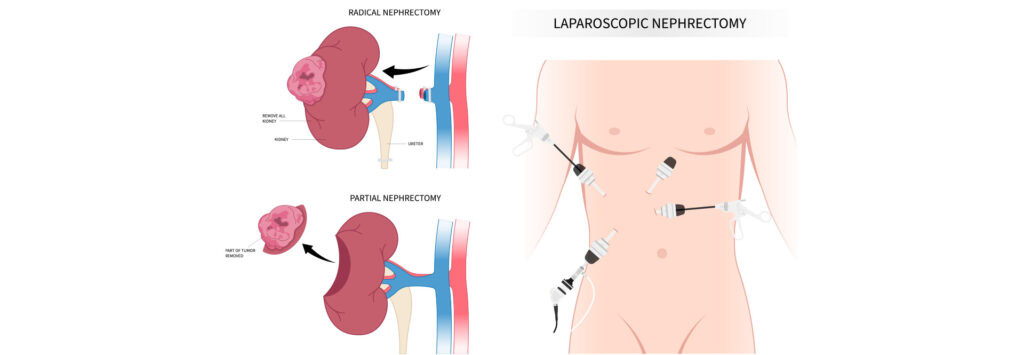
- Nephrectomy
- Prostate surgery
- Bladder procedures
Pediatric Laparoscopy
Pediatric procedures often require smaller instruments. Trocar reducers allow these instruments to be used safely with larger access ports.
Pediatric Advantages
- Reduced instrument instability
- Better surgical accuracy
- Improved procedural flexibility
Advantages of Using Plastic Trocar Reducers
Enhanced Surgical Efficiency
Surgeons can use multiple instrument sizes without replacing trocars, saving valuable operating time.
Faster Instrument Exchange
Quick adaptation between instrument sizes improves surgical workflow and operating room productivity.
Cost-Effective Solution
Rather than maintaining multiple trocar sizes, hospitals can use reducers to increase the versatility of existing trocars.
Reduced Equipment Costs
Facilities can optimize surgical inventory while minimizing additional equipment expenses.
Improved Instrument Stability
The reducer minimizes wobbling and unwanted movement of instruments during procedures.
Better Precision During Surgery
Stable instrument positioning supports accurate tissue handling and safer surgical outcomes.
Better Surgeon Control
A secure fit allows more precise movements, improving procedural safety and effectiveness.
Increased Operating Confidence
Surgeons can perform delicate laparoscopic tasks with improved comfort and consistency.
Reduced Gas Leakage
Maintaining pneumoperitoneum is essential in laparoscopy, and trocar reducers help preserve insufflation pressure.
Stable Surgical Environment
Consistent abdominal pressure improves visibility and procedural efficiency.
How to Choose the Right Plastic Trocar Reducer
Check Instrument Compatibility
Ensure the reducer supports the instrument and trocar sizes used during surgery.
Common Size Combinations
- 10 mm to 5 mm
- 12 mm to 5 mm
- 12 mm to 10 mm
Evaluate Material Quality
Choose reducers made from high-quality medical-grade plastic for durability and safe performance.
Importance of Medical-Grade Materials
Premium materials provide better resistance to stress, chemicals, and repeated sterilization cycles.
Assess Locking Mechanism
A reliable locking or fitting mechanism improves instrument stability and prevents accidental displacement.
Secure Attachment Benefits
A stable connection enhances surgeon confidence during complex procedures.
Consider Sterilization Compatibility
Some reducers are reusable, while others are disposable. Select according to your facility’s sterilization protocol.
Reusable vs Disposable Options
Hospitals can choose the best option based on workflow, infection control, and cost management requirements.
Maintenance and Handling Tips
Proper Cleaning
Reusable plastic trocar reducers should be cleaned immediately after surgery to prevent residue buildup.
Cleaning Recommendations
- Use approved cleaning solutions
- Avoid harsh chemicals
- Follow manufacturer instructions
Sterilization
Always sterilize reusable reducers according to hospital protocols before reuse.
Importance of Proper Sterilization
Effective sterilization reduces contamination risk and supports patient safety.
Routine Inspection
Check for cracks, deformation, or wear before each procedure to ensure safe performance.
Preventive Maintenance
Routine inspections help identify damage early and extend product usability.
Why Hospitals Prefer Plastic Trocar Reducers
Hospitals and surgical centers prefer plastic trocar reducers because they are affordable, lightweight, and highly practical. Their ability to improve instrument compatibility while maintaining surgical efficiency makes them a valuable accessory in modern laparoscopic procedures.
Key Reasons for Preference
- Lightweight handling
- Easy installation
- Enhanced compatibility
- Reduced gas leakage
- Cost-efficient surgical support
Additionally, their simple design reduces training requirements and supports smoother operating room workflows.
Future Trends in Trocar Reducer Design
Advanced Polymer Materials
Manufacturers are developing stronger and lighter materials for improved durability and usability.
Benefits of Advanced Materials
Modern polymers provide better flexibility, strength, and long-term performance.
Improved Sealing Technology
Future designs may offer even better gas retention and enhanced trocar sealing performance.
Enhanced Pneumoperitoneum Control
Improved sealing systems can help maintain stable insufflation during lengthy procedures.
Enhanced Universal Compatibility
Modern trocar reducers are being designed for compatibility across a broader range of laparoscopic systems.
Greater Surgical Flexibility
Universal compatibility simplifies equipment management and improves operating room efficiency.
Conclusion
The Plastic Trocar Reducer is an essential accessory in minimally invasive surgery, offering excellent instrument compatibility, stability, and efficiency. Its lightweight design, reliable performance, and ability to support precise surgical control make it highly valuable in laparoscopic procedures across multiple specialties.
By improving trocar versatility and reducing operational challenges, plastic trocar reducers contribute significantly to safer and more efficient surgeries. Hospitals and surgeons continue to rely on these adapters for optimized laparoscopic performance and enhanced procedural outcomes.
Get Connected:
+91 79909 93062 | +91 63513 72032 | exports@jdmeditech.com