Nephrectomy is a surgical procedure performed to remove all or part of a kidney. It is commonly recommended for patients suffering from kidney cancer, severe kidney damage, traumatic injury, or non-functioning kidneys caused by chronic disease. In addition, nephrectomy may also be performed for kidney donation during transplant procedures.
Modern surgical advancements have significantly improved the safety and effectiveness of nephrectomy procedures. Today, surgeons can perform kidney removal surgery using open, laparoscopic, or robotic-assisted techniques depending on the patient’s condition and the complexity of the case.
Because the kidneys play a vital role in filtering waste and maintaining fluid balance, proper evaluation and surgical precision are essential before performing nephrectomy.
What Is Nephrectomy?
Definition and Surgical Purpose
Nephrectomy refers to the surgical removal of one kidney or a portion of it. The procedure is performed to treat various kidney-related conditions while preserving the patient’s overall health and kidney function.
The surgery may involve:
- Removal of the entire kidney
- Removal of only the diseased part of the kidney
- Removal of surrounding tissues or lymph nodes if cancer is present
Surgeons carefully assess the remaining kidney function before surgery to ensure the body can continue operating normally after the procedure.
Types of Nephrectomy Procedures
Different Surgical Approaches Used in Kidney Removal
There are several types of nephrectomy procedures based on the patient’s medical condition.
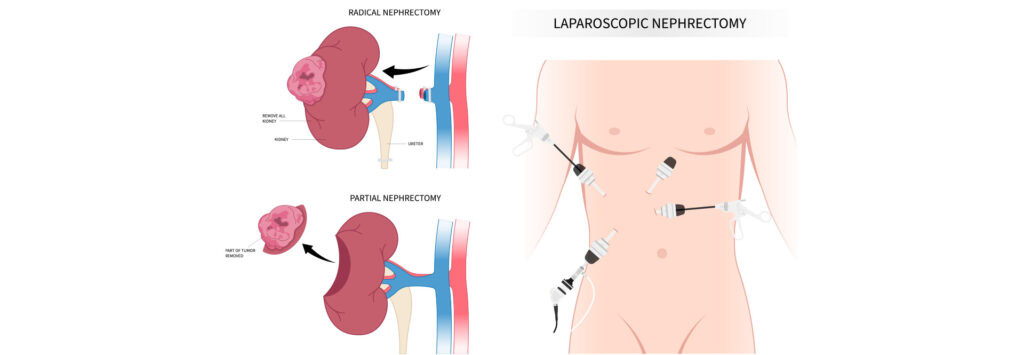
1. Radical Nephrectomy
Radical nephrectomy involves the complete removal of the kidney along with surrounding fatty tissue and sometimes nearby lymph nodes or adrenal glands. This procedure is commonly used in kidney cancer treatment.
2. Partial Nephrectomy
Partial nephrectomy removes only the damaged or cancerous part of the kidney while preserving healthy tissue. It is often preferred for smaller tumors or when maintaining kidney function is important.
3. Simple Nephrectomy
Simple nephrectomy involves removal of the entire kidney without removing surrounding structures. It is typically performed for non-functioning kidneys or severe infections.
4. Laparoscopic Nephrectomy
Laparoscopic nephrectomy is a minimally invasive procedure performed through small incisions using specialized instruments and a camera system. It offers faster recovery and less postoperative discomfort.
5. Robotic-Assisted Nephrectomy
Robotic-assisted surgery provides enhanced precision, better visualization, and improved control during complex kidney procedures.
Common Conditions Requiring Nephrectomy
Medical Situations That May Need Kidney Removal
Doctors may recommend nephrectomy for several serious kidney conditions, including:
- Kidney cancer
- Severe kidney trauma
- Non-functioning kidney
- Polycystic kidney disease
- Congenital kidney abnormalities
- Chronic kidney infections
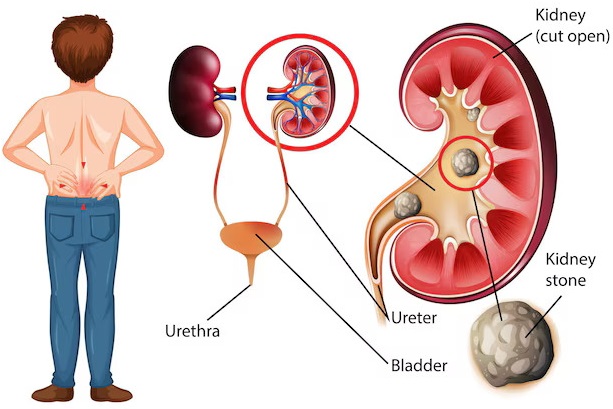
- Kidney obstruction causing irreversible damage
- Donor nephrectomy for transplantation
Early diagnosis and timely surgical intervention often improve treatment outcomes significantly.
Symptoms That May Indicate Kidney Problems
Warning Signs Patients Should Not Ignore
Kidney disorders requiring nephrectomy may produce symptoms such as:
- Persistent flank or back pain
- Blood in urine
- Unexplained weight loss
- Fatigue and weakness
- Frequent urinary infections
- Fever associated with kidney infection
- Swelling in legs or ankles
- High blood pressure
However, some kidney tumors may remain asymptomatic in early stages, which is why imaging studies are extremely important.
Diagnostic Evaluation Before Nephrectomy
Tests and Imaging Used Before Surgery
Before recommending nephrectomy, physicians conduct detailed diagnostic evaluations to assess kidney health and overall patient condition.
Common diagnostic methods include:
- Ultrasound examination
- CT scan
- MRI scan
- Kidney function tests
- Blood investigations
- Urine analysis
- Biopsy in selected cases
These evaluations help surgeons determine the safest and most effective surgical approach.
How Nephrectomy Surgery Is Performed
Step-by-Step Overview of the Surgical Procedure
The nephrectomy procedure generally follows these steps:
- Administration of general anesthesia
- Patient positioning for surgical access
- Creation of incisions
- Isolation of kidney blood vessels
- Removal of the kidney or affected tissue
- Bleeding control and closure
In minimally invasive procedures, surgeons use specialized laparoscopic or robotic instruments to perform the operation through smaller incisions.
As a result, patients often experience reduced pain and shorter hospital stays.
Benefits of Modern Nephrectomy Techniques
Advantages of Minimally Invasive Kidney Surgery
Modern nephrectomy procedures offer several important benefits:
- Smaller surgical incisions
- Reduced blood loss
- Faster recovery
- Less postoperative pain
- Shorter hospitalization
- Lower infection risk
- Better cosmetic outcomes
Additionally, robotic-assisted systems provide improved surgical accuracy during delicate procedures.
Risks and Possible Complications of Nephrectomy
Understanding Potential Surgical Risks
Although nephrectomy is generally safe, certain complications may occur, including:
- Bleeding
- Infection
- Injury to surrounding organs
- Blood clots
- Urine leakage
- Breathing complications
- Reduced kidney function
Proper surgical planning and postoperative monitoring help minimize these risks.
Recovery After Kidney Removal Surgery
Postoperative Care and Healing Process
Recovery time depends on the surgical method and the patient’s overall health.
Patients are usually advised to:
- Stay hydrated
- Avoid heavy lifting
- Follow prescribed medications
- Attend follow-up appointments
- Maintain a healthy diet
- Monitor blood pressure regularly
Most laparoscopic nephrectomy patients recover faster than those undergoing open surgery.
Furthermore, many individuals continue living healthy lives with one functioning kidney.
Lifestyle After Nephrectomy
Long-Term Health Management After Kidney Removal
After nephrectomy, maintaining kidney health becomes extremely important.
Doctors often recommend:
- Limiting salt intake
- Staying physically active
- Avoiding smoking
- Managing diabetes and hypertension
- Regular kidney function monitoring
- Maintaining healthy body weight
With proper care, the remaining kidney usually adapts well and supports normal body function.
Technological Advancements in Nephrectomy
Innovations Improving Surgical Outcomes
Modern urology has introduced advanced technologies that improve nephrectomy outcomes, including:
- High-definition laparoscopic imaging
- Robotic-assisted surgery
- Advanced vessel sealing devices
- Precision energy systems
- Enhanced recovery protocols
These innovations continue to improve patient safety and surgical precision worldwide.
Importance of Surgical Instruments in Nephrectomy
Specialized Urology Instruments Supporting Safe Procedures
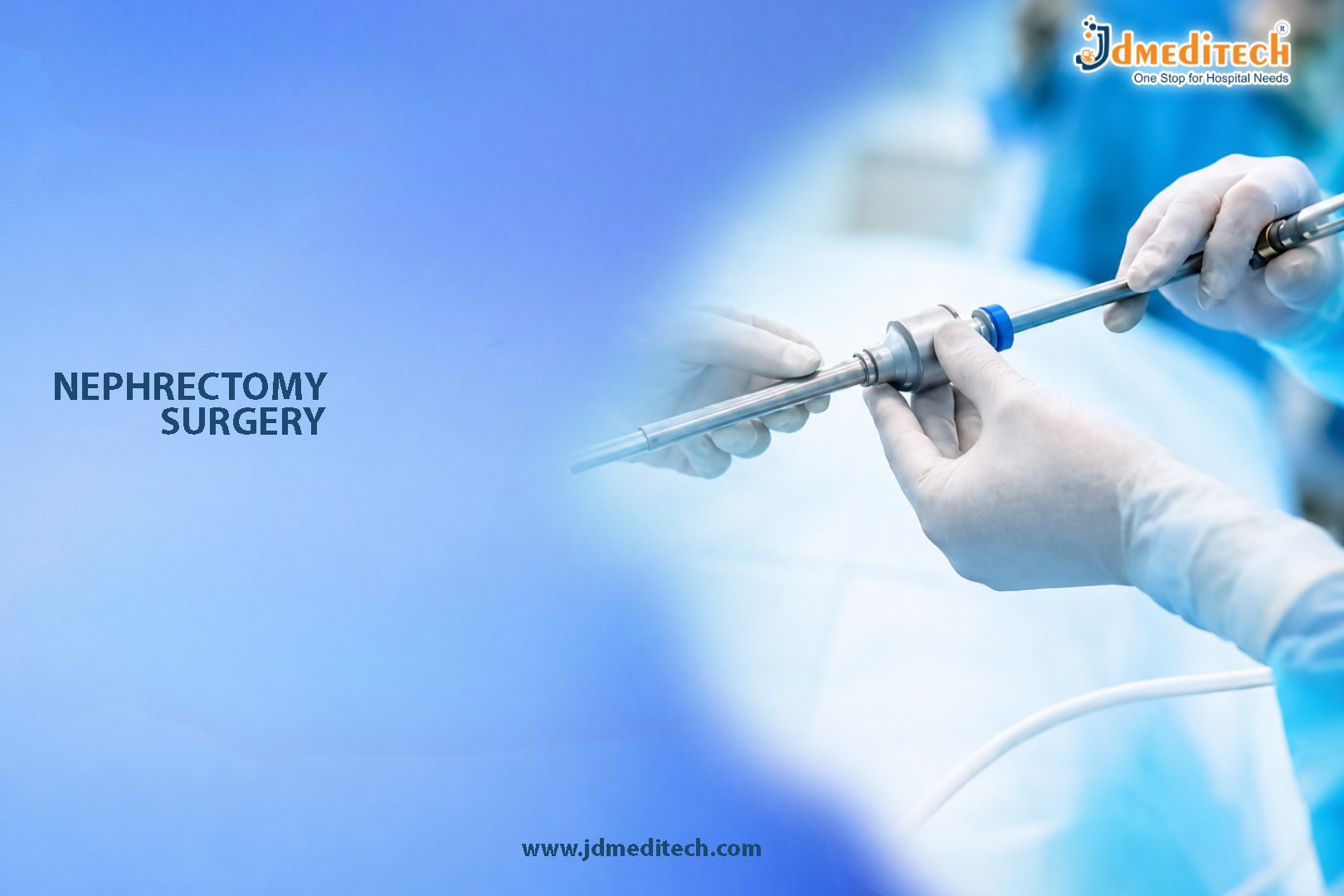
Nephrectomy procedures require highly specialized surgical instruments for safe tissue handling, vessel control, and accurate dissection.
Commonly used instruments include:
- Laparoscopic graspers
- Scissors and dissectors
- Trocars and cannulas
- Suction-irrigation systems
- Hemostatic instruments
- Energy devices
- Needle holders
High-quality surgical instruments contribute significantly to procedural success and patient safety.
Choosing the Right Healthcare Facility for Nephrectomy
Factors to Consider Before Surgery
Patients should select a healthcare facility that offers:
- Experienced urologic surgeons
- Advanced laparoscopic and robotic systems
- Comprehensive diagnostic support
- Skilled postoperative care teams
- Strong infection control standards
Choosing an experienced surgical center often leads to better treatment outcomes and smoother recovery.
Conclusion
Nephrectomy is a critical surgical procedure used to treat serious kidney diseases, including cancer, severe damage, and non-functioning kidneys. With advancements in laparoscopic and robotic-assisted surgery, kidney removal procedures have become safer, more precise, and less invasive.
Early diagnosis, expert surgical care, and proper postoperative management are essential for successful outcomes. Additionally, maintaining long-term kidney health through lifestyle management and regular monitoring helps patients continue living healthy and active lives after surgery.
Get Connected:
+91 79909 93062 | +91 63513 72032 | exports@jdmeditech.com