Laparoscopic nephrectomy is a minimally invasive surgical procedure used to remove all or part of a kidney through small abdominal incisions using advanced laparoscopic instruments and a high-definition camera system. This modern technique has transformed urologic surgery by offering improved precision, reduced postoperative pain, faster recovery, and shorter hospital stays compared to traditional open surgery.
Today, laparoscopic nephrectomy is widely performed for kidney cancer, non-functioning kidneys, severe kidney damage, and kidney donation procedures. Because of its minimally invasive nature, the procedure has become a preferred option for both surgeons and patients worldwide.
With continuous advancements in laparoscopic technology and surgical expertise, renal excision procedures have become safer, more effective, and highly accurate.
What Is Laparoscopic Nephrectomy?
Understanding the Procedure and Its Purpose
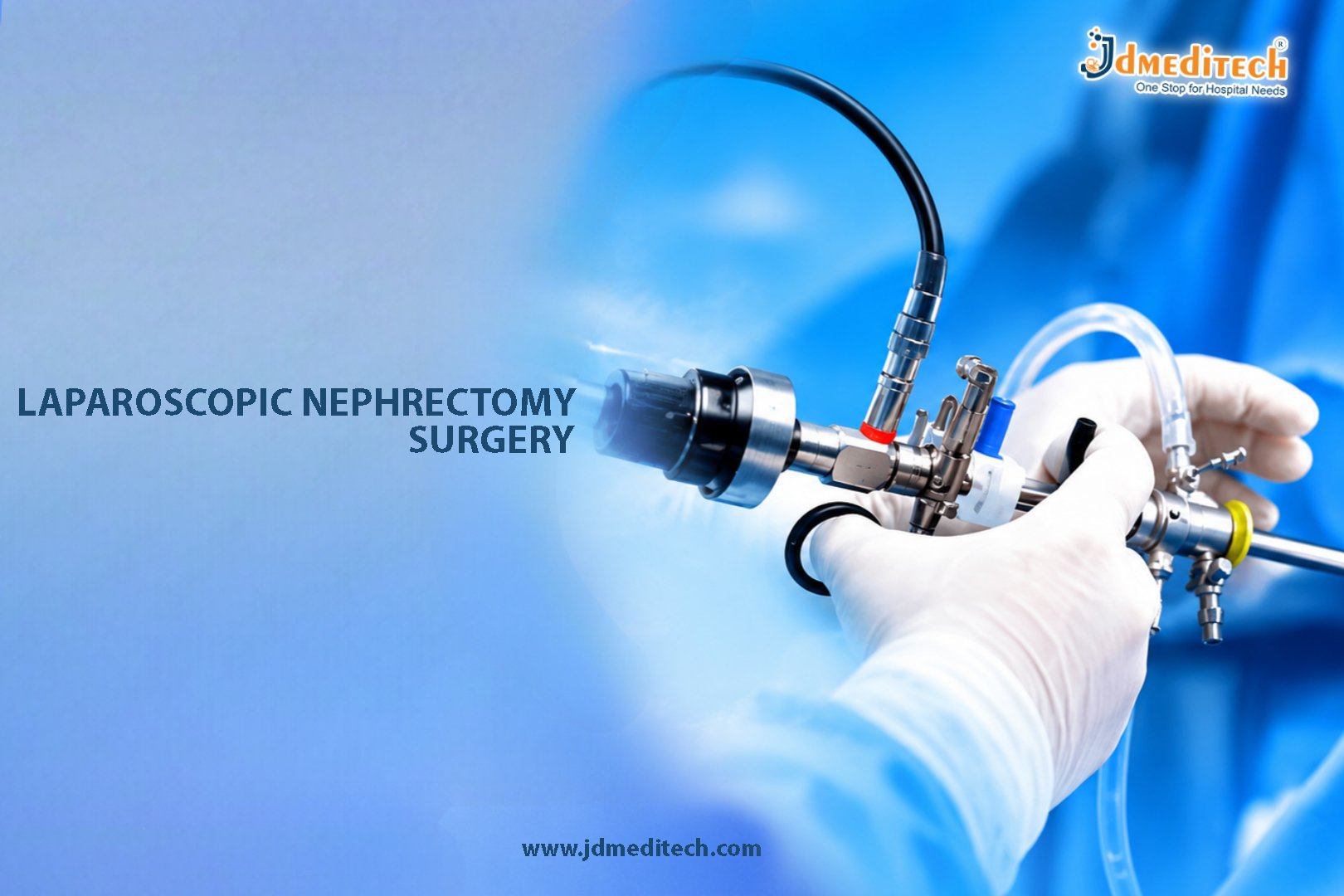
Laparoscopic nephrectomy is a surgical technique in which surgeons remove the kidney using specialized laparoscopic instruments inserted through small incisions. A laparoscope equipped with a camera provides magnified internal visualization, allowing surgeons to perform delicate dissections with exceptional accuracy.
The procedure may involve:
- Complete kidney removal
- Partial kidney removal
- Donor kidney extraction
- Removal of diseased or damaged renal tissue
Compared to open nephrectomy, laparoscopic surgery causes less trauma to surrounding tissues and significantly improves postoperative recovery.
Types of Laparoscopic Nephrectomy
Different Surgical Approaches in Renal Surgery
Several forms of laparoscopic nephrectomy are performed depending on the patient’s condition and surgical goals.
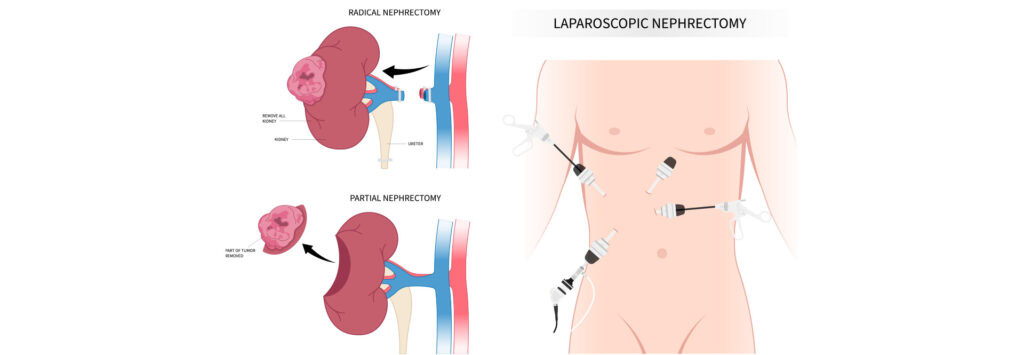
1. Laparoscopic Radical Nephrectomy
This procedure involves complete removal of the kidney along with surrounding fatty tissue and, in some cases, nearby lymph nodes. It is commonly used for treating kidney cancer.
2. Laparoscopic Partial Nephrectomy
Partial nephrectomy removes only the affected portion of the kidney while preserving healthy renal tissue. This approach helps maintain kidney function whenever possible.
3. Laparoscopic Simple Nephrectomy
Simple nephrectomy involves removal of a non-functioning or severely damaged kidney without extensive tissue dissection.
4. Laparoscopic Donor Nephrectomy
This technique is used during kidney transplantation procedures to safely remove a healthy donor kidney.
Common Indications for Laparoscopic Nephrectomy
Medical Conditions Requiring Kidney Removal
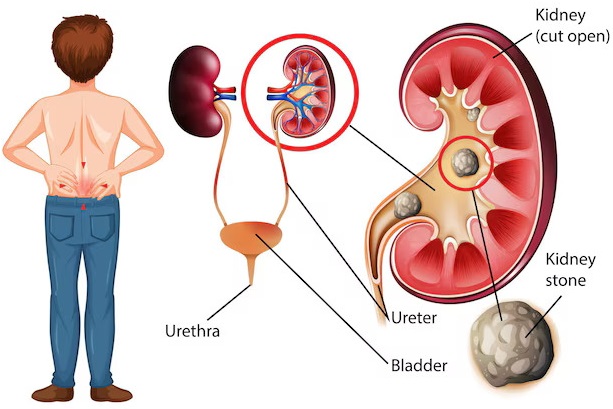
Doctors may recommend laparoscopic nephrectomy for several renal conditions, including:
- Kidney cancer
- Severe kidney trauma
- Non-functioning kidney
- Congenital kidney abnormalities
- Chronic kidney infections
- Polycystic kidney disease
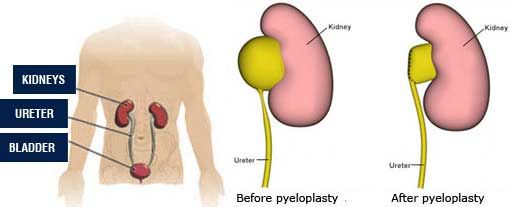
- Obstructed kidney causing irreversible damage
- Living kidney donation
Early diagnosis and proper treatment planning are essential for successful surgical outcomes.
Advantages of Laparoscopic Nephrectomy
Benefits of Minimally Invasive Kidney Surgery
Laparoscopic nephrectomy offers several important clinical and surgical advantages.
Reduced Postoperative Pain
Because the surgery uses smaller incisions, patients experience significantly less pain after the procedure.
Faster Recovery
Most patients recover more quickly and return to normal activities sooner than with open surgery.
Smaller Surgical Scars
The minimally invasive approach results in smaller and more cosmetically acceptable scars.
Shorter Hospital Stay
Patients often leave the hospital earlier due to faster healing and reduced complications.
Lower Blood Loss
Advanced laparoscopic instruments help surgeons achieve better bleeding control during surgery.
Reduced Infection Risk
Smaller incisions decrease the likelihood of wound-related complications and infections.
Surgical Instruments Used in Laparoscopic Nephrectomy
Essential Laparoscopic Equipment Supporting Precision Surgery
Modern laparoscopic nephrectomy relies on specialized surgical instruments designed for safe tissue handling and precise renal excision.
Commonly used instruments include:
- Laparoscope with HD camera system
- Trocars and cannulas
- Laparoscopic graspers
- Dissectors and scissors
- Energy sealing devices
- Suction-irrigation systems
- Clip appliers
- Needle holders
- Specimen retrieval bags
These advanced instruments improve surgical visualization, precision, and procedural efficiency.
Preoperative Evaluation Before Surgery
Diagnostic Preparation and Patient Assessment
Before performing laparoscopic nephrectomy, surgeons conduct detailed evaluations to determine patient suitability for surgery.
Common assessments include:
- CT scan
- MRI imaging
- Ultrasound examination
- Kidney function tests
- Blood investigations
- Urine analysis
- Cardiac evaluation if necessary
These evaluations help surgeons plan the safest surgical approach and minimize complications.
Step-by-Step Laparoscopic Nephrectomy Procedure
How the Surgery Is Performed
The procedure generally follows these stages:
- Administration of general anesthesia
- Placement of laparoscopic ports
- Introduction of the laparoscope and surgical instruments
- Careful dissection of the kidney
- Identification and control of renal blood vessels
- Removal of the kidney or affected tissue
- Specimen extraction through a small incision
- Closure of surgical incisions
Throughout the procedure, surgeons use magnified laparoscopic visualization for enhanced accuracy and safety.
Recovery After Laparoscopic Nephrectomy
Postoperative Care and Healing Process
Recovery following laparoscopic nephrectomy is generally faster than traditional open surgery.
Patients are advised to:
- Stay hydrated
- Walk regularly after surgery
- Avoid heavy lifting temporarily
- Follow medication instructions
- Attend follow-up appointments
- Maintain healthy kidney function
Most patients resume normal daily activities within a few weeks depending on their overall health condition.
Risks and Possible Complications
Understanding Potential Surgical Challenges
Although laparoscopic nephrectomy is considered safe, certain risks may occur, including:
- Bleeding
- Infection
- Injury to surrounding organs
- Blood clots
- Urine leakage
- Conversion to open surgery in difficult cases
- Temporary pain or discomfort
Experienced surgeons and proper postoperative care help reduce these complications significantly.
Technological Advancements in Laparoscopic Kidney Surgery
Innovations Improving Surgical Precision
Modern urology continues to benefit from advanced laparoscopic technologies, including:
- High-definition imaging systems
- 3D laparoscopic visualization
- Robotic-assisted laparoscopic surgery
- Advanced vessel-sealing technologies
- Enhanced ergonomic surgical instruments
These innovations improve procedural safety, surgeon control, and patient outcomes.
Lifestyle After Kidney Removal Surgery
Maintaining Long-Term Kidney Health
Patients who undergo nephrectomy can often live healthy and active lives with one functioning kidney.
Doctors typically recommend:
- Maintaining healthy blood pressure
- Staying physically active
- Avoiding smoking
- Following a balanced diet
- Monitoring kidney function regularly
- Limiting excessive salt intake
Proper lifestyle management supports long-term renal health and overall well-being.
Why Choose Laparoscopic Nephrectomy?
The Growing Preference for Minimally Invasive Renal Surgery
Laparoscopic nephrectomy has become a preferred surgical option because it combines precision, safety, and faster patient recovery. Compared to conventional open surgery, it offers improved cosmetic outcomes and reduced physical trauma while maintaining excellent surgical effectiveness.
As minimally invasive surgical technology continues to evolve, laparoscopic nephrectomy remains a highly reliable solution for various kidney conditions.
Conclusion
Laparoscopic nephrectomy is an advanced minimally invasive surgical technique designed for safe and accurate renal excision. The procedure offers numerous benefits, including reduced pain, faster recovery, smaller incisions, and lower complication rates.
With modern laparoscopic instruments, high-definition imaging systems, and improved surgical expertise, kidney removal procedures have become more precise and patient-friendly than ever before. Early diagnosis, expert surgical care, and proper postoperative management are essential for achieving successful long-term outcomes.
Get Connected:
+91 79909 93062 | +91 63513 72032 | exports@jdmeditech.com