
Pyeloplasty surgery is a highly effective urological procedure performed to correct ureteropelvic junction (UPJ) obstruction, a condition that blocks the normal flow of urine from the kidney to the ureter. This obstruction can lead to kidney swelling, pain, recurrent infections, and gradual loss of renal function if left untreated.
With advancements in minimally invasive urology, pyeloplasty surgery has become safer, more precise, and highly successful. Surgeons now commonly perform laparoscopic pyeloplasty and robotic-assisted pyeloplasty to achieve accurate UPJ correction while minimizing patient discomfort and recovery time.
This article explains pyeloplasty surgery, its indications, surgical techniques, benefits, instruments used, and postoperative recovery while maintaining strong SEO and readability standards.
What Is Pyeloplasty Surgery?
Understanding Ureteropelvic Junction Obstruction
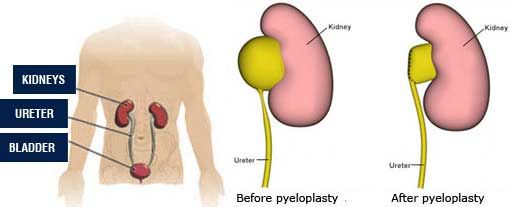
Pyeloplasty surgery is a reconstructive urologic procedure designed to remove or repair the narrowed or blocked section at the ureteropelvic junction. The UPJ is the point where the renal pelvis connects to the ureter.
When this area becomes obstructed, urine cannot drain properly from the kidney. As a result, pressure builds up inside the kidney, causing hydronephrosis and possible kidney damage.
Therefore, pyeloplasty restores smooth urine flow by reconstructing the narrowed segment and reconnecting the healthy ureter to the renal pelvis.
Common Causes of UPJ Obstruction
Several conditions may lead to UPJ obstruction, including:
- Congenital narrowing of the UPJ
- Crossing blood vessels compressing the ureter
- Scar tissue formation
- Kidney stones
- Previous surgeries
- Inflammation or infection
Moreover, the condition may affect both children and adults.
Symptoms Indicating the Need for Pyeloplasty
Signs of Ureteropelvic Junction Obstruction
Patients with UPJ obstruction may experience mild or severe symptoms depending on the degree of blockage.
Common Symptoms Include:
- Flank or abdominal pain
- Recurrent urinary tract infections
- Nausea and vomiting
- Hematuria (blood in urine)
- Kidney swelling
- Fever associated with infection
- Reduced kidney function
- Pain after fluid intake
Additionally, some cases are diagnosed incidentally during ultrasound or CT imaging.
Types of Pyeloplasty Surgery
Surgical Approaches for UPJ Correction
Modern pyeloplasty procedures can be performed using different surgical techniques depending on patient condition and surgeon preference.
Open Pyeloplasty
Traditional open pyeloplasty involves a larger incision to directly access the kidney and ureter. Although highly effective, it usually requires longer recovery and increased postoperative discomfort.
Laparoscopic Pyeloplasty
Laparoscopic pyeloplasty uses small incisions and specialized instruments to reconstruct the UPJ with minimal tissue trauma.
Benefits include:
- Reduced postoperative pain
- Smaller scars
- Faster recovery
- Shorter hospital stay
- Lower risk of infection
Robotic-Assisted Pyeloplasty
Robotic-assisted pyeloplasty offers enhanced dexterity, magnified visualization, and improved surgical precision.
Consequently, robotic systems help surgeons perform delicate suturing and reconstruction more efficiently.
Surgical Procedure of Pyeloplasty
Step-by-Step Overview
Pyeloplasty surgery follows a systematic approach to ensure safe and effective UPJ reconstruction.
Patient Preparation
Before surgery, the patient undergoes:
- Blood investigations
- Imaging studies
- Urine analysis
- Anesthesia evaluation
Additionally, prophylactic antibiotics may be administered.
Surgical Access
The surgeon creates access through either open, laparoscopic, or robotic techniques.
Identification of the Obstruction
The narrowed UPJ segment is carefully identified. If crossing vessels are present, they are preserved and repositioned appropriately.
Excision of the Narrowed Segment
The diseased or obstructed segment is excised to eliminate blockage.
Reconstruction
The healthy ureter is reattached to the renal pelvis using fine sutures to create a wide and tension-free junction.
Stent Placement
A ureteral stent is commonly inserted to maintain drainage during healing.
Closure
Finally, the surgical site is closed carefully, and the patient is shifted to recovery.
Instruments Used in Pyeloplasty Surgery
Essential Urology Surgical Instruments
Successful pyeloplasty depends on advanced surgical instruments that ensure accuracy and safe tissue handling.
Commonly Used Instruments Include:
- Laparoscope
- Trocar and cannula systems
- Needle holders
- Graspers and dissectors
- Scissors
- Suction-irrigation devices
- Ureteral stents
- Energy devices
- Suturing instruments
Furthermore, high-definition imaging systems improve intraoperative visualization.
Advantages of Pyeloplasty Surgery
Why Pyeloplasty Is Highly Effective
Pyeloplasty remains the gold standard treatment for UPJ obstruction because of its high success rates and long-term outcomes.
Major Benefits Include:
- Restoration of normal urine flow
- Relief from flank pain
- Preservation of kidney function
- Reduced infection risk
- Minimally invasive options available
- Faster patient recovery
- Excellent long-term success rates
Additionally, minimally invasive techniques significantly reduce surgical trauma.
Recovery After Pyeloplasty Surgery
Postoperative Care and Healing
Recovery depends on the surgical method used and the patient’s overall health.
Immediate Postoperative Care
Patients are monitored for:
- Pain control
- Urine output
- Bleeding
- Infection signs
- Stent function
Recovery Timeline
Most laparoscopic and robotic pyeloplasty patients recover within a few weeks.
However, open surgery may require a longer healing period.
Follow-Up
Imaging studies are usually performed after surgery to confirm successful drainage and kidney function improvement.
Moreover, ureteral stents are generally removed after several weeks.
Risks and Complications of Pyeloplasty Surgery
Understanding Possible Surgical Risks
Although pyeloplasty is generally safe, certain complications may occur.
Potential Risks Include:
- Bleeding
- Infection
- Urine leakage
- Stent discomfort
- Recurrent obstruction
- Injury to surrounding organs
- Anesthesia-related complications
Nevertheless, experienced surgeons and advanced minimally invasive technology significantly reduce these risks.
Role of Minimally Invasive Urology in Modern Pyeloplasty
Advancements Improving Surgical Outcomes
Modern urology has transformed pyeloplasty into a highly precise and patient-friendly procedure.
Key Technological Advancements
- High-definition laparoscopy
- Robotic surgical platforms
- Enhanced suturing systems
- Better imaging guidance
- Advanced energy devices
As a result, surgeons can achieve accurate ureteropelvic junction correction with improved patient safety.
Choosing the Right Surgical Instruments for Pyeloplasty
Importance of Precision Urology Devices
High-quality surgical instruments play a critical role in successful pyeloplasty procedures.
Essential Features Include:
- Ergonomic handling
- Fine dissection capability
- Reliable tissue control
- Durable construction
- Minimally invasive compatibility
Therefore, hospitals and surgeons should choose trusted surgical instrument manufacturers for consistent operative performance.
Conclusion
Pyeloplasty surgery is an advanced reconstructive urological procedure that effectively treats ureteropelvic junction obstruction while preserving kidney function and improving urinary drainage. With the evolution of laparoscopic and robotic-assisted techniques, surgeons can now perform accurate UPJ correction with minimal invasiveness and excellent clinical outcomes.
Additionally, the use of high-performance urology instruments enhances surgical precision, safety, and patient recovery. As minimally invasive urology continues to evolve, pyeloplasty remains one of the most successful procedures for restoring healthy kidney drainage and improving patient quality of life.
Get Connected:
+91 79909 93062 | +91 63513 72032 | exports@jdmeditech.com