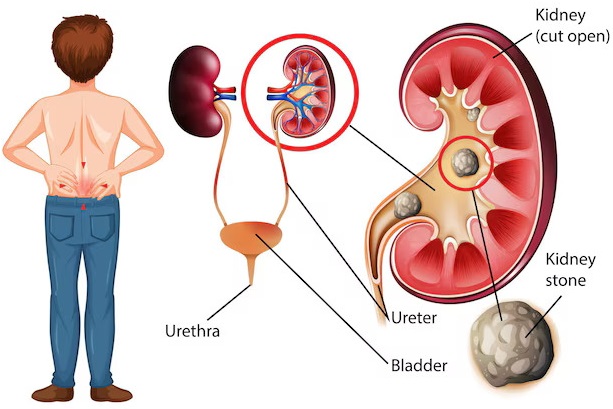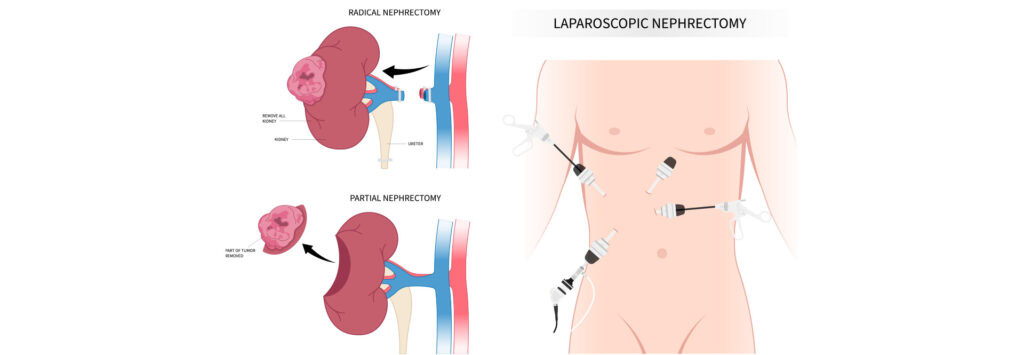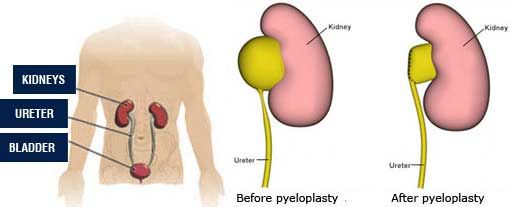

Kidney stones can cause severe pain, urinary blockage, and long-term kidney complications if they are not treated properly. Although smaller stones may pass naturally, larger or complex stones often require advanced surgical treatment. In such situations, Percutaneous Nephrolithotomy Surgery (PCNL) becomes one of the most effective minimally invasive solutions for safe and accurate stone removal.
Today, PCNL is widely preferred because it offers high stone clearance rates, smaller incisions, faster recovery, and improved patient comfort. Moreover, continuous advancements in urology instruments and imaging technology have significantly enhanced surgical precision and patient safety. As a result, surgeons can now perform kidney stone removal procedures more efficiently than ever before.
This article explains the procedure, benefits, indications, surgical techniques, recovery process, and importance of Percutaneous Nephrolithotomy Surgery in modern urology.
What is Percutaneous Nephrolithotomy Surgery?
A Minimally Invasive Kidney Stone Removal Procedure
Percutaneous Nephrolithotomy Surgery, commonly known as PCNL, is a minimally invasive surgical procedure used to remove large or complex kidney stones directly from the kidney.
During the procedure, the surgeon creates a small access tract through the patient’s back into the kidney. Afterward, a nephroscope is inserted through the tract to visualize, fragment, and remove the stones precisely. Consequently, large stones can be removed effectively without the need for major open surgery.
PCNL is commonly recommended for:
- Kidney stones larger than 2 cm
- Staghorn calculi
- Hard stones resistant to ESWL
- Multiple kidney stones
- Recurrent renal stones
- Complex urinary tract stones
Therefore, PCNL has become the gold-standard treatment for large and difficult kidney stones.
Why is Percutaneous Nephrolithotomy Surgery Needed?
Conditions That Require PCNL
Not all kidney stones can pass naturally or respond to medication. In many cases, large stones block urine flow and increase pressure inside the kidney. Consequently, patients may experience severe pain, repeated infections, or reduced kidney function.
Doctors usually recommend PCNL for patients with:
- Persistent kidney stone pain
- Urinary obstruction
- Recurrent urinary tract infections
- Hydronephrosis
- Reduced kidney function
- Failed shockwave lithotripsy treatment
Furthermore, untreated kidney stones may lead to long-term complications and permanent kidney damage. Therefore, timely surgical treatment becomes extremely important for preserving renal health.
How Percutaneous Nephrolithotomy Surgery is Performed
Step-by-Step Surgical Procedure
PCNL is performed under general anesthesia using advanced imaging guidance. In addition, modern surgical instruments help surgeons achieve greater procedural accuracy and safety.
1. Patient Positioning
First, the patient is positioned carefully to provide safe and effective access to the kidney.
2. Creating Kidney Access
Next, the surgeon inserts a fine needle into the kidney through a small incision made in the back. At the same time, fluoroscopy or ultrasound guidance is used to ensure accurate access placement.
3. Dilating the Tract
After successful access, the tract is gradually enlarged using specialized dilators. As a result, surgical instruments can be introduced safely into the kidney.
Commonly used dilators include:
- Amplatz Dilators
- Fascial Dilators
- Balloon Dilators
4. Inserting the Nephroscope
Then, a nephroscope is inserted through the access sheath to directly visualize the kidney stone. This step significantly improves procedural precision and visibility.
5. Stone Fragmentation
Once the stone is identified, it is broken into smaller fragments using advanced lithotripsy devices such as:
- Laser lithotripters
- Pneumatic lithotripters
- Ultrasonic lithotripters
Consequently, large stones can be removed more efficiently and safely.
6. Stone Removal
Subsequently, the fragmented stones are removed using forceps, graspers, or suction systems. In this way, the surgeon ensures maximum stone clearance.
7. Drainage Placement
Finally, a nephrostomy tube or ureteral stent may be placed temporarily to support drainage and postoperative healing.
Benefits of Percutaneous Nephrolithotomy Surgery
Why PCNL is Preferred for Large Kidney Stones
PCNL offers several advantages compared to traditional open surgery and other stone treatment methods. Because of its minimally invasive approach, patients usually experience less discomfort and faster recovery.
Major benefits include:
- Minimally invasive procedure
- High stone clearance rates
- Small surgical incision
- Reduced postoperative pain
- Faster recovery
- Shorter hospital stay
- Lower complication risk
- Better preservation of kidney function
Additionally, modern imaging systems improve procedural precision while enhancing surgical safety. Therefore, PCNL continues to remain a preferred option for complex kidney stone treatment.
Types of Percutaneous Nephrolithotomy Procedures
Different PCNL Techniques
Depending on the patient’s condition and stone size, surgeons may choose different PCNL approaches. As technology continues to evolve, more advanced and less invasive options are becoming available.
Standard PCNL
This technique is commonly used for very large or complex kidney stones.
Mini-PCNL
Mini-PCNL uses smaller access tracts. Therefore, it helps reduce tissue trauma, bleeding, and postoperative discomfort.
Ultra-Mini PCNL
This approach is designed for moderate-sized stones using finer surgical instruments. Consequently, recovery may become even faster.
Micro-PCNL
Micro-PCNL is an extremely minimally invasive option used for selected smaller stones. In particular, it is useful in carefully selected patients requiring highly precise access.
Instruments Used in PCNL Surgery
Essential Urology Instruments
High-quality instruments are essential for accurate and efficient stone removal. Moreover, precision-engineered devices improve surgical control and procedural success.
Common PCNL instruments include:
- PCNL Access Needles
- Guidewires
- Amplatz Sheaths
- Nephroscopes
- Stone Grasping Forceps
- Lithotripsy Devices
- Suction-Irrigation Systems
- Nephrostomy Tubes
In addition, advanced instrument design helps surgeons improve visibility and reduce tissue trauma during surgery.
Recovery After Percutaneous Nephrolithotomy Surgery
Healing and Postoperative Care
Most patients recover relatively quickly after PCNL. Compared to open surgery, recovery is generally faster, safer, and more comfortable.
Recovery usually includes:
- Hospital stay of 1–3 days
- Mild postoperative discomfort
- Temporary urinary drainage
- Follow-up imaging tests
- Gradual return to daily activities
Additionally, doctors usually advise patients to:
- Drink plenty of water
- Follow dietary recommendations
- Take prescribed medications
- Attend follow-up appointments regularly
As a result, proper postoperative care helps reduce the risk of future stone formation and supports long-term urinary health.
Risks and Possible Complications
Understanding Procedure Safety
Although PCNL is considered safe and highly effective, certain complications may still occur in some cases. However, these risks are significantly lower when the procedure is performed using advanced technology and proper surgical techniques.
Possible risks include:
- Bleeding
- Infection
- Fever
- Urine leakage
- Injury to nearby organs
- Residual stone fragments
Nevertheless, modern imaging systems, improved surgical techniques, and high-quality instruments have greatly minimized complication rates.
Technological Advancements in PCNL
Modern Innovations in Kidney Stone Surgery
Modern urology continues to evolve rapidly. Consequently, PCNL procedures have become safer, more precise, and less invasive.
Recent advancements include:
- High-definition nephroscopes
- Laser stone fragmentation systems
- Digital imaging technology
- Ultrasound-guided access
- Miniaturized PCNL instruments
- Advanced suction systems
Because of these innovations, surgeons can achieve excellent stone clearance while minimizing tissue damage and recovery time.
Importance of High-Quality PCNL Instruments
Supporting Better Surgical Outcomes
Reliable surgical instruments play a major role in successful kidney stone surgery. Therefore, healthcare facilities increasingly prioritize premium-quality urology devices.
Premium-quality instruments provide:
- Accurate kidney access
- Better visualization
- Improved stone handling
- Reduced tissue trauma
- Enhanced surgical precision
- Long-term durability
Furthermore, high-performance instruments help improve procedural efficiency and overall patient safety.
Conclusion
Percutaneous Nephrolithotomy Surgery is one of the most advanced and effective procedures for removing large and complex kidney stones. Because of its minimally invasive approach, surgeons can achieve high stone clearance while minimizing patient discomfort and recovery time.
Furthermore, continuous advancements in nephroscopy, imaging systems, and lithotripsy technology continue to improve surgical precision and patient safety. As a result, PCNL remains a trusted and highly effective solution in modern kidney stone management.
With proper diagnosis, advanced instruments, and experienced surgical expertise, patients can achieve optimal treatment outcomes and improved urinary health.
Get Connected:
+91 79909 93062 | +91 63513 72032 | exports@jdmeditech.com