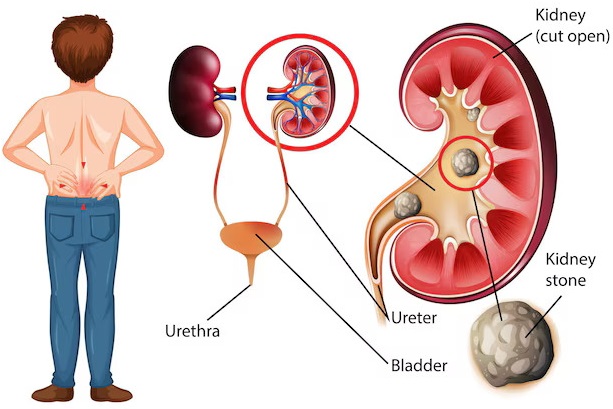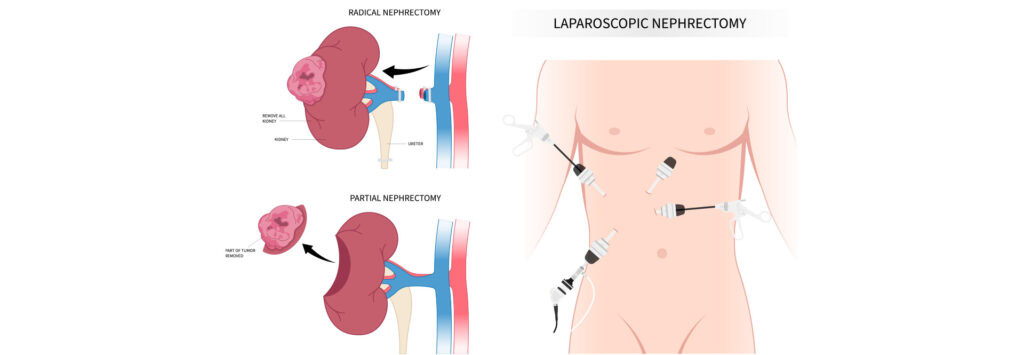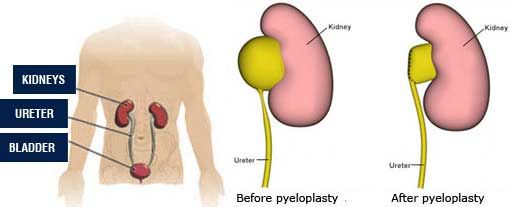

Open renal stone surgery is a specialized surgical procedure performed to remove large, complex, or difficult kidney stones that cannot be treated effectively through minimally invasive techniques. Although advanced procedures such as PCNL, URS, and laser lithotripsy are widely used today, open surgery still plays an important role in selected complex cases.
This surgical approach allows direct access to the kidney and urinary tract, enabling surgeons to remove stones safely and completely. As a result, it remains a reliable option for patients with severe stone burden, anatomical abnormalities, recurrent stones, or failed previous procedures.
Moreover, modern surgical techniques and improved perioperative care have significantly enhanced patient safety, surgical precision, and recovery outcomes.
What is Open Renal Stone Surgery?
Understanding the Procedure
Open renal stone surgery is a traditional surgical method in which the surgeon makes an incision in the flank or abdominal region to directly access the kidney and remove renal calculi. Unlike minimally invasive methods, this approach provides maximum exposure and direct visualization of the stone and surrounding structures.
The surgery may involve:
- Pyelolithotomy (removal of stones from the renal pelvis)
- Nephrolithotomy (removal of stones directly from kidney tissue)
- Extended stone extraction procedures for complex calculi
Therefore, this procedure is often reserved for highly challenging stone cases where other treatments are unlikely to achieve complete clearance.
When is Open Kidney Stone Surgery Recommended?
Clinical Indications for Open Surgery
Although minimally invasive procedures are preferred in most cases, open renal stone surgery may be recommended under specific conditions, including:
- Very large staghorn calculi
- Complex multiple kidney stones
- Anatomical abnormalities of the urinary tract
- Failed PCNL or endoscopic procedures
- Obstructive kidney stones causing severe damage
- Stones associated with ureteric strictures
- Non-functioning kidney requiring simultaneous correction
- Recurrent stones resistant to other treatments
In such situations, open surgery offers direct stone removal with improved control and visibility.
Types of Open Renal Stone Surgery
Common Surgical Approaches
Several surgical techniques may be used depending on the stone location, size, and patient condition.
Pyelolithotomy
This procedure involves opening the renal pelvis to remove stones located within the collecting system.
Nephrolithotomy
In this approach, the surgeon makes an incision directly into the kidney tissue to extract deeply embedded stones.
Anatrophic Nephrolithotomy
This advanced technique is commonly used for large staghorn stones and aims to preserve kidney function while ensuring complete stone removal.
Combined Reconstructive Procedures
In some cases, surgeons may simultaneously correct urinary tract abnormalities while removing stones.
How Open Renal Stone Surgery is Performed
Step-by-Step Surgical Process
The procedure is performed under general anesthesia in a fully equipped surgical setting.
Preoperative Evaluation
Before surgery, the patient undergoes:
- Blood investigations
- Urine analysis
- CT scan or ultrasound imaging
- Kidney function assessment
- Anesthesia evaluation
These tests help surgeons plan the safest and most effective surgical approach.
Surgical Access
The surgeon creates an incision near the flank or abdomen to access the kidney.
Stone Identification and Removal
The kidney or renal pelvis is carefully opened, and stones are removed using specialized surgical instruments.
Inspection and Clearance
The surgeon thoroughly inspects the collecting system to ensure complete stone clearance.
Closure and Drain Placement
Finally, the surgical area is repaired, and drainage tubes may be temporarily placed to support healing.
Benefits of Open Renal Stone Surgery
Why Open Surgery May Still Be Necessary
Despite advancements in minimally invasive urology, open surgery continues to provide important advantages in selected cases.
Complete Stone Removal
Open access allows surgeons to remove very large and complex stones in a single session.
Better Visualization
Direct surgical exposure improves precision during complicated procedures.
Management of Anatomical Problems
Surgeons can simultaneously correct structural abnormalities affecting urinary drainage.
Reduced Need for Multiple Procedures
Unlike some minimally invasive techniques, open surgery may eliminate the need for repeated interventions.
Effective in Failed Cases
It remains highly valuable when previous treatments have been unsuccessful.
Risks and Possible Complications
Understanding Surgical Risks
Like all major surgeries, open renal stone surgery carries certain risks. However, careful surgical planning and postoperative monitoring help minimize complications.
Potential risks include:
- Bleeding
- Infection
- Pain at the incision site
- Urine leakage
- Injury to surrounding organs
- Delayed wound healing
- Temporary reduction in kidney function
Therefore, patients require close follow-up during recovery.
Recovery After Open Renal Stone Surgery
Postoperative Healing and Care
Recovery after open surgery generally takes longer than minimally invasive procedures. However, proper care supports safe healing and optimal outcomes.
Hospital Stay
Most patients remain hospitalized for several days after surgery for monitoring and pain management.
Activity Restrictions
Patients should avoid heavy lifting and strenuous activities during the recovery period.
Hydration and Diet
Adequate fluid intake helps support kidney function and prevent future stone formation.
Follow-Up Imaging
Doctors may recommend ultrasound or CT scans to confirm complete stone clearance.
Preventing Future Kidney Stones
Long-Term Stone Prevention Strategies
After successful surgery, preventive care becomes extremely important to reduce recurrence risk.
Stay Hydrated
Drinking sufficient water helps dilute urine and prevent crystal formation.
Dietary Modifications
Depending on stone composition, patients may need to reduce:
- Excess salt intake
- Oxalate-rich foods
- Animal protein
- Sugary beverages
Regular Medical Monitoring
Routine follow-up allows early detection of recurrent stones.
Metabolic Evaluation
Doctors may perform specialized tests to identify metabolic causes of stone formation.
Open Surgery vs Minimally Invasive Stone Removal
Understanding the Difference
Modern urology primarily favors minimally invasive procedures due to faster recovery and smaller incisions. However, open surgery remains valuable for selected complex situations.
| Feature | Open Surgery | Minimally Invasive Procedures |
| Incision Size | Larger | Small puncture/incision |
| Recovery Time | Longer | Faster |
| Suitable for Complex Stones | Excellent | May require multiple sessions |
| Direct Visualization | Yes | Limited |
| Hospital Stay | Longer | Shorter |
Therefore, treatment selection depends on stone complexity, patient anatomy, and surgical goals.
Choosing the Right Surgical Approach
Importance of Expert Evaluation
Every kidney stone case is unique. Therefore, treatment decisions should always be based on:
- Stone size and location
- Kidney anatomy
- Previous surgical history
- Kidney function
- Overall patient health
Experienced urologists carefully evaluate these factors before recommending the most appropriate procedure.
Conclusion
Open renal stone surgery remains a highly effective and reliable treatment for large, complex, or difficult kidney stones. Although minimally invasive procedures are now commonly preferred, open surgery continues to provide excellent outcomes in carefully selected patients.
With direct surgical access, precise stone removal, and the ability to manage associated anatomical abnormalities, this procedure offers comprehensive treatment for advanced renal stone disease. Furthermore, modern surgical techniques and postoperative care have significantly improved patient safety and recovery.
For patients with severe or recurrent kidney stones, consultation with an experienced urologist is essential to determine the most suitable treatment strategy.
Get Connected:
+91 79909 93062 | +91 63513 72032 | exports@jdmeditech.com