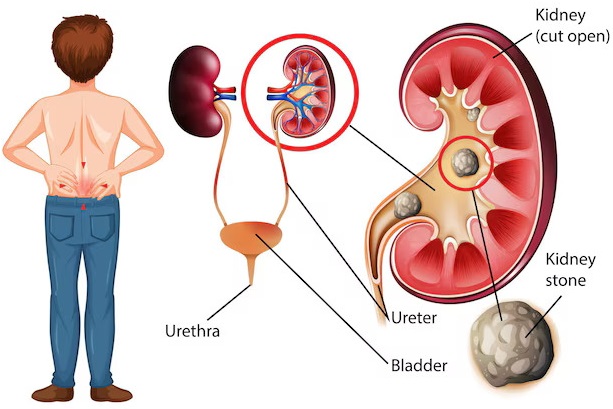
Kidney stones can cause severe pain, urinary problems, and discomfort in daily life. While some small stones pass naturally, larger kidney stones often need advanced medical treatment. Today, modern urology offers several minimally invasive options, and Ultra Mini PCNL Surgery is one of the most advanced among them.
Ultra Mini Percutaneous Nephrolithotomy (Ultra Mini PCNL or UMP) is a highly precise kidney stone removal procedure that uses ultra-small surgical instruments. Because the procedure requires only a tiny access tract, it causes less tissue damage, less bleeding, and faster recovery compared to traditional kidney stone surgeries.
In addition, Ultra Mini PCNL provides excellent stone clearance while improving patient comfort and reducing hospital stay. Therefore, many urologists now prefer this technique for treating moderate-sized kidney stones safely and efficiently.
This detailed guide explains the procedure, benefits, instruments, recovery process, and why Ultra Mini PCNL is becoming a preferred solution for minimally invasive renal stone surgery.
What is Ultra Mini PCNL Surgery?
Ultra Mini PCNL Surgery is a minimally invasive procedure used to remove kidney stones through a very small skin puncture. During the surgery, a miniature nephroscope is inserted into the kidney through a narrow tract to locate and remove stones precisely.
Unlike standard PCNL, Ultra Mini PCNL uses a much smaller access sheath, usually between 11 Fr and 14 Fr. As a result, the surgery causes minimal trauma to kidney tissues while still achieving high stone-free rates.
Moreover, the procedure combines advanced imaging technology with miniaturized surgical instruments, allowing surgeons to perform accurate stone removal with improved safety.
Why Ultra Mini PCNL is Becoming Popular
Modern surgical techniques focus on patient safety, faster healing, and reduced discomfort. Consequently, Ultra Mini PCNL has gained significant popularity in the field of urology.
Several factors contribute to its growing acceptance:
- Smaller surgical incision
- Reduced bleeding risk
- Less postoperative pain
- Faster recovery period
- Shorter hospital stay
- Better cosmetic results
- High surgical precision
- Effective stone clearance
Furthermore, improvements in endoscopic technology have made the procedure more efficient and reliable than ever before.
Conditions Treated with Ultra Mini PCNL Surgery
Medium-Sized Kidney Stones
The procedure is highly effective for renal stones measuring approximately 1–2 cm.
Lower Pole Kidney Stones
Stones located in the lower part of the kidney can be difficult to treat with shockwave therapy. However, Ultra Mini PCNL allows direct access for better stone removal.
Hard Kidney Stones
Certain dense stones do not break easily with non-invasive treatments. In such cases, laser fragmentation during Ultra Mini PCNL provides excellent results.
Multiple Renal Stones
The surgery can remove multiple stones during a single procedure, improving treatment efficiency.
Failed ESWL or Ureteroscopy Cases
Patients who did not achieve successful results with other stone treatments may benefit from Ultra Mini PCNL.
How Ultra Mini PCNL Surgery is Performed
Step 1: Patient Positioning
First, the patient is positioned carefully to provide safe access to the kidney.
Step 2: Imaging Guidance
Next, fluoroscopy or ultrasound imaging helps the surgeon identify the exact location of the stone.
Step 3: Small Skin Puncture
A tiny puncture is created through the skin into the kidney collecting system.
Step 4: Tract Dilation
The tract is gently enlarged using specialized mini dilators designed for ultra-mini procedures.
Step 5: Nephroscope Insertion
An ultra-mini nephroscope is inserted through the tract for direct visualization.
Step 6: Stone Fragmentation
Laser or pneumatic lithotripsy devices break the stones into smaller fragments.
Step 7: Stone Removal
The surgeon removes the fragmented stones using suction, irrigation, or retrieval forceps.
Step 8: Final Inspection
Finally, the kidney is inspected carefully to confirm maximum stone clearance before completing the surgery.
Instruments Used in Ultra Mini PCNL Surgery
Ultra Mini Nephroscope
Provides clear visualization inside the kidney while maintaining minimal invasiveness.
Mini PCNL Sheath
Creates controlled access with reduced tissue trauma.
Guidewires
Help maintain safe and precise tract access throughout the procedure.
Laser Lithotripter
Efficiently fragments kidney stones into fine particles.
Stone Retrieval Forceps
Assist in removing fragmented stones safely.
Irrigation System
Maintains clear visibility during surgery.
Major Advantages of Ultra Mini PCNL Surgery
Reduced Tissue Trauma
Because the access tract is very small, surrounding kidney tissues experience minimal damage.
Less Bleeding
Smaller instruments significantly reduce blood loss during surgery.
Faster Recovery
Most patients recover quickly and return to daily activities sooner.
Reduced Pain
Patients usually experience less postoperative discomfort compared to traditional PCNL procedures.
Smaller Scar
The tiny incision leaves minimal visible scarring.
Shorter Hospital Stay
In many cases, patients are discharged within 24–48 hours.
High Stone Clearance Rate
Despite using smaller instruments, the procedure provides highly effective stone removal.
Lower Complication Risk
The minimally invasive approach helps reduce surgical complications.
Ultra Mini PCNL vs Standard PCNL
| Feature | Ultra Mini PCNL | Standard PCNL |
| Access Tract Size | Smaller | Larger |
| Tissue Trauma | Minimal | Moderate |
| Bleeding Risk | Lower | Higher |
| Postoperative Pain | Less | More |
| Recovery Time | Faster | Longer |
| Hospital Stay | Shorter | Longer |
| Cosmetic Outcome | Better | Moderate |
Therefore, Ultra Mini PCNL is often preferred for selected patients requiring minimally invasive kidney stone treatment.
Who is a Suitable Candidate for Ultra Mini PCNL?
This procedure may be ideal for patients who:
- Have medium-sized kidney stones
- Need minimally invasive treatment
- Want faster recovery
- Have failed previous stone treatments
- Require precise stone removal
However, the final decision depends on factors such as stone size, location, anatomy, and overall health condition.
Recovery After Ultra Mini PCNL Surgery
Immediate Recovery
Patients are monitored for pain control, urine output, and overall stability after surgery.
Hospital Discharge
Most patients can return home within one or two days.
Return to Normal Activities
Light daily activities may resume within a few days, while complete recovery usually occurs within 1–2 weeks.
Follow-Up Care
Doctors may recommend hydration, dietary changes, and follow-up imaging to prevent future stone formation.
Possible Risks and Complications
Although Ultra Mini PCNL is considered safe, some minor complications may occur.
These may include:
- Mild bleeding
- Temporary fever
- Urinary infection
- Residual stone fragments
- Rare kidney injury
However, complication rates remain lower than those associated with standard PCNL surgery.
Technological Advancements in Ultra Mini PCNL
Advanced Imaging Systems
Modern imaging technology allows precise kidney access and improved surgical planning.
High-Definition Endoscopy
Enhanced visualization helps surgeons identify stones more accurately.
Modern Laser Technology
Advanced laser systems improve stone fragmentation efficiency.
Improved Irrigation Techniques
Better fluid management maintains clear visibility during surgery.
As a result, surgeons can perform kidney stone procedures with greater confidence and precision.
Importance of Precision Surgical Instruments
The success of Ultra Mini PCNL largely depends on advanced urology instruments. High-quality devices help improve:
- Surgical precision
- Stone clearance efficiency
- Procedural safety
- Operative visibility
- Surgeon control
- Patient outcomes
Therefore, hospitals and urology centers increasingly rely on specialized minimally invasive renal surgery instruments for better clinical performance.
Conclusion
Ultra Mini PCNL Surgery is a modern and highly effective solution for minimally invasive kidney stone removal. By using ultra-small instruments and advanced imaging technology, the procedure provides accurate stone clearance with reduced trauma, less bleeding, and faster recovery.
In addition, patients benefit from shorter hospital stays, minimal pain, and improved comfort after surgery. As urological technology continues to advance, Ultra Mini PCNL is becoming an increasingly preferred option for safe and efficient renal stone treatment.
For patients seeking high-precision kidney stone surgery with quicker recovery and minimal invasiveness, Ultra Mini PCNL offers an excellent treatment solution.
Get Connected:
+91 79909 93062 | +91 63513 72032 | exports@jdmeditech.com