Flexible ureteroscopy surgery has become one of the most advanced and reliable minimally invasive procedures for managing upper urinary tract conditions. Moreover, this modern endourologic technique allows urologists to diagnose and treat kidney and ureter-related problems with high precision while reducing patient discomfort and recovery time.
Today, flexible ureteroscopy is widely used for kidney stone removal, upper urinary tract evaluation, tumor assessment, and targeted treatment procedures. Because the surgery uses a thin and flexible endoscope, surgeons can access difficult anatomical areas inside the kidney without large incisions. Consequently, patients experience less tissue damage and quicker healing.
As a result, patients benefit from faster recovery, minimal bleeding, shorter hospital stays, and improved treatment outcomes. In addition, modern laser technology and high-definition imaging have further improved the accuracy and safety of the procedure. Therefore, flexible ureteroscopy is now considered a preferred treatment option in modern urology.
What is Flexible Ureteroscopy Surgery?
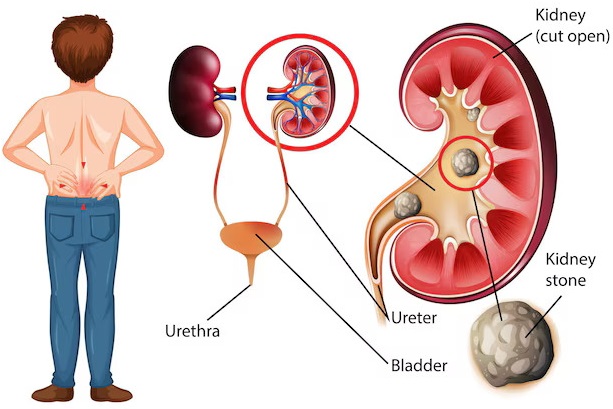
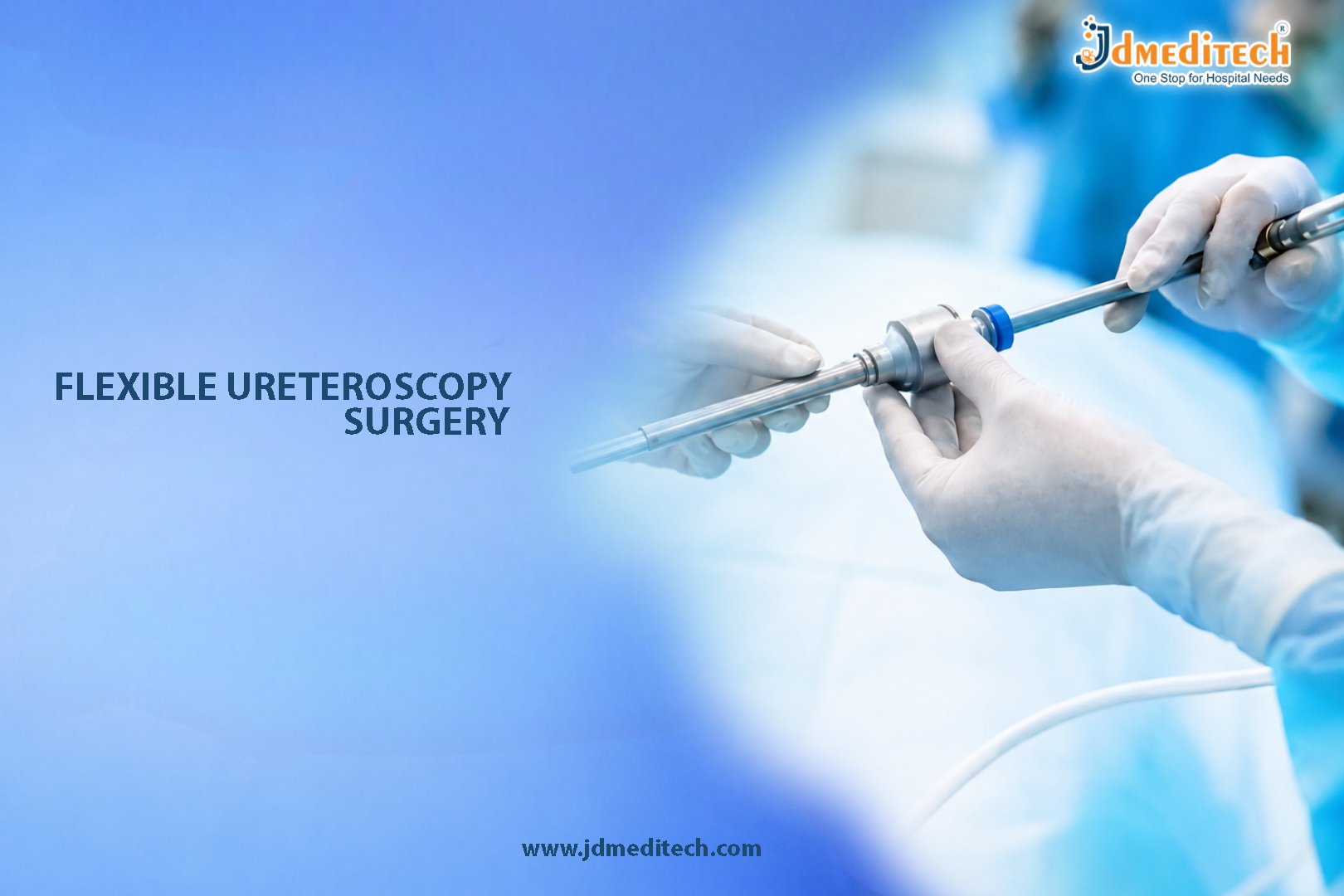
Flexible ureteroscopy surgery is a minimally invasive endoscopic procedure performed using a flexible ureteroscope. This specialized instrument is inserted through the natural urinary passage, including the urethra, bladder, and ureter, to reach the kidney and upper urinary tract.
Unlike traditional open surgery, flexible ureteroscopy does not require external cuts or large incisions. Instead, surgeons use miniature instruments and advanced imaging systems to diagnose and treat various urological conditions. Furthermore, the procedure offers better access to complex kidney anatomy.
Common Uses of Flexible Ureteroscopy
- Kidney stone treatment
- Upper ureter stone removal
- Evaluation of urinary tract abnormalities
- Treatment of upper tract tumors
- Investigation of hematuria
- Laser lithotripsy procedures
- Stricture evaluation and management
Because of its flexibility, the ureteroscope can navigate complex kidney anatomy effectively. Therefore, it is considered one of the most efficient solutions for upper tract management.
Indications for Flexible Ureteroscopy Surgery
Flexible ureteroscopy is recommended in several clinical situations where accurate visualization and minimally invasive treatment are required.
Kidney Stones
The procedure is highly effective for treating small to medium-sized kidney stones. In many cases, laser fragmentation is performed to break stones into tiny particles for easy removal. As a result, patients often achieve high stone clearance rates.
Upper Ureteral Stones
Flexible ureteroscopy helps remove stones located in difficult upper ureteral regions that may not respond well to shock wave therapy. Additionally, it reduces the need for open surgical intervention.
Hematuria Evaluation
Patients with unexplained blood in urine may require flexible ureteroscopy to identify the underlying cause. Therefore, early diagnosis becomes more achievable.
Upper Tract Tumors
The surgery enables direct visualization and biopsy of suspicious lesions inside the kidney or ureter. Consequently, doctors can plan more accurate treatment strategies.
Urinary Tract Obstruction
It is also useful for diagnosing and treating strictures or narrowing within the urinary tract. In addition, minimally invasive treatment reduces postoperative complications.
Advantages of Flexible Ureteroscopy Surgery
Flexible ureteroscopy offers multiple benefits compared to conventional surgical approaches.
Minimally Invasive Procedure
Since the surgery is performed through natural urinary passages, there are no external cuts or major surgical wounds. Therefore, cosmetic outcomes are significantly improved.
Faster Recovery
Most patients recover quickly and return to normal activities within a short period. Moreover, shorter recovery time improves patient comfort.
Reduced Pain and Bleeding
The minimally invasive nature of the procedure significantly reduces postoperative pain and blood loss. As a result, hospitalization is often shorter.
High Surgical Precision
Modern digital ureteroscopes provide excellent visualization for accurate diagnosis and treatment. Furthermore, enhanced imaging improves surgical confidence.
Short Hospital Stay
In many cases, patients are discharged on the same day or after a brief hospital stay. Consequently, overall healthcare costs may also decrease.
Effective Stone Clearance
Laser-assisted stone fragmentation improves stone-free rates and treatment success. Therefore, repeat procedures are less frequently required.
Preoperative Preparation for Flexible Ureteroscopy
Proper preparation helps ensure a safe and successful procedure.
Medical Evaluation
The urologist reviews medical history, medications, allergies, and previous surgeries. Additionally, underlying health conditions are carefully assessed.
Diagnostic Imaging
CT scan, ultrasound, or X-ray imaging helps determine stone size, location, and anatomy. Consequently, surgeons can plan the procedure more effectively.
Urine Testing
Urine analysis and culture are performed to rule out infection before surgery. Therefore, the risk of postoperative complications decreases.
Blood Investigations
Routine blood tests assess overall patient health and kidney function. In addition, they help evaluate anesthesia fitness.
Fasting Guidelines
Patients are usually advised to avoid eating or drinking several hours before surgery. This precaution helps ensure safer anesthesia administration.
Step-by-Step Flexible Ureteroscopy Procedure
Flexible ureteroscopy is performed under general or spinal anesthesia depending on the patient’s condition and surgical complexity.
Step 1: Anesthesia Administration
The patient receives anesthesia for comfort and pain control during the procedure. As a result, the surgery can be completed smoothly.
Step 2: Insertion of the Ureteroscope
The flexible ureteroscope is inserted through the urethra into the bladder and advanced toward the ureter and kidney. Meanwhile, continuous imaging helps guide the surgeon.
Step 3: Visualization of the Upper Tract
High-definition imaging allows the surgeon to examine the urinary tract carefully. Therefore, even small abnormalities can be detected accurately.
Step 4: Stone Fragmentation or Treatment
If stones are present, a laser fiber is used to break them into small fragments. Additionally, extraction devices may be used for stone removal.
Step 5: Stent Placement
In some cases, a ureteral stent is temporarily placed to maintain drainage and support healing. Consequently, postoperative swelling can be managed effectively.
Step 6: Completion of Surgery
After confirming proper treatment, the instruments are removed carefully. Finally, the patient is shifted to recovery monitoring.
Recovery After Flexible Ureteroscopy Surgery
Recovery is usually smooth and relatively fast.
Immediate Recovery
Patients are monitored for a few hours after surgery before discharge. In most cases, recovery remains uncomplicated.
Mild Urinary Symptoms
Temporary burning, mild discomfort, or blood-tinged urine may occur for a short period. However, these symptoms usually improve quickly.
Hydration Importance
Drinking adequate water helps flush stone fragments and supports healing. Therefore, proper hydration is strongly recommended.
Activity Guidelines
Light activities can usually be resumed within a few days, although strenuous exercise should be avoided temporarily. Meanwhile, patients should follow medical advice carefully.
Follow-Up Care
Patients may require follow-up imaging or stent removal depending on the procedure performed. In addition, regular follow-up helps monitor healing progress.
Conclusion
Flexible ureteroscopy surgery is a highly advanced minimally invasive procedure that offers effective and controlled upper urinary tract management. With the support of modern endourologic technology, surgeons can diagnose and treat kidney and ureteral conditions with greater precision and safety.
Furthermore, the procedure provides faster recovery, minimal discomfort, reduced hospitalization, and excellent treatment outcomes. As technology continues to evolve, flexible ureteroscopy is expected to remain a leading solution for modern urological care.
Overall, patients seeking safe, efficient, and minimally invasive upper tract treatment can greatly benefit from flexible ureteroscopy surgery.
Get Connected:
+91 79909 93062 | +91 63513 72032 | exports@jdmeditech.com