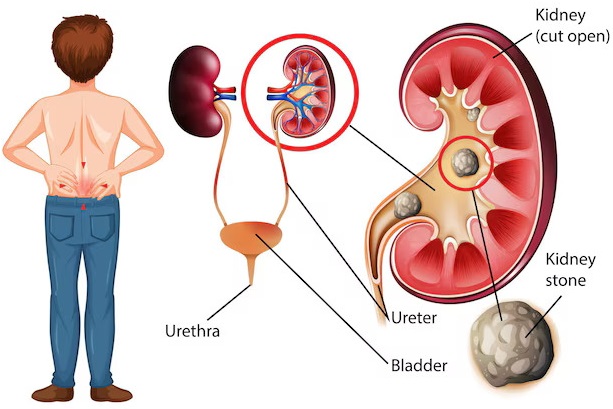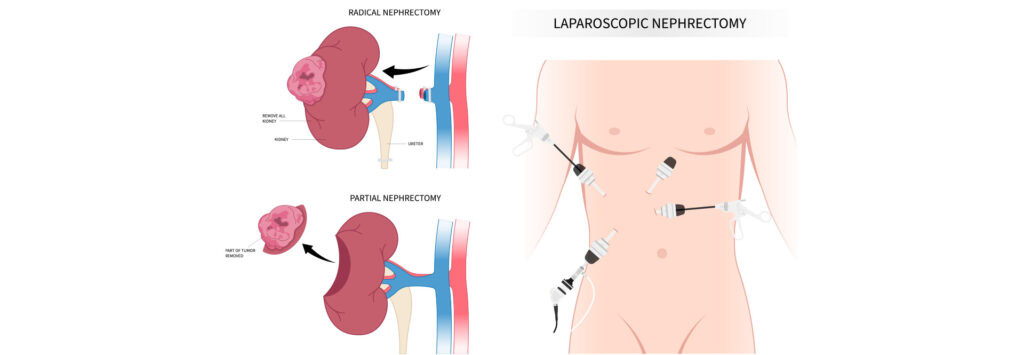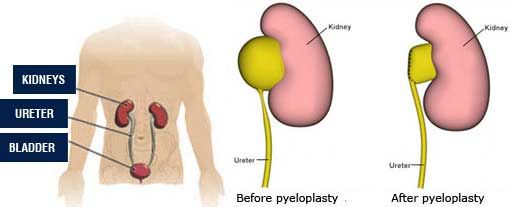
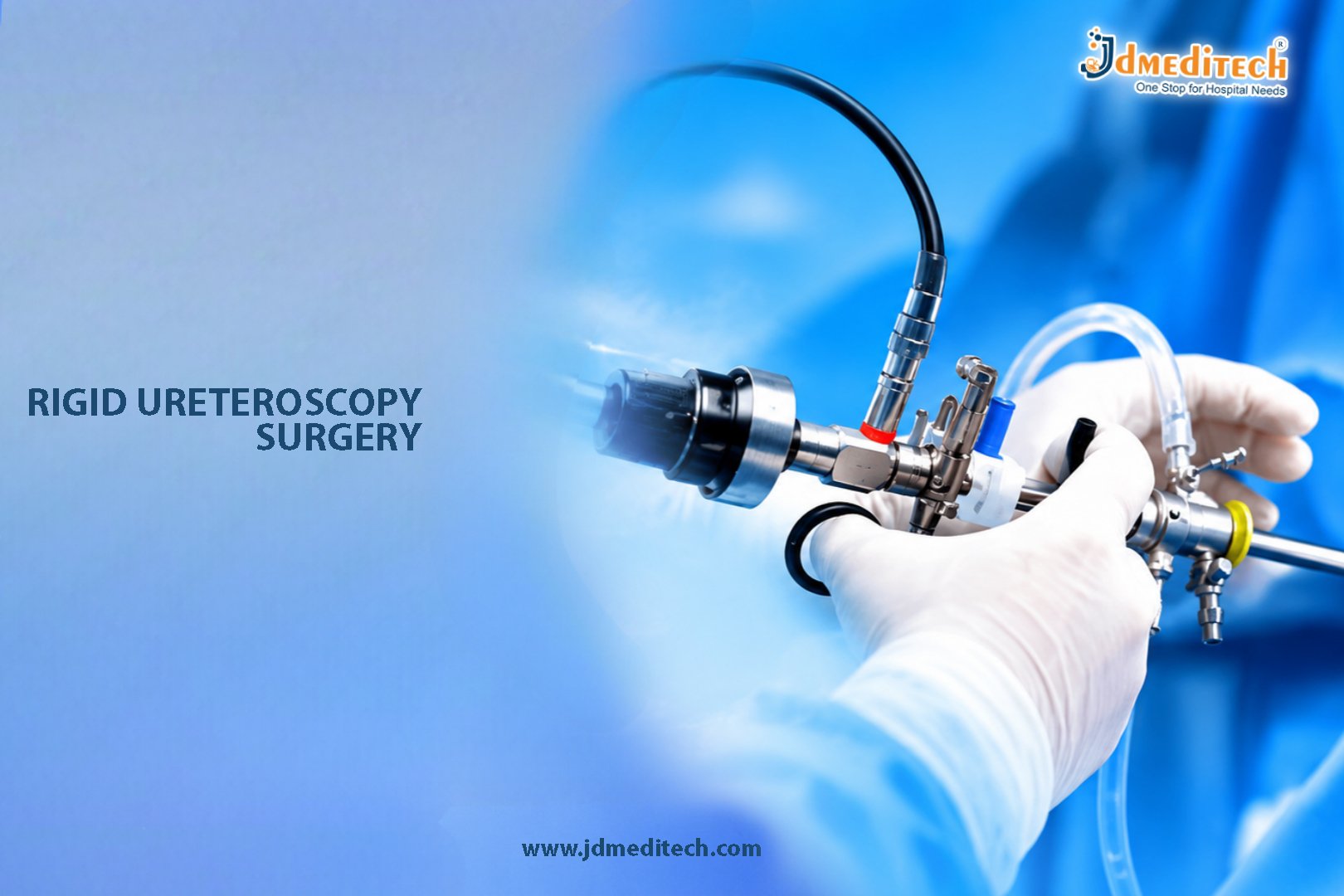
Rigid ureteroscopy surgery offers a highly effective minimally invasive solution for diagnosing and treating ureteral conditions. Over the years, urologists have adopted this advanced endoscopic technique for managing ureteral stones, strictures, and other urinary tract abnormalities. Because surgeons perform the procedure through the natural urinary pathway, patients avoid large surgical incisions.
Moreover, rigid ureteroscopy gives surgeons direct visualization of the ureter, which improves treatment accuracy and safety. As a result, patients experience less pain, shorter hospital stays, faster recovery, and fewer postoperative complications.
Today, modern endourology widely relies on rigid ureteroscopy because it delivers high success rates and dependable clinical outcomes. Furthermore, advancements in optics, imaging systems, and laser technology continue to improve procedural efficiency and patient comfort.
What is Rigid Ureteroscopy Surgery?
Rigid ureteroscopy surgery is a minimally invasive endoscopic procedure that uses a rigid ureteroscope. Surgeons insert this thin specialized instrument through the urethra, bladder, and ureter to access the urinary tract without making external incisions.
Unlike open surgery, rigid ureteroscopy allows surgeons to diagnose and treat ureteral disorders internally. In addition, the rigid structure of the instrument gives surgeons excellent control and stability, especially while treating the lower and middle ureter.
Common Applications of Rigid Ureteroscopy
- Removing ureteral stones
- Performing laser lithotripsy
- Evaluating ureteral strictures
- Treating urinary obstruction
- Investigating hematuria
- Taking biopsies of ureteral lesions
- Placing or removing ureteral stents
Because of its precision and effectiveness, rigid ureteroscopy remains one of the most reliable techniques for safe ureteral access and treatment.
Indications for Rigid Ureteroscopy Surgery
Doctors recommend rigid ureteroscopy for several ureteral conditions that require accurate diagnosis or minimally invasive treatment.
Ureteral Stones
Surgeons commonly use this procedure to remove stones lodged inside the ureter. Additionally, they use laser fragmentation to break larger stones into smaller pieces for easier removal.
Urinary Tract Obstruction
Rigid ureteroscopy helps surgeons identify and treat blockages caused by strictures, stones, or swelling. Therefore, patients regain normal urine flow more effectively.
Hematuria Evaluation
Doctors may perform ureteroscopy for patients who experience unexplained blood in urine. Consequently, they can identify the underlying cause more accurately.
Ureteral Strictures
The procedure allows surgeons to assess and treat narrowed ureteral segments directly. As a result, urinary drainage improves significantly.
Diagnostic Biopsy
Surgeons can examine suspicious lesions or abnormal tissue inside the ureter and collect biopsy samples during the procedure.
Advantages of Rigid Ureteroscopy Surgery
Rigid ureteroscopy provides several important advantages over traditional surgical methods.
Minimally Invasive Technique
Because surgeons use natural urinary pathways, patients avoid external cuts and visible surgical scars. Consequently, tissue trauma remains minimal.
Faster Recovery Time
Most patients recover quickly and resume normal activities within a few days. Furthermore, they usually experience only mild postoperative discomfort.
High Precision and Control
The rigid ureteroscope gives surgeons excellent instrument stability and visualization during surgery. Therefore, surgeons achieve greater treatment accuracy.
Reduced Hospital Stay
Many patients return home on the same day or after a short observation period. As a result, overall hospitalization costs decrease.
Effective Stone Management
Laser-assisted lithotripsy improves stone clearance rates and reduces the need for repeat procedures.
Lower Risk of Complications
Because the surgery remains minimally invasive, patients face lower risks of excessive bleeding and infection.
Preoperative Preparation for Rigid Ureteroscopy
Proper preparation plays a key role in achieving a safe and successful procedure.
Medical Assessment
The surgeon reviews the patient’s medical history, medications, allergies, and previous surgeries. In addition, the medical team evaluates overall fitness for anesthesia.
Imaging Investigations
CT scans, ultrasound, or X-rays help surgeons determine stone size, location, and ureteral anatomy. Therefore, surgeons can plan the procedure more effectively.
Urine Analysis
Doctors perform urine tests to identify infections before surgery. Consequently, they reduce the risk of postoperative complications.
Blood Tests
Routine blood investigations help doctors assess kidney function and overall health condition.
Fasting Instructions
Doctors usually advise patients to avoid eating or drinking several hours before surgery to improve anesthesia safety.
Step-by-Step Rigid Ureteroscopy Procedure
Rigid ureteroscopy usually takes place under general or spinal anesthesia depending on patient condition and procedural complexity.
Step 1: Anesthesia Administration
The anesthesiologist provides anesthesia to keep the patient comfortable and pain-free during surgery.
Step 2: Introduction of the Ureteroscope
The surgeon inserts the rigid ureteroscope through the urethra into the bladder and carefully advances it into the ureter.
Step 3: Visualization of the Ureter
High-definition optics give the surgeon a clear internal view of the ureter. Therefore, the surgeon can identify stones, strictures, or abnormalities accurately.
Step 4: Stone Removal or Treatment
If stones are present, the surgeon uses laser energy or specialized instruments to fragment and remove them. Additionally, the surgeon may perform biopsies or treat strictures if necessary.
Step 5: Stent Placement
In some cases, the surgeon inserts a temporary ureteral stent to maintain urine flow and support healing.
Step 6: Completion of Procedure
After completing the treatment successfully, the surgeon removes the instruments carefully and shifts the patient to recovery monitoring.
Laser Technology in Rigid Ureteroscopy
Modern laser systems have greatly improved the effectiveness of ureteroscopic procedures.
Holmium Laser Lithotripsy
Surgeons widely use holmium laser technology to break ureteral stones into tiny fragments safely and efficiently.
Improved Precision
Laser energy targets stones accurately while protecting surrounding tissues from unnecessary injury.
Enhanced Stone Clearance
Smaller stone fragments pass naturally through the urinary tract after treatment. Consequently, patients recover more smoothly.
Recovery After Rigid Ureteroscopy Surgery
Most patients experience quick and uncomplicated recovery after rigid ureteroscopy.
Immediate Postoperative Care
Doctors monitor patients for a few hours after surgery before allowing discharge.
Mild Temporary Symptoms
Some patients experience mild burning during urination, slight discomfort, or blood-tinged urine temporarily. However, these symptoms usually improve within a few days.
Hydration Recommendations
Doctors encourage patients to drink plenty of water because hydration helps flush residual stone fragments and supports healing.
Activity Restrictions
Patients can usually resume light activities within a short period, although they should avoid strenuous exercise initially.
Follow-Up Visits
Doctors may schedule follow-up appointments for imaging studies or stent removal if necessary.
Possible Risks and Complications
Although rigid ureteroscopy remains safe, some patients may experience certain complications.
Urinary Tract Infection
Bacteria may enter the urinary tract during surgery and cause infection.
Temporary Hematuria
Many patients notice mild blood in urine after the procedure, but the condition usually resolves quickly.
Ureteral Injury
In rare situations, instrument insertion may irritate or slightly injure the ureter.
Stent-Related Discomfort
Temporary stents may cause urinary urgency or mild flank discomfort in some patients.
Residual Stone Fragments
Occasionally, small stone fragments remain after treatment and require additional management.
Rigid Ureteroscopy vs Open Surgery
| Feature | Rigid Ureteroscopy | Open Surgery |
| Incision | No external incision | Large surgical incision |
| Recovery Time | Faster | Longer |
| Hospital Stay | Short | Extended |
| Pain Level | Minimal | Higher |
| Blood Loss | Low | Moderate to high |
| Cosmetic Outcome | No visible scars | Visible scars |
Because of these advantages, urologists now prefer rigid ureteroscopy for ureteral stone management and related conditions.
Suitable Candidates for Rigid Ureteroscopy
Rigid ureteroscopy benefits many patients who require ureteral evaluation or treatment.
Ideal Candidates Include
- Patients with ureteral stones
- Individuals with urinary obstruction
- Patients requiring ureteral biopsy
- Individuals with ureteral strictures
- Patients seeking minimally invasive treatment options
However, surgeons determine final suitability after evaluating stone location, anatomy, overall health, and procedural requirements.
Future of Rigid Ureteroscopy
Technological innovations continue to improve ureteroscopic surgery outcomes.
Advanced Imaging Systems
Modern optics provide clearer visualization and greater surgical precision.
Improved Instrument Design
Manufacturers continue to develop smaller and more durable instruments that improve patient safety and procedural efficiency.
Enhanced Laser Technology
New-generation laser systems increase stone fragmentation speed and treatment accuracy.
Better Patient Outcomes
Ongoing advancements continue to reduce complications, shorten recovery time, and improve treatment success rates.
Conclusion
Rigid ureteroscopy surgery provides a reliable and minimally invasive technique for safe ureteral access and effective treatment of urinary tract conditions. Because the procedure offers excellent visualization, precise treatment, and faster recovery, modern endourology now considers it a standard treatment option.
Furthermore, advancements in laser technology and endoscopic equipment continue to improve patient safety and surgical outcomes. As a result, rigid ureteroscopy remains one of the most trusted procedures for ureteral stone management and related urological treatments.
Overall, patients seeking safe, efficient, and minimally invasive ureteral treatment can benefit greatly from rigid ureteroscopy surgery.
Get Connected:
+91 79909 93062 | +91 63513 72032 | exports@jdmeditech.com