Laparoscopic Prostatectomy Surgery is a modern minimally invasive surgical procedure used to treat prostate diseases, especially localized prostate cancer and severe prostate enlargement. Compared to traditional open surgery, laparoscopic techniques use small incisions, specialized surgical instruments, and high-definition cameras to remove prostate tissue with greater precision and reduced tissue trauma.
Over the years, laparoscopic prostate surgery has become increasingly popular because it offers faster recovery, reduced blood loss, smaller scars, and shorter hospital stays. Moreover, advancements in minimally invasive technology have significantly improved surgical accuracy and postoperative outcomes.
For patients seeking effective prostate treatment with less surgical discomfort, laparoscopic prostatectomy provides a reliable and advanced solution.
What Is Laparoscopic Prostatectomy Surgery?
Understanding the Procedure
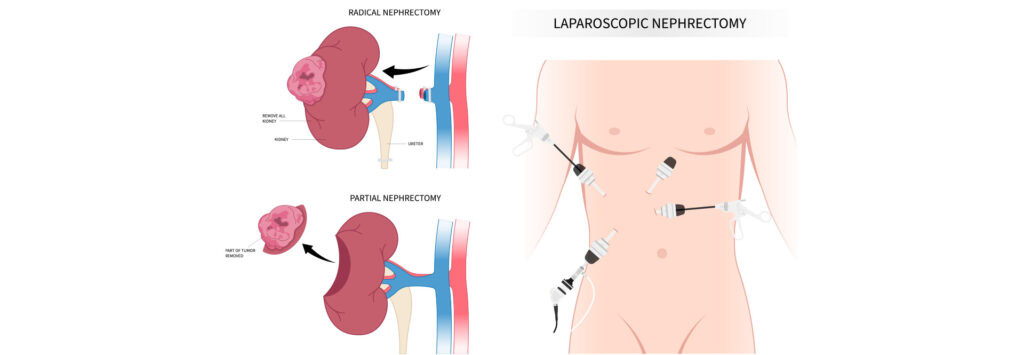
Laparoscopic Prostatectomy Surgery is a minimally invasive operation in which surgeons remove all or part of the prostate gland using specialized instruments inserted through small abdominal incisions.
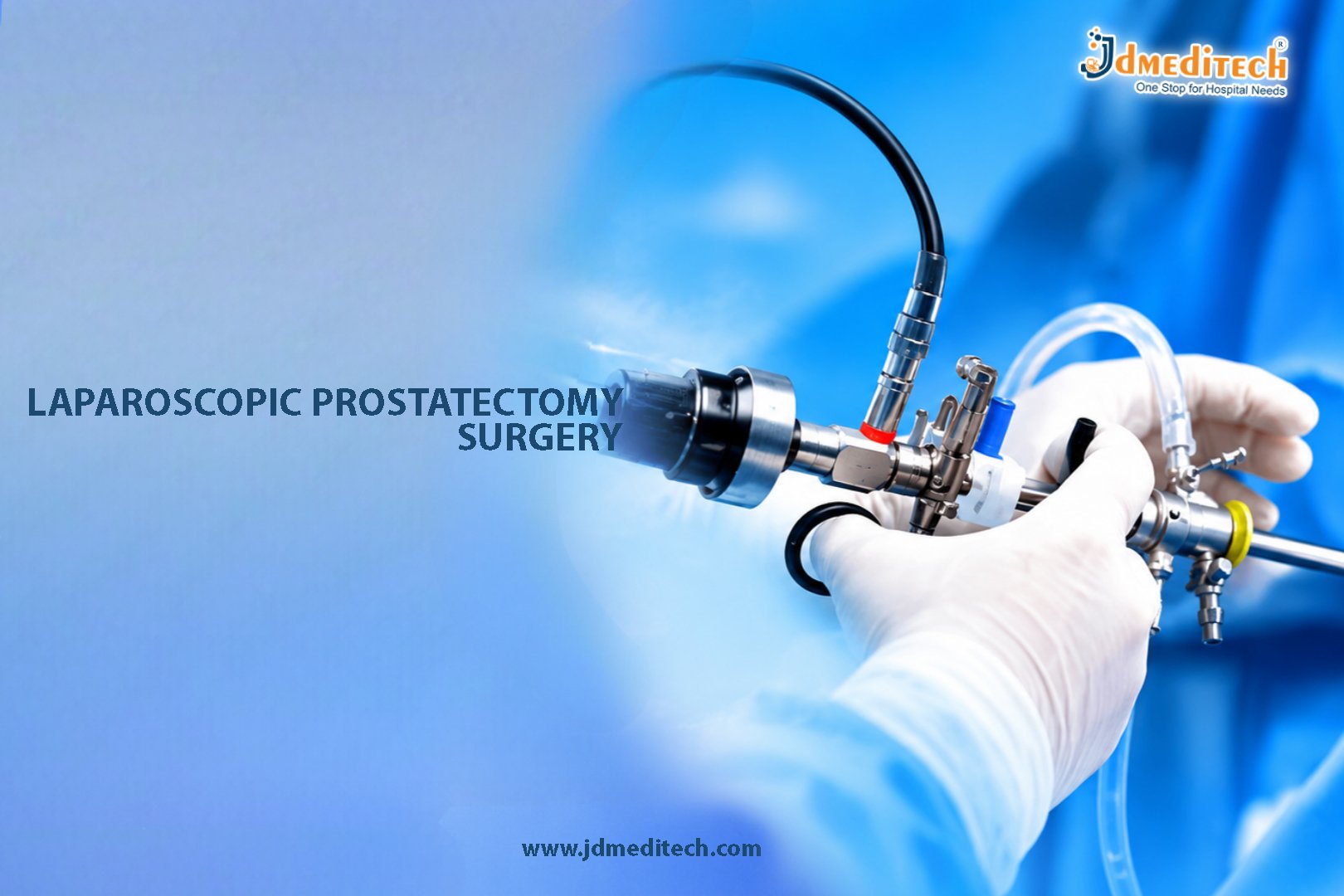
During the procedure, a laparoscope equipped with a high-definition camera provides a magnified view of the surgical area. As a result, surgeons can perform delicate movements with improved visibility and precision.
Depending on the underlying condition, laparoscopic prostatectomy may involve:
- Complete prostate gland removal
- Removal of enlarged prostate tissue
- Lymph node dissection when necessary
- Nerve-sparing surgical techniques
Furthermore, this approach minimizes damage to surrounding tissues and promotes quicker healing.
Why Laparoscopic Prostatectomy Is Performed
Conditions Treated with Laparoscopic Surgery
Doctors recommend laparoscopic prostatectomy for various prostate-related conditions that require surgical management.
Common indications include:
- Localized prostate cancer
- Severe benign prostatic hyperplasia (BPH)
- Urinary obstruction caused by prostate enlargement
- Recurrent urinary retention
- Failure of medication therapy
- Persistent lower urinary tract symptoms
Therefore, minimally invasive prostate surgery may significantly improve urinary function and overall quality of life.
Types of Laparoscopic Prostatectomy Surgery
Different Surgical Approaches
Several laparoscopic techniques are available depending on the patient’s condition and surgical goals.
Laparoscopic Radical Prostatectomy
This procedure involves complete removal of the prostate gland for prostate cancer treatment.
Laparoscopic Simple Prostatectomy
In this surgery, only the enlarged inner portion of the prostate is removed to treat severe BPH.
Nerve-Sparing Laparoscopic Prostatectomy
Surgeons carefully preserve nerves responsible for erectile function whenever possible.
Robotic-Assisted Laparoscopic Prostatectomy
Robotic systems enhance surgical precision and instrument control during minimally invasive surgery.
As a result, surgeons can tailor the procedure according to individual patient needs.
Symptoms That May Require Prostate Surgery
Common Signs of Advanced Prostate Disease
Patients with prostate disease often experience worsening urinary symptoms over time. Therefore, early medical evaluation is important.
Common symptoms include:
- Weak urine stream
- Difficulty starting urination
- Frequent urination
- Nighttime urination
- Incomplete bladder emptying
- Urinary urgency
- Blood in urine
- Pelvic discomfort
- Painful urination
If these symptoms become severe or persistent, surgical treatment may be necessary.
Diagnostic Evaluation Before Laparoscopic Prostatectomy
Important Preoperative Investigations
Before surgery, doctors perform several diagnostic tests to confirm the condition and assess surgical suitability.
Physical Examination
The urologist evaluates prostate size and urinary symptoms.
PSA Blood Test
The prostate-specific antigen test helps assess prostate disease.
Prostate Biopsy
Biopsy may confirm prostate cancer when suspected.
Ultrasound or MRI
Imaging studies provide detailed views of the prostate and surrounding structures.
Urine Tests
Urine analysis helps detect infections or blood in the urine.
Blood Investigations
Routine blood tests evaluate overall health and kidney function.
Cardiac Assessment
Heart evaluation ensures fitness for anesthesia and surgery.
Consequently, detailed planning improves surgical safety and treatment outcomes.
How Laparoscopic Prostatectomy Surgery Is Performed
Step-by-Step Surgical Procedure
Laparoscopic prostatectomy is performed under general anesthesia in a specialized operating room.
Administration of Anesthesia
First, the patient receives general anesthesia for comfort during surgery.
Small Abdominal Incisions
Next, the surgeon creates several tiny incisions in the abdomen.
Insertion of Laparoscopic Instruments
Specialized surgical instruments and a laparoscopic camera are inserted through these incisions.
Visualization of the Prostate
The camera provides a magnified high-definition view of the prostate gland.
Removal of Prostate Tissue
The surgeon carefully removes the prostate gland or enlarged tissue causing obstruction.
Nerve Preservation
Whenever possible, surrounding nerves are preserved to maintain sexual function.
Reconstruction
The bladder and urethra are reconnected after prostate removal.
Catheter Placement
A urinary catheter is inserted temporarily to support healing.
Closure of Incisions
Finally, the small incisions are closed carefully.
As a result, patients experience less tissue damage and faster recovery compared to open surgery.
Benefits of Laparoscopic Prostatectomy Surgery
Advantages of Minimally Invasive Surgery
Laparoscopic prostatectomy offers several important benefits over traditional open procedures.
Major advantages include:
- Smaller surgical incisions
- Reduced blood loss
- Less postoperative pain
- Faster recovery
- Shorter hospital stay
- Reduced risk of infection
- Improved cosmetic results
- Better surgical precision
- Earlier return to daily activities
Moreover, minimally invasive techniques often improve overall patient comfort and satisfaction.
Recovery After Laparoscopic Prostatectomy
Postoperative Care and Healing
Recovery after laparoscopic surgery is generally faster than recovery after open prostate surgery. However, proper postoperative care remains essential.
Hospital Stay
Most patients stay in the hospital for a short observation period.
Catheter Management
The urinary catheter usually remains in place temporarily during healing.
Physical Activity
Light walking is encouraged after surgery, while strenuous activity should be avoided initially.
Hydration and Nutrition
Healthy nutrition and proper hydration support faster healing.
Follow-Up Visits
Regular follow-up appointments help monitor recovery and urinary function.
Consequently, many patients return to normal activities within a few weeks.
Risks and Possible Complications
Understanding Potential Surgical Risks
Although laparoscopic prostatectomy is considered safe, certain complications may still occur.
Possible risks include:
- Bleeding
- Infection
- Urinary incontinence
- Erectile dysfunction
- Blood clots
- Urinary leakage
- Scar tissue formation
- Anesthesia-related complications
Nevertheless, experienced surgical teams and advanced laparoscopic technology help minimize these risks.
Who Is an Ideal Candidate for Laparoscopic Prostatectomy?
Patients Who May Benefit Most
Laparoscopic prostatectomy may be suitable for:
- Patients with localized prostate cancer
- Individuals with severe prostate enlargement
- Patients seeking minimally invasive treatment
- Men with recurrent urinary obstruction
- Patients healthy enough for anesthesia and surgery
Therefore, a detailed urological evaluation is necessary before selecting the appropriate surgical approach.
Laparoscopic Prostatectomy vs Open Prostate Surgery
Comparing Surgical Techniques
Both laparoscopic and open prostate surgeries are effective treatment methods. However, minimally invasive surgery offers several additional advantages.
| Feature | Laparoscopic Prostatectomy | Open Prostate Surgery |
| Incision Size | Small | Large |
| Blood Loss | Less | More |
| Recovery Time | Faster | Longer |
| Hospital Stay | Shorter | Longer |
| Postoperative Pain | Less | More |
| Cosmetic Results | Better | Moderate |
| Surgical Precision | High | High |
As a result, many patients prefer minimally invasive surgery when appropriate.
Tips for Faster Recovery After Surgery
Helpful Postoperative Recommendations
Patients can improve recovery by following these important guidelines:
- Walk regularly after surgery
- Avoid heavy lifting
- Drink plenty of fluids
- Maintain proper catheter care
- Eat a healthy balanced diet
- Follow medication instructions carefully
- Attend scheduled follow-up visits
In addition, pelvic floor exercises may help improve urinary control after surgery.
Long-Term Outlook After Laparoscopic Prostatectomy
Life After Surgery
Most patients experience significant improvement in urinary symptoms and quality of life after laparoscopic prostatectomy. Furthermore, regular follow-up care helps monitor long-term recovery and treatment success.
Patients often achieve improvements in:
- Urinary function
- Physical comfort
- Daily activity levels
- Bladder emptying
- Overall well-being
As a result, minimally invasive prostate surgery continues to provide excellent long-term outcomes for many patients.
Conclusion
Advanced Minimally Invasive Treatment for Prostate Disease
Laparoscopic Prostatectomy Surgery is an advanced minimally invasive procedure that provides effective treatment for prostate cancer and severe prostate enlargement. With smaller incisions, enhanced surgical precision, and faster recovery, this modern approach has transformed prostate surgery outcomes.
Most importantly, laparoscopic techniques help reduce postoperative discomfort while improving urinary function and patient recovery. Therefore, with expert surgical care and proper follow-up, patients can achieve excellent long-term results and improved quality of life.
Get Connected:
+91 79909 93062 | +91 63513 72032 | exports@jdmeditech.com