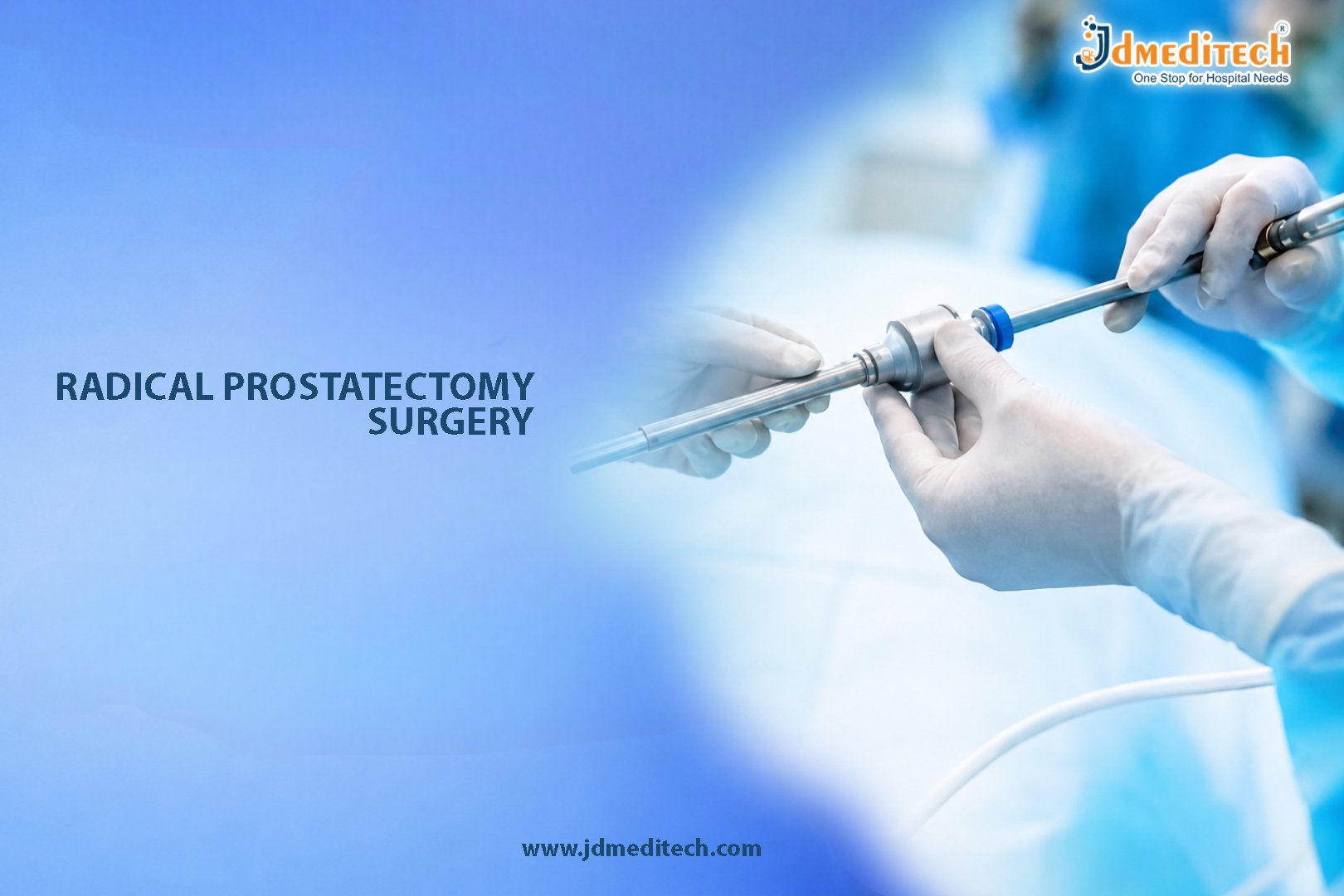
Radical Prostatectomy Surgery is a highly advanced surgical procedure performed to remove the entire prostate gland, usually for the treatment of localized prostate cancer. This surgery plays a major role in modern urologic oncology because it helps eliminate cancerous tissue while preserving urinary and sexual function whenever possible.
Today, surgeons perform radical prostatectomy using open, laparoscopic, or robotic-assisted techniques depending on the patient’s condition and surgical requirements. Moreover, advancements in surgical technology have significantly improved precision, reduced complications, and enhanced recovery outcomes.
For patients diagnosed with prostate cancer confined to the prostate gland, radical prostatectomy often provides an effective long-term treatment solution.
What Is Radical Prostatectomy Surgery?
Understanding the Surgical Procedure
Radical Prostatectomy Surgery is a procedure in which the entire prostate gland, along with surrounding tissues and sometimes nearby lymph nodes, is surgically removed.
Unlike simple prostatectomy, which removes only enlarged prostate tissue, radical prostatectomy completely excises the prostate to treat cancer and prevent disease progression.
As a result, this surgery is commonly recommended for patients with:
- Localized prostate cancer
- Intermediate- or high-risk prostate tumors
- Cancer confined to the prostate gland
- Patients healthy enough for major surgery
Furthermore, the procedure may also help improve long-term cancer control and survival rates.
Why Radical Prostatectomy Is Performed
Conditions That May Require Surgery
Doctors recommend radical prostatectomy primarily to treat prostate cancer before it spreads outside the prostate gland.
Common reasons for surgery include:
- Localized prostate cancer
- Rising PSA levels
- Aggressive prostate tumors
- Cancer detected during biopsy
- Failure of active surveillance
- Cancer confined to the prostate region
Therefore, early surgical treatment may help reduce the risk of cancer progression and metastasis.
Types of Radical Prostatectomy Surgery
Different Surgical Approaches
Several surgical techniques are available for performing radical prostatectomy. The choice depends on cancer stage, patient health, and surgeon expertise.
Open Radical Prostatectomy
This traditional approach uses a lower abdominal incision for direct prostate removal.
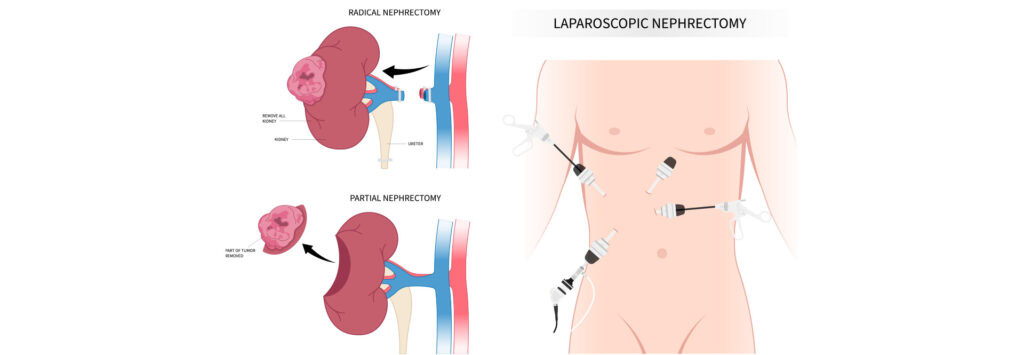
Laparoscopic Radical Prostatectomy
Small surgical incisions and specialized instruments are used to remove the prostate minimally invasively.
Robotic-Assisted Radical Prostatectomy
Robotic systems provide enhanced precision, magnified visualization, and improved surgical control.
Nerve-Sparing Radical Prostatectomy
This technique aims to preserve nearby nerves responsible for erectile function whenever oncologically safe.
As a result, modern surgical approaches help improve postoperative quality of life.
Symptoms That May Lead to Prostate Cancer Evaluation
Warning Signs of Prostate Disease
Early prostate cancer may not cause noticeable symptoms. However, some patients experience urinary or systemic symptoms as the condition progresses.
Common symptoms include:
- Difficulty urinating
- Weak urine stream
- Frequent urination
- Blood in urine
- Blood in semen
- Pelvic discomfort
- Erectile dysfunction
- Bone pain in advanced cases
Therefore, regular screening and early diagnosis remain extremely important.
Diagnostic Evaluation Before Radical Prostatectomy
Essential Preoperative Investigations
Before surgery, doctors perform detailed evaluations to confirm cancer stage and assess surgical fitness.
PSA Blood Test
The prostate-specific antigen (PSA) test helps detect abnormal prostate activity.
Prostate Biopsy
Biopsy confirms the presence and aggressiveness of cancer cells.
MRI Scan
Magnetic resonance imaging evaluates tumor location and spread.
CT Scan or Bone Scan
These tests help determine whether cancer has spread beyond the prostate.
Blood Investigations
Routine blood tests assess overall health and organ function.
Cardiac Assessment
Heart evaluation ensures fitness for anesthesia and surgery.
Consequently, detailed planning helps improve surgical precision and safety.
How Radical Prostatectomy Surgery Is Performed
Step-by-Step Surgical Process
Radical prostatectomy is performed under general anesthesia in a specialized surgical setting.
Administration of Anesthesia
First, anesthesia is administered to ensure patient comfort during surgery.
Surgical Access
Next, the surgeon creates either a large incision or several small laparoscopic ports depending on the technique used.
Removal of the Prostate Gland
The entire prostate gland is carefully separated and removed.
Nerve Preservation
Whenever possible, surrounding nerves responsible for erectile function are preserved.
Lymph Node Removal
In some cases, nearby lymph nodes are also removed for cancer evaluation.
Bladder-Urethra Reconnection
The bladder is then reconnected to the urethra to restore urinary continuity.
Catheter Placement
A urinary catheter is inserted temporarily to support healing.
Surgical Closure
Finally, the incision sites are closed carefully.
As a result, the procedure aims to remove cancer completely while preserving urinary function.
Benefits of Radical Prostatectomy Surgery
Advantages of the Procedure
Radical prostatectomy offers several important benefits for eligible prostate cancer patients.
Major advantages include:
- Complete removal of localized cancer
- Long-term cancer control
- Improved survival outcomes
- Accurate cancer staging
- Reduced cancer progression risk
- Advanced nerve-sparing techniques
- Improved precision with robotic surgery
Moreover, many patients achieve excellent long-term quality of life after treatment.
Recovery After Radical Prostatectomy
Postoperative Healing and Rehabilitation
Recovery time varies depending on surgical technique and patient health. However, minimally invasive approaches often allow faster recovery.
Hospital Stay
Most patients remain hospitalized for observation and postoperative care.
Catheter Management
The urinary catheter usually stays in place for several days after surgery.
Physical Activity Restrictions
Heavy lifting and strenuous exercise should be avoided during recovery.
Pelvic Floor Exercises
Kegel exercises may help improve urinary control after surgery.
Follow-Up Monitoring
Regular PSA testing helps monitor cancer recurrence.
Consequently, proper postoperative care supports faster healing and improved functional recovery.
Risks and Possible Complications
Understanding Surgical Risks
Although radical prostatectomy is generally safe, some complications may occur.
Possible risks include:
- Bleeding
- Infection
- Urinary incontinence
- Erectile dysfunction
- Blood clot formation
- Scar tissue formation
- Urinary leakage
- Anesthesia-related complications
Nevertheless, experienced surgeons and advanced techniques help minimize these risks.
Who Is an Ideal Candidate for Radical Prostatectomy?
Patients Who May Benefit Most
Radical prostatectomy is often recommended for:
- Patients with localized prostate cancer
- Individuals with good overall health
- Patients with long life expectancy
- Men seeking definitive cancer treatment
- Patients without extensive metastatic disease
Therefore, careful patient selection remains essential for optimal outcomes.
Radical Prostatectomy vs Radiation Therapy
Comparing Treatment Options
Both surgery and radiation therapy are commonly used to treat prostate cancer.
| Feature | Radical Prostatectomy | Radiation Therapy |
| Cancer Removal | Physical removal | Radiation destruction |
| PSA Monitoring | Easier after surgery | May fluctuate |
| Hospital Stay | Required | Usually outpatient |
| Recovery Time | Moderate | Variable |
| Long-Term Control | Excellent | Excellent |
| Surgical Pathology | Available | Not available |
Thus, treatment choice depends on cancer stage, age, health status, and patient preference.
Tips for Faster Recovery After Surgery
Helpful Recovery Recommendations
Patients can improve healing and recovery by following these guidelines:
- Stay physically active with light walking
- Avoid heavy lifting
- Maintain healthy hydration
- Follow catheter care instructions
- Perform pelvic floor exercises
- Attend regular follow-up visits
- Follow prescribed medications carefully
In addition, emotional support and lifestyle modifications may improve overall recovery.
Long-Term Outlook After Radical Prostatectomy
Life After Surgery
Many patients successfully return to normal activities after radical prostatectomy. Furthermore, regular PSA monitoring helps ensure long-term cancer control.
Patients may experience gradual improvement in:
- Urinary continence
- Physical activity levels
- Sexual function
- Emotional well-being
- Overall quality of life
As a result, ongoing follow-up care remains important for maintaining long-term health.
Conclusion
Advanced Surgical Management for Prostate Cancer
Radical Prostatectomy Surgery remains one of the most effective treatments for localized prostate cancer. With advancements in open, laparoscopic, and robotic-assisted techniques, surgeons can now achieve greater precision, improved cancer control, and better postoperative outcomes.
Most importantly, the procedure offers long-term cancer management while preserving quality of life whenever possible. Therefore, early diagnosis, proper surgical planning, and expert postoperative care are essential for achieving successful treatment outcomes.
Get Connected:
+91 79909 93062 | +91 63513 72032 | exports@jdmeditech.com