
Laparoscopic Pyeloplasty Surgery is an advanced minimally invasive urologic procedure used to treat ureteropelvic junction (UPJ) obstruction, a condition that blocks the normal flow of urine from the kidney to the ureter. As a result, this obstruction can lead to kidney swelling, pain, urinary infections, and gradual loss of kidney function if not treated promptly.
Fortunately, modern laparoscopic techniques allow surgeons to reconstruct the narrowed area with exceptional precision while minimizing surgical trauma. Compared to traditional open surgery, laparoscopic pyeloplasty offers faster recovery, reduced pain, smaller incisions, and excellent long-term success rates.
What Is Ureteropelvic Junction (UPJ) Obstruction?
UPJ obstruction occurs when the connection between the renal pelvis and the ureter becomes narrowed or blocked. Consequently, urine cannot drain properly from the kidney.
The condition may be congenital or acquired later in life due to scarring, kidney stones, infections, or previous surgeries. Therefore, timely diagnosis is essential to avoid long-term complications.
Common Symptoms of UPJ Obstruction
Symptoms can vary depending on the severity of obstruction and the patient’s age.
In Adults
- Flank or abdominal pain
- Pain after drinking large amounts of fluid
- Recurrent urinary tract infections
- Blood in urine
- Kidney stones
- Nausea or vomiting
In Children
- Abdominal swelling
- Urinary tract infections
- Poor growth in severe cases
- Pain or discomfort
- Prenatal detection of hydronephrosis
Importantly, early diagnosis helps prevent permanent kidney damage and preserves renal function.
What Is Laparoscopic Pyeloplasty Surgery?
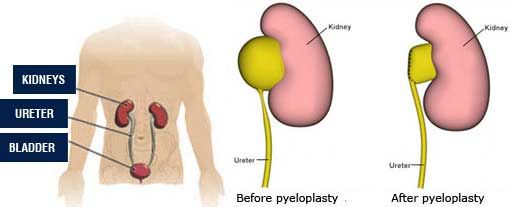
Laparoscopic pyeloplasty is a reconstructive surgery performed to remove the blocked segment at the ureteropelvic junction and reconnect the healthy portions of the kidney pelvis and ureter.
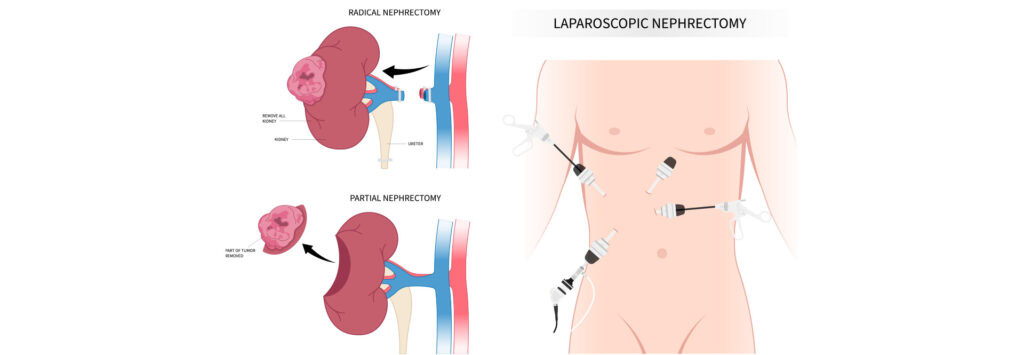
During the procedure, surgeons use small keyhole incisions and specialized laparoscopic instruments. In addition, a high-definition camera provides magnified visualization, allowing delicate reconstruction with high accuracy.
Why Is Laparoscopic Pyeloplasty Performed?
Doctors recommend laparoscopic pyeloplasty when UPJ obstruction causes symptoms, kidney swelling, or declining renal function.
Main Objectives of the Procedure
- Restore normal urine drainage
- Relieve kidney obstruction
- Preserve kidney function
- Reduce pain and infections
- Prevent progressive kidney damage
- Improve long-term urinary health
Without proper treatment, UPJ obstruction may eventually lead to serious renal complications. Therefore, surgical correction is often strongly recommended.
Diagnostic Evaluation Before Surgery
A detailed diagnostic assessment is necessary to confirm the obstruction and evaluate kidney function.
Common Diagnostic Tests
Ultrasound Scan
Ultrasound helps detect:
- Hydronephrosis
- Kidney swelling
- Urinary tract abnormalities
CT Scan or MRI
Advanced imaging provides detailed anatomical information regarding:
- Site of obstruction
- Crossing blood vessels
- Kidney structure
Renal Nuclear Scan
This test evaluates:
- Kidney drainage
- Differential kidney function
- Severity of obstruction
Urine and Blood Tests
These tests assess:
- Infection
- Kidney function
- Overall health status
Together, these investigations help surgeons plan the most effective treatment strategy.
How Laparoscopic Pyeloplasty Surgery Is Performed
The procedure is carried out under general anesthesia by an experienced urologic surgeon.
Step-by-Step Surgical Procedure
Step 1: Administration of Anesthesia
First, the patient is placed under general anesthesia to ensure complete comfort during surgery.
Step 2: Small Laparoscopic Incisions
Next, several tiny incisions are created in the abdomen to insert laparoscopic instruments and a camera.
Step 3: Identification of the Obstructed Area
After that, the surgeon carefully identifies the narrowed ureteropelvic junction.
Step 4: Removal of the Narrowed Segment
Then, the blocked or scarred portion is excised precisely.
Step 5: Renal Reconstruction
Subsequently, the healthy ureter is reconnected to the renal pelvis using fine sutures to create a wide drainage channel.
Step 6: Placement of Ureteral Stent
In many cases, a temporary ureteral stent is placed to support healing and maintain urine flow.
Step 7: Completion of Surgery
Finally, the instruments are removed, and the small incisions are closed carefully.
Benefits of Laparoscopic Pyeloplasty Surgery
Laparoscopic pyeloplasty offers several advantages over conventional open surgery.
Key Benefits
- Minimally invasive technique
- Smaller surgical incisions
- Reduced postoperative pain
- Minimal blood loss
- Faster recovery
- Shorter hospital stay
- Lower risk of infection
- Excellent cosmetic results
- High long-term success rate
Moreover, magnified laparoscopic visualization improves surgical precision during reconstruction.
Recovery After Laparoscopic Pyeloplasty
Most patients recover smoothly following surgery. However, proper postoperative care remains important for optimal healing.
What to Expect After Surgery
- Mild abdominal discomfort
- Temporary urinary catheter in some cases
- Early mobilization within 24 hours
- Gradual return to normal diet
Generally, most patients can resume routine activities within a few weeks.
Ureteral Stent Removal
If a stent is placed, it is usually removed after a few weeks during a simple outpatient procedure. As a result, normal urinary drainage continues without obstruction.
Follow-Up Care
Regular follow-up may include:
- Ultrasound imaging
- Renal scans
- Urine tests
- Kidney function monitoring
These evaluations help ensure successful drainage and proper kidney recovery over time.
Possible Risks and Complications
Although laparoscopic pyeloplasty is considered safe, rare complications may still occur.
Potential Risks Include
- Bleeding
- Infection
- Urine leakage
- Stent discomfort
- Recurrent obstruction
- Injury to nearby structures
- Delayed healing
Nevertheless, choosing an experienced urologic surgeon significantly reduces surgical risks.
Long-Term Outlook After Surgery
Laparoscopic pyeloplasty has an excellent long-term success rate, often exceeding 90%.
Following successful surgery, most patients experience:
- Improved kidney drainage
- Relief from pain
- Reduced infection risk
- Preservation of kidney function
- Better quality of life
Furthermore, early treatment generally leads to superior outcomes and minimizes long-term renal complications.
When to Consult a Urologist
Medical evaluation is important if you experience:
- Persistent flank pain
- Recurrent urinary tract infections
- Kidney swelling
- Blood in urine
- Kidney stones
- Difficulty with urine drainage
In such cases, prompt medical attention can help prevent worsening kidney damage.
Conclusion
Laparoscopic Pyeloplasty Surgery is a highly advanced minimally invasive procedure designed to correct ureteropelvic junction obstruction safely and effectively. By performing precise renal reconstruction, the surgery restores normal urine flow, relieves symptoms, and preserves kidney function.
Additionally, smaller incisions, faster recovery, and outstanding long-term results make laparoscopic pyeloplasty a preferred treatment option for both adults and children with UPJ obstruction. Therefore, early intervention and expert surgical care play a vital role in achieving the best possible outcomes.
Get Connected:
+91 79909 93062 | +91 63513 72032 | exports@jdmeditech.com