Laparoscopic Adrenalectomy Surgery is an advanced minimally invasive surgical procedure performed to remove one or both adrenal glands safely and effectively. The adrenal glands are small hormone-producing glands located above the kidneys and play a vital role in regulating blood pressure, metabolism, stress response, and hormone balance.
When adrenal tumors, hormonal disorders, or abnormal gland enlargement occur, surgical removal may become necessary. Fortunately, laparoscopic adrenalectomy allows surgeons to remove the adrenal gland through small incisions while minimizing pain, blood loss, and recovery time.
Compared to traditional open surgery, this minimally invasive approach offers faster healing, shorter hospital stays, and improved cosmetic results.
What Is Laparoscopic Adrenalectomy Surgery?
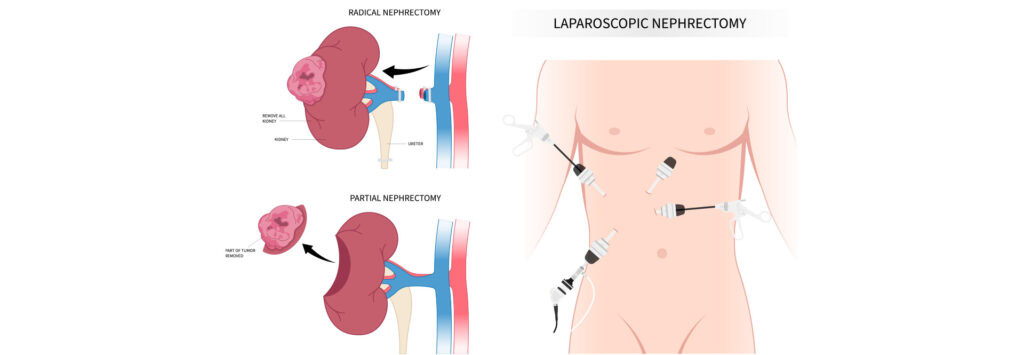
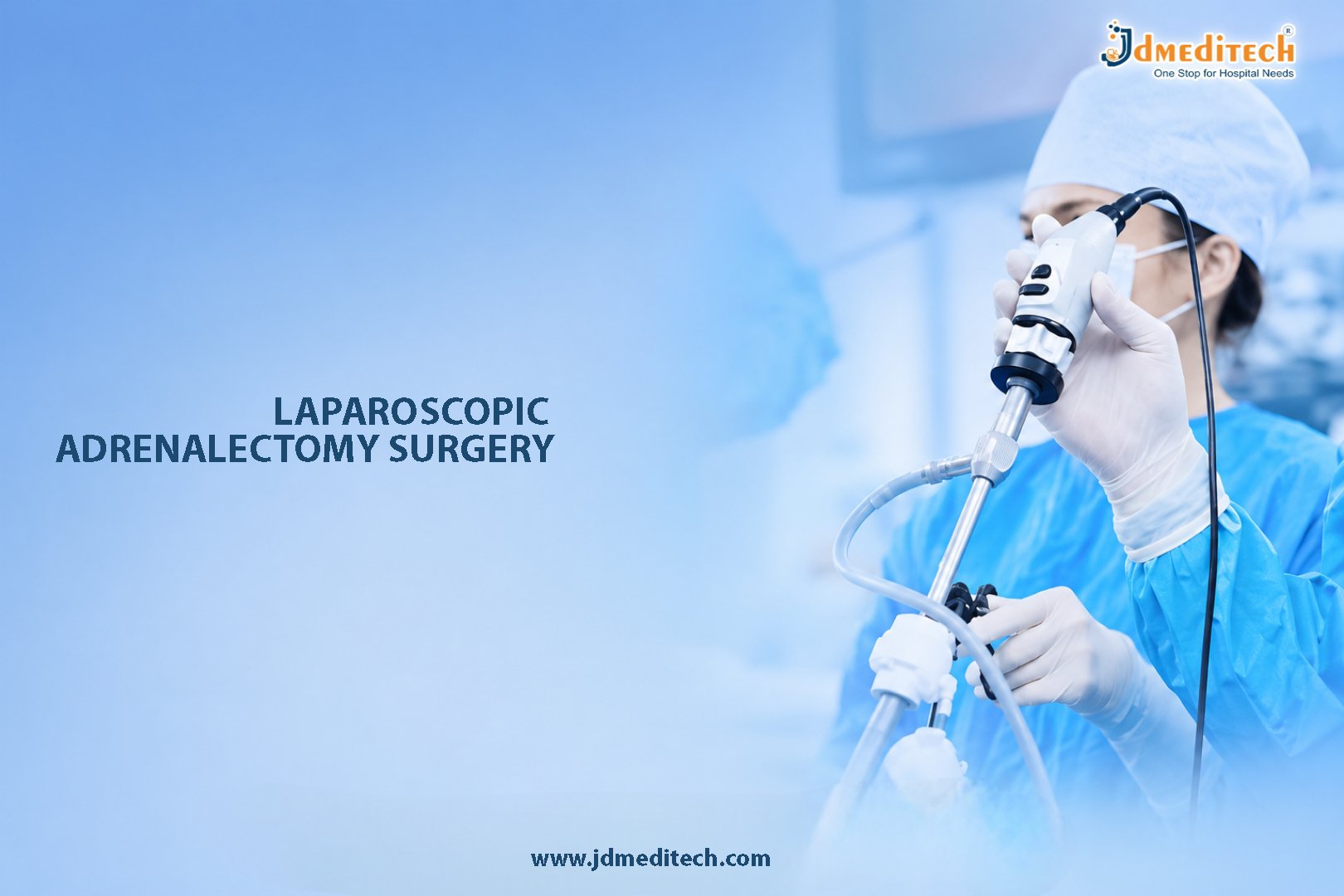
Laparoscopic adrenalectomy is a keyhole surgical technique used to remove diseased or overactive adrenal glands using specialized laparoscopic instruments and a high-definition camera.
During the procedure, surgeons create small abdominal incisions to access the adrenal gland. Subsequently, the affected gland is carefully separated and removed without the need for a large open incision.
As a result, patients experience less postoperative discomfort and quicker recovery.
Why Is Adrenal Gland Removal Needed?
Doctors may recommend adrenalectomy for several adrenal gland conditions, especially when tumors produce excessive hormones or show suspicious growth.
Common Conditions Treated With Laparoscopic Adrenalectomy
- Adrenal adenoma
- Pheochromocytoma
- Cushing’s syndrome
- Conn’s syndrome (primary aldosteronism)
- Adrenal cysts
- Adrenal gland enlargement
- Functional adrenal tumors
- Suspicious or cancerous adrenal masses
In many cases, early surgical treatment helps prevent serious hormonal complications and protects overall health.
Symptoms of Adrenal Gland Disorders
Symptoms vary depending on the type of adrenal disease and hormone imbalance.
Common Symptoms Include
- High blood pressure
- Unexplained weight gain
- Muscle weakness
- Excessive sweating
- Anxiety or rapid heartbeat
- Persistent fatigue
- Headaches
- Elevated blood sugar
- Abdominal discomfort
Therefore, proper evaluation is essential when these symptoms persist.
Diagnostic Evaluation Before Surgery
Before surgery, doctors perform detailed investigations to confirm the diagnosis and determine the safest treatment plan.
Common Diagnostic Tests
Blood Hormone Tests
These tests evaluate:
- Cortisol levels
- Aldosterone production
- Adrenal hormone activity
- Catecholamine levels
Urine Tests
Urine analysis helps detect abnormal hormone secretion over a 24-hour period.
CT Scan or MRI
Imaging studies help determine:
- Tumor size
- Tumor location
- Adrenal gland anatomy
- Possible cancer spread
Nuclear Medicine Scans
In selected cases, specialized scans assess adrenal gland activity and tumor function.
Together, these investigations help surgeons plan the procedure accurately.
How Laparoscopic Adrenalectomy Surgery Is Performed
The surgery is performed under general anesthesia by an experienced laparoscopic or urologic surgeon.
Step-by-Step Surgical Procedure
Step 1: Administration of Anesthesia
First, the patient is placed under general anesthesia to ensure complete comfort during surgery.
Step 2: Creation of Small Incisions
Next, several tiny incisions are made in the abdomen to insert laparoscopic instruments and a camera.
Step 3: Visualization of the Adrenal Gland
A high-definition laparoscope provides magnified visualization of the adrenal gland and surrounding structures.
Step 4: Careful Dissection
Then, the surgeon carefully separates the adrenal gland from nearby tissues and blood vessels.
Step 5: Removal of the Adrenal Gland
After that, the diseased adrenal gland is safely removed through one of the small incisions.
Step 6: Closure of Incisions
Finally, the instruments are removed, and the small incisions are closed carefully.
Benefits of Laparoscopic Adrenalectomy Surgery
Laparoscopic adrenalectomy offers several advantages over conventional open adrenal surgery.
Key Benefits
- Minimally invasive approach
- Smaller surgical scars
- Reduced postoperative pain
- Less blood loss
- Faster recovery
- Shorter hospital stay
- Lower risk of infection
- Quicker return to normal activities
- Better cosmetic appearance
Additionally, laparoscopic magnification improves surgical precision and safety.
Recovery After Laparoscopic Adrenalectomy
Recovery is usually smooth, although careful monitoring remains important after surgery.
What to Expect After Surgery
- Mild abdominal discomfort
- Temporary fatigue
- Early walking within 24 hours
- Gradual return to normal diet
- Short hospital stay in most cases
Generally, most patients resume daily activities within a few weeks.
Hormone Monitoring After Surgery
Following adrenal gland removal, hormone levels may require monitoring. In some patients, temporary hormone replacement therapy may also be necessary.
Therefore, regular follow-up with the healthcare team is essential.
Possible Risks and Complications
Although laparoscopic adrenalectomy is considered safe, some rare complications may occur.
Potential Risks Include
- Bleeding
- Infection
- Injury to nearby organs
- Blood pressure fluctuations
- Hormonal imbalance
- Blood clots
- Adverse anesthesia reactions
Nevertheless, experienced surgeons take extensive precautions to minimize surgical risks.
Long-Term Outlook After Surgery
Most patients experience significant improvement in symptoms after successful adrenal gland removal.
Long-term benefits may include:
- Better blood pressure control
- Improved hormone balance
- Reduced headaches and sweating
- Improved energy levels
- Better quality of life
Furthermore, minimally invasive surgery allows faster recovery with excellent long-term outcomes.
When to Consult a Surgeon
Medical consultation is important if you experience:
- Persistent high blood pressure
- Unexplained hormonal symptoms
- Adrenal tumors detected on imaging
- Severe headaches with sweating
- Rapid heartbeat episodes
- Unexplained weight changes
Early diagnosis and treatment help prevent complications related to adrenal gland disorders.
Conclusion
Laparoscopic Adrenalectomy Surgery is a highly effective minimally invasive procedure used for the safe removal of diseased adrenal glands. By utilizing advanced laparoscopic techniques, surgeons can treat adrenal tumors and hormone-related disorders with exceptional precision and reduced surgical trauma.
Moreover, smaller incisions, quicker recovery, less pain, and excellent long-term outcomes make laparoscopic adrenalectomy a preferred treatment option for many adrenal gland conditions. Therefore, timely diagnosis and expert surgical care remain essential for achieving the best possible results.
Get Connected:
+91 79909 93062 | +91 63513 72032 | exports@jdmeditech.com