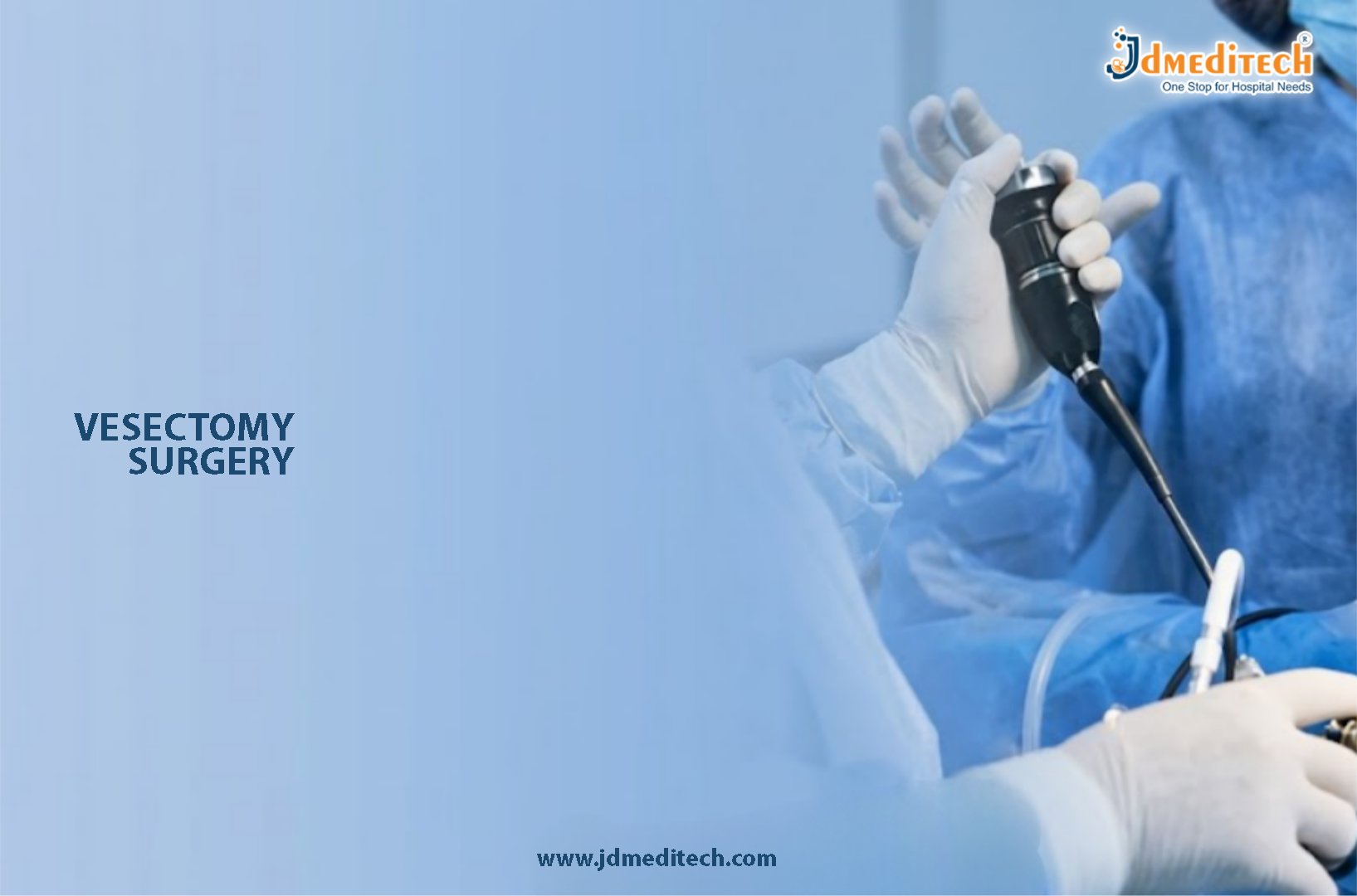
Vasectomy Surgery is a safe, effective, and minimally invasive male sterilization procedure designed to provide permanent contraception. The surgery prevents sperm from mixing with semen by blocking or cutting the vas deferens, the tubes responsible for carrying sperm from the testicles.
As a highly reliable birth control method, vasectomy is widely chosen by men seeking a long-term contraceptive solution. Moreover, the procedure is quick, usually performed on an outpatient basis, and associated with minimal recovery time.
Compared to temporary contraceptive methods, vasectomy offers long-lasting protection with a very high success rate.
What Is Vasectomy Surgery?
Vasectomy is a minor surgical procedure that permanently interrupts the transport of sperm. During ejaculation, semen is still produced normally; however, it no longer contains sperm capable of fertilization.
Importantly, vasectomy does not affect testosterone production, sexual performance, libido, or the ability to achieve erections and orgasm.
How Vasectomy Prevents Pregnancy
The procedure works by sealing, cutting, or blocking the vas deferens on both sides. Consequently, sperm cannot travel into the semen released during ejaculation.
Over time, the body naturally absorbs the unused sperm without causing harm.
Who Should Consider Vasectomy Surgery?
Vasectomy is recommended for men who are certain they do not want biological children in the future.
Common Reasons for Choosing Vasectomy
- Desire for permanent contraception
- Completion of family planning
- Avoidance of female sterilization procedures
- Preference for a highly effective birth control method
- Medical reasons preventing pregnancy in a partner
Therefore, careful consideration and counseling are essential before undergoing the procedure.
Types of Vasectomy Procedures
Several surgical techniques may be used depending on the surgeon’s preference and the patient’s condition.
Conventional Vasectomy
In this method, small incisions are made in the scrotum to access and seal the vas deferens.
No-Scalpel Vasectomy
This modern technique uses a tiny puncture instead of surgical cuts. As a result, patients often experience:
- Less bleeding
- Reduced discomfort
- Faster healing
- Smaller scars
Today, no-scalpel vasectomy is one of the most commonly performed techniques worldwide.
Diagnostic Evaluation Before Surgery
Before surgery, the doctor performs a detailed consultation and physical examination.
Preoperative Assessment May Include
- Medical history review
- Physical examination
- Discussion of permanent contraception
- Review of medications
- Counseling regarding postoperative expectations
Additionally, patients receive instructions regarding preparation and recovery.
How Vasectomy Surgery Is Performed
The procedure is generally completed within 20 to 30 minutes under local anesthesia.
Step-by-Step Surgical Procedure
Step 1: Administration of Local Anesthesia
First, local anesthesia is injected into the scrotal area to numb the surgical site.
Step 2: Accessing the Vas Deferens
Next, the surgeon identifies and gently brings the vas deferens to the surface.
Step 3: Cutting or Blocking the Vas Deferens
Then, the vas deferens is cut, sealed, clipped, or cauterized to stop sperm transport.
Step 4: Completion of the Procedure
Finally, the incision or puncture site is closed, and the patient is monitored briefly before discharge.
Since the procedure is minimally invasive, most patients return home the same day.
Benefits of Vasectomy Surgery
Vasectomy offers numerous advantages as a long-term contraceptive solution.
Key Benefits
- Highly effective permanent contraception
- Minimally invasive procedure
- Quick surgical time
- Outpatient treatment
- Minimal recovery period
- No effect on sexual performance
- Cost-effective long-term birth control
- Lower complication rates compared to female sterilization
Furthermore, vasectomy eliminates the need for ongoing contraceptive management.
Recovery After Vasectomy Surgery
Recovery is typically smooth and uncomplicated.
What to Expect After Surgery
- Mild swelling or bruising
- Minor discomfort for a few days
- Temporary scrotal soreness
- Ability to walk shortly after surgery
Most patients resume light activities within 24 to 48 hours. However, strenuous exercise should be avoided for about one week.
Postoperative Care Tips
- Apply ice packs to reduce swelling
- Wear supportive underwear
- Avoid heavy lifting temporarily
- Follow prescribed medications carefully
Additionally, proper rest supports faster healing.
Important Note About Fertility After Vasectomy
Vasectomy does not provide immediate sterility. Sperm may remain in the reproductive tract for several weeks or months after surgery.
Therefore, alternative contraception should be used until semen analysis confirms the absence of sperm.
Semen Analysis After Surgery
Doctors usually recommend semen testing several weeks after the procedure to confirm successful sterilization.
Only after a clear semen analysis can vasectomy be considered fully effective.
Possible Risks and Complications
Although vasectomy is considered very safe, rare complications may occur.
Potential Risks Include
- Mild bleeding
- Infection
- Swelling or bruising
- Temporary discomfort
- Sperm granuloma
- Chronic scrotal pain in rare cases
- Vasectomy failure or reconnection
Nevertheless, serious complications are uncommon when performed by experienced surgeons.
Long-Term Outlook After Vasectomy
Vasectomy provides excellent long-term contraceptive success with very high reliability.
Most men experience:
- Permanent pregnancy prevention
- Normal sexual function
- Unchanged hormone levels
- Improved peace of mind regarding contraception
Importantly, the procedure does not increase the risk of prostate cancer, sexual dysfunction, or reduced masculinity.
When to Consult a Doctor
Medical attention may be necessary if you experience:
- Severe pain
- Persistent swelling
- Fever
- Excessive bleeding
- Signs of infection
- Continued fertility concerns after surgery
Early evaluation helps ensure proper recovery and treatment if complications occur.
Conclusion
Vasectomy Surgery is a highly effective and minimally invasive procedure that offers reliable permanent male contraception. By safely blocking sperm transport, the surgery provides long-term pregnancy prevention without affecting sexual performance or hormone production.
Moreover, quick recovery, high success rates, and minimal surgical risks make vasectomy one of the most trusted contraceptive options for men worldwide. Therefore, men seeking permanent birth control should consult an experienced urologist to determine whether vasectomy is the right choice for their family planning goals.
Get Connected:
+91 79909 93062 | +91 63513 72032 | exports@jdmeditech.com