Laparoscopic cholecystectomy surgery is a modern minimally invasive procedure performed to remove the gallbladder, primarily in patients suffering from symptomatic cholelithiasis, commonly known as gallstones. Gallstones can cause severe abdominal pain, nausea, digestive disturbances, and serious complications if left untreated. Therefore, timely surgical management is often recommended for long-term relief and prevention of further health problems.
Traditionally, gallbladder removal required a large abdominal incision and prolonged recovery. However, advancements in laparoscopic surgery have transformed gallbladder treatment by allowing surgeons to perform the procedure through small incisions using specialized endoscopic instruments.
As a result, laparoscopic cholecystectomy has become the gold standard treatment for symptomatic gallstones because it offers less pain, faster recovery, shorter hospital stay, and excellent surgical outcomes.
What Is Laparoscopic Cholecystectomy Surgery?
Laparoscopic cholecystectomy surgery is a minimally invasive procedure used to remove the gallbladder through small abdominal incisions with the help of a laparoscope.
The gallbladder is a small organ located beneath the liver that stores bile, which helps digest fats. However, when gallstones develop, they may block bile flow and cause inflammation, pain, or infection.
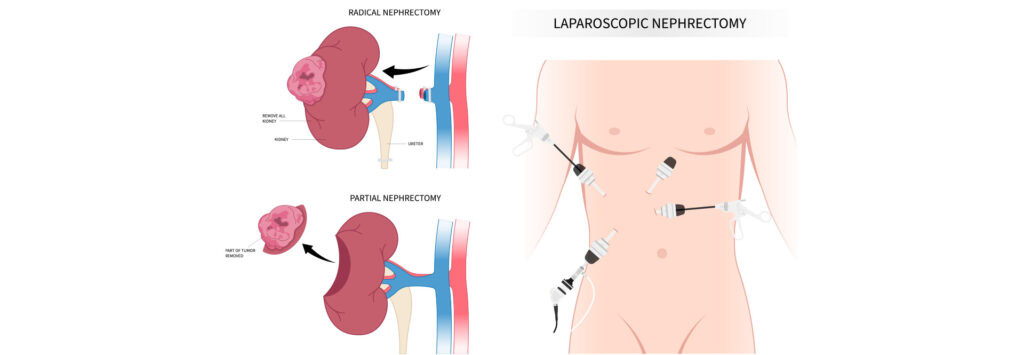
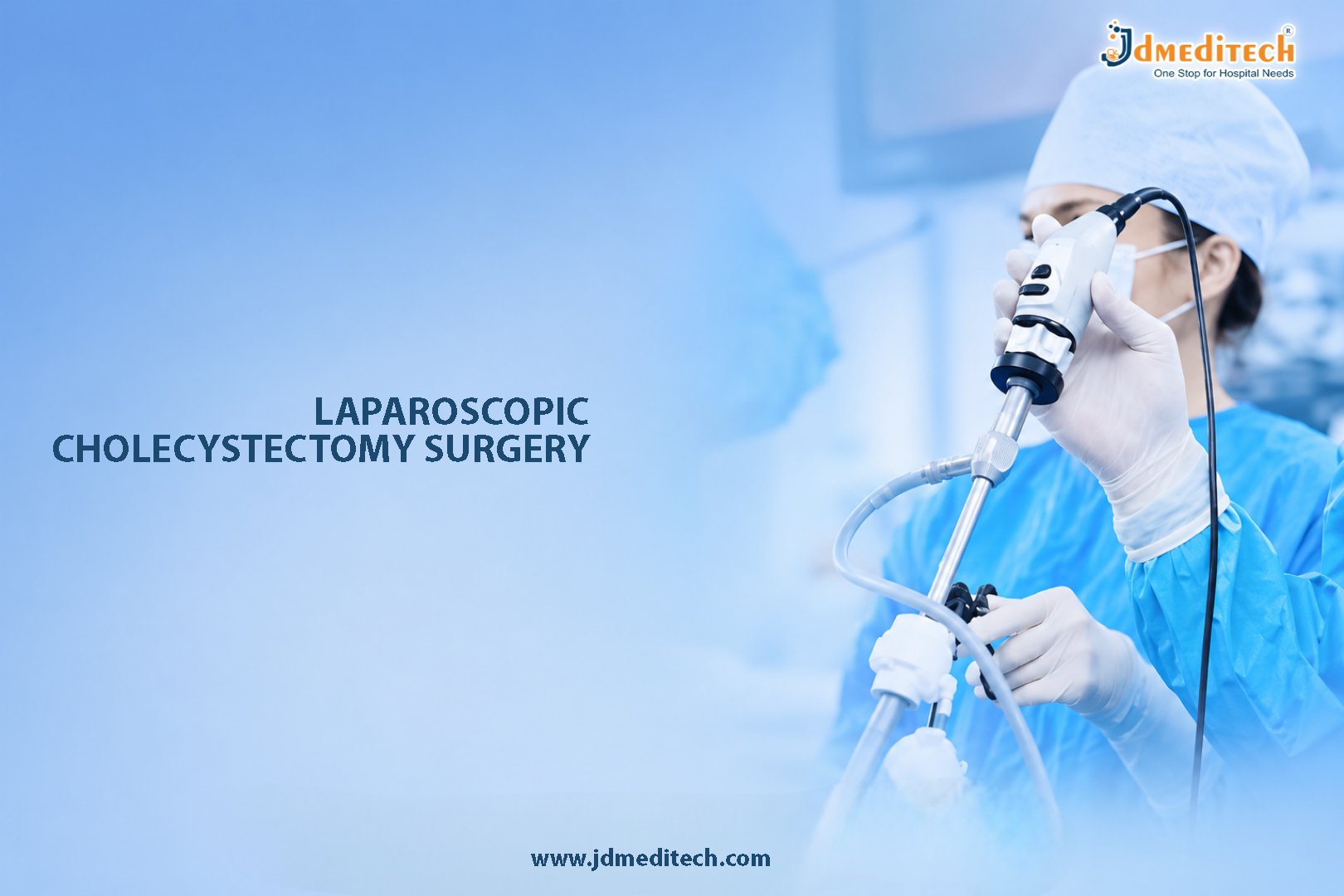
During laparoscopic cholecystectomy, the surgeon inserts a camera-equipped laparoscope and specialized surgical instruments into the abdomen. Subsequently, the gallbladder is carefully separated from surrounding structures and removed safely.
Ultimately, the surgery aims to eliminate symptoms, prevent complications, and improve digestive comfort.
Understanding Symptomatic Cholelithiasis
Cholelithiasis refers to the formation of gallstones within the gallbladder. Although some gallstones remain asymptomatic, others may lead to significant discomfort and complications.
Common Symptoms of Gallstones Include:
- Upper abdominal pain
- Pain after fatty meals
- Nausea and vomiting
- Indigestion
- Bloating
- Shoulder or back pain
- Fever in case of infection
Therefore, patients with persistent or severe symptoms often require surgical treatment.
Why Is Laparoscopic Cholecystectomy Performed?
Laparoscopic cholecystectomy is recommended when gallstones cause symptoms or complications that affect daily life and digestive health.
Common Indications for Surgery Include:
- Symptomatic gallstones
- Acute cholecystitis
- Chronic gallbladder inflammation
- Gallstone pancreatitis
- Gallbladder polyps
- Bile duct obstruction
- Recurrent biliary colic
In addition, early surgery can help prevent serious complications such as infection, pancreatitis, or bile duct injury.
Who Is a Suitable Candidate for Laparoscopic Cholecystectomy?
Generally, laparoscopic cholecystectomy may be recommended for:
- Patients with symptomatic gallstones
- Individuals with recurrent abdominal pain
- Patients with gallbladder inflammation
- Individuals medically fit for surgery
- Patients with gallstone-related complications
Importantly, a thorough medical evaluation helps determine the safest treatment approach.
Preoperative Evaluation Before Surgery
Before laparoscopic cholecystectomy, the surgeon performs detailed assessments to confirm the diagnosis and evaluate overall health.
Medical History Review
Initially, the doctor evaluates:
- Nature and duration of symptoms
- Digestive complaints
- Previous abdominal surgeries
- Existing medical conditions
- Medication history
- Dietary habits
Physical Examination
Furthermore, physical examination helps assess abdominal tenderness and signs of gallbladder inflammation.
Diagnostic Investigations
Additional tests may include:
- Abdominal ultrasound
- Liver function tests
- Blood investigations
- CT scan
- MRI or MRCP imaging
Consequently, these investigations help guide surgical planning.
How Laparoscopic Cholecystectomy Surgery Is Performed
Typically, laparoscopic cholecystectomy is performed under general anesthesia using advanced minimally invasive surgical equipment.
Step-by-Step Surgical Procedure
1. Creation of Small Incisions
First, the surgeon creates several tiny incisions in the abdomen for insertion of the laparoscope and surgical instruments.
2. Inflation of the Abdomen
Next, carbon dioxide gas is introduced to create working space inside the abdominal cavity.
3. Visualization of the Gallbladder
Afterward, the laparoscope provides magnified visualization of the gallbladder and surrounding organs.
4. Dissection of Gallbladder Structures
Then, the cystic duct and cystic artery are carefully identified, clipped, and divided.
5. Gallbladder Removal
Subsequently, the gallbladder is separated from the liver and removed through one of the small incisions.
6. Closure of Incisions
Finally, the instruments are removed and the incisions are closed with sutures or surgical glue.
Overall, the surgery usually takes between 30 minutes and 2 hours depending on complexity.
Benefits of Laparoscopic Cholecystectomy Surgery
Laparoscopic cholecystectomy offers several important advantages compared to traditional open surgery.
Minimally Invasive Technique
Because the procedure uses small incisions, tissue trauma and postoperative pain are significantly reduced.
Faster Recovery
Additionally, most patients recover more quickly and resume normal activities sooner.
Shorter Hospital Stay
Many patients are discharged within 24 hours after surgery.
Reduced Scarring
Smaller incisions lead to improved cosmetic outcomes with minimal visible scars.
Lower Risk of Infection
Furthermore, minimally invasive surgery may reduce wound-related complications.
Improved Quality of Life
Most importantly, surgery provides long-term relief from gallstone-related pain and digestive symptoms.
Recovery After Laparoscopic Cholecystectomy
Recovery after laparoscopic cholecystectomy is generally smooth and uncomplicated.
Common Postoperative Symptoms
Initially, patients may experience:
- Mild abdominal discomfort
- Temporary bloating
- Shoulder pain due to surgical gas
- Mild fatigue
- Nausea
However, these symptoms usually improve within a few days.
Recovery Guidelines
To support proper healing, patients are advised to:
- Walk regularly after surgery
- Stay hydrated
- Follow a light diet initially
- Avoid heavy lifting temporarily
- Maintain incision hygiene
- Take prescribed medications
As a result, most individuals return to work and routine activities within 1 to 2 weeks.
Diet After Gallbladder Removal
Although most patients digest food normally after surgery, temporary dietary adjustments may help during recovery.
Recommended Dietary Tips
Patients are encouraged to:
- Eat smaller meals
- Avoid very fatty foods initially
- Increase fiber gradually
- Stay hydrated
- Limit fried and spicy foods during early recovery
Consequently, these measures may improve digestive comfort after surgery.
Risks and Complications
Although laparoscopic cholecystectomy is considered very safe, certain complications may occur in rare cases.
Possible Complications Include:
- Bleeding
- Infection
- Bile leakage
- Injury to bile ducts
- Injury to surrounding organs
- Blood clots
- Anesthesia-related complications
Nevertheless, complication rates are generally low when surgery is performed by experienced surgeons.
Success Rates of Laparoscopic Cholecystectomy
Laparoscopic cholecystectomy has excellent success rates and is considered one of the safest abdominal surgeries.
Factors Influencing Outcomes
Several factors affect surgical outcomes, including:
- Severity of gallbladder disease
- Presence of infection
- Patient health status
- Obesity
- Surgical expertise
General Outcomes
Modern laparoscopic gallbladder surgery typically achieves:
- Excellent symptom relief
- Rapid recovery
- Low complication rates
- Improved digestive quality of life
Therefore, early surgical intervention often provides the best long-term outcomes.
Lifestyle Tips After Gallbladder Surgery
Healthy lifestyle habits may help support digestion and overall wellness after surgery.
Recommended Lifestyle Measures
Patients are encouraged to:
- Maintain healthy body weight
- Follow balanced nutrition
- Exercise regularly
- Avoid smoking
- Limit excessive fatty food intake
- Attend follow-up appointments
Consequently, these habits can support long-term digestive health.
Choosing the Right Surgeon
Successful laparoscopic cholecystectomy requires expertise in minimally invasive abdominal surgery.
Patients Should Look For:
- Experienced laparoscopic surgeons
- Advanced surgical facilities
- Expertise in gallbladder surgery
- Comprehensive postoperative care
- Strong patient safety protocols
Ultimately, experienced surgeons help ensure safe procedures and optimal recovery.
Conclusion
Laparoscopic cholecystectomy surgery is a modern minimally invasive solution for symptomatic cholelithiasis and gallbladder-related complications. By combining advanced laparoscopic techniques with precise surgical care, the procedure provides excellent symptom relief, faster recovery, and improved quality of life.
Moreover, early diagnosis and timely treatment can prevent serious complications associated with gallstones and gallbladder disease. Therefore, individuals experiencing persistent gallstone symptoms should consult an experienced surgeon for proper evaluation and treatment planning.
With modern surgical advancements and expert postoperative care, laparoscopic cholecystectomy continues to remain the gold standard treatment for gallbladder removal worldwide.
Get Connected:
+91 79909 93062 | +91 63513 72032 | exports@jdmeditech.com