
Laparoscopic hernia repair surgery is a modern minimally invasive procedure used to treat different types of hernias through small abdominal incisions. Hernias occur when an internal organ or tissue pushes through a weak area in the surrounding muscle or connective tissue. Although some hernias may initially cause mild discomfort, untreated hernias can gradually enlarge and lead to serious complications.
Traditionally, hernia repair required open surgery with larger incisions and longer recovery periods. However, advancements in laparoscopic surgery now allow surgeons to repair hernias using specialized endoscopic instruments and high-definition cameras. Consequently, patients benefit from reduced pain, faster recovery, shorter hospital stays, and minimal scarring.
Today, laparoscopic hernia repair is widely recognized as an effective and safe treatment option for many abdominal wall hernias. Therefore, it has become one of the most commonly performed minimally invasive surgical procedures worldwide.
What Is Laparoscopic Hernia Repair Surgery?
Laparoscopic hernia repair surgery is a minimally invasive procedure in which the surgeon repairs a hernia using small incisions, a laparoscope, and specialized surgical instruments.
A laparoscope is a thin tube equipped with a high-definition camera and light source. During the procedure, the surgeon inserts the laparoscope into the abdomen to obtain magnified views of the hernia and surrounding tissues.
Afterward, the protruding tissue is repositioned, and the weakened muscle wall is reinforced, usually with a surgical mesh. Ultimately, the procedure aims to restore abdominal wall strength, relieve symptoms, and prevent recurrence.
Understanding Hernias
A hernia develops when internal tissues push through a weak area in the abdominal wall or surrounding muscles.
Common Types of Hernias Include:
- Inguinal hernia
- Umbilical hernia
- Femoral hernia
- Incisional hernia
- Hiatal hernia
- Ventral hernia
Although hernias may vary in size and severity, surgical repair is often recommended to prevent complications.
Common Symptoms of Hernia
Symptoms may differ depending on the type and size of the hernia.
Frequently Reported Symptoms Include:
- Visible abdominal or groin bulge
- Pain or discomfort during lifting
- Burning or aching sensation
- Pressure in the abdomen
- Swelling near the groin
- Pain during coughing or straining
In severe cases, hernias may become trapped or strangulated, which requires emergency treatment.
Why Is Laparoscopic Hernia Repair Performed?
Laparoscopic hernia repair is performed to strengthen the abdominal wall and prevent worsening of the hernia.
Common Indications for Surgery Include:
- Symptomatic hernia
- Enlarging hernia
- Recurrent hernia
- Pain affecting daily activities
- Strangulated hernia
- Obstructed hernia
- Weak abdominal wall after surgery
In addition, early surgical treatment may reduce the risk of emergency complications.
Who Is a Suitable Candidate for Laparoscopic Hernia Repair?
Generally, laparoscopic hernia repair may be recommended for:
- Patients with inguinal hernias
- Individuals with bilateral hernias
- Patients with recurrent hernias
- Individuals seeking faster recovery
- Patients medically fit for minimally invasive surgery
However, the final surgical approach depends on hernia size, location, and patient health status.
Preoperative Evaluation Before Surgery
Before laparoscopic hernia repair, the surgeon performs a comprehensive assessment to evaluate the hernia and overall health condition.
Medical History Review
Initially, the doctor reviews:
- Duration of symptoms
- Previous surgeries
- Hernia-related discomfort
- Existing medical conditions
- Medication use
- Lifestyle factors
Physical Examination
Furthermore, physical examination helps determine:
- Hernia location
- Hernia size
- Reducibility
- Presence of complications
Diagnostic Investigations
Additional tests may include:
- Ultrasound scan
- CT scan
- Blood investigations
- Cardiac evaluation in selected patients
Consequently, these evaluations assist in surgical planning and patient safety.
How Laparoscopic Hernia Repair Surgery Is Performed
Typically, laparoscopic hernia repair is performed under general anesthesia using advanced minimally invasive surgical equipment.
Step-by-Step Surgical Procedure
1. Creation of Small Incisions
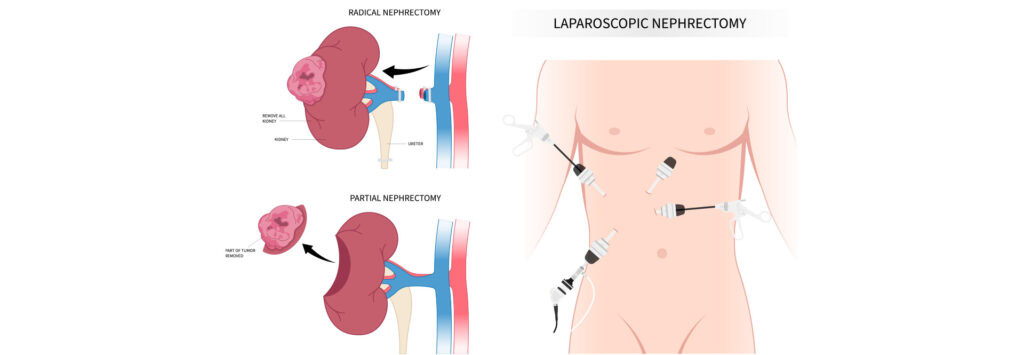
First, the surgeon creates several tiny abdominal incisions for insertion of the laparoscope and surgical instruments.
2. Inflation of the Abdomen
Next, carbon dioxide gas is introduced into the abdomen to create adequate working space.
3. Visualization of the Hernia
Afterward, the laparoscope provides magnified views of the hernia defect and surrounding tissues.
4. Repositioning of Herniated Tissue
Then, the protruding tissue or organ is gently moved back into its normal position.
5. Placement of Surgical Mesh
Subsequently, a synthetic mesh is placed over the weakened area to reinforce the abdominal wall.
6. Mesh Fixation
The mesh is secured using sutures, staples, or surgical adhesives.
7. Closure of Incisions
Finally, the instruments are removed and the small incisions are closed with sutures or surgical glue.
Overall, the procedure usually takes between 30 minutes and 2 hours depending on hernia complexity.
Types of Laparoscopic Hernia Repair Techniques
Several laparoscopic techniques are available depending on the type of hernia.
| Procedure Type | Common Use | Key Advantage |
| TAPP Repair (Transabdominal Preperitoneal) | Inguinal hernia | Excellent visualization |
| TEP Repair (Totally Extraperitoneal) | Inguinal hernia | Avoids abdominal cavity entry |
| Laparoscopic Ventral Hernia Repair | Ventral and incisional hernia | Strong abdominal reinforcement |
| Hiatal Hernia Repair | Hiatal hernia | Improves reflux symptoms |
Ultimately, the surgeon selects the most suitable approach based on individual patient needs.
Benefits of Laparoscopic Hernia Repair Surgery
Laparoscopic hernia repair offers several important advantages over traditional open surgery.
Minimally Invasive Technique
Because the procedure uses small incisions, tissue trauma and postoperative discomfort are significantly reduced.
Faster Recovery
Additionally, patients usually return to normal activities more quickly.
Reduced Pain
Smaller incisions often result in less postoperative pain.
Lower Risk of Infection
Furthermore, minimally invasive surgery may reduce wound-related complications.
Better Cosmetic Results
Minimal scarring improves cosmetic appearance after recovery.
Earlier Return to Work
Consequently, many patients resume work and daily activities sooner compared to open surgery.
Recovery After Laparoscopic Hernia Repair
Recovery after laparoscopic hernia repair is generally smooth and relatively quick.
Common Postoperative Symptoms
Initially, patients may experience:
- Mild abdominal discomfort
- Temporary bloating
- Fatigue
- Minor swelling near incision sites
However, these symptoms usually improve within several days.
Recovery Guidelines
To support proper healing, patients are advised to:
- Walk regularly after surgery
- Avoid heavy lifting temporarily
- Maintain healthy bowel habits
- Stay hydrated
- Follow wound care instructions
- Attend follow-up appointments
As a result, many individuals return to light activities within a few days and normal activities within several weeks.
Risks and Complications
Although laparoscopic hernia repair is considered very safe, certain complications may occasionally occur.
Possible Complications Include:
- Bleeding
- Infection
- Hernia recurrence
- Mesh-related complications
- Injury to nearby organs
- Chronic pain
- Blood clots
- Anesthesia-related complications
Nevertheless, complication rates are generally low when surgery is performed by experienced surgeons.
Preventing Hernia Recurrence
Following surgery, healthy lifestyle habits may help reduce the risk of hernia recurrence.
Preventive Measures Include:
- Maintaining healthy body weight
- Avoiding heavy lifting
- Treating chronic cough
- Preventing constipation
- Exercising regularly
- Following postoperative restrictions carefully
Consequently, these measures may strengthen abdominal muscles and support long-term surgical success.
Success Rates of Laparoscopic Hernia Repair
Laparoscopic hernia repair has excellent long-term success rates.
Factors Affecting Outcomes
Several factors influence recovery and surgical success, including:
- Hernia type and size
- Surgical technique
- Patient health condition
- Smoking status
- Obesity
- Surgeon expertise
General Outcomes
Modern laparoscopic hernia surgery typically provides:
- Effective hernia repair
- Faster healing
- Reduced recurrence rates
- Improved patient comfort
- Excellent cosmetic outcomes
Therefore, early treatment often results in better long-term results.
Choosing the Right Surgeon
Successful laparoscopic hernia repair requires specialized expertise in minimally invasive surgery.
Patients Should Look For:
- Experienced laparoscopic surgeons
- Advanced surgical facilities
- Expertise in hernia repair techniques
- Comprehensive postoperative care
- Strong patient safety protocols
Ultimately, experienced specialists improve surgical precision and patient recovery.
Conclusion
Laparoscopic hernia repair surgery is a modern minimally invasive solution for treating abdominal wall hernias safely and effectively. By combining advanced endoscopic technology with precise surgical techniques, the procedure offers reduced pain, faster recovery, minimal scarring, and excellent long-term outcomes.
Moreover, early diagnosis and timely treatment can prevent serious hernia-related complications such as obstruction and strangulation. Therefore, individuals experiencing hernia symptoms should consult an experienced surgeon for proper evaluation and personalized treatment planning.
With ongoing advancements in minimally invasive surgery and mesh repair technology, laparoscopic hernia repair continues to remain one of the most reliable and effective treatments for hernia management worldwide.
Get Connected:
+91 79909 93062 | +91 63513 72032 | exports@jdmeditech.com