Laparoscopic colectomy surgery is an advanced minimally invasive procedure performed to remove part or all of the colon for the treatment of various colorectal diseases. The colon, also known as the large intestine, plays a major role in water absorption and waste elimination. However, conditions such as colorectal cancer, diverticular disease, inflammatory bowel disease, and bowel obstruction may require surgical intervention to restore digestive health and prevent serious complications.
Traditionally, colectomy procedures were performed through large abdominal incisions, resulting in significant postoperative pain and prolonged recovery. However, modern laparoscopic techniques now allow surgeons to perform colon surgery using small incisions, high-definition cameras, and specialized endoscopic instruments. Consequently, patients benefit from reduced pain, faster healing, shorter hospital stays, and improved cosmetic outcomes.
Today, laparoscopic colectomy has become a preferred surgical approach for many colorectal conditions because it combines surgical precision with the advantages of minimally invasive surgery.
What Is Laparoscopic Colectomy Surgery?
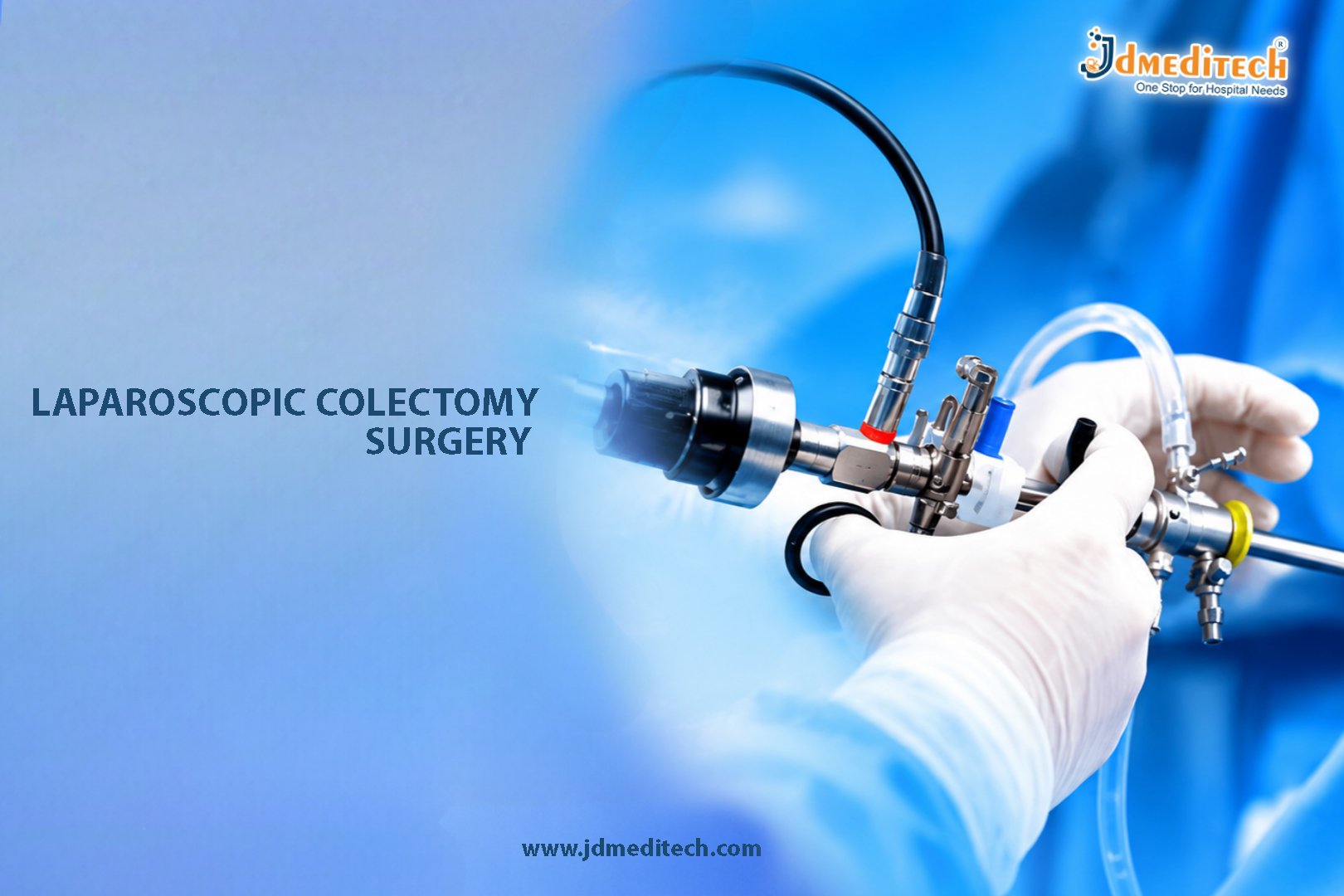
Laparoscopic colectomy surgery is a minimally invasive procedure used to remove diseased portions of the colon through small abdominal incisions with the assistance of a laparoscope.
A laparoscope is a thin camera-equipped instrument that provides magnified views of the abdominal cavity. During the procedure, surgeons use specialized instruments to separate and remove the affected section of the colon while preserving healthy surrounding tissue whenever possible.
After removal of the diseased segment, the remaining healthy ends of the intestine are usually reconnected to restore normal bowel function.
Ultimately, the primary goal of laparoscopic colectomy is to effectively treat colorectal disease while minimizing surgical trauma and improving recovery.
Why Is Laparoscopic Colectomy Performed?
Laparoscopic colectomy is recommended for a wide range of colorectal diseases that cannot be managed effectively with medications or non-surgical treatments.
Common Indications for Surgery Include:
- Colorectal cancer
- Diverticulitis
- Crohn’s disease
- Ulcerative colitis
- Colon polyps
- Bowel obstruction
- Gastrointestinal bleeding
- Colon perforation
- Ischemic bowel disease
- Familial polyposis syndromes
In addition, early surgical treatment may help prevent disease progression and serious abdominal complications.
Understanding Colorectal Diseases
Several disorders affecting the colon may require colectomy surgery.
Colorectal Cancer
Colorectal cancer is one of the most common reasons for colectomy. Surgical removal of the cancerous portion of the colon often provides the best chance for effective treatment.
Diverticulitis
Diverticulitis occurs when small pouches in the colon wall become inflamed or infected. Recurrent or severe cases may require surgery.
Inflammatory Bowel Disease
Conditions such as Crohn’s disease and ulcerative colitis can cause chronic inflammation and severe bowel damage.
Colon Polyps
Large or precancerous polyps may also require surgical removal to reduce cancer risk.
Therefore, timely diagnosis and appropriate treatment are extremely important for long-term digestive health.
Types of Laparoscopic Colectomy Procedures
Different types of colectomy procedures may be performed depending on the location and severity of disease.
| Procedure Type | Portion Removed | Common Indications |
| Right Hemicolectomy | Right side of colon | Right-sided colon cancer |
| Left Hemicolectomy | Left side of colon | Diverticulitis or cancer |
| Sigmoid Colectomy | Sigmoid colon | Diverticular disease |
| Total Colectomy | Entire colon | Ulcerative colitis |
| Partial Colectomy | Limited colon segment | Localized disease |
Ultimately, the surgeon selects the most appropriate procedure based on the patient’s condition.
Who Is a Suitable Candidate for Laparoscopic Colectomy?
Generally, laparoscopic colectomy may be recommended for:
- Patients with colorectal cancer
- Individuals with severe diverticular disease
- Patients with inflammatory bowel disease
- Individuals with recurrent bowel obstruction
- Patients medically fit for minimally invasive surgery
Importantly, patient suitability depends on overall health, disease severity, and surgical complexity.
Preoperative Evaluation Before Surgery
Before laparoscopic colectomy, the surgical team performs detailed assessments to plan safe and effective treatment.
Medical History Review
Initially, the doctor reviews:
- Digestive symptoms
- Bowel habits
- Weight loss
- Previous surgeries
- Family history of colorectal disease
- Medication history
Physical Examination
Furthermore, abdominal examination helps identify tenderness, masses, or bowel abnormalities.
Diagnostic Investigations
Additional tests may include:
- Colonoscopy
- CT scan
- MRI imaging
- Blood investigations
- Biopsy
- Chest imaging
Consequently, these evaluations assist in surgical planning and disease staging.
How Laparoscopic Colectomy Surgery Is Performed
Typically, laparoscopic colectomy is performed under general anesthesia using advanced minimally invasive surgical equipment.
Step-by-Step Surgical Procedure
1. Creation of Small Incisions
First, the surgeon creates several small abdominal incisions for insertion of the laparoscope and surgical instruments.
2. Inflation of the Abdomen
Next, carbon dioxide gas is introduced into the abdomen to create working space.
3. Visualization of the Colon
Afterward, the laparoscope provides magnified views of the colon and surrounding organs.
4. Mobilization of the Diseased Colon Segment
Then, the surgeon carefully separates the affected portion of the colon from nearby tissues and blood vessels.
5. Removal of the Diseased Segment
Subsequently, the diseased colon segment is removed through a slightly enlarged incision.
6. Reconnection of the Intestine
The healthy ends of the intestine are then reconnected using stapling or suturing techniques.
7. Closure of Incisions
Finally, the surgical instruments are removed and the incisions are closed.
Overall, the procedure usually takes between 2 and 5 hours depending on complexity.
Benefits of Laparoscopic Colectomy Surgery
Laparoscopic colectomy offers several important advantages compared to traditional open colon surgery.
Minimally Invasive Technique
Because the procedure uses small incisions, postoperative pain and tissue trauma are significantly reduced.
Faster Recovery
Additionally, patients often return to normal activities sooner.
Reduced Blood Loss
Modern laparoscopic techniques help minimize surgical bleeding.
Lower Infection Risk
Smaller incisions may reduce wound-related complications.
Better Cosmetic Outcomes
Minimal scarring improves postoperative appearance.
Shorter Hospital Stay
Consequently, many patients experience earlier discharge from the hospital.
Recovery After Laparoscopic Colectomy
Recovery after laparoscopic colectomy varies depending on the extent of surgery and the patient’s overall health.
Common Postoperative Symptoms
Initially, patients may experience:
- Mild abdominal discomfort
- Fatigue
- Temporary bloating
- Changes in bowel habits
- Reduced appetite
However, these symptoms usually improve gradually during recovery.
Recovery Guidelines
To support proper healing, patients are advised to:
- Walk regularly after surgery
- Stay hydrated
- Follow dietary instructions
- Avoid heavy lifting
- Take medications as prescribed
- Attend follow-up appointments
As a result, many individuals return to daily activities within several weeks.
Diet After Colectomy Surgery
Dietary management plays an important role after colon surgery.
Recommended Dietary Measures
Patients are encouraged to:
- Start with soft foods
- Eat smaller meals
- Increase fiber gradually
- Stay hydrated
- Avoid highly processed foods initially
Consequently, these measures may help support healthy digestion and bowel recovery.
Risks and Complications
Although laparoscopic colectomy is considered safe, certain complications may occasionally occur.
Possible Complications Include:
- Bleeding
- Infection
- Anastomotic leakage
- Bowel obstruction
- Blood clots
- Injury to nearby organs
- Hernia formation
- Anesthesia-related complications
Nevertheless, complication rates are generally lower compared to traditional open surgery.
Success Rates of Laparoscopic Colectomy
Laparoscopic colectomy has excellent success rates for many colorectal diseases.
Factors Affecting Outcomes
Several factors influence surgical outcomes, including:
- Underlying disease
- Disease stage
- Patient health condition
- Surgical expertise
- Postoperative care
General Outcomes
Modern laparoscopic colectomy typically provides:
- Effective disease management
- Faster recovery
- Reduced pain
- Lower complication rates
- Improved quality of life
Therefore, early diagnosis and timely surgical intervention often improve long-term results.
Lifestyle Tips After Surgery
Healthy lifestyle habits may support long-term digestive health after colectomy.
Recommended Lifestyle Measures
Patients are encouraged to:
- Maintain balanced nutrition
- Exercise regularly
- Avoid smoking
- Limit alcohol consumption
- Attend regular medical follow-ups
- Maintain healthy body weight
Consequently, these habits may improve overall recovery and bowel health.
Choosing the Right Colorectal Surgeon
Successful laparoscopic colectomy requires expertise in minimally invasive colorectal surgery.
Patients Should Look For:
- Experienced colorectal surgeons
- Advanced laparoscopic surgical facilities
- Expertise in gastrointestinal surgery
- Comprehensive postoperative care
- Strong patient safety standards
Ultimately, specialized surgical care improves both patient safety and long-term treatment outcomes.
Conclusion
Laparoscopic colectomy surgery is an advanced minimally invasive procedure for the treatment of various colorectal diseases, including cancer, diverticulitis, and inflammatory bowel disease. By combining modern laparoscopic technology with precise surgical techniques, the procedure offers effective disease management with reduced pain, faster recovery, and improved cosmetic outcomes.
Moreover, early diagnosis and timely surgical treatment can help prevent serious complications and improve long-term digestive health. Therefore, patients experiencing persistent colorectal symptoms should seek evaluation from an experienced colorectal surgeon.
With continuous advancements in minimally invasive surgery and specialized postoperative care, laparoscopic colectomy continues to remain a highly effective solution for colorectal disease management worldwide.
Get Connected:
+91 79909 93062 | +91 63513 72032 | exports@jdmeditech.com