Endometriosis is a chronic gynecological condition that affects millions of women worldwide. It occurs when tissue similar to the lining of the uterus grows outside the uterus, leading to pelvic pain, painful periods, infertility, and discomfort during daily activities. Fortunately, advances in minimally invasive gynecology have transformed treatment outcomes. Among the most effective treatment options is laparoscopic endometriosis surgery, a modern surgical technique designed to relieve symptoms, remove endometriosis lesions, and preserve reproductive health.
This advanced procedure offers faster recovery, minimal scarring, and improved fertility outcomes compared to traditional open surgery. In this blog, we will explore the procedure, benefits, indications, recovery process, and why laparoscopic surgery has become the preferred treatment for endometriosis.
What Is Laparoscopic Endometriosis Surgery?
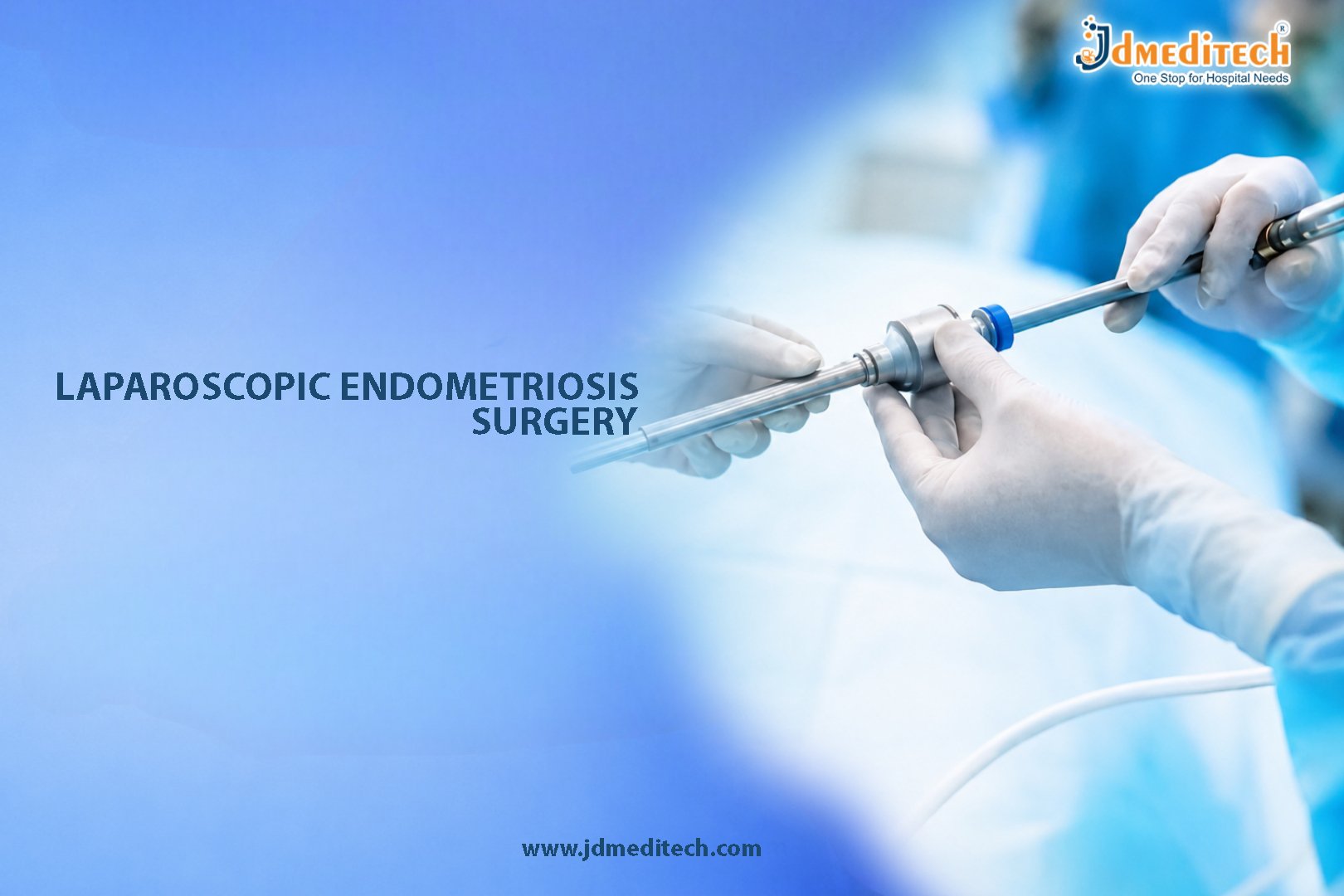
Laparoscopic endometriosis surgery is a minimally invasive gynecologic procedure performed to diagnose and treat endometriosis. During the surgery, a surgeon inserts a thin camera called a laparoscope through small abdominal incisions to visualize and remove abnormal endometrial tissue.
The procedure may involve:
- Excision of endometriosis implants
- Removal of ovarian cysts known as endometriomas
- Separation of pelvic adhesions
- Restoration of normal pelvic anatomy
- Preservation of reproductive organs whenever possible
Because the surgery uses small incisions, patients generally experience less pain and quicker healing.
Understanding Endometriosis
Endometriosis commonly affects:
- Ovaries
- Fallopian tubes
- Pelvic lining
- Bladder
- Bowel
- Uterine ligaments
Common symptoms include:
- Severe menstrual cramps
- Chronic pelvic pain
- Pain during intercourse
- Heavy menstrual bleeding
- Painful urination or bowel movements
- Difficulty conceiving
In many cases, symptoms worsen over time if left untreated.
Who Needs Laparoscopic Endometriosis Surgery?
Doctors may recommend laparoscopic surgery when:
- Pelvic pain becomes severe
- Medical therapy fails to provide relief
- Ovarian cysts are present
- Fertility is affected
- Endometriosis causes organ involvement
- Suspicion of advanced-stage disease exists
Additionally, surgery may be advised for women planning pregnancy who want to improve fertility potential.
Benefits of Laparoscopic Endometriosis Surgery
Effective Pain Relief
One of the primary advantages of laparoscopic surgery is long-term relief from pelvic pain and menstrual discomfort.
Fertility Preservation
The procedure helps restore normal pelvic anatomy while preserving healthy ovarian tissue and reproductive organs.
Minimally Invasive Approach
Small incisions reduce trauma to surrounding tissues and improve cosmetic outcomes.
Faster Recovery
Patients typically recover more quickly compared to open surgery.
Reduced Hospital Stay
Most women can return home within 24 hours after surgery.
Better Visualization
The laparoscope provides magnified images that help surgeons precisely identify and remove endometriosis lesions.
Preoperative Evaluation
Before surgery, the gynecologist may perform:
- Detailed pelvic examination
- Ultrasound imaging
- MRI scan in complex cases
- Blood investigations
- Fertility assessment if required
Patients are also counseled regarding surgical goals, fertility planning, and recovery expectations.
Step-by-Step Procedure of Laparoscopic Endometriosis Surgery
Anesthesia Administration
The surgery is performed under general anesthesia.
Creation of Small Incisions
Tiny incisions are made in the abdomen for insertion of the laparoscope and surgical instruments.
Pelvic Examination
The surgeon carefully examines the pelvic organs to identify endometriosis lesions, adhesions, and cysts.
Removal of Endometriosis Tissue
Abnormal tissue is removed using advanced surgical techniques such as excision, laser therapy, or electrosurgery.
Adhesiolysis
Scar tissue and adhesions are separated to restore normal pelvic anatomy.
Completion of Surgery
After ensuring bleeding control, the instruments are removed and the incisions are closed.
Types of Endometriosis Treated with Laparoscopy
Superficial Endometriosis
Small lesions located on pelvic surfaces.
Ovarian Endometriomas
Chocolate cysts affecting the ovaries.
Deep Infiltrating Endometriosis
Advanced disease involving deeper tissues, bowel, bladder, or ligaments.
Adhesive Disease
Scar tissue causing pelvic organ distortion.
Recovery After Laparoscopic Endometriosis Surgery
Recovery is generally smooth and quicker than traditional surgery.
Immediate Postoperative Period
Patients may experience:
- Mild abdominal discomfort
- Shoulder pain from surgical gas
- Temporary fatigue
- Minor bloating
Return to Daily Activities
- Light activities: Within a few days
- Office work: Usually within 1–2 weeks
- Full recovery: Approximately 2–4 weeks
However, recovery time may vary depending on disease severity and extent of surgery.
Fertility Outcomes After Surgery
Laparoscopic surgery plays an important role in fertility preservation and improvement. By removing endometriosis lesions and restoring pelvic anatomy, the procedure may enhance natural conception chances.
Women with infertility related to endometriosis often benefit significantly from early surgical management.
Risks and Complications
Although laparoscopic endometriosis surgery is generally safe, potential risks include:
- Bleeding
- Infection
- Injury to surrounding organs
- Adhesion recurrence
- Endometriosis recurrence
- Temporary urinary or bowel symptoms
Choosing an experienced laparoscopic gynecologic surgeon significantly reduces these risks.
Preventing Endometriosis Recurrence
After surgery, doctors may recommend:
- Hormonal therapy
- Lifestyle modifications
- Regular gynecologic follow-up
- Fertility planning support
Early treatment and ongoing monitoring help reduce recurrence rates.
Why Choose Laparoscopic Surgery Over Open Surgery?
Compared to conventional open surgery, laparoscopy offers:
| Feature | Laparoscopic Surgery | Open Surgery |
| Incision Size | Small | Large |
| Pain Level | Less | More |
| Recovery Time | Faster | Longer |
| Hospital Stay | Short | Extended |
| Blood Loss | Minimal | Higher |
| Cosmetic Results | Better | Visible Scar |
Because of these advantages, laparoscopy is considered the gold standard for endometriosis treatment.
When to Consult a Gynecologic Specialist
Seek medical consultation if you experience:
- Severe menstrual pain
- Chronic pelvic pain
- Difficulty conceiving
- Pain during intercourse
- Heavy menstrual bleeding
- Persistent gastrointestinal symptoms during periods
Early diagnosis and timely treatment can prevent complications and improve quality of life.
Conclusion
Laparoscopic endometriosis surgery is an advanced and effective gynecologic procedure that offers significant pain relief, fertility preservation, and faster recovery. With modern minimally invasive techniques, surgeons can precisely remove endometriosis tissue while protecting healthy reproductive organs.
Women suffering from chronic pelvic pain or infertility due to endometriosis should consult an experienced gynecologic specialist to explore personalized treatment options. Early intervention not only improves symptoms but also enhances long-term reproductive and overall health outcomes.
Get Connected:
+91 79909 93062 | +91 63513 72032 | exports@jdmeditech.com