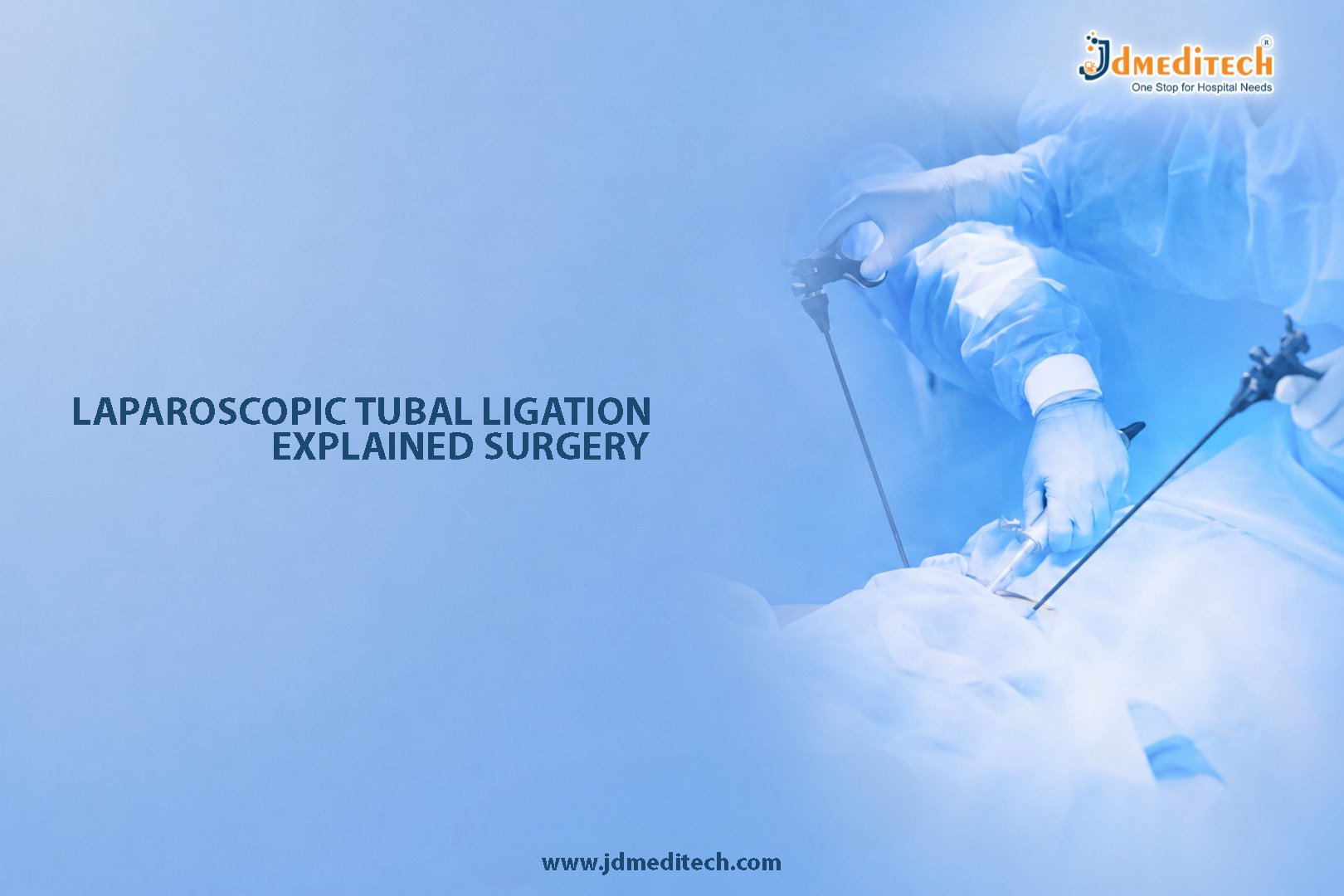
Laparoscopic tubal ligation surgery is a widely performed minimally invasive gynecologic procedure used for permanent female sterilization. The procedure involves blocking, sealing, or cutting the fallopian tubes to prevent pregnancy by stopping the egg and sperm from meeting. Because it provides long-term contraception without affecting hormonal balance, laparoscopic tubal ligation has become a highly effective and reliable birth control option for women who no longer wish to conceive.
Traditionally, sterilization procedures required larger abdominal incisions and longer recovery periods. However, advancements in laparoscopic surgery now allow gynecologic surgeons to perform tubal ligation through small abdominal incisions using high-definition cameras and specialized endoscopic instruments. Consequently, patients benefit from reduced postoperative discomfort, faster recovery, shorter hospital stays, and minimal scarring.
Today, laparoscopic tubal ligation remains one of the most commonly chosen permanent contraception procedures worldwide due to its safety, effectiveness, and minimally invasive advantages.
What Is Laparoscopic Tubal Ligation Surgery?
Laparoscopic tubal ligation surgery is a minimally invasive procedure performed to permanently block or seal the fallopian tubes.
The fallopian tubes are responsible for carrying eggs from the ovaries to the uterus. During tubal ligation, the surgeon interrupts the pathway of the tubes using clips, rings, cauterization, or surgical cutting techniques. As a result, fertilization cannot occur.
The procedure is performed using a laparoscope, which is a thin camera-equipped instrument inserted through small abdominal incisions. This provides magnified visualization of the reproductive organs and allows highly precise surgical treatment.
Ultimately, the primary goal of laparoscopic tubal ligation is to provide safe, permanent contraception with minimal surgical trauma.
Why Is Laparoscopic Tubal Ligation Performed?
Laparoscopic tubal ligation is performed for women seeking permanent birth control.
Common Reasons for Tubal Ligation Include:
- Completion of family planning
- Desire for permanent contraception
- Medical conditions making pregnancy risky
- Intolerance to hormonal contraception
- Preference for long-term contraceptive solution
- Genetic concerns regarding pregnancy
Additionally, the procedure eliminates the need for daily or temporary contraceptive methods.
Understanding Female Sterilization
Female sterilization is considered a permanent method of contraception.
How Tubal Ligation Prevents Pregnancy
After tubal ligation:
- Eggs released from the ovaries cannot reach the uterus
- Sperm cannot travel through blocked tubes
- Fertilization is prevented
Importantly, tubal ligation does not affect menstrual cycles, hormonal production, or sexual function.
Types of Tubal Ligation Techniques
Several laparoscopic techniques may be used to occlude the fallopian tubes.
| Technique | Method | Common Use |
| Tubal Clips | Application of clips to tubes | Minimally damaging approach |
| Tubal Rings | Placement of silicone rings | Common laparoscopic method |
| Electrocautery | Sealing tubes with electrical energy | Permanent occlusion |
| Partial Salpingectomy | Removal of tube segments | Long-term sterilization |
Ultimately, the surgeon selects the most appropriate technique based on patient preference and clinical considerations.
Who Is a Suitable Candidate for Laparoscopic Tubal Ligation?
Generally, laparoscopic tubal ligation may be recommended for:
- Women seeking permanent contraception
- Individuals medically fit for minimally invasive surgery
- Women certain about avoiding future pregnancy
- Patients unable to use hormonal contraception
- Women with completed family planning goals
Importantly, counseling is essential before surgery because tubal ligation is considered a permanent procedure.
Preoperative Evaluation Before Surgery
Before laparoscopic tubal ligation, the gynecologist performs detailed assessments to ensure patient safety and informed decision-making.
Medical History Review
Initially, the doctor evaluates:
- Reproductive history
- Current contraceptive methods
- Previous pregnancies
- Existing medical conditions
- Medication use
- Surgical history
Physical Examination
Furthermore, pelvic and general physical examinations help assess overall health and surgical fitness.
Diagnostic Investigations
Additional tests may include:
- Pregnancy testing
- Blood investigations
- Pelvic ultrasound in selected cases
- Pre-anesthesia evaluation
Consequently, these evaluations help ensure safe surgical planning.
How Laparoscopic Tubal Ligation Surgery Is Performed
Typically, laparoscopic tubal ligation is performed under general anesthesia using advanced minimally invasive surgical equipment.
Step-by-Step Surgical Procedure
1. Creation of Small Incisions
First, the surgeon creates one or more tiny abdominal incisions for insertion of the laparoscope and surgical instruments.
2. Inflation of the Abdomen
Next, carbon dioxide gas is introduced into the abdomen to create adequate working space.
3. Visualization of Reproductive Organs
Afterward, the laparoscope provides magnified views of the uterus, ovaries, and fallopian tubes.
4. Identification of the Fallopian Tubes
The surgeon carefully identifies both fallopian tubes and surrounding pelvic structures.
5. Tubal Occlusion Procedure
Then, the tubes are blocked using clips, rings, cauterization, or surgical division depending on the chosen technique.
6. Inspection for Bleeding or Complications
Furthermore, the pelvic cavity is inspected to ensure proper occlusion and bleeding control.
7. Closure of Incisions
Finally, the instruments are removed and the small incisions are closed with sutures or surgical glue.
Overall, the procedure usually takes between 20 minutes and 1 hour.
Benefits of Laparoscopic Tubal Ligation Surgery
Laparoscopic tubal ligation offers several important advantages compared to traditional open sterilization procedures.
Minimally Invasive Technique
Because the procedure uses small incisions, postoperative discomfort and tissue trauma are significantly reduced.
Permanent Birth Control
The procedure provides highly effective long-term contraception.
Faster Recovery
Additionally, patients usually recover quickly and resume daily activities sooner.
Minimal Scarring
Small incisions result in improved cosmetic appearance.
No Ongoing Maintenance
Unlike temporary contraceptive methods, tubal ligation requires no daily management.
Hormone-Free Contraception
Importantly, the procedure does not interfere with natural hormone production.
Recovery After Laparoscopic Tubal Ligation
Recovery after laparoscopic tubal ligation is generally smooth and relatively fast.
Common Postoperative Symptoms
Initially, patients may experience:
- Mild abdominal discomfort
- Temporary bloating
- Fatigue
- Mild pelvic cramping
- Shoulder pain from surgical gas
However, these symptoms usually improve within several days.
Recovery Guidelines
To support proper healing, patients are advised to:
- Walk regularly after surgery
- Stay hydrated
- Avoid heavy lifting temporarily
- Follow incision care instructions
- Attend follow-up appointments
As a result, many individuals return to normal activities within a few days.
Effectiveness of Tubal Ligation
Laparoscopic tubal ligation is considered one of the most effective forms of permanent contraception.
Success and Failure Rates
The procedure has:
- Very high contraceptive success rates
- Low pregnancy risk after surgery
- Long-term effectiveness without maintenance
Nevertheless, although rare, pregnancy may occasionally occur after tubal ligation.
Risks and Complications
Although laparoscopic tubal ligation is considered very safe, certain complications may occasionally occur.
Possible Complications Include:
- Bleeding
- Infection
- Injury to nearby organs
- Reaction to anesthesia
- Tubal ligation failure
- Ectopic pregnancy
- Adhesion formation
However, complication rates are generally low when surgery is performed by experienced gynecologic surgeons.
Emotional and Reproductive Considerations
Because tubal ligation is considered permanent, emotional and reproductive counseling is extremely important before surgery.
Important Considerations Include:
- Future pregnancy plans
- Emotional readiness
- Relationship factors
- Understanding reversibility limitations
- Alternative contraceptive options
Therefore, patients should make informed decisions after detailed counseling.
Lifestyle Tips After Surgery
Healthy lifestyle habits may support healing and overall reproductive wellness after surgery.
Recommended Lifestyle Measures
Patients are encouraged to:
- Maintain balanced nutrition
- Stay physically active
- Avoid smoking
- Follow medical instructions carefully
- Attend routine gynecologic follow-ups
Consequently, these habits may improve recovery and long-term health.
Choosing the Right Gynecologic Surgeon
Successful laparoscopic tubal ligation requires expertise in minimally invasive gynecologic surgery.
Patients Should Look For:
- Experienced laparoscopic gynecologic surgeons
- Advanced surgical facilities
- Comprehensive contraceptive counseling
- Strong patient safety standards
- Quality postoperative care
Ultimately, specialized surgical expertise improves both safety and patient satisfaction.
Conclusion
Laparoscopic tubal ligation surgery is a safe, effective, and minimally invasive solution for permanent female contraception. By combining modern laparoscopic technology with precise surgical techniques, the procedure offers reliable pregnancy prevention with reduced pain, faster recovery, and minimal scarring.
Moreover, proper preoperative counseling and individualized treatment planning help ensure informed decision-making and long-term patient satisfaction. Therefore, women considering permanent contraception should consult an experienced gynecologic surgeon to discuss the most suitable treatment approach.
With continuous advancements in minimally invasive gynecologic surgery, laparoscopic tubal ligation continues to remain one of the most trusted and effective sterilization procedures worldwide.
Get Connected:
+91 79909 93062 | +91 63513 72032 | exports@jdmeditech.com