An ectopic pregnancy is a serious medical condition in which a fertilized egg implants outside the uterus, most commonly in the fallopian tube. Since the pregnancy cannot develop normally, immediate medical attention is necessary to prevent life-threatening complications such as tubal rupture and internal bleeding. Modern gynecologic advancements now allow safer and faster treatment through laparoscopic ectopic pregnancy surgery.
Laparoscopic ectopic pregnancy surgery is a minimally invasive emergency procedure designed to remove the ectopic pregnancy while preserving reproductive health whenever possible. Compared to traditional open surgery, laparoscopy offers reduced pain, smaller incisions, quicker recovery, and shorter hospital stays.
This blog explains the procedure, indications, benefits, recovery process, risks, and fertility outcomes associated with laparoscopic surgery for ectopic pregnancy.
What Is Laparoscopic Ectopic Pregnancy Surgery?
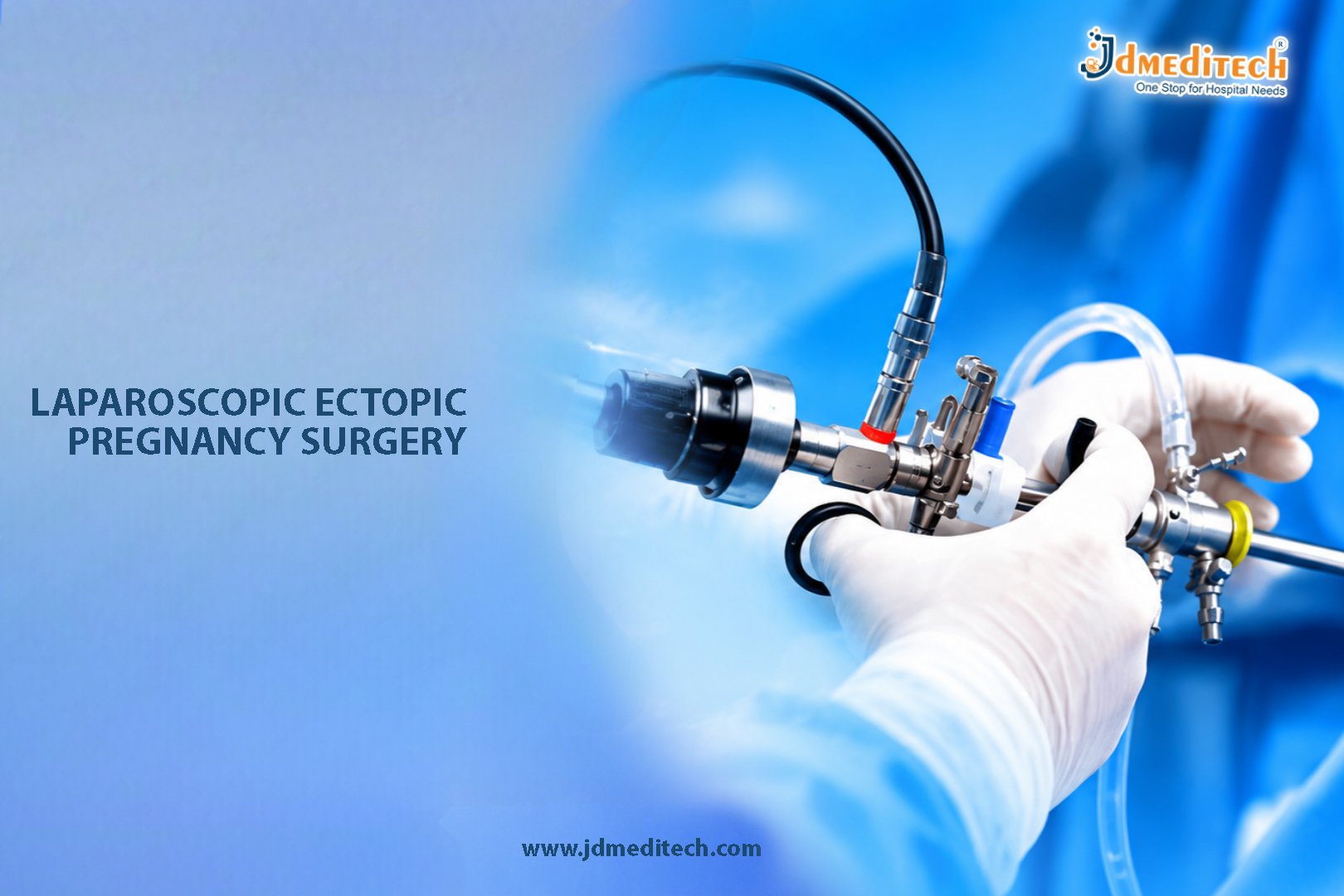
Laparoscopic ectopic pregnancy surgery is an advanced endoscopic gynecologic procedure used to treat ectopic pregnancies through small abdominal incisions. A laparoscope, which is a thin camera-equipped instrument, allows the surgeon to visualize the pelvic organs and remove the abnormal pregnancy tissue safely.
Depending on the severity and condition of the fallopian tube, the surgeon may perform:
- Salpingostomy (removal of pregnancy while preserving the tube)
- Salpingectomy (removal of the affected fallopian tube)
- Control of internal bleeding
- Removal of damaged tissue
The procedure is commonly performed as an emergency surgery when ectopic pregnancy poses immediate health risks.
Understanding Ectopic Pregnancy
In a normal pregnancy, the fertilized egg implants inside the uterus. In ectopic pregnancy, implantation occurs outside the uterus, most often in:
- Fallopian tube
- Ovary
- Cervix
- Abdominal cavity
Since these areas cannot support fetal growth, the pregnancy becomes dangerous if untreated.
Symptoms of Ectopic Pregnancy
Common warning signs include:
- Severe lower abdominal pain
- Vaginal bleeding
- Missed menstrual period
- Shoulder pain
- Dizziness or fainting
- Pelvic discomfort
A ruptured ectopic pregnancy may lead to severe internal bleeding and requires emergency surgical intervention.
Causes and Risk Factors
Several factors may increase the risk of ectopic pregnancy, including:
- Previous ectopic pregnancy
- Pelvic inflammatory disease
- Fallopian tube damage
- Infertility treatments
- Endometriosis
- Prior pelvic surgery
- Smoking
However, ectopic pregnancy can also occur without obvious risk factors.
Who Needs Laparoscopic Ectopic Pregnancy Surgery?
Doctors may recommend surgery when:
- The ectopic pregnancy is large
- Internal bleeding is suspected
- The fallopian tube has ruptured
- Medical treatment fails
- Severe abdominal pain is present
- The patient is medically unstable
In many emergency situations, laparoscopy becomes the preferred surgical approach due to its effectiveness and faster recovery.
Benefits of Laparoscopic Ectopic Pregnancy Surgery
Minimally Invasive Procedure
Small incisions reduce surgical trauma and improve cosmetic results.
Faster Recovery
Most patients recover more quickly than with open abdominal surgery.
Less Postoperative Pain
Minimally invasive techniques help reduce discomfort after surgery.
Shorter Hospital Stay
Many patients are discharged within 24 to 48 hours.
Reduced Blood Loss
Laparoscopic surgery provides better visualization and bleeding control.
Fertility Preservation
Whenever possible, surgeons attempt to preserve the healthy fallopian tube and reproductive organs.
Preoperative Evaluation
Before surgery, doctors may perform:
- Pelvic examination
- Pregnancy blood tests (hCG levels)
- Ultrasound scan
- Blood pressure monitoring
- Blood grouping and hemoglobin testing
Rapid diagnosis is essential to prevent complications.
Step-by-Step Procedure of Laparoscopic Ectopic Pregnancy Surgery
Administration of Anesthesia
The procedure is performed under general anesthesia.
Small Abdominal Incisions
Tiny incisions are made for insertion of the laparoscope and surgical instruments.
Visualization of Pelvic Organs
The surgeon carefully examines the uterus, ovaries, and fallopian tubes.
Removal of Ectopic Pregnancy
The abnormal pregnancy tissue is removed using minimally invasive surgical techniques.
Tube Preservation or Removal
Depending on the extent of damage:
- The tube may be preserved through salpingostomy
- The damaged tube may be removed through salpingectomy
Bleeding Control and Closure
After controlling bleeding, the instruments are removed and the incisions are closed.
Recovery After Laparoscopic Ectopic Pregnancy Surgery
Recovery is usually smooth and relatively fast.
Immediate Recovery Period
Patients may experience:
- Mild abdominal discomfort
- Shoulder pain due to surgical gas
- Fatigue
- Light vaginal bleeding
Return to Routine Activities
- Light activities: Within a few days
- Office work: Usually within 1–2 weeks
- Full recovery: Approximately 2–4 weeks
Recovery time depends on the patient’s overall health and severity of the ectopic pregnancy.
Fertility After Ectopic Pregnancy Surgery
Many women can conceive successfully after treatment. Fertility outcomes depend on:
- Health of the remaining fallopian tube
- Severity of tubal damage
- Presence of underlying fertility issues
- Early diagnosis and treatment
Doctors may advise waiting several months before attempting another pregnancy.
Risks and Complications
Although laparoscopic surgery is generally safe, possible complications include:
- Bleeding
- Infection
- Injury to nearby organs
- Scar tissue formation
- Future ectopic pregnancy risk
- Anesthesia-related complications
Choosing an experienced laparoscopic gynecologic surgeon helps minimize these risks.
Laparoscopic Surgery vs Open Surgery
| Feature | Laparoscopic Surgery | Open Surgery |
| Incision Size | Small | Large |
| Pain Level | Less | More |
| Recovery Time | Faster | Longer |
| Hospital Stay | Short | Extended |
| Scarring | Minimal | More Visible |
| Blood Loss | Lower | Higher |
Because of these advantages, laparoscopy is widely preferred whenever the patient is medically stable.
Preventing Future Ectopic Pregnancy
Although not all ectopic pregnancies can be prevented, certain measures may reduce risk:
- Early treatment of pelvic infections
- Smoking cessation
- Regular gynecologic checkups
- Timely management of reproductive health conditions
Women with a history of ectopic pregnancy should seek early ultrasound evaluation during future pregnancies.
When to Seek Emergency Medical Attention
Immediate medical care is necessary if you experience:
- Sudden severe abdominal pain
- Heavy vaginal bleeding
- Dizziness or fainting
- Shoulder pain
- Weakness or collapse
Prompt treatment can prevent life-threatening complications.
Conclusion
Laparoscopic ectopic pregnancy surgery is a modern minimally invasive gynecologic procedure that provides safe and effective emergency treatment for ectopic pregnancy. With smaller incisions, faster recovery, reduced pain, and fertility-preserving benefits, laparoscopy has become the preferred surgical approach for many patients.
Early diagnosis and timely intervention are essential for protecting reproductive health and preventing serious complications. Women experiencing symptoms of ectopic pregnancy should seek immediate medical attention from a qualified gynecologic specialist.
+91 79909 93062 | +91 63513 72032 | exports@jdmeditech.com