
Pelvi-Ureteric Junction (PUJ) obstruction is a urologic condition in which the flow of urine from the kidney to the ureter becomes blocked or narrowed. As a result, urine accumulates inside the kidney and causes hydronephrosis, which refers to swelling of the kidney. If left untreated, this condition may gradually damage kidney function and lead to severe pain, infections, or kidney stones.
Fortunately, advancements in minimally invasive urology have significantly improved treatment outcomes. Today, laparoscopic PUJ obstruction surgery is considered one of the most effective surgical options for restoring urine flow and preserving kidney health. Moreover, this modern procedure offers smaller incisions, less pain, faster recovery, and excellent long-term success rates compared to traditional open surgery.
In this blog, we will discuss laparoscopic PUJ obstruction surgery, its benefits, indications, procedure details, recovery process, and long-term outcomes.
What Is PUJ Obstruction?
Pelvi-Ureteric Junction obstruction occurs when the connection between the renal pelvis and ureter becomes narrowed or blocked. Consequently, urine cannot drain properly from the kidney into the bladder.
The condition may either be congenital or develop later in life due to secondary causes. In both situations, obstruction increases pressure inside the kidney and may eventually impair renal function.
What Is Laparoscopic PUJ Obstruction Surgery?
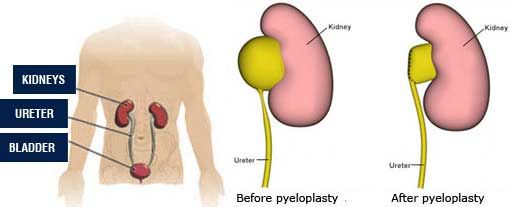
Laparoscopic PUJ obstruction surgery, also known as laparoscopic pyeloplasty, is a minimally invasive urologic procedure performed to correct the blockage at the pelvi-ureteric junction.
During the surgery, the surgeon uses a laparoscope and specialized instruments to remove the narrowed segment and reconstruct the urinary drainage pathway. As a result, urine can flow normally from the kidney to the bladder again.
Furthermore, laparoscopic pyeloplasty is widely recognized as the gold standard treatment for symptomatic PUJ obstruction because of its high success rate and minimal surgical trauma.
Causes of PUJ Obstruction
Several factors may contribute to PUJ obstruction, including:
- Congenital narrowing of the PUJ
- Crossing blood vessels compressing the ureter
- Scar tissue formation
- Kidney stones
- Previous urinary tract surgery
- Recurrent urinary infections
In children, congenital abnormalities are the most common cause. However, adults may develop the condition later because of acquired urologic problems.
Symptoms of PUJ Obstruction
Symptoms can vary depending on the severity of the blockage. Common symptoms include:
- Flank or abdominal pain
- Swelling of the kidney (hydronephrosis)
- Recurrent urinary tract infections
- Blood in urine
- Nausea and vomiting
- Kidney stones
- Fever in case of infection
Sometimes, patients may remain asymptomatic. In such cases, the condition is often detected incidentally during imaging studies performed for unrelated reasons.
Who Needs Laparoscopic PUJ Obstruction Surgery?
Doctors may recommend surgery if:
- Significant hydronephrosis is present
- Kidney drainage is severely impaired
- Persistent flank pain occurs
- Recurrent infections develop
- Kidney function begins to decline
- Kidney stones are associated with obstruction
Importantly, early surgical intervention helps preserve long-term kidney function and prevents irreversible damage.
Benefits of Laparoscopic PUJ Obstruction Surgery
Minimally Invasive Technique
Since the procedure uses small incisions, patients experience less tissue trauma and reduced postoperative discomfort.
Faster Recovery
Compared to open surgery, laparoscopic pyeloplasty allows patients to recover more quickly and resume daily activities sooner.
Reduced Pain
Because of the minimally invasive approach, postoperative pain is usually much lower.
Smaller Scars
Additionally, the tiny incisions provide improved cosmetic outcomes.
Shorter Hospital Stay
Most patients can return home within a few days after surgery.
High Success Rate
Laparoscopic pyeloplasty provides excellent long-term success in restoring urine flow and relieving obstruction.
Kidney Function Preservation
Most importantly, timely surgery helps prevent further kidney damage and improves urinary drainage.
Diagnostic Evaluation Before Surgery
Before surgery, the urologist may perform several investigations, including:
- Ultrasound examination
- CT scan or MRI
- Intravenous urography (IVU)
- Renal nuclear scan
- Blood tests
- Urine analysis
These diagnostic tests help determine the severity of the obstruction and evaluate kidney function accurately.
Step-by-Step Procedure of Laparoscopic PUJ Obstruction Surgery
Administration of General Anesthesia
First, the patient is given general anesthesia to ensure comfort throughout the procedure.
Creation of Small Incisions
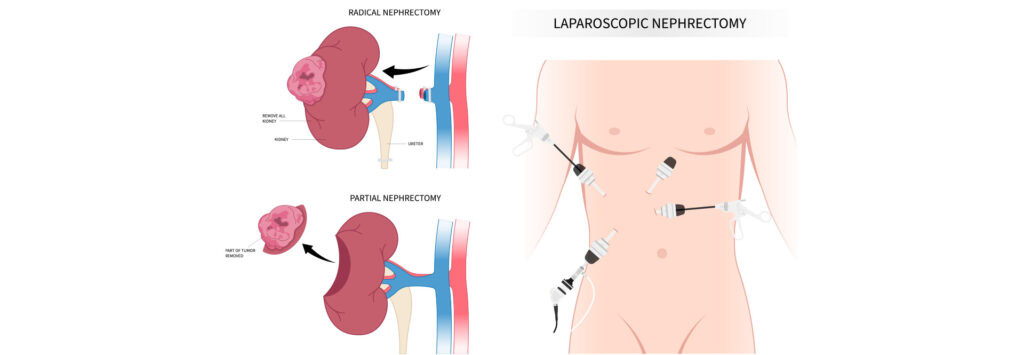
Next, several tiny incisions are made in the abdomen for insertion of laparoscopic instruments.
Identification of the Obstruction
The surgeon then carefully identifies the narrowed PUJ segment and evaluates nearby structures.
Removal of Narrowed Segment
Afterward, the obstructed portion is removed to eliminate the blockage.
Reconstruction of the Urinary Pathway
The healthy ureter is subsequently reconnected to the renal pelvis to restore smooth urine drainage.
Placement of Ureteric Stent
In many cases, a temporary internal stent is placed to support healing and maintain drainage.
Closure of Incisions
Finally, after ensuring proper urine flow and bleeding control, the instruments are removed and the incisions are closed.
Recovery After Laparoscopic PUJ Obstruction Surgery
Recovery is generally smoother and faster than traditional open surgery.
Immediate Recovery Period
Initially, patients may experience:
- Mild abdominal discomfort
- Temporary urinary symptoms
- Fatigue
- Minor bloating
However, these symptoms usually improve within a few days.
Hospital Stay
Typically, patients remain hospitalized for about 2–4 days depending on their recovery progress.
Return to Normal Activities
- Light activities: Within 1–2 weeks
- Office work: Usually within 2–3 weeks
- Full recovery: Approximately 4–6 weeks
Nevertheless, recovery duration may vary depending on the patient’s health condition and surgical complexity.
Risks and Complications
Although laparoscopic pyeloplasty is generally considered safe, certain risks may occur, including:
- Bleeding
- Infection
- Urine leakage
- Injury to nearby organs
- Recurrence of obstruction
- Stent-related discomfort
Fortunately, choosing an experienced laparoscopic urologist can significantly reduce complication risks.
Long-Term Outcomes of Laparoscopic Pyeloplasty
Most patients experience excellent long-term outcomes after surgery. These benefits may include:
- Improved kidney drainage
- Relief from flank pain
- Reduced infection risk
- Preservation of kidney function
- Better quality of life
Additionally, follow-up imaging studies are usually performed to confirm successful correction of the obstruction.
Laparoscopic Surgery vs Open Surgery for PUJ Obstruction
| Feature | Laparoscopic Surgery | Open Surgery |
| Incision Size | Small | Large |
| Pain Level | Less | More |
| Recovery Time | Faster | Longer |
| Hospital Stay | Short | Extended |
| Cosmetic Results | Better | Visible Scar |
| Blood Loss | Minimal | Higher |
Therefore, laparoscopic pyeloplasty has become the preferred surgical option in many advanced urology centers.
Preventing Kidney Damage from PUJ Obstruction
Early diagnosis and treatment are extremely important for preventing permanent kidney damage. Therefore, patients should seek medical evaluation if they experience:
- Persistent flank pain
- Recurrent urinary infections
- Kidney swelling
- Blood in urine
- Repeated kidney stones
Moreover, regular follow-up after surgery helps monitor kidney function and ensures long-term treatment success.
Conclusion
Laparoscopic PUJ obstruction surgery is an advanced minimally invasive urologic procedure that effectively treats hydronephrosis and restores normal urinary drainage. Because of its precision, faster recovery, reduced pain, and excellent success rates, laparoscopic pyeloplasty has become the preferred treatment for PUJ obstruction.
Most importantly, timely intervention helps preserve kidney function and prevents serious complications. Therefore, individuals experiencing symptoms of urinary obstruction should consult an experienced urologist for proper diagnosis and personalized treatment planning.
+91 79909 93062 | +91 63513 72032 | exports@jdmeditech.com