



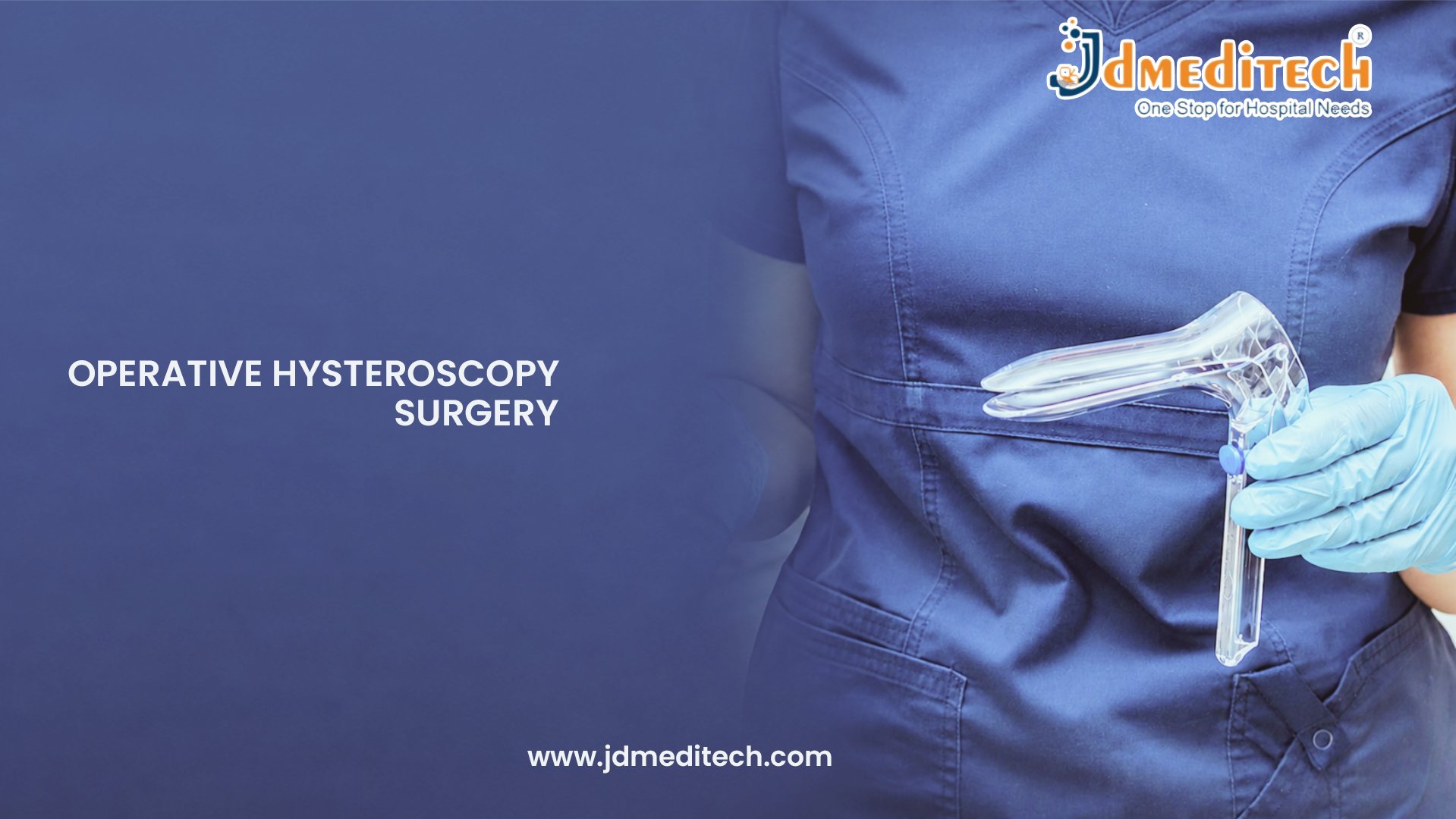
Operative hysteroscopy is an advanced minimally invasive gynecological procedure used to diagnose and treat abnormalities within the uterine cavity. Unlike diagnostic hysteroscopy, which focuses on examination, operative hysteroscopy allows surgeons to correct uterine conditions during the same procedure. As a result, patients often avoid more invasive surgical interventions and experience faster recovery times.
Over the years, operative hysteroscopy has become a preferred treatment option for various uterine disorders. Furthermore, modern hysteroscopic technology enables gynecologists to perform precise procedures while preserving healthy uterine tissue. Consequently, patients benefit from improved reproductive health, reduced complications, and enhanced treatment outcomes.
What is Operative Hysteroscopy?
Operative hysteroscopy is a surgical procedure performed using a hysteroscope equipped with specialized instruments. The hysteroscope is inserted through the cervix into the uterus, allowing direct visualization of the uterine cavity.
During the procedure, surgeons can remove, repair, or correct abnormal tissue without making abdominal incisions. Therefore, operative hysteroscopy is considered one of the safest and most effective methods for treating intrauterine abnormalities.
Why is Operative Hysteroscopy Performed?
Operative hysteroscopy is recommended when abnormalities inside the uterus require treatment rather than simple diagnosis. In many cases, the procedure can resolve symptoms and improve fertility outcomes.
Common Indications
- Uterine polyps
- Submucosal fibroids
- Intrauterine adhesions (Asherman’s Syndrome)
- Uterine septum
- Retained products of conception
- Abnormal uterine bleeding
- Endometrial abnormalities
- Infertility-related uterine conditions
- Recurrent pregnancy loss associated with uterine defects
Moreover, the procedure provides a direct and highly accurate treatment approach. Consequently, unnecessary major surgeries can often be avoided.
Conditions Treated with Operative Hysteroscopy
Uterine Polyps
Uterine polyps can cause irregular bleeding, infertility, and discomfort. Therefore, hysteroscopic polypectomy is commonly performed to restore normal uterine function.
Submucosal Fibroids
Fibroids growing within the uterine cavity may lead to heavy menstrual bleeding and fertility issues. As a result, hysteroscopic myomectomy is frequently recommended.
Intrauterine Adhesions
Scar tissue inside the uterus can interfere with menstruation and pregnancy. Consequently, operative hysteroscopy is used to carefully remove adhesions and restore the normal uterine cavity.
Uterine Septum
A uterine septum is a congenital abnormality that may increase miscarriage risk. Therefore, hysteroscopic septum resection is often performed to improve reproductive outcomes.
Retained Tissue
Following pregnancy-related events, retained tissue may remain inside the uterus. In such cases, operative hysteroscopy enables safe and complete removal.
Procedure of Operative Hysteroscopy
The procedure is usually performed in a hospital or specialized surgical center. Depending on the complexity of treatment, local, regional, or general anesthesia may be used.
Step-by-Step Procedure
- Patient preparation and anesthesia administration.
- Gentle cervical dilation when required.
- Introduction of the operative hysteroscope.
- Expansion of the uterine cavity using sterile distension media.
- Identification of abnormal tissue.
- Treatment using specialized hysteroscopic instruments.
- Removal or correction of pathology.
- Final inspection of the uterine cavity.
- Completion of the procedure and recovery monitoring.
Furthermore, most procedures are completed within 30 to 90 minutes. Therefore, many patients can return home on the same day.
Instruments Used in Operative Hysteroscopy
The success of operative hysteroscopy largely depends on the quality of surgical instruments and visualization systems.
Common Hysteroscopic Instruments
- Operative hysteroscope
- Hysteroscopy sheath
- Scissors
- Grasping forceps
- Bipolar electrodes
- Monopolar electrodes
- Resectoscope
- Tissue removal systems
- Endoscopic camera system
- Light source and fiber optic cables
Additionally, advanced imaging systems improve visualization and surgical precision.
Benefits of Operative Hysteroscopy
Operative hysteroscopy offers several advantages over traditional surgical techniques.
Key Benefits
- Minimally invasive treatment
- No abdominal incisions
- Reduced postoperative pain
- Faster recovery
- Shorter hospital stay
- Preservation of uterine integrity
- Improved fertility outcomes
- Lower risk of complications
- Enhanced surgical precision
- Better patient satisfaction
Moreover, patients can often resume daily activities much sooner compared to conventional surgery.
Is Operative Hysteroscopy Safe?
Operative hysteroscopy is widely regarded as a safe and effective procedure when performed by experienced gynecological surgeons. Furthermore, advances in hysteroscopic equipment have significantly improved patient safety.
Possible Risks
- Mild cramping
- Temporary bleeding
- Infection
- Fluid overload
- Cervical injury
- Uterine perforation (rare)
Nevertheless, serious complications remain uncommon, particularly when modern surgical protocols are followed.
Recovery After Operative Hysteroscopy
Recovery is generally quick and uncomplicated. Most patients experience only mild discomfort for a few days following surgery.
Recovery Guidelines
- Follow all medical instructions carefully.
- Take prescribed medications as directed.
- Avoid strenuous activities if advised.
- Attend scheduled follow-up appointments.
- Monitor for unusual symptoms.
In addition, patients should contact their healthcare provider if they experience excessive bleeding, fever, or severe pain.
Importance of Advanced Operative Hysteroscopy Equipment
Modern hysteroscopy systems play a critical role in achieving successful surgical outcomes. Therefore, healthcare facilities increasingly invest in advanced endoscopic technologies.
Features of Modern Hysteroscopy Systems
- High-definition visualization
- Superior image clarity
- Enhanced surgical precision
- Improved patient safety
- Efficient tissue management
- Better clinical workflow
Consequently, high-quality hysteroscopy equipment contributes significantly to accurate treatment and improved patient care.
Conclusion
Operative hysteroscopy has transformed the management of uterine abnormalities by providing a comprehensive minimally invasive treatment solution. Because the procedure combines diagnosis and treatment within a single approach, patients benefit from reduced recovery time and improved clinical outcomes.
Whether treating polyps, fibroids, adhesions, or congenital uterine abnormalities, operative hysteroscopy offers a safe, effective, and fertility-preserving treatment option. Ultimately, the combination of skilled surgical techniques and advanced hysteroscopy equipment helps deliver superior patient care and long-term reproductive health benefits.
Get Connected:
+91 79909 93062 | +91 63513 72032 | exports@jdmeditech.com




