Hysteroscopic endometrial resection is a minimally invasive gynecological procedure designed to treat abnormal uterine bleeding by removing or reducing the endometrial lining of the uterus. Excessive menstrual bleeding, also known as menorrhagia, can significantly affect a woman’s quality of life, causing fatigue, anemia, discomfort, and daily activity limitations. Fortunately, hysteroscopic endometrial resection provides an effective alternative to more invasive surgical procedures.
Over the years, advances in hysteroscopic technology have transformed the management of abnormal uterine bleeding. As a result, gynecologists can now perform precise endometrial tissue removal while preserving the uterus and minimizing patient recovery time. Furthermore, the procedure offers long-term symptom relief and improved overall well-being for many women.
What is Hysteroscopic Endometrial Resection?
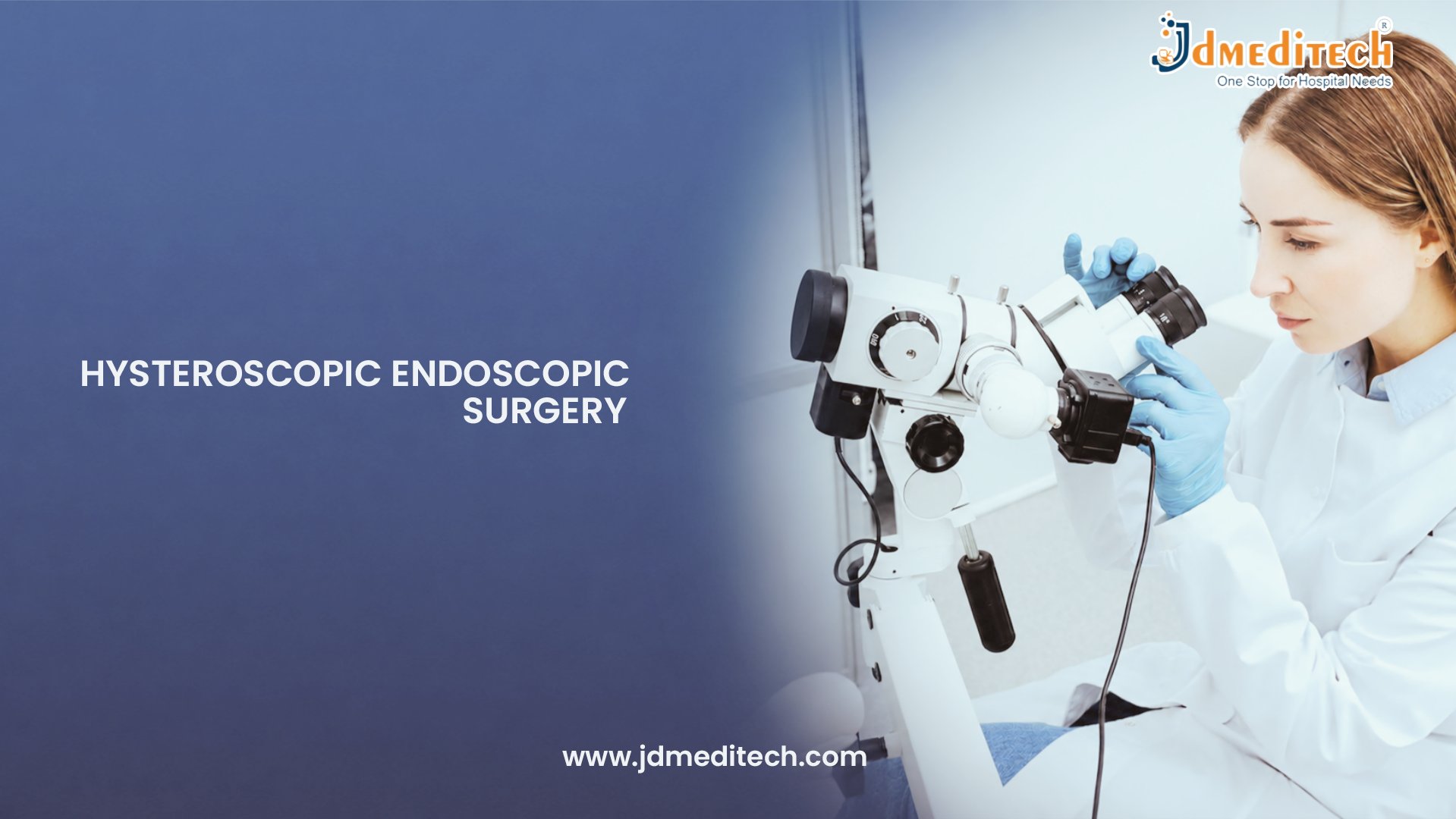
Hysteroscopic endometrial resection is a surgical procedure performed using a hysteroscope and specialized resection instruments. During the procedure, the surgeon inserts the hysteroscope through the cervix into the uterine cavity, allowing direct visualization of the endometrial lining.
The abnormal or excessive endometrial tissue is then carefully removed using a resectoscope or specialized electrodes. Therefore, menstrual blood loss can be significantly reduced, and in some cases, menstruation may stop altogether. Unlike hysterectomy, this procedure preserves the uterus and generally involves a shorter recovery period.
Understanding Abnormal Uterine Bleeding
Abnormal uterine bleeding is one of the most common gynecological conditions affecting women of reproductive and perimenopausal age. Although hormonal changes are often responsible, structural abnormalities and endometrial disorders may also contribute.
Common Symptoms
- Heavy menstrual bleeding
- Prolonged menstrual periods
- Frequent menstrual cycles
- Irregular uterine bleeding
- Anemia caused by blood loss
- Fatigue and weakness
- Reduced quality of life
Consequently, women experiencing persistent symptoms should seek medical evaluation and appropriate treatment.
Why is Hysteroscopic Endometrial Resection Performed?
Hysteroscopic endometrial resection is typically recommended when conservative treatments such as medications fail to control abnormal uterine bleeding. In addition, it may be considered for women who wish to avoid hysterectomy while achieving effective symptom relief.
Common Indications
- Heavy menstrual bleeding (menorrhagia)
- Abnormal uterine bleeding
- Endometrial hyperplasia without malignancy
- Bleeding unresponsive to medical therapy
- Perimenopausal bleeding disorders
- Recurrent excessive menstrual bleeding
- Quality-of-life impairment due to bleeding
Moreover, the procedure provides a uterus-preserving treatment option that can significantly improve patient comfort and daily functioning.
Who is an Ideal Candidate for Endometrial Resection?
Not every patient with abnormal uterine bleeding is a suitable candidate for hysteroscopic endometrial resection. Therefore, proper evaluation is essential before treatment planning.
Suitable Candidates
- Women with completed childbearing plans
- Patients with heavy menstrual bleeding
- Women seeking minimally invasive treatment
- Patients wishing to avoid hysterectomy
- Individuals without suspected uterine malignancy
Furthermore, detailed diagnostic assessment helps ensure optimal patient selection and treatment outcomes.
Preoperative Evaluation
Before surgery, physicians perform a comprehensive assessment to determine the cause of bleeding and confirm treatment suitability.
Common Diagnostic Methods
- Diagnostic hysteroscopy
- Pelvic ultrasound
- Transvaginal ultrasound
- Endometrial biopsy
- Blood investigations
- Sonohysterography
As a result, clinicians can accurately identify the underlying cause of symptoms and develop an appropriate treatment plan.
Procedure of Hysteroscopic Endometrial Resection
The procedure is typically performed in a hospital or specialized gynecological surgery center. Depending on the patient’s condition, local, regional, or general anesthesia may be used.
Step-by-Step Procedure
- Patient preparation and anesthesia administration.
- Introduction of the hysteroscope through the cervix.
- Expansion of the uterine cavity using sterile distension media.
- Examination of the endometrial lining.
- Resection of the endometrial tissue using specialized instruments.
- Removal of targeted tissue areas.
- Final inspection of the uterine cavity.
- Completion of the procedure and postoperative monitoring.
Furthermore, the procedure generally takes between 30 and 60 minutes. Consequently, many patients can return home on the same day.
Instruments Used in Hysteroscopic Endometrial Resection
Advanced surgical instruments are essential for achieving precise and effective endometrial tissue removal.
Common Instruments
- Operative hysteroscope
- Resectoscope
- Hysteroscopy sheath
- Loop electrodes
- Rollerball electrodes
- Bipolar energy systems
- Monopolar energy systems
- Endoscopic camera system
- LED light source
- Fluid management system
Additionally, high-definition visualization systems enhance procedural accuracy and patient safety.
Benefits of Hysteroscopic Endometrial Resection
Compared with traditional surgical treatments, hysteroscopic endometrial resection offers numerous advantages.
Key Benefits
- Minimally invasive procedure
- No abdominal incisions
- Effective bleeding control
- Preservation of the uterus
- Reduced hospital stay
- Faster recovery
- Lower postoperative discomfort
- Improved quality of life
- Reduced need for hysterectomy
- High patient satisfaction
As a result, the procedure has become a preferred treatment option for many women suffering from excessive menstrual bleeding.
How Endometrial Resection Helps Control Bleeding
The endometrial lining is responsible for menstrual bleeding during each cycle. When the lining becomes excessively thick or abnormal, heavy bleeding may occur.
By removing or reducing the endometrial tissue, hysteroscopic endometrial resection decreases the amount of tissue available to shed during menstruation. Consequently, menstrual bleeding becomes lighter and more manageable. Furthermore, many patients experience significant improvements in anemia, fatigue, and daily functioning.
Is Hysteroscopic Endometrial Resection Safe?
Hysteroscopic endometrial resection is considered a safe and effective procedure when performed by experienced gynecological surgeons. Moreover, modern hysteroscopy systems have significantly enhanced procedural precision and patient safety.
Possible Risks
- Mild cramping
- Temporary vaginal discharge
- Light bleeding
- Infection
- Fluid overload
- Uterine perforation (rare)
Nevertheless, serious complications remain uncommon, particularly when appropriate patient selection and modern surgical techniques are employed.
Recovery After Hysteroscopic Endometrial Resection
Recovery is generally quick, and most patients return to normal daily activities within a few days. However, individual recovery times may vary.
Recovery Recommendations
- Follow postoperative instructions carefully.
- Take prescribed medications as directed.
- Avoid strenuous activities if advised.
- Attend follow-up appointments.
- Monitor for unusual symptoms.
In addition, adequate rest and proper postoperative care contribute to successful recovery and long-term symptom improvement.
Importance of Advanced Hysteroscopy Equipment
The success of hysteroscopic endometrial resection depends heavily on the quality of visualization systems and surgical instruments. Therefore, healthcare facilities increasingly rely on advanced hysteroscopy technologies.
Features of Modern Hysteroscopy Systems
- High-definition visualization
- Superior image clarity
- Enhanced surgical precision
- Improved patient safety
- Efficient fluid management
- Better clinical workflow
Consequently, modern hysteroscopy systems help clinicians achieve accurate treatment and improved patient outcomes.
Conclusion
Hysteroscopic endometrial resection is a modern, minimally invasive solution for managing abnormal uterine bleeding and heavy menstrual periods. Because the procedure effectively reduces excessive endometrial tissue while preserving the uterus, patients benefit from faster recovery, improved comfort, and long-term symptom control.
Whether treating menorrhagia, recurrent abnormal bleeding, or bleeding disorders unresponsive to medication, hysteroscopic endometrial resection provides excellent clinical outcomes. Ultimately, the combination of skilled surgical expertise and advanced hysteroscopy technology supports better women’s health and enhanced quality of life.
Get Connected:
+91 79909 93062 | +91 63513 72032 | exports@jdmeditech.com