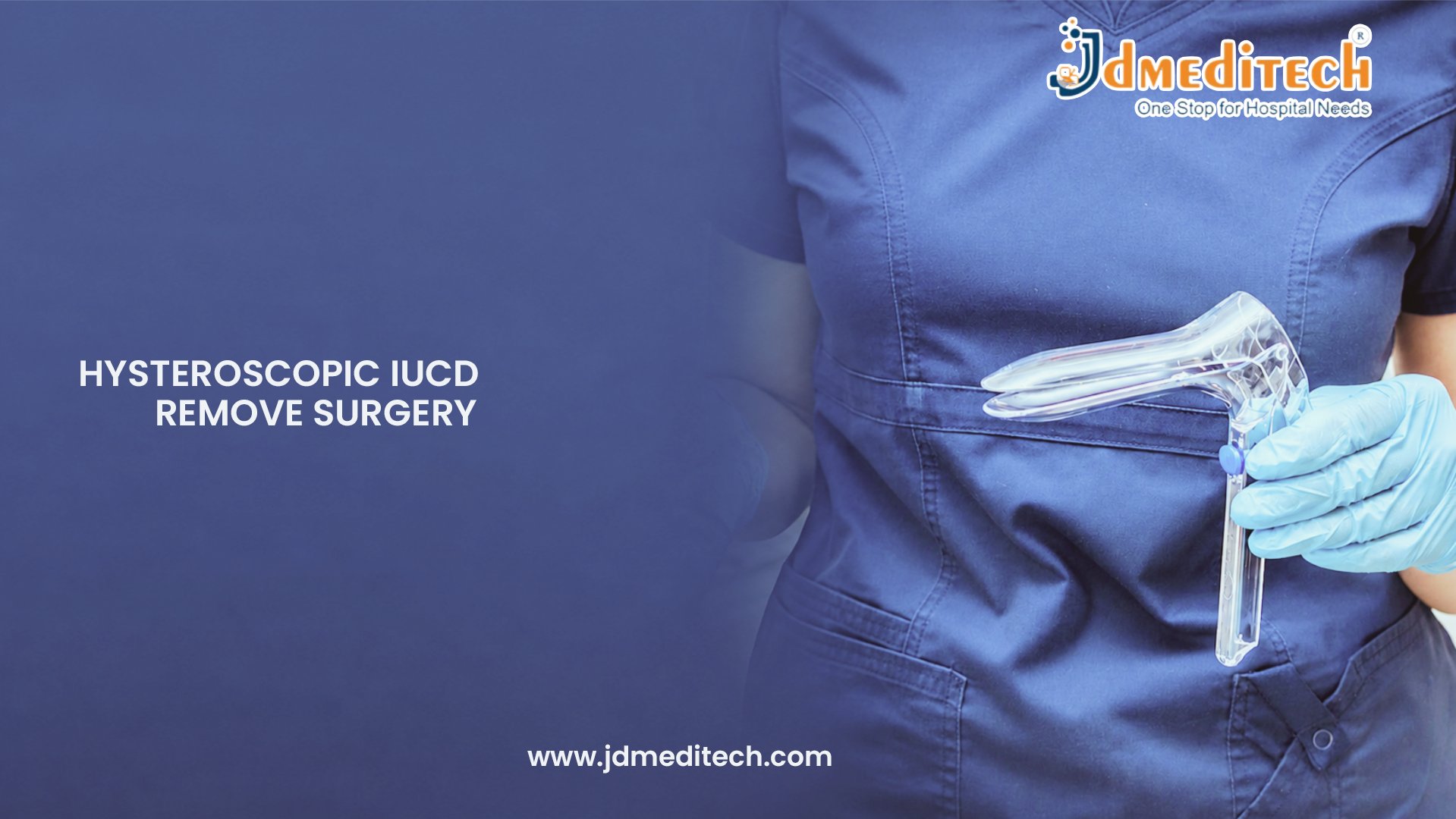
Hysteroscopic foreign body removal is a minimally invasive gynecological procedure used to locate and remove foreign objects from the uterine cavity. Foreign bodies may include retained intrauterine devices (IUDs), broken contraceptive components, retained surgical materials, fetal bone fragments, or other intrauterine objects that can cause pain, abnormal bleeding, infection, infertility, and reproductive complications.
Fortunately, modern hysteroscopic technology allows gynecologists to remove foreign bodies with exceptional precision while preserving healthy uterine tissue. As a result, patients experience faster recovery, improved reproductive health, and reduced risk of long-term complications. Furthermore, direct visualization of the uterine cavity ensures accurate diagnosis and complete removal of the foreign material.
What is Hysteroscopic Foreign Body Removal?
Hysteroscopic foreign body removal is a surgical procedure performed using a hysteroscope and specialized operative instruments. During the procedure, the hysteroscope is inserted through the cervix into the uterine cavity, providing a clear and magnified view of the uterus.
Once the foreign object is identified, the surgeon carefully removes it using dedicated hysteroscopic instruments. Unlike blind procedures, hysteroscopy enables direct visualization throughout the surgery. Therefore, the risk of incomplete removal is significantly reduced while patient safety is enhanced.
Understanding Foreign Bodies in the Uterus
A foreign body inside the uterus refers to any object that remains within the uterine cavity when it should not be present. In some cases, foreign bodies may remain unnoticed for extended periods. However, they can eventually cause symptoms and complications.
Common Types of Intrauterine Foreign Bodies
- Retained intrauterine devices (IUDs)
- Broken IUD fragments
- Retained fetal bone fragments
- Retained surgical materials
- Retained products of conception
- Foreign tissue fragments
- Embedded contraceptive devices
Consequently, early diagnosis and treatment are important to prevent infection, pain, and reproductive difficulties.
Symptoms Associated with Uterine Foreign Bodies
The symptoms depend on the type, size, and location of the foreign body. While some patients remain asymptomatic, others may experience significant gynecological problems.
Common Symptoms
- Abnormal uterine bleeding
- Pelvic pain
- Chronic pelvic discomfort
- Irregular menstruation
- Vaginal discharge
- Recurrent uterine infections
- Infertility
- Difficulty conceiving
- Pain during intercourse
Therefore, patients with persistent symptoms should undergo appropriate gynecological evaluation.
Why is Hysteroscopic Foreign Body Removal Performed?
Hysteroscopic foreign body removal is recommended when a retained object causes symptoms, reproductive issues, or potential health risks. In addition, the procedure may be performed when imaging studies identify a foreign body inside the uterus.
Common Indications
- Retained intrauterine device (IUD)
- Embedded contraceptive devices
- Retained fetal bone fragments
- Retained surgical materials
- Chronic pelvic pain
- Recurrent uterine infections
- Abnormal uterine bleeding
- Infertility associated with uterine foreign bodies
- Recurrent implantation failure
Moreover, removing foreign objects helps restore normal uterine anatomy and function.
How are Uterine Foreign Bodies Diagnosed?
Before surgery, physicians perform diagnostic evaluations to determine the location and nature of the foreign body.
Common Diagnostic Methods
- Diagnostic hysteroscopy
- Pelvic ultrasound
- Transvaginal ultrasound
- Sonohysterography
- X-ray imaging
- Magnetic resonance imaging (MRI)
As a result, surgeons can accurately plan the removal procedure and minimize treatment-related risks.
Procedure of Hysteroscopic Foreign Body Removal
The procedure is typically performed in a hospital or specialized gynecological surgery center. Depending on the complexity of the case, local, regional, or general anesthesia may be used.
Step-by-Step Procedure
- Patient preparation and anesthesia administration.
- Introduction of the hysteroscope through the cervix.
- Expansion of the uterine cavity using sterile distension media.
- Identification of the foreign body.
- Assessment of its location and attachment.
- Removal using specialized hysteroscopic instruments.
- Retrieval of the foreign material.
- Final inspection of the uterine cavity.
- Postoperative monitoring and recovery.
Furthermore, most procedures are completed within 20 to 60 minutes. Consequently, many patients can return home on the same day.
Instruments Used in Hysteroscopic Foreign Body Removal
The success of foreign body removal depends on advanced visualization systems and specialized surgical instruments.
Common Instruments
- Operative hysteroscope
- Hysteroscopy sheath
- Grasping forceps
- Retrieval forceps
- Hysteroscopic scissors
- Bipolar electrodes
- Monopolar electrodes
- Resectoscope
- Endoscopic camera system
- LED light source
Additionally, high-definition imaging systems help surgeons perform accurate and safe procedures.
Benefits of Hysteroscopic Foreign Body Removal
Compared with conventional methods, hysteroscopic removal offers several important advantages.
Key Benefits
- Minimally invasive procedure
- Direct visualization of the uterine cavity
- Accurate foreign body localization
- Complete object removal
- Reduced tissue trauma
- Faster recovery
- Preservation of fertility
- Lower complication rates
- Reduced infection risk
- Improved patient comfort
As a result, hysteroscopic foreign body removal has become the preferred treatment method in modern gynecology.
How Foreign Body Removal Improves Reproductive Health
Foreign bodies within the uterine cavity can interfere with implantation, increase inflammation, and contribute to infertility. Consequently, reproductive outcomes may be negatively affected.
By removing the foreign object and restoring the normal uterine environment, hysteroscopic surgery helps improve fertility potential and uterine health. Furthermore, many patients experience relief from symptoms such as abnormal bleeding and pelvic discomfort following treatment.
Is Hysteroscopic Foreign Body Removal Safe?
Hysteroscopic foreign body removal is considered a safe and effective procedure when performed by experienced gynecological surgeons. Moreover, advances in hysteroscopic technology have significantly enhanced safety and precision.
Possible Risks
- Mild cramping
- Temporary spotting
- Infection
- Cervical injury
- Fluid overload
- Uterine perforation (rare)
Nevertheless, serious complications remain uncommon when modern surgical techniques and equipment are used.
Recovery After Hysteroscopic Foreign Body Removal
Recovery is generally quick and uncomplicated. Most patients return to normal daily activities within a few days after the procedure.
Recovery Recommendations
- Follow postoperative instructions carefully.
- Take prescribed medications as directed.
- Avoid strenuous activities if advised.
- Attend follow-up appointments.
- Monitor for unusual symptoms.
In addition, proper postoperative care supports optimal healing and long-term treatment success.
Importance of Advanced Hysteroscopy Equipment
Modern hysteroscopy systems play a critical role in successful foreign body removal procedures. Therefore, healthcare facilities increasingly rely on advanced endoscopic technologies.
Features of Modern Hysteroscopy Systems
- High-definition visualization
- Superior image quality
- Enhanced procedural precision
- Improved patient safety
- Efficient fluid management
- Better clinical workflow
Consequently, advanced hysteroscopy equipment helps achieve accurate diagnosis, complete foreign body removal, and improved patient outcomes.
Conclusion
Hysteroscopic foreign body removal is a safe, effective, and minimally invasive solution for removing retained objects from the uterine cavity. Because the procedure provides direct visualization and precise surgical control, patients benefit from faster recovery, reduced complications, and improved reproductive health.
Whether addressing retained IUD fragments, foreign tissue, surgical materials, or other intrauterine objects, hysteroscopic foreign body removal offers excellent clinical outcomes. Ultimately, the combination of skilled surgical expertise and advanced hysteroscopy technology helps restore uterine health and enhance overall patient well-being.
Get Connected:
+91 79909 93062 | +91 63513 72032 | exports@jdmeditech.com