
Pelvic organ prolapse is a common condition that affects many women, particularly after childbirth, menopause, or hysterectomy. As pelvic support structures weaken, organs such as the vagina, bladder, or uterus may descend from their normal position. Consequently, women may experience pelvic pressure, vaginal bulging, urinary problems, and discomfort during daily activities.
Fortunately, Sacrocolpopexy Surgery is considered one of the most effective and durable treatments for pelvic organ prolapse. By restoring the normal position of the vaginal vault, this procedure provides long-term support and significantly improves quality of life. Moreover, modern surgical techniques have made sacrocolpopexy safer and less invasive than ever before.
What is Sacrocolpopexy Surgery?
Sacrocolpopexy is a pelvic reconstructive procedure that corrects vaginal vault prolapse by attaching the vagina to the sacrum using a surgical mesh. As a result, the vagina is restored to its natural position and receives strong long-term support.
Purpose of Sacrocolpopexy
The primary goal of the surgery is to restore pelvic anatomy while preserving vaginal function. In addition, the procedure helps relieve symptoms associated with pelvic organ prolapse and improves overall pelvic floor support.
Understanding Vaginal Vault Prolapse
Vaginal vault prolapse occurs when the top portion of the vagina loses support and descends into the vaginal canal. Although this condition often develops after a hysterectomy, it can also occur due to severe weakening of the pelvic floor.
Common Symptoms
Women with vaginal vault prolapse may experience:
- A feeling of vaginal bulging
- Pelvic heaviness or pressure
- Lower back discomfort
- Difficulty emptying the bladder
- Urinary incontinence
- Bowel dysfunction
- Discomfort during sexual intercourse
Furthermore, symptoms often worsen after prolonged standing or physical activity.
Causes of Pelvic Organ Prolapse
Several factors can contribute to pelvic floor weakness.
Childbirth and Pregnancy
Repeated pregnancies and vaginal deliveries place significant stress on pelvic support tissues. Consequently, the risk of prolapse increases over time.
Menopause and Aging
As estrogen levels decline, connective tissues become weaker and less elastic. Therefore, pelvic organs are more likely to lose their normal support.
Additional Risk Factors
Other contributing factors include:
- Obesity
- Chronic constipation
- Heavy lifting
- Chronic coughing
- Previous pelvic surgery
- Genetic predisposition
Who Needs Sacrocolpopexy Surgery?
Not every prolapse requires surgical treatment. However, surgery may be recommended when symptoms become severe or significantly affect daily life.
Ideal Candidates
Sacrocolpopexy may be suitable for women who have:
- Vaginal vault prolapse
- Recurrent prolapse after previous surgery
- Significant pelvic pressure
- Urinary or bowel symptoms
- Failure of conservative treatments
- Desire for durable long-term repair
A comprehensive pelvic examination helps determine whether this procedure is the best treatment option.
Preoperative Evaluation
Before surgery, the healthcare team performs a detailed assessment to ensure safe and effective treatment.
Diagnostic Assessment
The evaluation may include:
- Pelvic examination
- Medical history review
- Urinalysis
- Pelvic ultrasound
- MRI in selected cases
- Blood investigations
Additionally, the surgeon will discuss treatment goals and expected outcomes.
Sacrocolpopexy Surgery Procedure
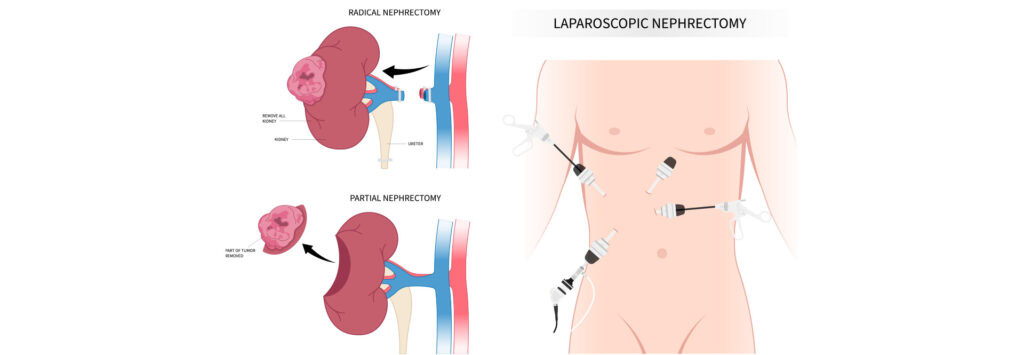
The procedure is typically performed under general anesthesia. Depending on the patient’s condition, the surgery may be completed using open, laparoscopic, or robotic-assisted techniques.
Step 1: Access to the Pelvic Cavity
Small abdominal incisions are created during minimally invasive surgery. Alternatively, an open approach may be used in certain situations.
Step 2: Identification of the Vaginal Apex
The surgeon carefully identifies the top portion of the vagina that requires support.
Step 3: Mesh Attachment
A surgical mesh is attached to the vaginal apex. Subsequently, the other end of the mesh is secured to the sacrum.
Step 4: Restoration of Pelvic Support
The mesh creates a strong support structure that restores the vagina to its normal anatomical position.
Step 5: Surgical Closure
Finally, all incisions are closed, and the patient is moved to the recovery area.
Advanced Surgical Approaches
Modern technology has significantly improved prolapse surgery outcomes.
Laparoscopic Sacrocolpopexy
This minimally invasive technique uses small incisions, resulting in reduced pain and faster recovery.
Robotic-Assisted Sacrocolpopexy
Robotic systems provide enhanced visualization and precision. Consequently, surgeons can perform complex repairs with greater accuracy.
Open Sacrocolpopexy
Although less common today, open surgery may still be appropriate for selected patients.
Benefits of Sacrocolpopexy Surgery
Sacrocolpopexy is widely regarded as the gold standard treatment for vaginal vault prolapse.
Key Benefits
- Excellent long-term success rates
- Restoration of normal vaginal anatomy
- Reduced pelvic pressure
- Improved bladder function
- Better bowel function
- Enhanced sexual function
- Lower recurrence rates compared to some other prolapse procedures
Furthermore, many women experience substantial improvements in daily comfort and confidence.
Recovery After Sacrocolpopexy Surgery
Recovery varies depending on the surgical approach used. Nevertheless, most patients recover successfully with appropriate postoperative care.
Immediate Recovery
Patients may experience:
- Mild discomfort
- Temporary fatigue
- Light vaginal spotting
- Short hospital stay
Recovery Timeline
Week 1–2
Rest is essential during the initial healing period. However, light walking is usually encouraged.
Week 3–6
Energy levels gradually improve. In addition, many women can resume light daily activities.
Week 6–8
Most patients return to normal routines. Nevertheless, heavy lifting should still be avoided unless approved by the surgeon.
Postoperative Care Guidelines
Proper postoperative care supports healing and reduces complications.
Important Recommendations
- Avoid heavy lifting
- Prevent constipation
- Stay hydrated
- Follow medication instructions
- Attend follow-up visits
- Avoid strenuous exercise initially
- Resume activities gradually
As a result, recovery is often smoother and more successful.
Risks and Complications
Although Sacrocolpopexy Surgery is generally safe, every surgical procedure carries some risk.
Potential Complications
- Infection
- Bleeding
- Mesh-related complications
- Bladder injury
- Bowel injury
- Urinary retention
- Pain
- Recurrence of prolapse
Fortunately, serious complications are uncommon when the procedure is performed by experienced pelvic reconstructive surgeons.
Long-Term Outcomes
Sacrocolpopexy has one of the highest success rates among prolapse surgeries. Therefore, it remains a preferred option for women seeking durable symptom relief.
Maintaining Surgical Results
Women can help maintain long-term success by:
- Maintaining a healthy weight
- Performing pelvic floor exercises
- Managing constipation
- Avoiding excessive straining
- Following medical recommendations
Consequently, the risk of prolapse recurrence can be significantly reduced.
Frequently Asked Questions
Is Sacrocolpopexy Surgery painful?
Most patients experience mild to moderate discomfort, which is typically controlled with prescribed medications.
How long does recovery take?
Recovery generally takes six to eight weeks, although complete healing may continue for several months.
Is mesh always used during Sacrocolpopexy?
Yes, surgical mesh is commonly used because it provides durable support and long-term anatomical correction.
Can prolapse return after surgery?
Although recurrence is possible, sacrocolpopexy has one of the lowest recurrence rates among prolapse repair procedures.
Conclusion
Sacrocolpopexy Surgery is a safe, reliable, and highly effective treatment for pelvic organ prolapse. By restoring normal pelvic anatomy and providing durable support, the procedure helps relieve symptoms and improve quality of life. Furthermore, advances in laparoscopic and robotic-assisted techniques have made recovery faster and outcomes even more successful. Therefore, women experiencing significant prolapse symptoms should consult a pelvic floor specialist to determine whether sacrocolpopexy is the right treatment option.
Get Connected:
+91 79909 93062 | +91 63513 72032 | exports@jdmeditech.com