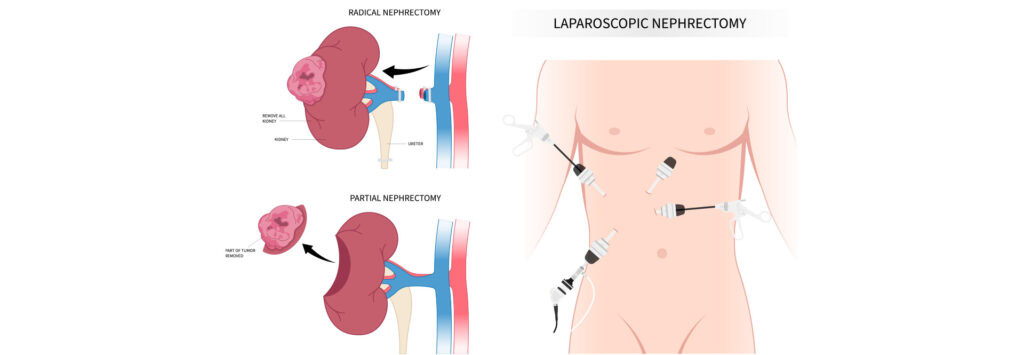

Diagnosing abdominal and pelvic conditions can sometimes be challenging, especially when imaging tests do not provide clear answers. In such situations, Diagnostic Laparoscopy Surgery offers a highly effective solution. This minimally invasive procedure allows surgeons to directly examine organs inside the abdomen and pelvis using a specialized camera called a laparoscope.
Moreover, Diagnostic Laparoscopy Surgery helps identify conditions that may not be visible through ultrasound, CT scans, or MRI. As a result, healthcare providers can make accurate diagnoses and develop appropriate treatment plans. Today, this advanced endoscopic technique plays an important role in modern surgical practice.
What is Diagnostic Laparoscopy Surgery?
Diagnostic Laparoscopy Surgery is a minimally invasive procedure used to examine the abdominal and pelvic organs. During the procedure, a thin tube equipped with a high-definition camera is inserted through a small incision in the abdomen.
Purpose of Diagnostic Laparoscopy
The primary goal of the procedure is to identify abnormalities that may be causing symptoms. Additionally, surgeons can collect tissue samples, evaluate organ function, and determine the extent of certain diseases.
Organs Examined During Laparoscopy
The procedure may be used to assess:
- Liver
- Gallbladder
- Appendix
- Stomach
- Small intestine
- Large intestine
- Pancreas
- Spleen
- Female reproductive organs
- Peritoneum
Consequently, Diagnostic Laparoscopy Surgery provides valuable information for a wide range of medical conditions.
Why is Diagnostic Laparoscopy Performed?
Doctors may recommend this procedure when non-invasive tests fail to identify the cause of symptoms.
Common Medical Indications
Diagnostic laparoscopy may be performed for:
- Chronic abdominal pain
- Pelvic pain
- Unexplained infertility
- Suspected endometriosis
- Pelvic inflammatory disease
- Abdominal masses
- Internal bleeding
- Liver disorders
- Tumor evaluation
- Cancer staging
Furthermore, the procedure can help confirm diagnoses before major surgical interventions.
Conditions Diagnosed with Diagnostic Laparoscopy
This advanced technique can identify numerous abdominal and pelvic disorders.
Gynecological Conditions
In women, Diagnostic Laparoscopy Surgery is frequently used to diagnose:
- Endometriosis
- Ovarian cysts
- Pelvic adhesions
- Ectopic pregnancy
- Uterine abnormalities
- Infertility-related conditions
Gastrointestinal Conditions
The procedure can also evaluate:
- Appendicitis
- Abdominal infections
- Intestinal obstruction
- Crohn’s disease
- Abdominal tumors
- Peritoneal diseases
Oncological Assessment
In addition, laparoscopy may help determine the extent of cancers involving the abdomen or pelvis.
Who is a Candidate for Diagnostic Laparoscopy Surgery?
Not every patient requires laparoscopic evaluation. However, the procedure is often recommended when symptoms remain unexplained after routine testing.
Suitable Candidates
Patients may benefit from the procedure if they have:
- Persistent abdominal pain
- Chronic pelvic pain
- Unexplained infertility
- Suspicious imaging findings
- Suspected abdominal tumors
- Unclear diagnoses despite medical investigations
A thorough medical evaluation helps determine whether diagnostic laparoscopy is appropriate.
Preoperative Preparation
Proper preparation helps ensure a safe and successful procedure.
Before the Surgery
Patients may be advised to:
- Fast for several hours
- Undergo blood tests
- Complete imaging studies
- Review medications with their doctor
- Arrange transportation after surgery
Additionally, the surgical team explains the procedure and answers any questions before treatment.
Diagnostic Laparoscopy Surgery Procedure
The surgery is typically performed under general anesthesia and usually takes between 30 minutes and 2 hours.
Step 1: Administration of Anesthesia
General anesthesia ensures that the patient remains comfortable throughout the procedure.
Step 2: Creation of Small Incisions
A small incision is made near the navel. Subsequently, carbon dioxide gas is introduced into the abdomen to create working space.
Step 3: Insertion of the Laparoscope
The laparoscope is carefully inserted through the incision. As a result, high-definition images of the abdominal cavity are displayed on a monitor.
Step 4: Examination of Internal Organs
The surgeon systematically evaluates the abdominal and pelvic organs for abnormalities.
Step 5: Tissue Sampling if Necessary
If abnormal tissue is identified, a biopsy may be obtained for laboratory analysis.
Step 6: Completion of the Procedure
Finally, the instruments are removed, the gas is released, and the incisions are closed.
Benefits of Diagnostic Laparoscopy Surgery
Compared with traditional exploratory surgery, laparoscopy offers numerous advantages.
Key Benefits
- Minimally invasive approach
- Smaller incisions
- Reduced postoperative pain
- Faster recovery
- Shorter hospital stay
- Improved diagnostic accuracy
- Lower risk of complications
- Better cosmetic results
Furthermore, patients often return to normal activities much sooner than with open surgical procedures.
Recovery After Diagnostic Laparoscopy
Recovery is generally quick because the procedure involves only small incisions.
Immediate Recovery
Patients may experience:
- Mild abdominal discomfort
- Temporary bloating
- Shoulder pain caused by residual gas
- Mild fatigue
However, these symptoms typically improve within a few days.
Recovery Timeline
First 24 Hours
Most patients are discharged on the same day. Nevertheless, rest is recommended.
Days 2–7
Energy levels gradually improve. In addition, light activities can usually be resumed.
Week 2 and Beyond
Most patients return to their normal routines, although recovery times may vary.
Risks and Complications
Although Diagnostic Laparoscopy Surgery is considered safe, every surgical procedure carries some risks.
Possible Complications
- Infection
- Bleeding
- Injury to internal organs
- Adverse reactions to anesthesia
- Blood clots
- Hernia at incision sites
Fortunately, serious complications are uncommon when the procedure is performed by experienced surgeons.
Postoperative Care
Following postoperative instructions helps promote healing and reduce complications.
Recovery Recommendations
- Keep incision sites clean and dry
- Follow medication instructions
- Avoid strenuous activities initially
- Attend follow-up appointments
- Stay hydrated
- Report unusual symptoms promptly
Consequently, proper care contributes to a smoother recovery process.
Frequently Asked Questions
Is Diagnostic Laparoscopy Surgery painful?
Most patients experience only mild discomfort, which is usually controlled with prescribed medications.
How long does the procedure take?
The surgery generally takes between 30 minutes and 2 hours, depending on the complexity of the evaluation.
When can normal activities be resumed?
Many patients return to light activities within a few days and resume normal routines within one to two weeks.
Can Diagnostic Laparoscopy detect endometriosis?
Yes. In fact, diagnostic laparoscopy is considered one of the most effective methods for diagnosing endometriosis.
Additional Resources
For reliable information about minimally invasive surgery and abdominal health, consider visiting:
- The American College of Obstetricians and Gynecologists (ACOG)
- The Society of American Gastrointestinal and Endoscopic Surgeons (SAGES)
- The American College of Surgeons (ACS)
These organizations provide evidence-based information regarding laparoscopic procedures and surgical care.
Conclusion
Diagnostic Laparoscopy Surgery is a modern and highly effective endoscopic technique used to diagnose a wide range of abdominal and pelvic conditions. By providing direct visualization of internal organs, the procedure allows for accurate diagnosis and timely treatment planning. Moreover, its minimally invasive nature offers numerous benefits, including faster recovery, reduced discomfort, and improved outcomes. Therefore, Diagnostic Laparoscopy Surgery remains an essential tool in contemporary medical practice.
Get Connected:
+91 79909 93062 | +91 63513 72032 | exports@jdmeditech.com