Modern cardiac interventions increasingly rely on minimally invasive techniques to diagnose and treat complex heart conditions. Among these procedures, transseptal access has become a critical step for reaching the left atrium and other left-sided cardiac structures. Consequently, healthcare professionals require specialized instruments that ensure precision, safety, and procedural efficiency.
A Transseptal Puncture Set is specifically designed to facilitate safe access through the interatrial septum during electrophysiology and structural heart procedures. Moreover, these sets provide clinicians with the tools necessary to perform complex interventions with greater confidence and accuracy.
What Is a Transseptal Puncture Set?
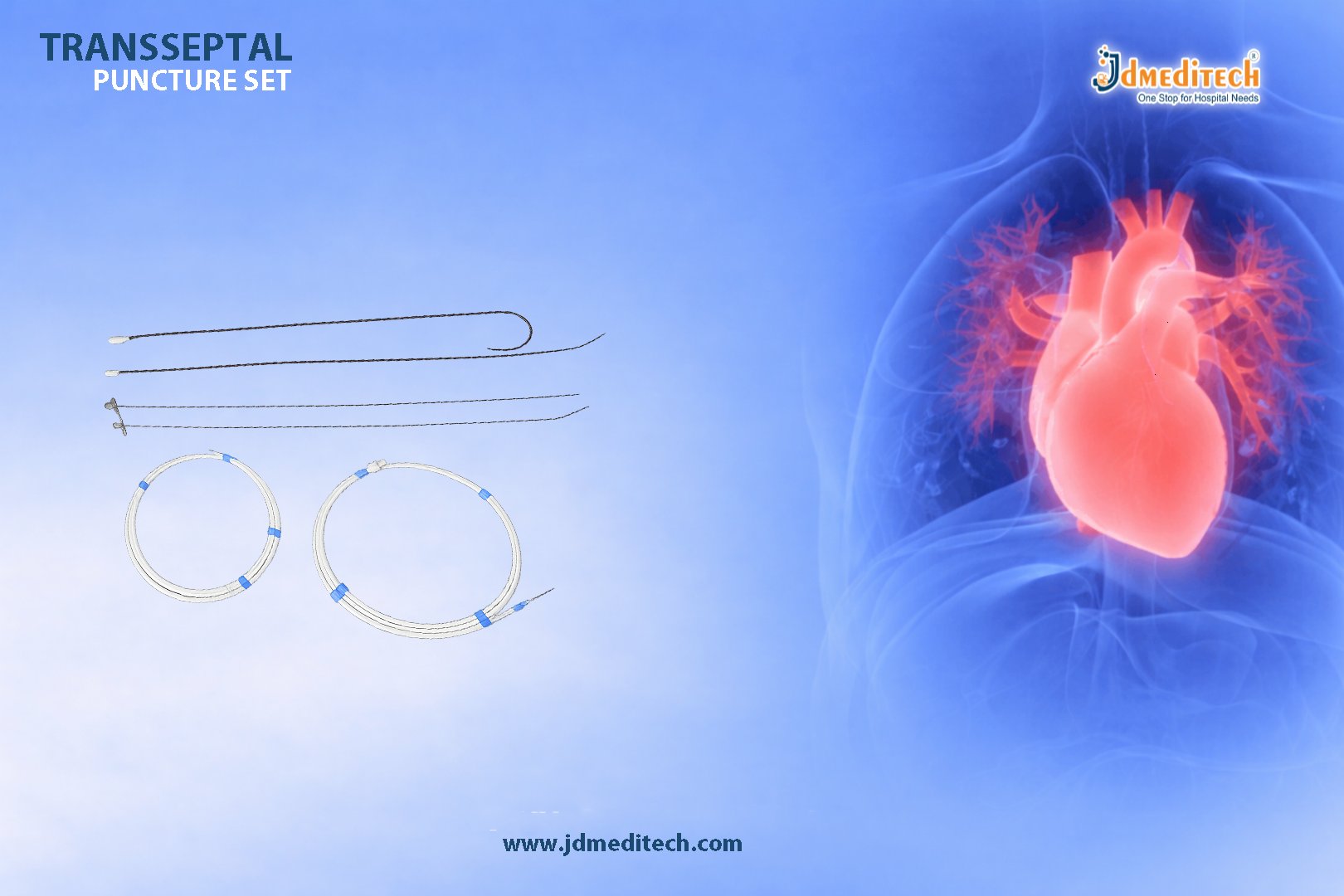
A Transseptal Puncture Set is a specialized collection of medical devices used to gain access from the right atrium to the left atrium through the interatrial septum. Typically, the set includes a transseptal needle, introducer sheath, dilator, and guidewire components.
Furthermore, these kits are widely used in cardiac catheterization laboratories and electrophysiology suites. As a result, physicians can safely access the left side of the heart for various diagnostic and therapeutic procedures.
Why Is Transseptal Access Important?
Transseptal puncture provides a minimally invasive route to the left atrium. Therefore, physicians can perform advanced cardiac procedures without requiring open-heart surgery.
Additionally, transseptal access is essential for:
- Atrial fibrillation ablation
- Left atrial mapping procedures
- Mitral valve interventions
- Left atrial appendage closure
- Structural heart defect repairs
- Electrophysiology studies
- Catheter-based cardiac therapies
- Complex cardiac diagnostic procedures
Consequently, transseptal techniques have become fundamental to modern interventional cardiology and electrophysiology.
Components of a Transseptal Puncture Set
Transseptal Needle
The transseptal needle is the primary instrument used to puncture the interatrial septum. Furthermore, it is engineered to provide controlled penetration while minimizing tissue trauma.
Introducer Sheath
The introducer sheath provides a stable pathway for advancing catheters and other interventional devices into the left atrium. As a result, procedural efficiency is significantly improved.
Dilator
The dilator helps facilitate smooth insertion of the sheath into the vascular system. Moreover, it reduces resistance during device advancement.
Guidewire
The guidewire supports accurate navigation through the vascular anatomy. Therefore, physicians can position devices with greater precision.
Hemostatic Valve System
Many transseptal systems include hemostatic valves that help maintain blood control during catheter exchanges. Consequently, procedural safety is enhanced.
Accessory Components
Additional accessories may include connectors, flushing systems, and procedural aids. In addition, these components contribute to a streamlined workflow.
How a Transseptal Puncture Procedure Is Performed
Patient Preparation
First, the patient undergoes clinical evaluation and imaging assessment. Proper preparation helps ensure procedural success and patient safety.
Venous Access
Next, the physician gains venous access, typically through the femoral vein. Subsequently, guidewires and sheaths are advanced toward the right atrium.
Septal Localization
Using fluoroscopy, intracardiac echocardiography, or transesophageal echocardiography, the interatrial septum is identified. Therefore, the puncture site can be accurately targeted.
Transseptal Puncture
The transseptal needle is carefully advanced through the sheath and positioned against the septum. Once the optimal location is confirmed, the physician performs the puncture.
Left Atrial Access
After successful puncture, the sheath is advanced into the left atrium. Consequently, diagnostic or therapeutic catheters can be introduced safely.
Procedure Completion
Finally, the intended cardiac intervention is performed. Upon completion, all devices are removed carefully, and vascular access is secured.
Applications of Transseptal Puncture Sets
Electrophysiology Procedures
Transseptal puncture is widely used during atrial fibrillation ablation and other electrophysiology procedures. As a result, physicians can access the left atrium for mapping and treatment.
Structural Heart Interventions
Many structural heart procedures require left atrial access. Therefore, transseptal puncture sets play a vital role in minimally invasive structural heart therapies.
Left Atrial Appendage Closure
These procedures require accurate navigation within the left atrium. Furthermore, transseptal access enables safe device deployment.
Mitral Valve Procedures
Catheter-based mitral valve repair and replacement procedures frequently utilize transseptal techniques. Consequently, patients may benefit from less invasive treatment options.
Benefits of Using a Transseptal Puncture Set
Precise Cardiac Access
The specialized design of the set enables accurate entry into the left atrium. Therefore, procedural precision is improved.
Enhanced Procedural Safety
Modern transseptal systems are designed to support controlled septal puncture. As a result, the risk of complications can be minimized.
Improved Workflow Efficiency
A complete kit provides all essential components in a single package. Moreover, this reduces setup time and improves procedural organization.
Minimally Invasive Treatment Support
Transseptal access facilitates catheter-based interventions that avoid open-heart surgery. Consequently, patients often experience shorter recovery times.
Broad Clinical Applications
These sets support numerous electrophysiology and structural heart procedures. Therefore, they are valuable tools in modern cardiac care.
Key Features to Consider When Selecting a Transseptal Puncture Set
When choosing a transseptal puncture system, healthcare providers should consider:
- High-quality transseptal needle design
- Smooth sheath and dilator performance
- Reliable guidewire compatibility
- Hemostatic valve functionality
- Sterile packaging
- Biocompatible materials
- Ease of handling
- Compliance with international medical device standards
As a result, selecting a high-quality set can improve both procedural outcomes and clinician confidence.
Importance in Modern Cardiac Care
As minimally invasive cardiac procedures continue to evolve, transseptal access remains an essential technique. Furthermore, advancements in transseptal puncture technology have enhanced procedural accuracy and safety.
Today, electrophysiologists and interventional cardiologists rely on these specialized sets to perform complex procedures efficiently. Ultimately, transseptal puncture systems contribute significantly to improved patient care and successful cardiac interventions.
Conclusion
A Transseptal Puncture Set is an indispensable tool for electrophysiology and structural heart procedures. It provides safe and reliable access to the left atrium while supporting a wide range of diagnostic and therapeutic interventions.
Moreover, these specialized kits enhance procedural precision, improve workflow efficiency, and support minimally invasive treatment approaches. As a result, they play a crucial role in modern cardiac care and contribute to better clinical outcomes for patients undergoing advanced heart procedures.
Get Connected:
+91 79909 93062 | +91 63513 72032 | exports@jdmeditech.com