Diagnostic endoscopy has become one of the most effective methods for examining the gastrointestinal (GI) tract. It allows healthcare professionals to visualize internal organs, identify abnormalities, and diagnose digestive disorders with precision. Consequently, hospitals and diagnostic centers rely on specialized equipment to ensure safe and efficient procedures.
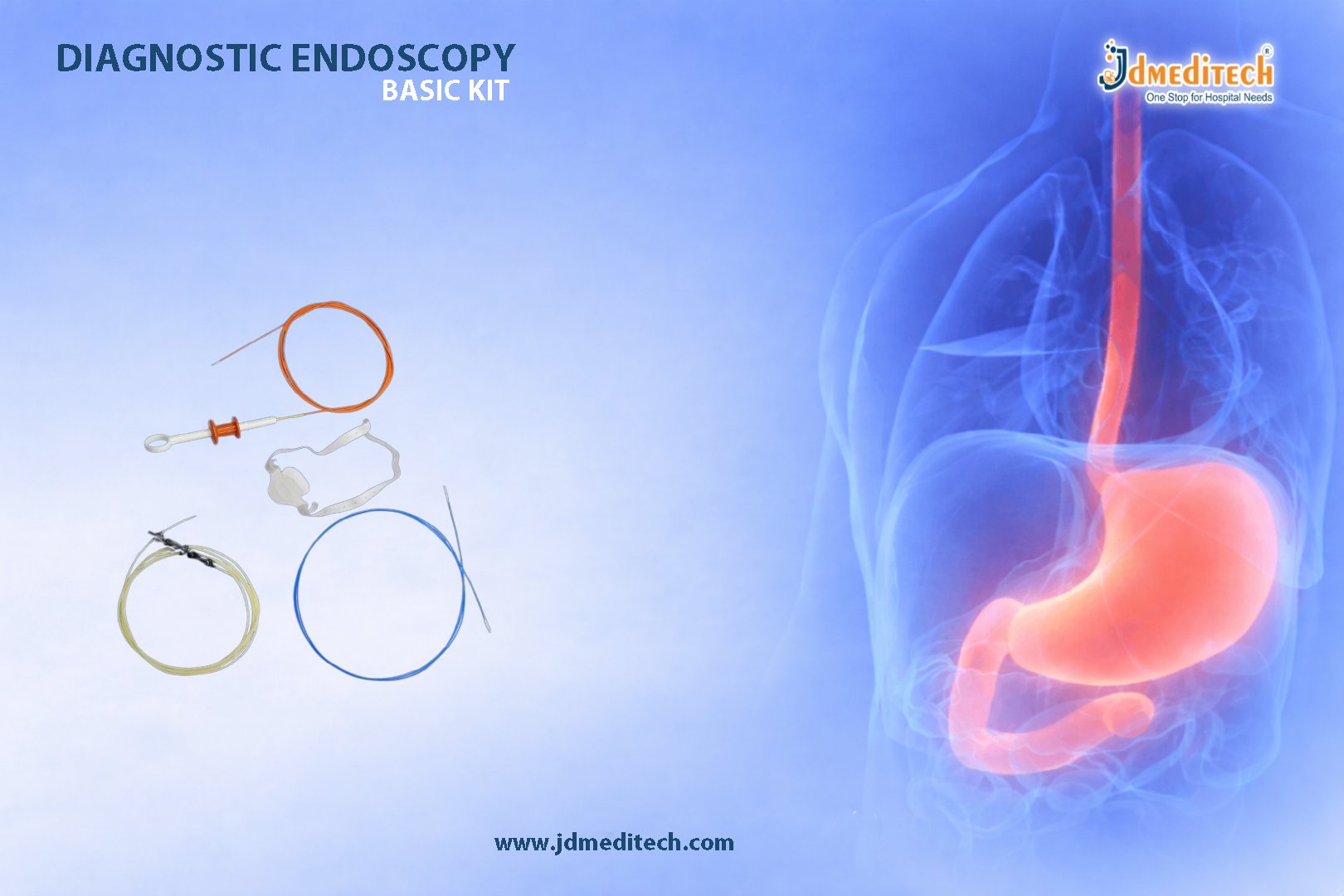
A Diagnostic Endoscopy Basic Kit contains the essential instruments required for routine gastrointestinal examinations. Moreover, these kits help clinicians perform diagnostic procedures accurately while maintaining patient safety and procedural efficiency.
What Is a Diagnostic Endoscopy Basic Kit?
A Diagnostic Endoscopy Basic Kit is a collection of medical instruments and accessories used during endoscopic examinations of the digestive system. Typically, the kit supports procedures involving the esophagus, stomach, duodenum, colon, and other gastrointestinal structures.
Furthermore, these kits are designed to assist physicians in obtaining clear visualization and collecting diagnostic information. As a result, healthcare providers can identify gastrointestinal disorders at an early stage and develop effective treatment plans.
Why Is Diagnostic Endoscopy Important?
Diagnostic endoscopy plays a critical role in modern gastroenterology. Unlike many imaging techniques, endoscopy provides direct visualization of the digestive tract. Therefore, physicians can assess tissue conditions more accurately.
Additionally, endoscopy helps diagnose various gastrointestinal conditions, including:
- Gastroesophageal reflux disease (GERD)
- Gastric ulcers
- Esophageal disorders
- Gastritis
- Colon polyps
- Colorectal cancer
- Inflammatory bowel disease (IBD)
- Gastrointestinal bleeding
- Barrett’s esophagus
- Celiac disease
Consequently, early diagnosis often leads to more effective treatment and improved patient outcomes.
Components of a Diagnostic Endoscopy Basic Kit
Endoscope
The endoscope is the primary instrument used during the procedure. It consists of a flexible tube equipped with a camera and light source. As a result, physicians can obtain detailed images of the gastrointestinal tract.
Biopsy Forceps
Biopsy forceps are used to collect tissue samples for laboratory examination. Furthermore, these instruments help confirm diagnoses when abnormal tissue is detected.
Cytology Brush
A cytology brush collects cellular samples from suspicious areas. Therefore, clinicians can perform further pathological evaluation when necessary.
Injection Needle
Injection needles allow physicians to administer medications directly into targeted tissues. In addition, they support certain diagnostic and therapeutic interventions.
Retrieval Devices
These devices help retrieve foreign bodies, tissue samples, or small objects during endoscopic examinations. Consequently, procedures can be completed more efficiently.
Suction and Irrigation Accessories
Suction and irrigation tools maintain a clear visual field throughout the procedure. Moreover, they improve visibility by removing fluids and debris.
Sterile Procedure Accessories
The kit may also include sterile accessories such as syringes, tubing, and connectors. As a result, procedural efficiency and infection control are enhanced.
Common Diagnostic Endoscopy Procedures
Upper Gastrointestinal Endoscopy
This procedure examines the esophagus, stomach, and upper small intestine. Therefore, it is commonly used to investigate symptoms such as acid reflux, abdominal pain, and swallowing difficulties.
Colonoscopy
Colonoscopy allows physicians to evaluate the large intestine and rectum. Furthermore, it plays a crucial role in colorectal cancer screening and polyp detection.
Sigmoidoscopy
Sigmoidoscopy focuses on the lower portion of the colon. Consequently, it helps identify abnormalities affecting the rectum and sigmoid colon.
Endoscopic Biopsy Procedures
Biopsies are often performed during endoscopy when suspicious lesions are identified. As a result, tissue samples can be analyzed for cancer, inflammation, or infection.
How a Diagnostic Endoscopy Procedure Is Performed
Patient Preparation
First, the patient receives instructions regarding fasting and medication adjustments. Proper preparation ensures accurate examination results.
Sedation and Monitoring
Next, healthcare professionals administer sedation if required. Meanwhile, patient vital signs are continuously monitored.
Endoscope Insertion
The physician carefully inserts the endoscope through the appropriate anatomical pathway. Subsequently, the digestive tract is examined in detail.
Visualization and Assessment
During the examination, high-definition images are displayed on a monitor. Therefore, physicians can identify abnormalities, lesions, inflammation, or bleeding.
Sample Collection
If necessary, biopsy forceps or cytology brushes are used to collect tissue samples. Furthermore, these samples assist in confirming diagnoses.
Procedure Completion
Finally, the endoscope is withdrawn carefully, and the patient is observed during recovery. As a result, most patients can return home the same day.
Benefits of Using a Diagnostic Endoscopy Basic Kit
Accurate Diagnosis
The kit supports precise visualization and sample collection. Consequently, healthcare providers can make accurate clinical decisions.
Early Disease Detection
Diagnostic endoscopy helps identify gastrointestinal disorders in their early stages. Therefore, treatment can begin before complications develop.
Minimally Invasive Approach
Unlike traditional surgical exploration, endoscopy requires minimal tissue disruption. Moreover, patients typically experience faster recovery times.
Improved Procedural Efficiency
A complete kit ensures that all essential instruments are readily available. As a result, procedures can be performed smoothly and efficiently.
Enhanced Patient Safety
Sterile and high-quality instruments reduce procedural risks. Furthermore, they support compliance with infection control standards.
Applications of Diagnostic Endoscopy Basic Kits
These kits are widely used in:
- Gastroenterology departments
- Endoscopy centers
- Hospitals
- Ambulatory surgical centers
- Diagnostic clinics
- Teaching hospitals
- Research institutions
Consequently, they have become indispensable tools in modern gastrointestinal healthcare.
Key Features to Consider When Selecting a Diagnostic Endoscopy Basic Kit
When choosing a diagnostic endoscopy kit, healthcare providers should consider:
- High-quality instrument construction
- Sterile packaging
- Compatibility with endoscopic systems
- Reliable biopsy and sampling devices
- Ease of use
- Infection control compliance
- Durable components
- International quality standards certification
Therefore, selecting the right kit can significantly improve procedural outcomes and patient care.
Conclusion
A Diagnostic Endoscopy Basic Kit is an essential component of modern gastrointestinal diagnostics. It provides healthcare professionals with the instruments needed to visualize the digestive tract, collect tissue samples, and diagnose a wide range of gastrointestinal conditions.
Moreover, these kits enhance procedural efficiency, support accurate diagnosis, and contribute to better patient outcomes. Ultimately, investing in high-quality diagnostic endoscopy equipment helps healthcare facilities deliver safe, reliable, and effective gastrointestinal care.
Get Connected:
+91 79909 93062 | +91 63513 72032 | exports@jdmeditech.com