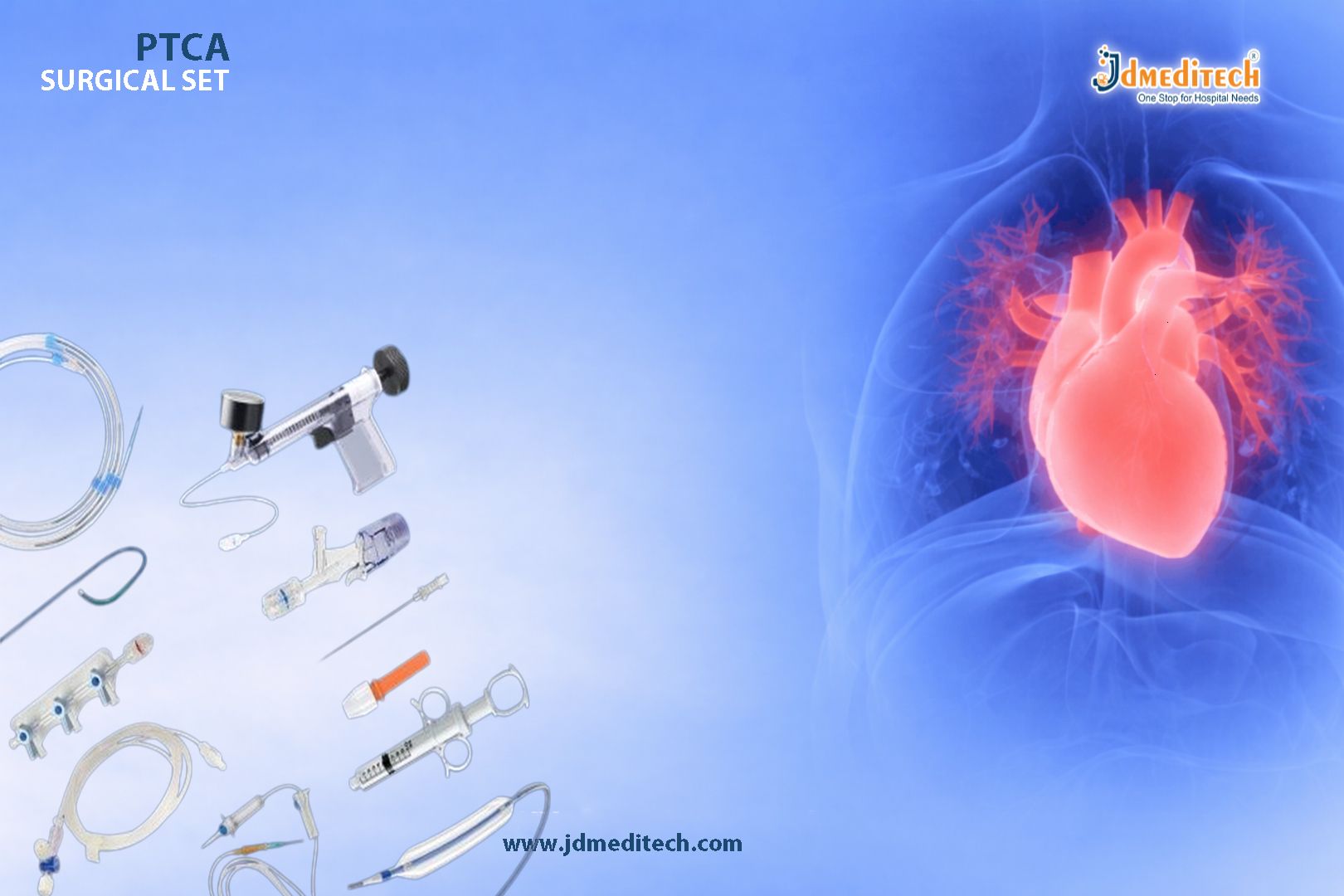
Coronary artery disease remains one of the leading causes of cardiovascular complications worldwide. When plaque accumulates inside the coronary arteries, it restricts blood flow to the heart muscle and increases the risk of chest pain, heart attacks, and heart failure. Fortunately, modern interventional cardiology offers effective treatment options. Among them, Percutaneous Transluminal Coronary Angioplasty (PTCA) stands out as a proven and minimally invasive artery revascularization procedure.
Today, cardiologists use PTCA to restore blood flow, relieve symptoms, and improve long-term cardiovascular health. Moreover, advances in catheter technology, balloon systems, and coronary stents continue to enhance procedural success and patient outcomes.
What Is Percutaneous Transluminal Coronary Angioplasty?
Percutaneous Transluminal Coronary Angioplasty, commonly known as PTCA, is a minimally invasive procedure that opens narrowed or blocked coronary arteries. During the procedure, an interventional cardiologist inserts a balloon catheter into the affected artery and expands it at the blockage site.
As the balloon expands, it compresses plaque against the artery wall and creates a wider channel for blood flow. In most cases, physicians also place a coronary stent to help keep the artery open. Consequently, the heart receives more oxygen-rich blood, and patients often experience immediate symptom relief.
Primary Goals of PTCA
Doctors perform PTCA to:
- Restore coronary blood flow
- Reduce chest pain and angina
- Improve heart function
- Minimize the risk of heart attacks
- Enhance physical activity levels
- Improve overall quality of life
Understanding Coronary Artery Disease
Coronary artery disease develops when fatty deposits accumulate inside the coronary arteries. Over time, these deposits form plaques that narrow the vessels and limit blood circulation.
As a result, the heart muscle receives less oxygen than it needs. Consequently, patients may experience chest discomfort, shortness of breath, fatigue, or other cardiovascular symptoms.
Major Risk Factors
Several factors contribute to coronary artery disease, including:
- High cholesterol levels
- High blood pressure
- Smoking
- Diabetes
- Obesity
- Physical inactivity
- Family history of heart disease
- Chronic stress
Therefore, early diagnosis and timely intervention play a crucial role in preventing serious complications.
How PTCA Restores Blood Flow
Cardiologists perform PTCA in a specialized cardiac catheterization laboratory. Throughout the procedure, they use advanced imaging systems to guide every step accurately.
Step 1: Establishing Vascular Access
First, the cardiologist accesses the vascular system through the radial artery in the wrist or the femoral artery in the groin. This access point allows the physician to guide specialized devices toward the heart.
Step 2: Advancing the Guidewire
Next, the physician advances a guidewire through the coronary arteries until it reaches the blockage. The guidewire creates a pathway for treatment devices.
Step 3: Inflating the Balloon Catheter
After positioning the balloon catheter across the narrowed segment, the cardiologist inflates the balloon. As the balloon expands, it pushes plaque outward and increases the artery’s internal diameter.
Step 4: Implanting a Coronary Stent
In most procedures, the physician deploys a coronary stent immediately after balloon dilation. The stent supports the artery walls and helps maintain long-term vessel patency.
Step 5: Confirming Revascularization
Finally, the cardiologist verifies blood flow using contrast imaging. Once the artery demonstrates improved circulation, the physician removes the treatment devices and completes the procedure.
Benefits of Percutaneous Transluminal Coronary Angioplasty
PTCA offers numerous advantages for patients with coronary artery disease. Furthermore, the procedure continues to evolve as technology advances.
Minimally Invasive Treatment
Unlike open-heart surgery, PTCA requires only a small vascular access site. Therefore, patients experience less trauma and recover more quickly.
Faster Recovery
Most patients resume normal activities within a short period. Additionally, many individuals leave the hospital within one or two days.
Immediate Symptom Improvement
PTCA often restores blood flow immediately. As a result, many patients notice reduced chest pain and improved exercise tolerance soon after treatment.
Reduced Hospital Stay
Because the procedure requires minimal recovery time, healthcare providers can often discharge patients earlier. Consequently, overall treatment costs may decrease.
Improved Long-Term Outcomes
When combined with lifestyle modifications and medical therapy, PTCA can significantly improve cardiovascular health and quality of life.
Advanced Technologies Used During PTCA
Modern angioplasty procedures rely on highly sophisticated devices. Furthermore, manufacturers continue to develop innovative solutions that improve safety and performance.
Guidewires
Guidewires help physicians navigate complex coronary anatomy with precision and control.
Balloon Catheters
Balloon catheters expand narrowed arteries and prepare vessels for stent placement.
Drug-Eluting Stents
Drug-eluting stents release medication directly into the artery wall. Consequently, they reduce the likelihood of restenosis and improve long-term outcomes.
Intravascular Imaging Systems
Technologies such as IVUS and OCT provide detailed vessel images. Therefore, physicians can make more informed treatment decisions.
Recovery and Long-Term Care
Successful angioplasty does not end when the procedure concludes. Instead, patients must actively participate in long-term cardiovascular care.
Follow Prescribed Medications
Patients should take antiplatelet medications exactly as prescribed. These medications help prevent blood clot formation and protect stent function.
Adopt a Heart-Healthy Lifestyle
In addition, patients should follow a balanced diet, exercise regularly, and avoid tobacco use.
Attend Cardiac Rehabilitation
Cardiac rehabilitation programs provide structured support and education. As a result, patients often achieve better recovery outcomes and lower cardiovascular risk.
Conclusion
Percutaneous Transluminal Coronary Angioplasty remains one of the most effective treatments for coronary artery disease and artery revascularization. By restoring blood flow through blocked coronary arteries, PTCA helps patients reduce symptoms, improve heart function, and lower the risk of future cardiac events.
Moreover, continuous advances in interventional cardiology continue to improve procedural success and patient safety. Therefore, PTCA remains a cornerstone of modern cardiovascular treatment and an essential solution for managing coronary artery disease.
Get Connected:
+91 79909 93062 | +91 63513 72032 | exports@jdmeditech.com