



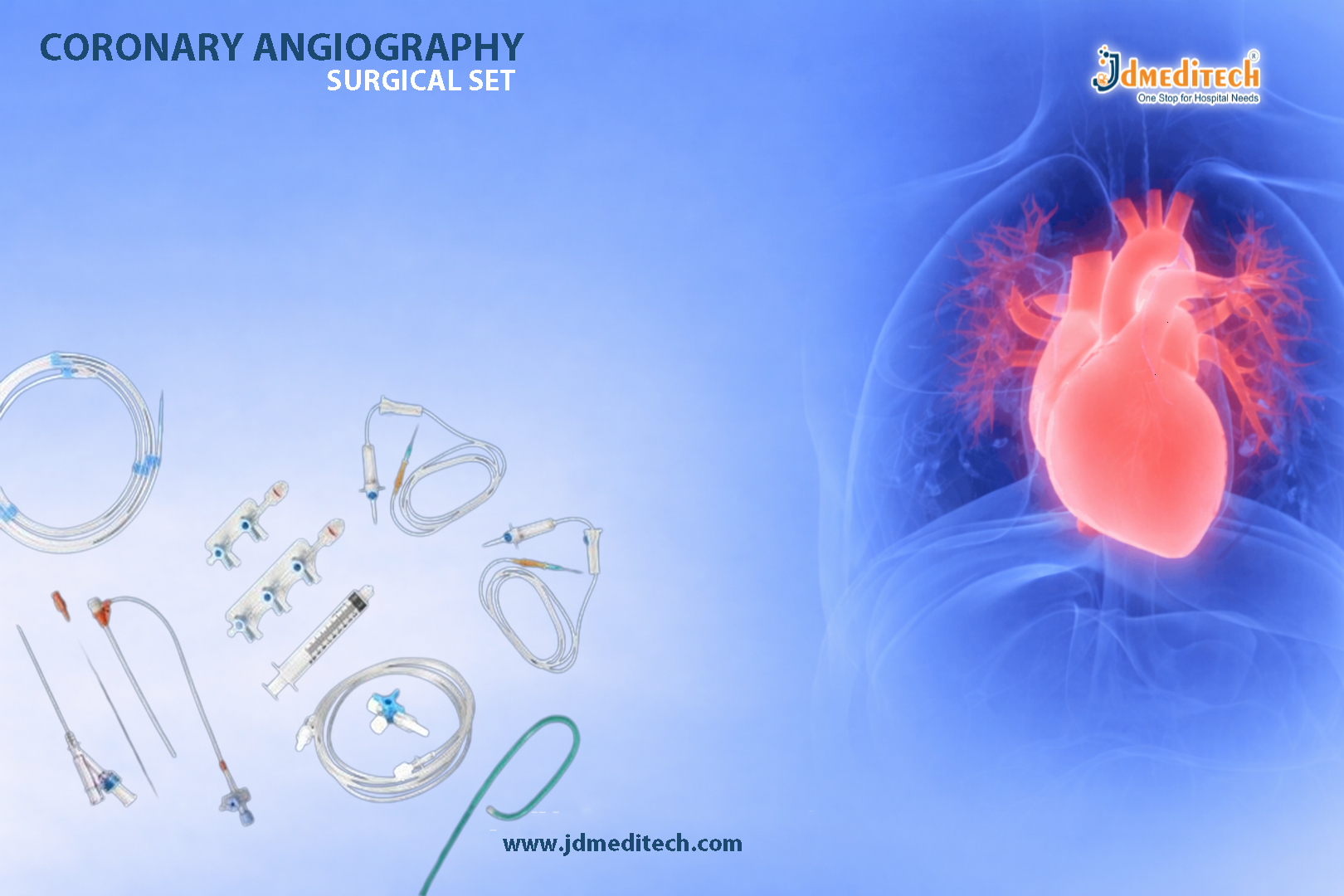
Heart disease remains one of the leading causes of death worldwide. Therefore, early and accurate diagnosis plays a critical role in preventing serious cardiovascular complications. Among the most effective diagnostic procedures available today, Diagnostic Coronary Angiography stands out as the gold standard for evaluating coronary artery health.
Cardiologists use this minimally invasive imaging procedure to visualize coronary arteries, identify blockages, and assess blood flow to the heart muscle. Moreover, coronary angiography helps physicians develop personalized treatment plans that improve patient outcomes and reduce cardiovascular risks.
What Is Diagnostic Coronary Angiography?
Diagnostic Coronary Angiography is a specialized imaging procedure that allows physicians to examine the coronary arteries using contrast dye and X-ray technology. During the procedure, a catheter delivers contrast media into the coronary arteries, enabling detailed visualization of blood vessels and potential blockages.
As a result, healthcare professionals can accurately diagnose coronary artery disease and determine the most appropriate treatment strategy.
Primary Objectives of Coronary Angiography
Physicians perform diagnostic coronary angiography to:
- Identify coronary artery blockages
- Evaluate blood flow to the heart
- Diagnose coronary artery disease
- Investigate chest pain symptoms
- Assess heart function
- Plan interventional procedures
- Monitor previous cardiac treatments
Consequently, coronary angiography remains one of the most valuable tools in modern cardiology.
Why Heart Artery Evaluation Is Important
The coronary arteries supply oxygen-rich blood to the heart muscle. However, plaque buildup can gradually narrow these arteries and restrict blood flow.
When this occurs, patients may experience symptoms ranging from mild chest discomfort to life-threatening heart attacks.
Common Conditions Evaluated Through Coronary Angiography
- Coronary artery disease (CAD)
- Stable angina
- Unstable angina
- Acute coronary syndrome
- Myocardial infarction (heart attack)
- Coronary artery anomalies
- Post-stent evaluation
Therefore, timely artery evaluation can help prevent severe cardiac events and improve long-term heart health.
How Diagnostic Coronary Angiography Works
Cardiologists perform coronary angiography in a specialized cardiac catheterization laboratory equipped with advanced imaging systems.
Step 1: Vascular Access
First, the physician gains access through the radial artery in the wrist or the femoral artery in the groin. The chosen access site depends on patient factors and procedural requirements.
Step 2: Catheter Advancement
Next, the cardiologist advances a diagnostic catheter through the vascular system until it reaches the coronary arteries.
Step 3: Contrast Injection
The physician then injects a contrast agent through the catheter. As the contrast flows through the arteries, it becomes visible on X-ray imaging.
Step 4: Image Acquisition
The imaging system captures detailed images from multiple angles. Consequently, physicians can identify narrowing, blockages, and abnormalities with high accuracy.
Step 5: Evaluation and Diagnosis
Finally, the cardiologist reviews the images and determines whether further treatment, such as angioplasty or stent placement, is necessary.
Clinical Indications for Diagnostic Coronary Angiography
Healthcare providers recommend coronary angiography for various cardiovascular conditions.
Chest Pain Assessment
Patients with unexplained or persistent chest pain often undergo coronary angiography to identify possible arterial blockages.
Abnormal Stress Test Results
When stress tests reveal signs of reduced blood flow, physicians may perform coronary angiography for further evaluation.
Suspected Coronary Artery Disease
Coronary angiography provides definitive information about the presence and severity of coronary artery disease.
Heart Attack Evaluation
In emergency situations, angiography helps identify blocked arteries and guides immediate treatment decisions.
Preoperative Cardiac Assessment
Some patients require coronary evaluation before undergoing major surgical procedures.
Benefits of Diagnostic Coronary Angiography
Coronary angiography offers numerous advantages in cardiovascular diagnosis and treatment planning.
Accurate Diagnosis
The procedure provides highly detailed images of coronary anatomy and arterial blockages.
Real-Time Visualization
Physicians can observe blood flow and vessel structure during the procedure.
Early Detection of Disease
Coronary angiography helps identify cardiovascular problems before serious complications occur.
Treatment Planning
The procedure allows cardiologists to decide whether medication, angioplasty, stenting, or surgery is the best option.
Minimally Invasive Approach
Compared with surgical diagnostic methods, coronary angiography requires only a small vascular access site.
Equipment Used During Coronary Angiography
Modern coronary angiography relies on advanced medical devices and imaging technologies.
Diagnostic Catheters
These catheters deliver contrast media into the coronary arteries and enable vessel visualization.
Guidewires
Guidewires assist catheter navigation through the vascular system.
Contrast Media
The contrast agent enhances arterial visibility during imaging.
Angiography Imaging Systems
High-resolution fluoroscopy systems capture real-time cardiovascular images.
Vascular Access Devices
Introducer sheaths and access kits facilitate safe arterial entry and catheter placement.
Risks and Potential Complications
Although coronary angiography is generally safe, physicians carefully monitor patients for possible complications.
Bleeding at the Access Site
Minor bleeding or bruising may occur at the catheter insertion site.
Allergic Reaction to Contrast Media
Some patients may experience mild reactions to contrast agents.
Arrhythmias
Temporary heart rhythm changes occasionally occur during the procedure.
Vascular Injury
Rarely, catheters may cause damage to blood vessels.
Kidney Function Concerns
Patients with pre-existing kidney disease may require additional precautions when receiving contrast media.
Advances in Coronary Angiography Technology
Technological innovations continue to improve diagnostic accuracy and patient safety.
Transradial Access Techniques
Radial artery access reduces bleeding complications and enhances patient comfort.
Digital Imaging Systems
Advanced imaging technology provides clearer visualization and improved diagnostic precision.
Low-Contrast Imaging Protocols
New techniques help reduce contrast exposure while maintaining image quality.
Artificial Intelligence Integration
AI-assisted image analysis supports faster and more accurate interpretation of angiographic findings.
Recovery After Coronary Angiography
Most patients recover quickly following diagnostic coronary angiography.
Post-Procedure Monitoring
Healthcare teams monitor vital signs and access site conditions immediately after the procedure.
Hydration and Recovery
Patients often receive fluids to help eliminate contrast media from the body.
Activity Restrictions
Physicians may recommend avoiding strenuous activities for a short period.
Follow-Up Care
Patients receive guidance regarding medications, lifestyle modifications, and future treatment plans.
Why Diagnostic Coronary Angiography Remains the Gold Standard
Although non-invasive imaging techniques continue to evolve, coronary angiography remains the most accurate method for directly visualizing coronary arteries. Furthermore, it allows physicians to diagnose disease severity and plan treatment during the same clinical pathway.
As a result, hospitals and cardiac centers worldwide continue to rely on coronary angiography as a cornerstone of cardiovascular diagnosis.
Conclusion
Diagnostic Coronary Angiography plays a vital role in heart artery evaluation and the diagnosis of coronary artery disease. By providing detailed visualization of coronary blood vessels, the procedure helps physicians identify blockages, assess cardiovascular risk, and determine the most effective treatment strategy.
Moreover, advances in catheter technology, imaging systems, and vascular access techniques continue to improve safety and diagnostic accuracy. Therefore, diagnostic coronary angiography remains one of the most trusted and effective tools for protecting heart health and improving patient outcomes.
Get Connected:
+91 79909 93062 | +91 63513 72032 | exports@jdmeditech.com




