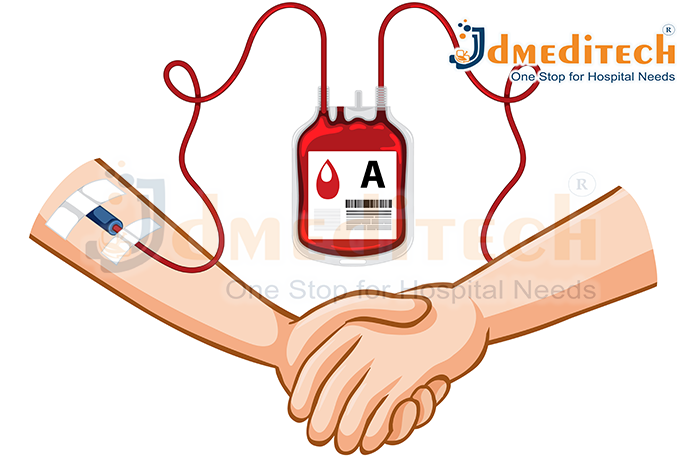
Blood donation offers one of the simplest and most powerful ways to make a positive difference in someone’s life. Every day, hospitals rely on donated blood to support patients during surgery, cancer treatment, childbirth, chronic illness care and medical emergencies.
Medical facilities cannot manufacture human blood, so they depend on healthy volunteers to maintain an adequate supply. A single donation may provide several blood components, such as red blood cells, plasma and platelets. These components can help different patients.
The donation process is generally safe and straightforward. Before collecting blood, trained healthcare professionals check the donor’s health, blood pressure and haemoglobin level. The actual blood collection usually takes only a few minutes, although the complete visit may take longer.
Choosing to donate blood gives hope and essential medical support to people in need. This small act can make an extraordinary difference. Be a hero—donate blood and help save lives today.
blood and help save lives today.
Who Is a Suitable Candidate for Blood Donation?
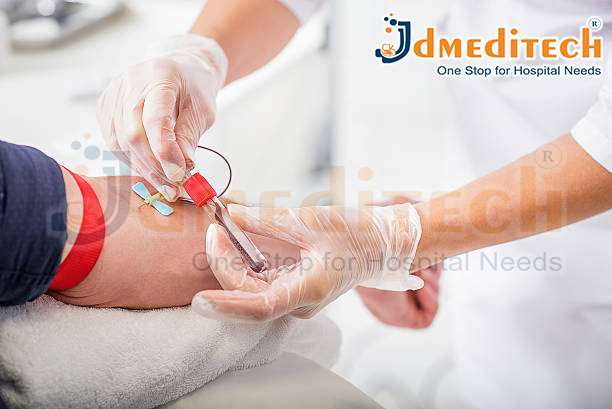
A suitable blood donor is generally a healthy adult who meets the eligibility requirements established by the local blood bank. These requirements protect both the donor and the recipient.
Typical eligibility criteria include:
- Age: Most blood banks accept donors between 18 and 65 years of age, although local rules may vary.
- Weight: Many centres require donors to weigh at least 50 kg.
- Health: Donors should feel healthy and remain free from active infections on the donation day.
- Hemoglobin Levels: The blood bank checks haemoglobin to reduce the risk of anaemia.
- Lifestyle Factors: Recent travel, infections or certain high-risk activities may affect eligibility.
- Medications: Some medicines may require temporary or permanent deferral..
Recent illness, surgery, vaccination, tattooing or piercing may require a waiting period. Pregnant women should not donate blood. Breastfeeding women should consult the blood bank or their healthcare professional before donation.
Donor Safety
Eligibility guidelines vary by country and blood bank. Always confirm your eligibility with an authorised blood donation centre.
- Health Screening: Before donating, donors undergo a brief medical check-up to assess blood pressure, hemoglobin levels, and overall health. This ensures only healthy individuals donate.
- Sterile Equipment: Single-use, sterile needles and blood bags are used for every donation, eliminating the risk of infection.
- Trained Staff: Qualified medical personnel supervise the donation process, monitoring donors for any discomfort or complications.
- Proper Technique: Blood is drawn slowly and carefully to minimize pain and prevent injury.
- Post-Donation Care: Donors are advised to rest, drink fluids, and eat light snacks to prevent dizziness or fatigue.
- Temporary Deferral: Certain conditions, like recent illness, medications, or travel to specific regions, may temporarily prevent donation, ensuring safety for both donor and recipient.
Why Is Blood Donation Conducted?
Blood donation is conducted to save lives and support the healthcare system in treating patients who need blood. It is a vital process because blood cannot be manufactured artificially—it can only come from generous donors. The main reasons for blood donation include:
- Emergency Situations: Accidents, natural disasters, or sudden medical emergencies often require immediate blood transfusions to save lives.
- Surgical Procedures: Many surgeries, including heart surgery, organ transplants, and major operations, require blood to ensure patient safety.
- Treatment of Chronic Illnesses: Patients with conditions such as anemia, hemophilia, kidney disease, or cancer may need regular blood transfusions.
- Supporting Medical Research: Donated blood is sometimes used for research to develop new treatments and improve medical care.
- Maintaining Blood Supply: Regular donations ensure a constant and safe blood supply in hospitals and blood banks.
Benefits of Blood Donation
Blood donation is not only a lifesaving act for recipients but also offers several benefits for donors:
- Saves Lives: One donation can help save up to three lives, making it one of the most impactful acts of kindness.
- Health Check-Up: Before donating, donors undergo a basic health screening, including blood pressure, hemoglobin levels, and overall health assessment.
- Maintains Healthy Iron Levels: Regular donation can help reduce excess iron in the blood, which may lower the risk of heart-related issues.
- Stimulates New Blood Cell Production: Donating blood encourages the body to produce fresh red blood cells, improving circulation and overall health.
- Promotes Emotional Wellbeing: The act of helping others fosters a sense of fulfillment and social responsibility.
- Strengthens Community Support: Blood donation encourages a culture of generosity, compassion, and solidarity within society.
Blood Typing
Blood typing is the process of determining a person’s blood group based on the presence or absence of specific antigens on the surface of red blood cells. It is a crucial step before blood donation or transfusion to ensure compatibility and prevent serious reactions.
Major Blood Groups
The most widely recognized blood group systems are:
-
ABO System:
- Type A: Has A antigens on red cells and anti-B antibodies in plasma.
- Type B: Has B antigens and anti-A antibodies.
- Type AB: Has both A and B antigens but no antibodies (universal recipient).
- Type O: Has no antigens but both anti-A and anti-B antibodies (universal donor).
-
Rh Factor:
- Rh-positive (Rh+): Presence of the Rh antigen (D antigen).
- Rh-negative (Rh−): Absence of the Rh antigen.
Conclusion
Blood donation is more than a medical procedure—it is an act of kindness that can make a life-changing difference. By donating blood, you are giving hope, health, and life to someone in need. Every drop counts. Be a hero—donate blood today.