
Endovascular Aneurysm Repair Procedure – Complete Lifesaving Guide

The aneurysm repair procedure is a critical intervention in modern cardiology. It is specifically designed to treat weakened and bulging blood vessels, known as aneurysms. If left untreated, aneurysms can rupture and cause life-threatening complications. Therefore, timely diagnosis and treatment are essential.

In this blog, we will explain the aneurysm repair procedure, its types, benefits, risks, and recovery process. Moreover, we will highlight why this procedure plays a vital role in saving lives.

What is an Aneurysm?

An aneurysm occurs when a section of a blood vessel wall weakens and bulges outward. Most commonly, aneurysms develop in:

  • The aorta (aortic aneurysm)
  • Brain (cerebral aneurysm)
  • Peripheral arteries

However, aortic aneurysms are the most common and dangerous type. As a result, they often require an aneurysm repair procedure to prevent rupture.

What is an Aneurysm Repair Procedure?

The aneurysm repair procedure is a medical treatment used to fix or reinforce a weakened artery. It aims to prevent rupture and restore normal blood flow.

There are two primary types of aneurysm repair:

1. Open Surgical Repair

In this traditional approach, surgeons make an incision to access the affected artery. Then, they replace the weakened section with a synthetic graft.

Key advantages:

  • Durable long-term results
  • Suitable for complex aneurysms
2. Endovascular Aneurysm Repair (EVAR)

This is a minimally invasive aneurysm repair procedure. Doctors insert a catheter through a small incision and place a stent graft inside the artery.

Key advantages:

  • Faster recovery
  • Less pain
  • Reduced hospital stay
When is an Aneurysm Repair Procedure Needed?

Doctors recommend an aneurysm repair procedure when:

  • The aneurysm is large or growing rapidly
  • There is a high risk of rupture
  • The patient experiences symptoms like pain
  • Imaging tests show structural weakness

Therefore, early intervention significantly improves patient outcomes.

Benefits of Aneurysm Repair Procedure

The aneurysm repair procedure offers several life-saving benefits:

  • Prevents rupture and internal bleeding
  • Restores proper blood circulation
  • Reduces risk of sudden death
  • Improves long-term survival

Additionally, minimally invasive methods like EVAR enhance patient comfort and recovery.

Risks and Complications

Although the aneurysm repair procedure is generally safe, some risks may occur:

  • Infection
  • Bleeding
  • Blood clots
  • Graft leakage (in EVAR)
  • Heart or lung complications

However, with advanced technology and skilled surgeons, these risks are minimized.

Recovery After Aneurysm Repair Procedure

Recovery depends on the type of aneurysm repair procedure performed.

After Open Surgery:
  • Hospital stay: 5–10 days
  • Full recovery: 6–12 weeks
After EVAR:
  • Hospital stay: 1–3 days
  • Recovery: 2–4 weeks

Furthermore, patients should follow medical advice, maintain a healthy lifestyle, and attend regular follow-ups.

Technological Advancements in Aneurysm Repair

Modern cardiology has significantly improved the aneurysm repair procedure. Innovations include:

  • Advanced stent grafts
  • Imaging-guided precision
  • Minimally invasive techniques

As a result, outcomes are safer and more effective than ever before.

Why Choose High-Quality Medical Devices?

The success of an aneurysm repair procedure depends on high-quality medical equipment. Reliable devices ensure:

  • Accurate placement
  • Better durability
  • Reduced complications

At JDMeditech, we provide advanced cardiology devices designed to support safe and effective procedures.

Conclusion

The aneurysm repair procedure is a vital, life-saving treatment in cardiology. It not only prevents fatal complications but also improves patient quality of life. While both open surgery and EVAR have their benefits, the choice depends on the patient’s condition.

In conclusion, early diagnosis, timely intervention, and high-quality medical devices are key to successful outcomes.


Explore More Product >>

Get Connected:

+91 79909 93062 | +91 63513 72032 | exports@jdmeditech.com
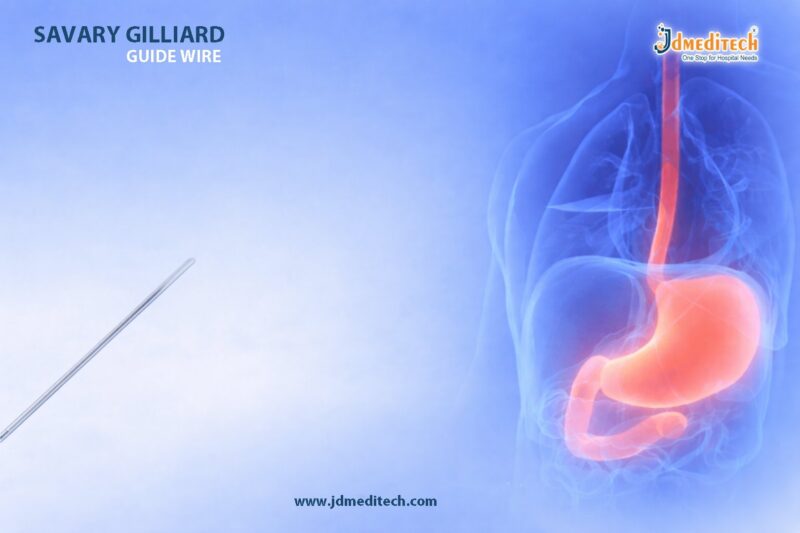
Savary Gilliard Guide Wire – Reliable Navigation in Endoscopy

In modern gastrointestinal endoscopy, precision and control are critical for successful outcomes. Among the essential tools that enable smooth and safe procedures, the Savary Gilliard Guide Wire stands out as a trusted solution. It plays a vital role in guiding dilators and other devices through complex anatomical pathways with accuracy.

Because of its excellent flexibility and strength, the Savary Gilliard Guide Wire has become a preferred choice for gastroenterologists worldwide. Whether used in esophageal dilation or advanced therapeutic procedures, this guide wire ensures reliable navigation and improved patient safety.

What is a Savary Gilliard Guide Wire?

The Savary Gilliard Guide Wire is a specialized medical device used in endoscopic procedures to guide dilation instruments safely through the gastrointestinal tract. It is commonly used during esophageal dilation to treat strictures and obstructions.

Designed with a flexible yet durable structure, this guide wire allows clinicians to navigate challenging anatomies without causing trauma.

Key Features of Savary Gilliard Guide Wire
1. High Flexibility for Smooth Navigation

The wire offers excellent flexibility, allowing it to pass easily through curved and narrow pathways.

2. Optimal Stiffness for Support

While flexible, the Savary Gilliard Guide Wire maintains sufficient stiffness to support dilators during procedures.

3. Atraumatic Tip Design

Its soft, atraumatic tip minimizes the risk of mucosal injury, ensuring patient safety.

4. Radiopaque Markings

Radiopaque properties enable clear visualization under fluoroscopy, improving procedural accuracy.

5. Durable Construction

Manufactured using high-quality materials, the guide wire resists kinking and ensures long-lasting performance.

Clinical Applications in Endoscopy

The Savary Gilliard Guide Wire is widely used in various gastrointestinal procedures, including:

  • Esophageal dilationfor strictures
  • Treatment of dysphagia
  • Guiding bougies and dilators
  • Support in complex GI interventions

Because of its versatility, it is an indispensable tool in both diagnostic and therapeutic endoscopy.

Advantages of Using Savary Gilliard Guide Wire
Enhanced Procedural Safety

The atraumatic tip and controlled navigation reduce the risk of complications.

Improved Accuracy

Radiopaque visibility ensures precise placement during fluoroscopic guidance.

Time Efficiency

Smooth passage and reliable support help reduce procedure time.

Versatility

Compatible with a wide range of endoscopic devices and dilation systems.

Why Choose Savary Gilliard Guide Wire from JDMeditech?

At JDMeditech, we prioritize quality, precision, and reliability. Our Savary Gilliard Guide Wire is designed to meet international standards and deliver consistent performance in demanding clinical environments.

Our Key Benefits:
  • Strict quality control and sterile packaging
  • Designed for optimal flexibility and strength
  • Competitive pricing without compromising quality
  • Trusted by healthcare professionals
Best Practices for Safe Usage

To maximize the performance of the Savary Gilliard Guide Wire, clinicians should:

  • Ensure proper lubrication before insertion
  • Use fluoroscopic guidance when necessary
  • Handle the wire gently to avoid damage
  • Follow standard sterilization and handling protocols
Conclusion

The Savary Gilliard Guide Wire plays a crucial role in ensuring safe, efficient, and precise navigation during endoscopic procedures. Its combination of flexibility, strength, and atraumatic design makes it an essential tool for gastroenterologists.

As endoscopic techniques continue to evolve, reliable accessories like the Savary Gilliard Guide Wire remain fundamental to achieving successful clinical outcomes.


Explore More Product >>

Get Connected:

+91 79909 93062 | +91 63513 72032 | exports@jdmeditech.com
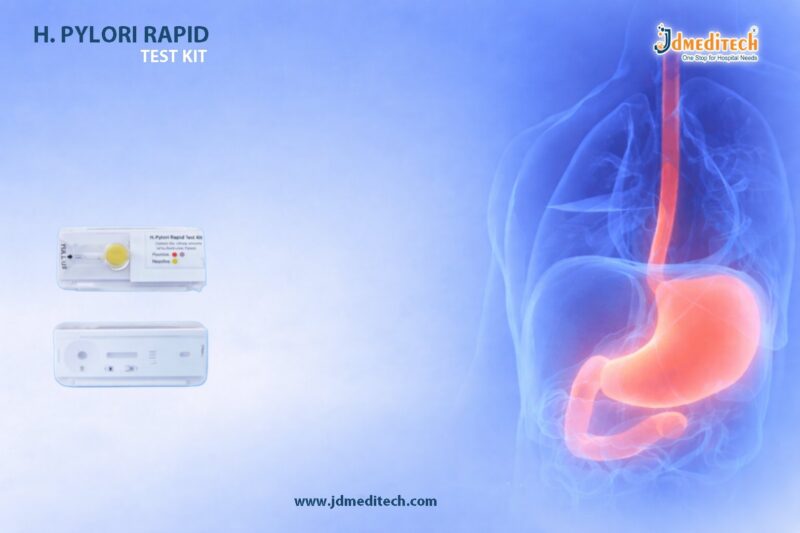
H. pylori Test Kit – Rapid & Reliable Gastric Infection Detection

The H. pylori Rapid Test Kit plays a vital role in modern diagnostics. It helps healthcare professionals detect Helicobacter pylori infections quickly and accurately. Since H. pylori infection is a leading cause of gastritis, peptic ulcers, and even gastric cancer, early detection is essential.

Moreover, traditional diagnostic methods often take longer and require complex laboratory setups. In contrast, a rapid H. pylori test kit provides results within minutes. Therefore, it improves clinical decision-making and patient outcomes significantly.

What is an H. pylori Rapid Test Kit?

An H. pylori Rapid Test Kit is a diagnostic device designed to identify the presence of Helicobacter pylori antigens or antibodies in a patient sample. Typically, it uses stool, blood, or serum samples.

Additionally, the test works on immunochromatographic principles. This ensures fast, reliable, and easy-to-interpret results without the need for advanced equipment.

Why is H. pylori Detection Important?

Detecting H. pylori infection at an early stage is critical. This bacterium can silently damage the stomach lining over time.

Key reasons include:
  • Prevents progression to peptic ulcers
  • Reduces the risk of gastric cancer
  • Helps manage chronic gastritis
  • Enables targeted antibiotic therapy
  • Improves overall digestive health

Therefore, using a rapid H. pylori test kit ensures timely diagnosis and treatment.

How Does the H. pylori Rapid Test Kit Work?

The H. pylori Rapid Test Kit operates using a simple and efficient process:

  1. Collect the sample (stool, blood, or serum)
  2. Apply it to the test cassette
  3. Add buffer solution
  4. Wait for the reaction (usually 5–15 minutes)
  5. Read the results (visible colored lines)

Because of this straightforward method, healthcare providers can perform testing even in low-resource settings.

Key Features of H. pylori Rapid Test Kit
1. Quick Results

The test delivers results within minutes. This allows immediate clinical decisions.

2. High Accuracy

It provides reliable sensitivity and specificity, ensuring trustworthy outcomes.

3. Easy to Use

The kit requires minimal training. Therefore, it is suitable for clinics, hospitals, and laboratories.

4. Non-Invasive Options

Stool-based tests reduce patient discomfort compared to invasive procedures.

5. Portable and Convenient

Compact design makes it ideal for point-of-care testing.

Applications in Medical Practice

The H. pylori Rapid Test Kit is widely used across various healthcare settings:

  • Hospitals for quick diagnosis
  • Clinics for routine screening
  • Diagnostic laboratories
  • Emergency care units
  • Rural and remote healthcare centers

Furthermore, it plays a crucial role in mass screening programs.

Advantages Over Traditional Methods

Traditional diagnostic methods such as endoscopy and biopsy are effective but invasive and time-consuming.

In comparison, rapid test kits offer:
  • Faster turnaround time
  • Cost-effectiveness
  • Minimal infrastructure requirement
  • Immediate treatment planning

As a result, many healthcare providers prefer the H. pylori rapid detection test.

Limitations to Consider

Although the H. pylori Rapid Test Kit is highly efficient, it has some limitations:

  • May require confirmation with advanced tests in certain cases
  • Accuracy can vary depending on sample type
  • Early infections may sometimes show false negatives

Therefore, clinicians should interpret results alongside clinical findings.

Best Practices for Accurate Results

To achieve reliable results, follow these guidelines:

  • Use fresh and properly collected samples
  • Follow manufacturer instructions strictly
  • Store the kit under recommended conditions
  • Avoid contamination during testing

By maintaining these practices, the H. pylori test kit delivers optimal performance.

Why Choose JDMeditech for H. pylori Rapid Test Kits?

At JDMeditech, we provide high-quality H. pylori Rapid Test Kits designed for accuracy, reliability, and ease of use.

Our advantages include:
  • Strict quality standards
  • Competitive pricing
  • Consistent performance
  • Bulk supply capability
  • Trusted by healthcare professionals
Conclusion

The H. pylori Rapid Test Kit has transformed the way gastric infections are diagnosed. With fast results, high accuracy, and ease of use, it is an essential tool in modern healthcare.

Early detection of H. pylori infection not only improves treatment outcomes but also prevents serious complications. Therefore, adopting rapid testing solutions is a smart choice for healthcare providers.


Explore More Product >>

Get Connected:

+91 79909 93062 | +91 63513 72032 | exports@jdmeditech.com
Endoscopy Trolley – Organized Mobility for Precision Procedures

An Endoscopy Trolley plays a vital role in modern healthcare settings by ensuring smooth workflow, organized equipment handling, and safe mobility during endoscopic procedures. In busy operation theaters and endoscopy suites, efficiency and precision are critical. Therefore, having a well-designed endoscopy trolley significantly improves procedural outcomes and staff productivity.

In this blog, we will explore the features, benefits, applications, and importance of using an endoscopy trolley in medical environments.

What is an Endoscopy Trolley?

An endoscopy trolley is a specially designed mobile unit used to hold, transport, and organize endoscopy equipment such as monitors, light sources, processors, and accessories. It ensures that all essential devices remain accessible and securely placed during procedures.

Moreover, the trolley enhances workflow by reducing clutter and enabling easy movement between different areas of the hospital.

Key Features of Endoscopy Trolley
1. Robust and Durable Structure

The endoscopy trolley is made from high-quality materials such as stainless steel or powder-coated metal. As a result, it offers long-lasting durability and resistance to corrosion.

2. Multi-Level Shelving System

It includes multiple shelves that allow organized placement of:

  • Endoscopy monitors
  • Light source units
  • Camera control units
  • Irrigation pumps

Thus, it ensures easy access during procedures.

3. Smooth Mobility with Lockable Wheels

The trolley is equipped with 360-degree rotating wheels. Additionally, lockable casters provide stability during procedures.

4. Cable Management System

Modern endoscopy trolleys feature cable organizers to prevent tangling. This improves safety and maintains a clean working environment.

5. Compact and Ergonomic Design

Its compact design allows easy movement in confined spaces. Furthermore, ergonomic handling improves user convenience.

Benefits of Using an Endoscopy Trolley
Enhanced Workflow Efficiency

An organized endoscopy trolley reduces setup time and allows healthcare professionals to focus on the procedure.

Improved Patient Safety

By securely holding equipment, the trolley minimizes the risk of accidental falls or disruptions.

Better Equipment Management

All devices remain properly arranged, which reduces damage and increases equipment lifespan.

Easy Mobility Across Departments

The endoscopy trolley allows seamless transport of equipment between OT, ICU, and endoscopy rooms.

Applications of Endoscopy Trolley

The endoscopy trolley is widely used in:

  • Gastroenterology procedures (EGD, colonoscopy)
  • Urology endoscopy
  • Bronchoscopy procedures
  • ENT endoscopic surgeries
  • Operation theaters and diagnostic centers

Hence, it is an essential component in any facility performing minimally invasive procedures.

Why Choose a High-Quality Endoscopy Trolley?

Choosing a premium endoscopy trolley ensures reliability and efficiency. Poor-quality trolleys may lead to instability, equipment damage, and workflow interruptions.

At JDMeditech, we focus on providing:

  • High-quality construction
  • Smooth mobility
  • Customizable configurations
  • Reliable performance

Therefore, our products support healthcare professionals in delivering precise and safe procedures.

Maintenance Tips for Endoscopy Trolley

To ensure long-term performance:

  • Clean and disinfect regularly
  • Check wheel locks periodically
  • Avoid overloading shelves
  • Inspect for loose fittings

Proper maintenance enhances durability and ensures safety.

Conclusion

An endoscopy trolley is more than just a storage unit—it is a crucial tool for improving efficiency, safety, and organization in medical procedures. With its structured design and mobility features, it supports healthcare professionals in delivering precise and effective care.

If you are looking for a reliable and durable endoscopy trolley, JDMeditech offers high-quality solutions tailored to modern healthcare needs.

Nephrostomy Balloon Dilator for PCNL | Precision Tract Dilation

The Nephrostomy Balloon Dilator plays a crucial role in modern urological procedures, especially during Percutaneous Nephrolithotomy (PCNL). As kidney stone cases continue to rise, urologists increasingly rely on advanced tools that ensure safe, controlled, and precise tract dilation.

Unlike traditional dilators, the Nephrostomy Balloon Dilator offers uniform radial expansion, minimizing trauma and improving procedural efficiency. As a result, it has become an essential device in urology setups worldwide.

What is a Nephrostomy Balloon Dilator?

A Nephrostomy Balloon Dilator is a specialized medical device designed to dilate the nephrostomy tract during PCNL procedures. It uses a high-pressure balloon mechanism to expand the tract smoothly and evenly.

Because of its design, it reduces the risk of complications associated with sequential dilation methods.

Why is Nephrostomy Balloon Dilation Important in PCNL?

During PCNL procedures, creating a safe and effective access tract to the kidney is critical. Therefore, controlled dilation becomes essential.

Key reasons include:

  • Ensures precise tract formation
  • Reduces bleeding and tissue trauma
  • Improves procedure speed
  • Enhances surgeon control and visibility

Consequently, the Nephrostomy Balloon Dilator significantly improves overall surgical outcomes.

Key Features of Nephrostomy Balloon Dilator
1. High-Pressure Balloon Technology

The device uses a durable balloon capable of handling high pressure, ensuring consistent dilation.

2. Uniform Radial Expansion

Unlike metal dilators, it expands evenly in all directions, reducing tissue injury.

3. Radiopaque Markers

These markers improve fluoroscopic visibility, allowing precise placement.

4. Easy Handling and Control

The ergonomic design allows surgeons to perform procedures efficiently.

5. Sterile and Single-Use Design

Ensures patient safety and eliminates cross-contamination risks.

Advantages Over Conventional Dilators

The Nephrostomy Balloon Dilator offers multiple advantages over traditional dilation techniques:

  • Minimized trauma to renal tissue
  • Reduced procedural time
  • Lower risk of complications
  • Improved success rate in PCNL procedures
  • Better patient recovery outcomes

In addition, balloon dilation eliminates the need for multiple instrument exchanges.

Clinical Applications

The Nephrostomy Balloon Dilator is widely used in:

  • Percutaneous Nephrolithotomy (PCNL)
  • Kidney stone removal procedures
  • Urological tract dilation
  • Access creation for nephrostomy placement

Thus, it serves as a versatile tool in endourology.

Step-by-Step Use in PCNL Procedures
  1. Guidewire Placement – Inserted into the renal collecting system
  2. Initial Access Creation – Needle puncture performed
  3. Balloon Advancement – Dilator advanced over the guidewire
  4. Balloon Inflation – Controlled expansion to desired size
  5. Sheath Placement – Access sheath introduced post dilation

This method ensures a safe and efficient tract formation.

Safety and Performance Considerations

Although highly effective, proper usage is essential:

  • Use under fluoroscopic or ultrasound guidance
  • Monitor balloon pressure carefully
  • Ensure correct size selection
  • Maintain strict sterile technique

Following these practices helps avoid complications.

Why Choose High-Quality Nephrostomy Balloon Dilators?

Quality plays a vital role in medical procedures. Therefore, selecting a reliable product ensures:

  • Consistent performance
  • Enhanced patient safety
  • Reduced intraoperative risks
  • Better long-term outcomes
Conclusion

The Nephrostomy Balloon Dilator has transformed PCNL procedures by offering precision, safety, and efficiency. With its advanced balloon technology and user-friendly design, it ensures optimal tract dilation with minimal complications.

As urology continues to evolve, adopting innovative tools like the Nephrostomy Balloon Dilator is essential for delivering superior patient care.


Explore More Product >>

Get Connected:

+91 79909 93062 | +91 63513 72032 | exports@jdmeditech.com
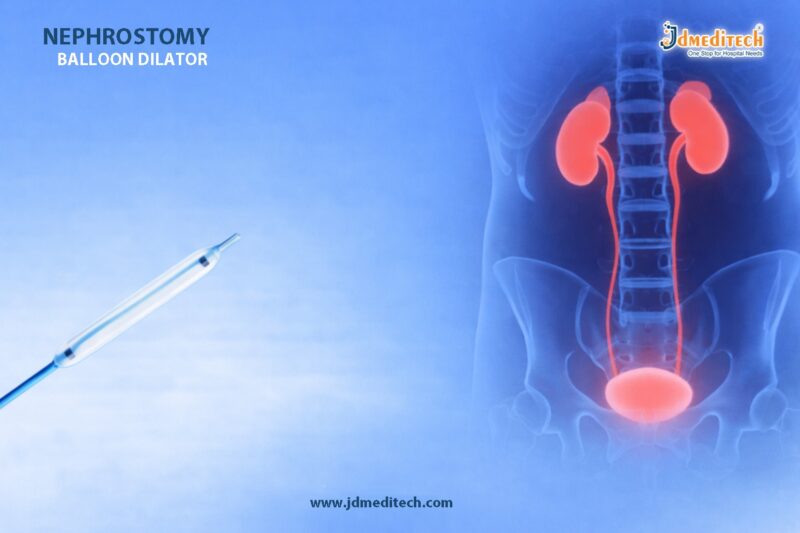
Safe Retrieval Made Simple – Foreign Body Hood in Endoscopy

Endoscopic procedures play a vital role in diagnosing and treating gastrointestinal (GI) conditions. However, foreign body retrieval remains one of the most delicate and risk-prone tasks in endoscopy. This is where the Foreign Body Hood in Endoscopic Procedures becomes an essential accessory, ensuring safe, controlled, and efficient removal of ingested or impacted objects.

In modern GI practice, a foreign body hood enhances visualization, protects mucosal surfaces, and significantly reduces procedural complications. As a result, it has become a must-have tool for gastroenterologists performing therapeutic endoscopy.

What is a Foreign Body Hood in Endoscopic Procedures?

A Foreign Body Hood in Endoscopic Procedures is a transparent distal attachment (cap) fitted onto the tip of an endoscope. It is specifically designed to facilitate the safe retrieval of foreign objects such as coins, bones, food boluses, dentures, or sharp items from the gastrointestinal tract.

Because of its clear and ergonomic design, the hood improves visibility while creating a protective barrier between the foreign object and the mucosal lining.

Why is a Foreign Body Hood Important?

Foreign body removal can lead to complications like mucosal tears, bleeding, or perforation if not handled properly. Therefore, using a foreign body hood in endoscopic procedures offers several clinical advantages:

  • Enhanced Safety : Protects the GI mucosa during extraction
  • Improved Visualization : Transparent design allows clear endoscopic view
  • Better Control : Helps stabilize and guide the foreign object
  • Reduced Trauma : Minimizes injury caused by sharp or irregular objects
  • Efficient Retrieval : Speeds up the procedure and improves success rates
Key Features of Foreign Body Hood in Endoscopic Procedures
1. Transparent Medical-Grade Material

The hood is made from high-quality, clear material that ensures unobstructed visualization during the procedure.

2. Smooth Edges for Safety

Rounded and polished edges help prevent mucosal injury, even during complex retrieval cases.

3. Secure Fit on Endoscope Tip

Designed to fit snugly on various endoscopes, ensuring stable attachment without slipping.

4. Multiple Size Options

Available in different diameters to accommodate various endoscope models and clinical needs.

5. Disposable or Reusable Variants

Depending on the clinical setup, both single-use and reusable options are available.

Applications in Endoscopic Procedures

The foreign body hood in endoscopic procedures is widely used across multiple clinical scenarios:

  • Esophageal Foreign Body Removal
  • Gastric Object Retrieval
  • Food Bolus Impaction Management
  • Sharp Object Extraction (bones, pins, needles)
  • Pediatric Endoscopy Cases

Because of its versatility, it is commonly used in emergency endoscopy as well as planned therapeutic procedures.

How Does a Foreign Body Hood Work?

The working mechanism of a foreign body hood in endoscopic procedures is simple yet highly effective:

  1. The hood is attached to the distal end of the endoscope.
  2. The endoscope is inserted into the GI tract to locate the foreign object.
  3. The hood helps enclose or stabilize the object.
  4. Retrieval tools such as forceps, baskets, or snares are used.
  5. The hood protects surrounding tissues during extraction.

As a result, the procedure becomes safer, smoother, and more controlled.

Benefits of Using Foreign Body Hood in Endoscopic Procedures

Using a foreign body hood in endoscopic procedures provides multiple advantages:

  •  Minimizes risk of perforation
  •  Reduces procedure time
  •  Enhances endoscopic precision
  •  Improves patient safety and comfort
  •  Supports successful retrieval in difficult cases

Moreover, it significantly improves outcomes in complex and high-risk retrieval procedures.

Choosing the Right Foreign Body Hood

When selecting a foreign body hood in endoscopic procedures, consider the following factors:

  • Compatibility with endoscope size
  • Type of foreign body (sharp, blunt, large)
  • Procedure type (emergency or elective)
  • Material quality and transparency
  • Sterility and disposability

Choosing the right hood ensures optimal performance and safety.

Best Practices for Safe Use

To maximize the effectiveness of a foreign body hood in endoscopic procedures, follow these best practices:

  • Always ensure proper attachment before insertion
  • Select the appropriate hood size
  • Combine with suitable retrieval devices
  • Maintain clear visualization throughout the procedure
  • Follow sterilization protocols (if reusable)

These steps help achieve safe and complication-free outcomes.

Conclusion

The Foreign Body Hood in Endoscopic Procedures is a simple yet powerful tool that transforms the safety and efficiency of foreign body retrieval. By improving visualization, reducing trauma, and enhancing control, it plays a crucial role in modern GI endoscopy.

For healthcare providers aiming to deliver high-quality patient care, incorporating a reliable foreign body hood is essential. It not only ensures safer procedures but also boosts clinical confidence and success rates.


Explore More Product >>

Get Connected:

+91 79909 93062 | +91 63513 72032 | exports@jdmeditech.com
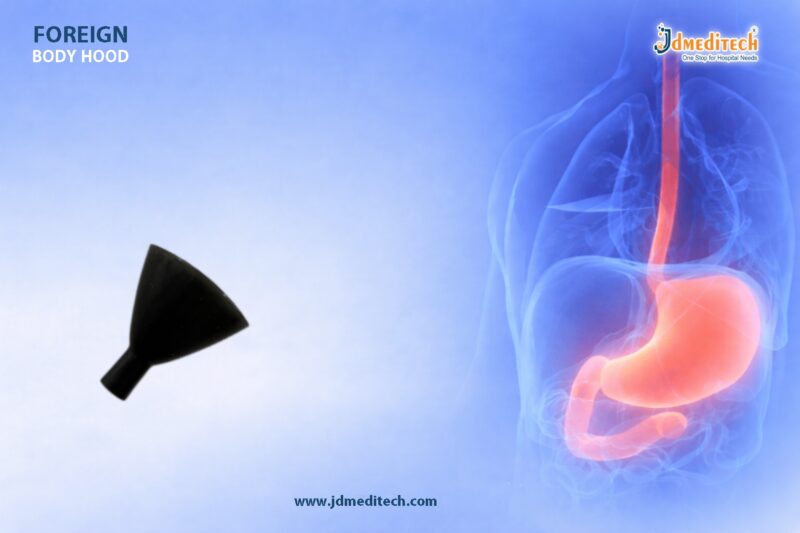
 

Ureteral Balloon Dilator for Precise Ureteral Stricture Treatment

Ureteral strictures can significantly impact urinary flow and kidney function if left untreated. Therefore, achieving safe and controlled dilation is essential in urological procedures. The ureteral balloon dilator has emerged as a reliable and minimally invasive solution for treating ureteral narrowing with precision.

In modern urology, surgeons prefer tools that provide accurate dilation, minimal trauma, and predictable outcomes. As a result, the ureteral balloon dilator plays a crucial role in endourological interventions.

What is a Ureteral Balloon Dilator?

A ureteral balloon dilator is a specialized medical device designed to dilate narrowed segments of the ureter. It consists of a flexible catheter with an inflatable balloon at its distal end. Once positioned at the stricture site, the balloon inflates to widen the ureter safely.

Because of its controlled expansion, the ureteral balloon dilator ensures uniform dilation without excessive force, reducing the risk of complications.

Key Features of Ureteral Balloon Dilator
1. Controlled and Uniform Dilation

The device allows precise balloon inflation, ensuring consistent pressure distribution across the stricture.

2. High-Pressure Capability

Most ureteral balloon dilators are designed to withstand high الضغط levels, enabling effective dilation of tough strictures.

3. Flexible and Kink-Resistant Shaft

The flexible catheter ensures smooth navigation through the ureter, even in complex anatomies.

4. Radiopaque Markers

Radiopaque bands help clinicians accurately position the balloon under fluoroscopic guidance.

5. Minimally Invasive Design

Since the procedure uses an endoscopic approach, it reduces tissue trauma and speeds up patient recovery.

Applications in Urology

The ureteral balloon dilator is widely used in various urological procedures, including:

  • Treatment of ureteral strictures
  • Preparation for ureteroscopy
  • Dilation prior to stent placement
  • Management of ureteropelvic junction (UPJ) obstruction
  • Access creation for endourological procedures

Because of its versatility, it has become a standard tool in both diagnostic and therapeutic interventions.

Procedure Overview

During the procedure, the surgeon inserts the ureteral balloon dilator over a guidewire. Then, they position it precisely at the stricture site using imaging guidance.

Once in place:

  1. The balloon inflates gradually to a predefined pressure
  2. The narrowed segment expands uniformly
  3. The balloon deflates and is removed carefully

This controlled approach ensures effective dilation with minimal risk of ureteral injury.

Advantages of Ureteral Balloon Dilator
1. High Precision

The ureteral balloon dilator provides targeted dilation without damaging surrounding tissues.

2. Reduced Trauma

Unlike mechanical dilators, it minimizes shearing forces on the ureter.

3. Faster Recovery

Patients often experience shorter recovery times due to the minimally invasive nature.

4. Improved Success Rates

Uniform dilation enhances procedural success and reduces recurrence.

5. Better Patient Comfort

The technique results in less postoperative discomfort compared to traditional methods.

Why Choose Ureteral Balloon Dilator from JDMeditech?

At JDMeditech, we focus on delivering high-quality urology devices that meet global standards. Our ureteral balloon dilators are designed for precision, durability, and ease of use.

Key Benefits:
  • High-quality medical-grade materials
  • Excellent pressure tolerance
  • Smooth insertion and navigation
  • Sterile and ready-to-use packaging
  • Cost-effective solutions for hospitals and clinics
Best Practices for Safe Use

To achieve optimal outcomes, clinicians should follow these best practices:

  • Always use imaging guidance for accurate placement
  • Inflate the balloon gradually to recommended pressure levels
  • Avoid over-dilation to prevent ureteral damage
  • Ensure proper guidewire positioning before dilation

Following these steps enhances both safety and effectiveness.

Conclusion

The ureteral balloon dilator has transformed the management of ureteral strictures by offering a precise, safe, and minimally invasive solution. With its ability to deliver controlled dilation, it improves procedural outcomes and patient comfort.

As urological techniques continue to advance, the ureteral balloon dilator remains an essential tool for modern endourology.


Explore More Product >>

Get Connected:

+91 79909 93062 | +91 63513 72032 | exports@jdmeditech.com
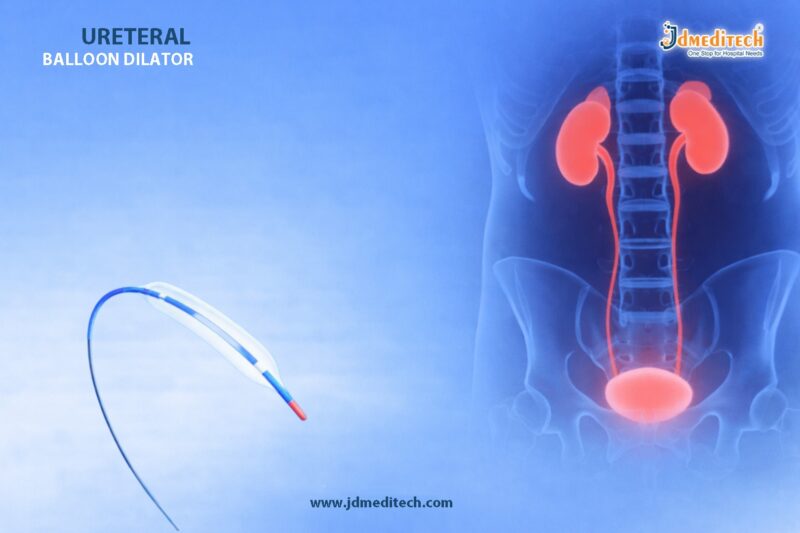
Accurate Stent Delivery in ERCP with Biliary Stent Pusher

In advanced gastrointestinal procedures, accurate stent delivery in ERCP plays a crucial role in achieving successful outcomes. One of the most important tools that ensures precision and control during stent placement is the biliary stent pusher. Designed to provide smooth deployment and optimal positioning, this device enhances the efficiency of biliary interventions.

During Endoscopic Retrograde Cholangiopancreatography (ERCP), clinicians rely on high-quality accessories to navigate complex biliary anatomy. A biliary stent pusher supports precise stent placement, reducing complications and improving patient outcomes.

What is a Biliary Stent Pusher?

A biliary stent pusher is a specialized endoscopic accessory used during ERCP procedures to facilitate the accurate placement of biliary stents within the bile duct. It is designed to push the stent through the endoscope channel and position it precisely at the targeted location.

This tool ensures accurate stent delivery in ERCP, especially in cases involving strictures, obstructions, or tumors within the biliary system.

Importance of Accurate Stent Delivery in ERCP

Achieving accurate stent delivery in ERCP is essential for several reasons:

1. Improved Patient Outcomes

Precise placement ensures effective bile drainage, reducing symptoms like jaundice and infection.

2. Reduced Procedure Time

A reliable biliary stent pusher allows faster deployment, improving procedural efficiency.

3. Minimization of Complications

Accurate positioning reduces risks such as stent migration or improper drainage.

4. Enhanced Clinical Confidence

Doctors can perform procedures with better control and precision.

Key Features of Biliary Stent Pusher

A high-quality biliary stent pusher is engineered for performance and reliability:

  • High Pushability – Ensures smooth advancement of the stent
  • Optimal Flexibility – Navigates complex biliary anatomy with ease
  • Radiopaque Markers – Allows clear visualization under fluoroscopy
  • Kink Resistance – Maintains structural integrity during insertion
  • Ergonomic Design – Provides better handling and control

These features collectively support accurate stent delivery in ERCP, making the procedure safer and more efficient.

Applications in ERCP Procedures

The biliary stent pusher is widely used in various clinical scenarios:

  • Treatment of biliary strictures
  • Management of bile duct obstructions
  • Drainage in malignant conditions
  • Support in post-operative bile leaks
  • Palliative care in advanced GI diseases

In each application, achieving accurate stent delivery in ERCP is critical for therapeutic success.

Advantages of Using a Biliary Stent Pusher
1. Precision Placement

Ensures the stent is delivered exactly where required.

2. Smooth Deployment

Reduces resistance during insertion.

3. Better Control

Allows clinicians to manage stent positioning effectively.

4. Time Efficiency

Speeds up ERCP procedures.

5. Reduced Risk of Re-intervention

Accurate placement minimizes the need for repeat procedures.

Why Quality Matters in ERCP Accessories

Using a high-quality biliary stent pusher significantly impacts the success of ERCP procedures. Poor-quality devices may lead to:

  • Difficult navigation
  • Increased procedural time
  • Higher complication rates
  • Inaccurate stent placement

Therefore, selecting reliable and well-designed accessories is essential for achieving accurate stent delivery in ERCP.

Tips for Optimal Stent Placement

To ensure accurate stent delivery in ERCP, clinicians should:

  • Choose the appropriate stent size and type
  • Use compatible accessories
  • Maintain clear fluoroscopic guidance
  • Advance the stent gently and steadily
  • Confirm final positioning before deployment
Conclusion

The biliary stent pusher is an indispensable tool in modern ERCP procedures. It plays a vital role in ensuring accurate stent delivery in ERCP, improving both procedural efficiency and patient outcomes.

With advancements in endoscopic technology, the demand for high-quality accessories continues to grow. Investing in reliable devices enhances precision, reduces complications, and supports better clinical results.


Explore More Product >>

Get Connected:

+91 79909 93062 | +91 63513 72032 | exports@jdmeditech.com
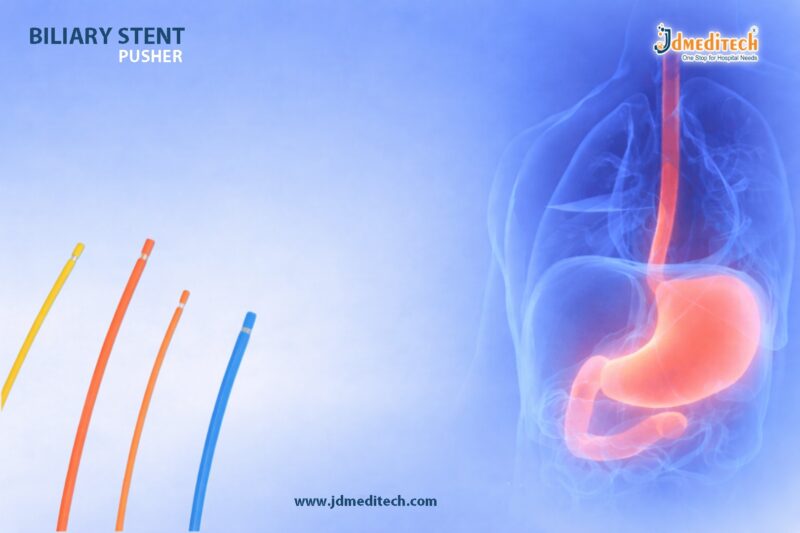
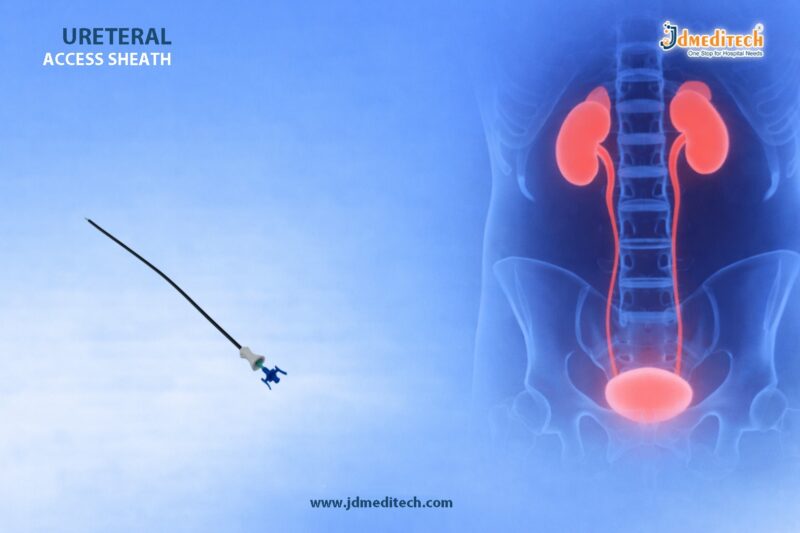
Ureteral Access Sheath for Safe and Smooth Urology Procedures

The ureteral access sheath is a crucial tool in modern urology. It provides smooth, repeated access to the urinary tract during procedures like ureteroscopy and stone management. Because of its efficiency and safety, the ureteral access sheath has become an essential device for urologists worldwide.

In this blog, we will explore how a ureteral access sheath improves procedural outcomes, enhances safety, and supports advanced urological interventions.

What is a Ureteral Access Sheath?

A ureteral access sheath is a flexible, hollow tube inserted into the ureter. It creates a continuous working channel that allows easy passage of instruments such as ureteroscopes, laser fibers, and retrieval devices.

As a result, the sheath minimizes repeated trauma to the ureter and ensures smoother instrument exchange.

Why is Ureteral Access Sheath Important?

The ureteral access sheath plays a vital role in improving both efficiency and patient safety.

Key Advantages:
  • Reduces ureteral trauma during repeated instrument insertion
  • Maintains low intrarenal pressure
  • Improves visualization during procedures
  • Facilitates faster and smoother device exchange
  • Enhances overall surgical efficiency

Therefore, many urologists prefer using a ureteral access sheath in complex procedures.

Key Features of Ureteral Access Sheath
1. Smooth Hydrophilic Coating

The hydrophilic coating reduces friction. Consequently, it allows easy insertion and removal without damaging the ureter.

2. Flexible Yet Durable Design

The sheath offers excellent flexibility. At the same time, it maintains enough strength to prevent kinking.

3. Radiopaque Markers

Radiopaque markers ensure accurate placement under fluoroscopy. This improves procedural safety.

4. Dual-Layer Construction

Many ureteral access sheaths feature a dual-layer design. This combination provides both flexibility and structural support.

5. Wide Range of Sizes

Available in different diameters and lengths, the sheath suits various patient anatomies and procedural needs.

Applications of Ureteral Access Sheath

The ureteral access sheath is widely used in:

  • Ureteroscopy (URS)
  • Kidney stone removal procedures
  • Laser lithotripsy
  • Retrograde intrarenal surgery (RIRS)
  • Diagnostic urological procedures

Because of its versatility, it is a standard tool in modern urology.

Benefits of Using Ureteral Access Sheath
Improved Procedure Efficiency

The sheath allows quick instrument exchanges. Therefore, it significantly reduces operation time.

Enhanced Patient Safety

By minimizing ureteral trauma and maintaining low pressure, the sheath reduces complications.

Better Visualization

Continuous irrigation flow improves visibility, which helps surgeons perform precise procedures.

Reduced Infection Risk

Lower intrarenal pressure helps prevent bacterial migration, thereby reducing infection risk.

How to Use a Ureteral Access Sheath?
  1. Insert a guidewire into the ureter
  2. Advance the ureteral access sheath over the guidewire
  3. Position it correctly under imaging guidance
  4. Introduce the ureteroscope and other instruments
  5. Perform the procedure efficiently

Proper technique ensures safe and effective outcomes.

Choosing the Right Ureteral Access Sheath

When selecting a ureteral access sheath, consider:

  • Size and length compatibility
  • Coating quality for smooth insertion
  • Flexibility and strength
  • Compatibility with instruments
  • Patient anatomy

Choosing the right sheath improves both performance and safety.

Why Choose JDMeditech Ureteral Access Sheath?

At JDMeditech, we provide high-quality ureteral access sheaths designed for reliability and precision.

Our Advantages:
  • Premium-grade materials
  • Smooth hydrophilic coating
  • Excellent flexibility and durability
  • Sterile and ready-to-use packaging
  • Competitive pricing with superior quality

Explore more products at: https://www.jdmeditech.com

Conclusion

The ureteral access sheath is an indispensable device in urological procedures. It ensures smooth access, improved safety, and better surgical outcomes. As urology continues to advance, the importance of reliable tools like the ureteral access sheath will only grow.


Explore More Product >>

Get Connected:

+91 79909 93062 | +91 63513 72032 | exports@jdmeditech.com
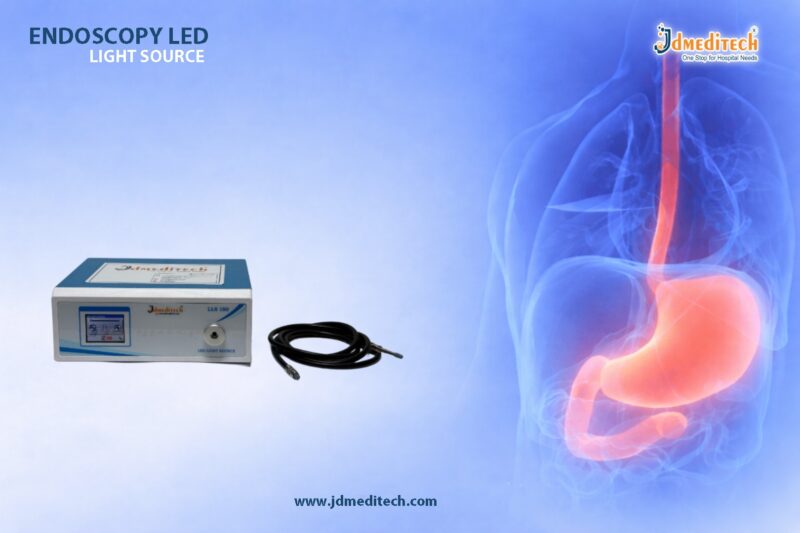
Endoscopy LED Light Source for Precision Imaging

In modern endoscopic procedures, clear visualization is critical for accurate diagnosis and treatment. The Endoscopy LED Light Source plays a vital role by delivering bright, consistent, and energy-efficient illumination. As a result, it enhances image clarity and supports precision during minimally invasive procedures.

Today, healthcare professionals prefer LED technology over traditional light sources because it offers longer lifespan, lower heat generation, and superior illumination quality. Therefore, investing in a high-quality Endoscopy LED Light Source ensures better clinical outcomes and improved patient safety.

What is an Endoscopy LED Light Source?

An Endoscopy LED Light Source is a medical device that provides high-intensity light to illuminate internal body structures during endoscopic procedures. It connects to an endoscope via a fiber optic cable, ensuring optimal visibility inside cavities such as the gastrointestinal tract, urinary system, and respiratory pathways.

Unlike conventional halogen or xenon light sources, LED technology offers stable brightness, reduced maintenance, and energy efficiency.

Key Features of Endoscopy LED Light Source
1. High-Intensity Illumination

The Endoscopy LED Light Source produces bright and uniform light, which improves visualization during procedures. Consequently, clinicians can identify even minor abnormalities with ease.

2. Energy Efficiency

LED technology consumes less power compared to traditional systems. Therefore, hospitals can reduce operational costs while maintaining high performance.

3. Long Lifespan

One of the biggest advantages of an Endoscopy LED Light Source is its durability. It offers thousands of hours of operation, reducing the need for frequent replacements.

4. Low Heat Generation

Unlike xenon light sources, LED systems generate minimal heat. As a result, they improve patient safety and reduce the risk of tissue damage.

5. Compact and User-Friendly Design

Modern systems are designed for easy integration with endoscopy units. Additionally, they feature intuitive controls for brightness adjustment.

Applications of Endoscopy LED Light Source

The Endoscopy LED Light Source is widely used across various medical specialties, including:

  • Gastroenterology – for procedures like gastroscopy, colonoscopy, and ERCP
  • Urology – for cystoscopy and ureteroscopy
  • Pulmonology – for bronchoscopy
  • Gynecology – for hysteroscopy
  • ENT procedures – for nasal and throat examinations

Because of its versatility, it has become an essential component in modern endoscopy systems.

Benefits of Using Endoscopy LED Light Source
Improved Visualization

The Endoscopy LED Light Source delivers consistent brightness, which helps in accurate diagnosis and treatment.

Enhanced Procedure Efficiency

Better illumination allows clinicians to perform procedures faster and with greater confidence.

Cost-Effective Solution

Since LED lights last longer and consume less energy, healthcare facilities can save significantly on maintenance and electricity.

Increased Patient Safety

Lower heat emission reduces the risk of burns or discomfort during procedures.

Why Choose JDMeditech Endoscopy LED Light Source?

At JDMeditech, we provide high-quality Endoscopy LED Light Source solutions designed for precision and reliability. Our products are manufactured using advanced technology to meet international medical standards.

Key Advantages:
  • Superior brightness and clarity
  • Durable and long-lasting performance
  • Energy-efficient design
  • Easy compatibility with various endoscopy systems
  • Competitive pricing with assured quality
Maintenance Tips for Endoscopy LED Light Source

To ensure optimal performance of your Endoscopy LED Light Source, follow these simple tips:

  • Regularly clean the external surfaces
  • Check fiber optic cables for damage
  • Avoid overloading the system
  • Ensure proper ventilation during operation
  • Schedule routine servicing

Proper maintenance extends the life of the device and ensures consistent performance.

Future of LED Technology in Endoscopy

The future of Endoscopy LED Light Source technology looks promising. With continuous advancements, newer models are becoming more efficient, compact, and intelligent. Additionally, integration with digital imaging systems will further enhance diagnostic accuracy.

Conclusion

The Endoscopy LED Light Source is an essential component in modern medical procedures. Its ability to provide bright, efficient, and reliable illumination significantly improves the accuracy and safety of endoscopic interventions.

By choosing a high-quality solution from JDMeditech, healthcare providers can ensure superior performance, long-term reliability, and better patient outcomes.


Explore More Product >>

Get Connected:

+91 79909 93062 | +91 63513 72032 | exports@jdmeditech.com