Nitinol Guide Wire – Durable & High Trackability Medical Guidewire

In modern minimally invasive procedures, precision and control are essential. The Nitinol Guide Wire plays a critical role in ensuring smooth navigation through complex anatomical pathways. Thanks to its unique material properties, this advanced medical device combines durability with excellent trackability, making it a preferred choice for urologists and interventional specialists.

Moreover, the growing demand for reliable and flexible guidewires has increased the importance of nitinol-based solutions in today’s healthcare environment.

What is a Nitinol Guide Wire?

A Nitinol Guide Wire is a medical device made from a nickel-titanium alloy known as nitinol. This material is widely recognized for its shape memory and superelasticity, which allow the guidewire to return to its original shape even after bending.

As a result, the Nitinol Guide Wire provides superior maneuverability and consistent performance during complex procedures.

Key Features of Nitinol Guide Wire
1. Exceptional Flexibility and Shape Memory

One of the standout features of the Nitinol Guide Wire is its ability to bend without breaking. It easily adapts to curved anatomical structures while maintaining its original shape.

2. Superior Durability

Unlike traditional guidewires, the Nitinol Guide Wire resists kinking and deformation. Therefore, it ensures long-lasting performance even in demanding clinical environments.

3. Excellent Trackability

The Nitinol Guide Wire is designed for smooth advancement through narrow and tortuous pathways. Consequently, it enhances procedural efficiency and reduces complications.

4. Enhanced Torque Control

Physicians benefit from precise control, as the Nitinol Guide Wire transmits rotational movements effectively from the proximal to distal end.

5. Hydrophilic Coating Compatibility

Many variants of the Nitinol Guide Wire come with hydrophilic coatings. This feature reduces friction and ensures effortless navigation.

Applications of Nitinol Guide Wire

The Nitinol Guide Wire is widely used across multiple medical specialties due to its versatility.

Urology

It is commonly used in procedures such as:

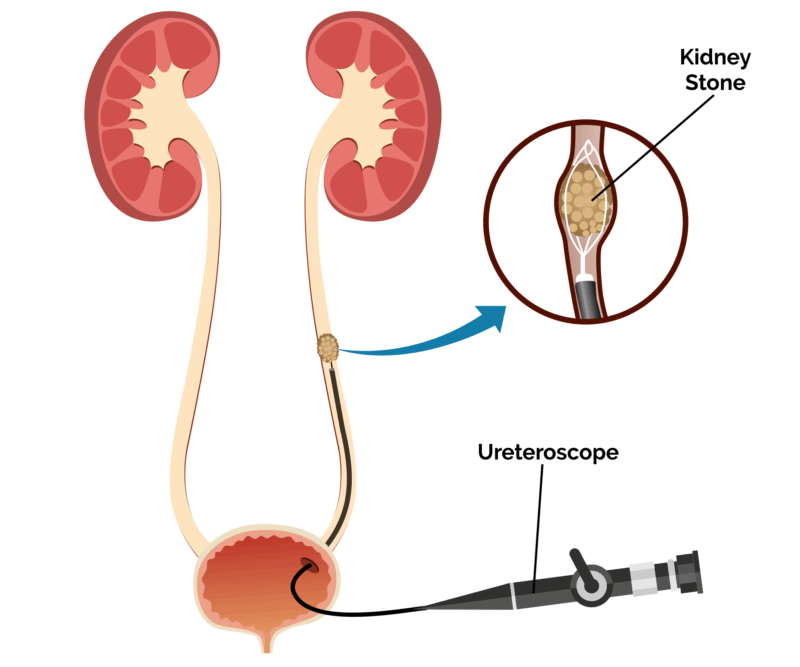
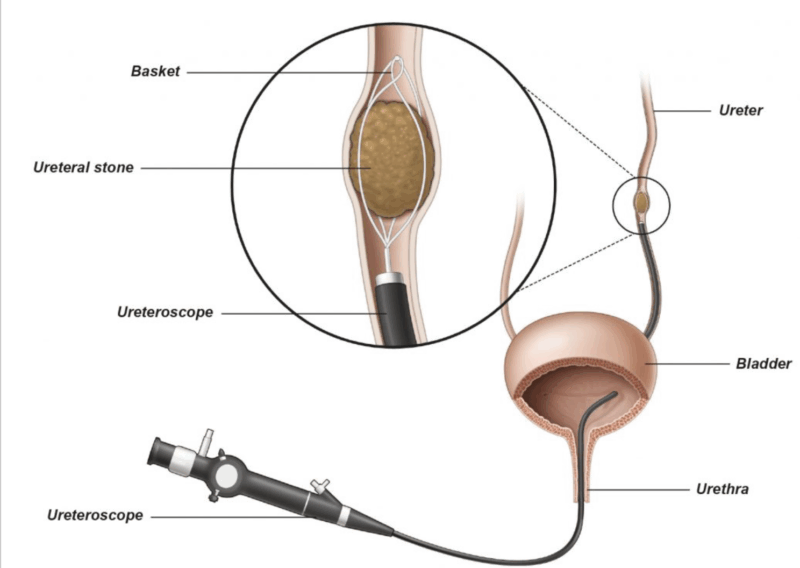
  • Ureteroscopy
  • Stone management
  • Catheter placement
Cardiology

In cardiovascular interventions, the Nitinol Guide Wire assists in navigating blood vessels during angioplasty and stent placement.

Gastroenterology

It is also utilized in endoscopic procedures for accessing bile ducts and other gastrointestinal pathways.

Advantages Over Conventional Guidewires

Compared to stainless steel guidewires, the Nitinol Guide Wire offers several advantages:

  • Greater flexibility without permanent deformation
  • Improved patient safety due to reduced trauma
  • Better navigation in complex anatomy
  • Longer lifespan and reliability

Because of these benefits, healthcare professionals increasingly prefer the Nitinol Guide Wire for advanced procedures.

How to Choose the Right Nitinol Guide Wire

Selecting the appropriate Nitinol Guide Wire depends on several factors:

  • Procedure type – Urological, cardiac, or GI
  • Wire diameter and length
  • Coating type – Hydrophilic or PTFE
  • Tip configuration – Straight or J-tip

Therefore, understanding clinical requirements helps in choosing the most suitable guide wire.

Safety and Handling Considerations

Although the Nitinol Guide Wire is highly durable, proper handling is essential:

  • Avoid excessive force during insertion
  • Maintain sterility at all times
  • Inspect the wire before use
  • Follow manufacturer guidelines

These precautions ensure optimal performance and patient safety.

Future of Nitinol Guide Wire Technology

With ongoing advancements in medical technology, the Nitinol Guide Wire continues to evolve. Innovations such as improved coatings, enhanced tip designs, and hybrid materials are further enhancing its performance.

As a result, the Nitinol Guide Wire is expected to remain a cornerstone of minimally invasive procedures.

Conclusion

The Nitinol Guide Wire represents a perfect combination of durability, flexibility, and excellent trackability. Its advanced design supports safe and efficient navigation across various medical specialties.

For healthcare professionals seeking precision and reliability, the Nitinol Guide Wire is undoubtedly an essential tool in modern clinical practice.


Explore More Product >>

Get Connected:

+91 79909 93062 | +91 63513 72032 | exports@jdmeditech.com


Pancreatic Necrosectomy Surgery for Pancreatic Necrosis

Pancreatic necrosectomy is a critical surgical procedure used to remove dead or infected pancreatic tissue caused by severe pancreatitis. When pancreatic necrosis develops, timely intervention becomes essential to prevent life-threatening complications such as infection, organ failure, and sepsis.

In modern healthcare, pancreatic necrosectomy plays a vital role in improving survival rates and restoring patient health. This blog explores the procedure, indications, techniques, benefits, and recovery aspects in detail.

What is Pancreatic Necrosis?

Pancreatic necrosis occurs when pancreatic tissue dies due to inflammation, infection, or lack of blood supply. It is commonly associated with acute pancreatitis, especially in severe cases.

Key Causes Include:
  • Severe acute pancreatitis
  • Gallstones
  • Chronic alcohol consumption
  • Pancreatic trauma
  • Infections

When necrotic tissue becomes infected, pancreatic necrosectomy becomes necessary to remove the damaged areas and control infection.

What is Pancreatic Necrosectomy?

Pancreatic necrosectomy is a surgical procedure designed to remove necrotic (dead) pancreatic tissue while preserving as much healthy tissue as possible.

Surgeons perform pancreatic necrosectomy using minimally invasive or open surgical techniques depending on the patient’s condition.

Indications for Pancreatic Necrosectomy

Doctors recommend pancreatic necrosectomy in the following situations:

  • Infected pancreatic necrosis
  • Persistent organ failure
  • Severe abdominal pain not responding to treatment
  • Sepsis or systemic infection
  • Failure of conservative or minimally invasive therapies
Types of Pancreatic Necrosectomy Procedures
1. Open Pancreatic Necrosectomy

This traditional method involves a large incision to access and remove necrotic tissue. It is used in complex or severe cases.

2. Minimally Invasive Necrosectomy

Modern techniques have made pancreatic necrosectomy safer and more effective.

a. Endoscopic Necrosectomy
  • Performed using an endoscope through the stomach
  • Less invasive with faster recovery
b. Video-Assisted Retroperitoneal Debridement (VARD)
  • Access through small incisions
  • Reduced complications
Procedure of Pancreatic Necrosectomy

The pancreatic necrosectomy procedure typically includes:

  1. Administration of anesthesia
  2. Access to the pancreas (open or minimally invasive)
  3. Removal of necrotic tissue
  4. Drainage of infected fluids
  5. Placement of drainage tubes

The goal of pancreatic necrosectomy is to eliminate infection and promote healing.

Benefits of Pancreatic Necrosectomy
  • Removes infected and dead tissue
  • Prevents sepsis and organ failure
  • Improves survival rates
  • Reduces inflammation and pain
  • Supports faster recovery with minimally invasive techniques
Risks and Complications

Although pancreatic necrosectomy is life-saving, it may involve risks such as:

  • Bleeding
  • Infection
  • Pancreatic fistula
  • Organ dysfunction
  • Delayed recovery in severe cases

Proper surgical expertise significantly reduces these risks.

Recovery After Pancreatic Necrosectomy

Recovery after pancreatic necrosectomy depends on the severity of the condition and surgical approach.

Postoperative Care Includes:
  • ICU monitoring (in severe cases)
  • Antibiotic therapy
  • Nutritional support
  • Drain management

Most patients gradually recover over weeks with proper medical care.

Why Choose Advanced Surgical Solutions?

Modern pancreatic necrosectomy techniques focus on minimally invasive approaches, ensuring:

  • Reduced hospital stay
  • Less postoperative pain
  • Faster healing
  • Better patient outcomes
Medical Equipment Used in Pancreatic Necrosectomy

High-quality surgical instruments play a crucial role in successful pancreatic necrosectomy procedures.

Conclusion

Pancreatic necrosectomy is a vital surgical intervention for managing pancreatic necrosis. With advancements in minimally invasive techniques, the procedure has become safer and more effective. Early diagnosis and timely pancreatic necrosectomy significantly improve patient survival and recovery outcomes.


Explore More Product >>

Get Connected:

+91 79909 93062 | +91 63513 72032 | exports@jdmeditech.com


Pacemaker Implantation for Irregular Heart Rhythms

Pacemaker implantation for irregular heart rhythms plays a crucial role in modern cardiac care. When the heart beats too slowly, too quickly, or irregularly, it can lead to serious health issues. A pacemaker is a small but powerful medical device that helps regulate heart rhythm effectively.

Moreover, this life-saving procedure improves both longevity and quality of life. As cardiac technology advances, pacemaker implantation has become safer, more precise, and widely accessible.

What is Pacemaker Implantation for Irregular Heart Rhythms?

Pacemaker implantation for irregular heart rhythms is a minimally invasive surgical procedure. It involves placing a small electronic device under the skin near the chest. This device sends electrical signals to the heart to maintain a normal rhythm.

Typically, doctors recommend this procedure for patients with:

  • Bradycardia (slow heart rate)
  • Heart block
  • Arrhythmias
  • Atrial fibrillation (in some cases)

Therefore, pacemakers help ensure consistent and controlled heart function.

Types of Pacemakers Used in Cardiac Care
1. Single-Chamber Pacemaker

This type stimulates one chamber of the heart, usually the right ventricle.

2. Dual-Chamber Pacemaker

It controls both the right atrium and right ventricle for better coordination.

3. Biventricular Pacemaker (CRT)

Also known as cardiac resynchronization therapy, it improves heart efficiency in heart failure patients.

Each type of pacemaker implantation for irregular heart rhythms is selected based on the patient’s condition.

How the Pacemaker Implantation Procedure Works

The procedure for pacemaker implantation for irregular heart rhythms is straightforward and usually completed within 1–2 hours.

Step-by-Step Process:
  1. Local anesthesia is administered
  2. A small incision is made near the collarbone
  3. Leads (wires) are inserted into the heart via veins
  4. The pacemaker device is connected and placed under the skin
  5. The system is tested and incision is closed

As a result, patients often recover quickly and can return home within a day.

Benefits of Pacemaker Implantation for Irregular Heart Rhythms
  • Restores normal heart rhythm
  • Reduces symptoms like dizziness and fatigue
  • Prevents fainting episodes
  • Improves overall quality of life
  • Supports long-term cardiac health

In addition, pacemaker implantation for irregular heart rhythms significantly reduces the risk of life-threatening complications.

Risks and Considerations

Although the procedure is safe, some risks may include:

  • Infection at the implantation site
  • Bleeding or swelling
  • Lead displacement
  • Rare device malfunction

However, with modern techniques and proper care, complications remain minimal.

Recovery After Pacemaker Implantation

Recovery after pacemaker implantation for irregular heart rhythms is generally smooth.

Post-Procedure Care Tips:
  • Avoid heavy lifting for a few weeks
  • Keep the incision area clean and dry
  • Attend regular follow-ups
  • Avoid strong electromagnetic interference

Most patients resume normal activities within a short time.

Who Needs Pacemaker Implantation?

Doctors may recommend pacemaker implantation for irregular heart rhythms for individuals experiencing:

  • Persistent fatigue
  • Shortness of breath
  • Chest discomfort
  • Fainting spells
  • Irregular heartbeat

Early diagnosis and treatment can prevent serious cardiac events.

Advanced Technology in Pacemaker Systems

Modern pacemakers offer:

  • MRI compatibility
  • Wireless monitoring
  • Longer battery life
  • Adaptive pacing technology

These advancements make pacemaker implantation for irregular heart rhythms more efficient and patient-friendly.

Why Choose Quality Medical Devices for Pacemaker Procedures?

Using high-quality components ensures:

  • Better performance
  • Increased safety
  • Long-lasting results

At JDMeditech, we support healthcare providers with reliable medical solutions for cardiac procedures.

Conclusion

Pacemaker implantation for irregular heart rhythms is a vital and effective solution for managing heart rhythm disorders. With advancements in technology and skilled medical care, patients can lead healthier, more active lives.

If you or your patients experience symptoms of irregular heart rhythms, timely consultation and intervention can make a life-saving difference.


Explore More Product >>

Get Connected:

+91 79909 93062 | +91 63513 72032 | exports@jdmeditech.com

Stripped Hydrophilic Guide Wire – Smooth Urological Access

The Stripped Hydrophilic Guide Wire is an essential medical device designed to provide smooth navigation for urological access during minimally invasive procedures. Urologists rely on the stripped hydrophilic guide wire to achieve precise entry into the urinary tract while minimizing trauma and resistance.

With advanced coating technology and a flexible core, the stripped hydrophilic guide wire ensures seamless movement through complex anatomical pathways. As a result, it plays a crucial role in improving procedural success rates and patient outcomes.

What is a Stripped Hydrophilic Guide Wire?

A stripped hydrophilic guide wire is a specialized wire used in urology to guide catheters, stents, and other instruments into the urinary system. It features a hydrophilic coating that becomes slippery when activated with fluid, allowing smooth insertion.

Unlike conventional wires, the stripped hydrophilic guide wire has a partially uncoated (stripped) section, which enhances grip and control during handling. Therefore, it offers the perfect balance between lubricity and maneuverability.

Key Features of Stripped Hydrophilic Guide Wire
1. Hydrophilic Coating for Smooth Navigation

The hydrophilic surface of the stripped hydrophilic guide wire reduces friction significantly. Consequently, it enables easy passage through narrow or obstructed urinary tracts.

2. Stripped Section for Better Control

The stripped portion of the stripped hydrophilic guide wire provides improved handling. Moreover, it allows clinicians to maintain a firm grip during delicate procedures.

3. Excellent Flexibility and Control

The stripped hydrophilic guide wire offers excellent flexibility and control, making it suitable for navigating complex anatomies.

4. Kink Resistance

Designed with a strong core, the stripped hydrophilic guide wire resists kinking. Thus, it maintains stability even in challenging situations.

5. Radiopaque Tip

The stripped hydrophilic guide wire often includes a radiopaque tip. Hence, it ensures clear visibility under fluoroscopy for accurate placement.

Applications of Stripped Hydrophilic Guide Wire in Urology

The stripped hydrophilic guide wire is widely used in various urological procedures:

  • Ureteroscopy procedures
  • Stone removal surgeries
  • Stent placement
  • Catheter insertion
  • Percutaneous nephrolithotomy (PCNL)

Because of its versatility, the stripped hydrophilic guide wire is a preferred choice for both routine and complex interventions.

Advantages of Using Stripped Hydrophilic Guide Wire
1. Reduced Patient Discomfort

The smooth coating of the stripped hydrophilic guide wire minimizes friction. Therefore, patients experience less discomfort during insertion.

2. Enhanced Procedural Efficiency

The stripped hydrophilic guide wire allows faster and more accurate navigation, improving overall procedural efficiency.

3. Lower Risk of Trauma

Due to its atraumatic design, the stripped hydrophilic guide wire reduces the risk of tissue injury.

4. Superior Control for Surgeons

The combination of hydrophilic coating and stripped section gives surgeons better control when using the stripped hydrophilic guide wire.

Why Choose JDMeditech Stripped Hydrophilic Guide Wire?

At JDMeditech, we manufacture high-quality stripped hydrophilic guide wire products that meet international medical standards. Our guide wires are designed with precision to ensure optimal performance in every procedure.

Key Benefits:
  • High-quality medical-grade materials
  • Advanced hydrophilic coating technology
  • Consistent performance and reliability
  • Designed for smooth urological access
  • Competitive pricing for global markets
Best Practices for Using Stripped Hydrophilic Guide Wire

To achieve optimal results with a stripped hydrophilic guide wire, follow these best practices:

  • Always activate the hydrophilic coating with sterile fluid
  • Handle the stripped section carefully for better grip
  • Use imaging guidance for precise placement
  • Avoid excessive force during insertion

By following these guidelines, clinicians can maximize the benefits of the stripped hydrophilic guide wire.

Conclusion

The Stripped Hydrophilic Guide Wire is a vital tool for modern urological procedures. Its unique design ensures smooth navigation for urological access, improved control, and enhanced patient safety.

As minimally invasive techniques continue to evolve, the stripped hydrophilic guide wire remains indispensable for achieving precise and efficient outcomes. Choosing a high-quality guide wire from trusted manufacturers like JDMeditech ensures reliability and superior performance in every procedure.


Explore More Product >>

Get Connected:

+91 79909 93062 | +91 63513 72032 | exports@jdmeditech.com


Colectomy Surgery – Safe Colon Removal Guide

Colectomy surgery is a life-saving procedure that involves removing part or all of the colon (large intestine). Doctors recommend colectomy surgery when diseases like colon cancer, inflammatory bowel disease, or severe infections damage the colon.

With advances in modern surgical techniques, colectomy surgery has become safer and more effective. As a result, patients experience improved digestive function and a better quality of life after recovery.

What is Colectomy Surgery?

Colectomy surgery refers to the surgical removal of the colon, either partially or completely. Surgeons perform colectomy surgery to eliminate diseased sections and restore normal bowel function.

Depending on the condition, doctors may perform:

  • Partial Colectomy – Removes only the affected section
  • Total Colectomy – Removes the entire colon
  • Hemicolectomy – Removes either the left or right side of the colon
  • Proctocolectomy – Removes both colon and rectum

Each type of colectomy surgery depends on the severity and location of the disease.

When is Colectomy Surgery Required?

Doctors recommend colectomy surgery in several medical conditions:

1. Colon Cancer

One of the most common reasons for colectomy surgery is the removal of cancerous tumors in the colon.

2. Ulcerative Colitis

Chronic inflammation may require colectomy surgery when medications fail.

3. Crohn’s Disease

Severe complications can make colectomy surgery necessary.

4. Diverticulitis

Recurrent infections may lead to the need for colectomy surgery.

5. Bowel Obstruction

Blocked intestines sometimes require emergency colectomy surgery.

Types of Colectomy Surgery Procedures
Open Colectomy Surgery

In this traditional approach, surgeons make a large incision in the abdomen to perform colectomy surgery.

Laparoscopic Colectomy Surgery

This minimally invasive technique uses small incisions and a camera, making colectomy surgery less painful with faster recovery.

Robotic Colectomy Surgery

Advanced robotic systems improve precision during colectomy surgery, offering better outcomes.

Step-by-Step Colectomy Surgery Procedure

Understanding the process of colectomy surgery helps reduce patient anxiety:

  1. Preoperative Preparation – Bowel cleansing and fasting
  2. Anesthesia Administration – General anesthesia is given
  3. Colon Removal – Diseased section is removed during colectomy surgery
  4. Reconnection (Anastomosis) – Healthy parts are joined
  5. Closure – Incisions are closed carefully

In some cases, surgeons may create a temporary or permanent colostomy after colectomy surgery.

Benefits of Colectomy Surgery

Colectomy surgery provides several important benefits:

  • Removes cancerous or diseased tissue
  • Relieves severe abdominal pain
  • Improves digestive function
  • Prevents disease progression
  • Enhances overall quality of life

Because of these advantages, colectomy surgery remains a highly effective treatment option.

Risks and Complications of Colectomy Surgery

Although colectomy surgery is generally safe, some risks include:

  • Infection
  • Bleeding
  • Anastomotic leakage
  • Blood clots
  • Temporary digestive issues

However, experienced surgeons minimize complications in colectomy surgery.

Recovery After Colectomy Surgery

Recovery from colectomy surgery depends on the surgical method:

  • Hospital Stay : 3–7 days
  • Diet : Gradual transition from liquids to solids
  • Activity : Light activity after a few weeks
  • Full Recovery : 4–8 weeks

Following medical advice ensures faster healing after colectomy surgery.

Lifestyle After Colectomy Surgery

Patients can lead a normal life after colectomy surgery by:

  • Eating a balanced diet
  • Staying hydrated
  • Avoiding heavy lifting initially
  • Following regular medical check-ups

Proper care helps maintain long-term success after colectomy surgery.

Latest Advances in Colectomy Surgery

Modern innovations have improved colectomy surgery, including:

  • Minimally invasive laparoscopic techniques
  • Robotic-assisted precision surgery
  • Enhanced recovery protocols
  • Better post-operative care

These advancements make colectomy surgery safer and more effective than ever.

Conclusion

Colectomy surgery plays a crucial role in treating serious colon diseases. By removing the damaged portion of the colon, colectomy surgery restores digestive health and improves patient outcomes.

With modern surgical techniques and proper post-operative care, colectomy surgery offers a reliable path to recovery and long-term wellness.


Explore More Product >>

Get Connected:

+91 79909 93062 | +91 63513 72032 | exports@jdmeditech.com


Left Atrial Appendage Closure Procedure for Stroke Prevention

The Left Atrial Appendage Closure Procedure has emerged as a modern cardiac solution for preventing stroke in patients with atrial fibrillation. This advanced technique offers a safe and minimally invasive alternative to long-term blood thinner therapy.

Atrial fibrillation increases the risk of blood clot formation in the heart. Most clots originate in the left atrial appendage. Therefore, the Left Atrial Appendage Closure Procedure plays a critical role in reducing stroke risk effectively.

What is the Left Atrial Appendage Closure Procedure?

The Left Atrial Appendage Closure Procedure is a minimally invasive cardiac intervention that seals off the left atrial appendage. This prevents blood clots from entering the bloodstream and causing stroke.

Doctors typically recommend this procedure for patients who cannot tolerate anticoagulant medications. The Left Atrial Appendage Closure Procedure ensures long-term protection without the risks of bleeding associated with blood thinners.

Why is the Left Atrial Appendage Closure Procedure Important?
Left Atrial Appendage Closure Procedure for Stroke Prevention

The Left Atrial Appendage Closure Procedure significantly lowers stroke risk in patients with atrial fibrillation. Since the appendage is the main source of clot formation, closing it provides direct protection.

Reduced Dependency on Blood Thinners

Patients undergoing the Left Atrial Appendage Closure Procedure often reduce or eliminate the need for anticoagulants. This minimizes complications like internal bleeding.

Improved Quality of Life

With the Left Atrial Appendage Closure Procedure, patients experience fewer restrictions and better long-term cardiac health outcomes.

How the Left Atrial Appendage Closure Procedure Works

The Left Atrial Appendage Closure Procedure involves inserting a catheter through a vein in the groin. The device is guided to the heart and placed in the left atrial appendage.

Once deployed, the device seals the appendage completely. Over time, heart tissue grows over the device, ensuring permanent closure after the Left Atrial Appendage Closure Procedure.

Step-by-Step Left Atrial Appendage Closure Procedure
  1. Patient preparation and anesthesia
  2. Catheter insertion via femoral vein
  3. Guided imaging using fluoroscopy and echocardiography
  4. Device placement in the appendage
  5. Confirmation of proper sealing
  6. Removal of catheter and recovery

Each step in the Left Atrial Appendage Closure Procedure is performed with precision to ensure safety and effectiveness.

Benefits of the Left Atrial Appendage Closure Procedure
  • Minimally invasive approach
  • Reduced stroke risk
  • Lower bleeding risk compared to anticoagulants
  • Short recovery time
  • Long-term protection

The Left Atrial Appendage Closure Procedure offers a reliable solution for patients seeking safer stroke prevention methods.

Risks and Considerations

Although the Left Atrial Appendage Closure Procedure is generally safe, some risks may include:

  • Device-related complications
  • Infection
  • Bleeding at the insertion site
  • Rare procedural complications

However, experienced cardiologists significantly reduce these risks during the Left Atrial Appendage Closure Procedure.

Who Should Consider the Left Atrial Appendage Closure Procedure?

The Left Atrial Appendage Closure Procedure is ideal for:

  • Patients with atrial fibrillation
  • Individuals at high risk of stroke
  • Patients intolerant to blood thinners
  • Those with a history of bleeding complications

Consultation with a specialist determines suitability for the Left Atrial Appendage Closure Procedure.

Recovery After the Left Atrial Appendage Closure Procedure

Recovery after the Left Atrial Appendage Closure Procedure is typically quick. Most patients return home within a day or two.

Doctors recommend follow-up imaging to ensure proper device placement. Patients may take short-term medication after the Left Atrial Appendage Closure Procedure.

Conclusion

The Left Atrial Appendage Closure Procedure represents a breakthrough in modern cardiac care. It provides an effective, minimally invasive solution for stroke prevention in atrial fibrillation patients.

With its proven safety and long-term benefits, the Left Atrial Appendage Closure Procedure continues to transform how cardiologists manage stroke risk.


Explore More Product >>

Get Connected:

+91 79909 93062 | +91 63513 72032 | exports@jdmeditech.com

PTFE Guide Wire for Urology – Smooth & Reliable Access

The PTFE Guide Wire plays a crucial role in modern urological procedures. It ensures smooth navigation and reliable access through the urinary tract. Doctors depend on the PTFE Guide Wire for precision, flexibility, and patient safety.

In minimally invasive urology, the right guide wire improves procedural success. Therefore, the PTFE Guide Wire has become a preferred choice for many specialists worldwide.

What is a PTFE Guide Wire?

A PTFE Guide Wire is a medical device coated with Polytetrafluoroethylene (PTFE). This coating reduces friction and allows the wire to glide smoothly through anatomical pathways.

Because of its unique properties, the PTFE Guide Wire offers excellent control during procedures such as:

  • Ureteroscopy
  • Catheter placement
  • Stone removal procedures
  • Percutaneous nephrolithotomy (PCNL)
Key Features of PTFE Guide Wire
1. Smooth Surface for Easy Navigation

The PTFE coating ensures minimal resistance. As a result, the PTFE Guide Wire moves easily through narrow and complex pathways.

2. Excellent Flexibility

Flexibility allows the PTFE Guide Wire to adapt to anatomical curves. This reduces trauma during insertion.

3. High Strength and Durability

Despite its flexibility, the PTFE Guide Wire maintains strong structural integrity.

4. Hydrophobic Coating

Unlike hydrophilic wires, the PTFE Guide Wire provides controlled movement without excessive slipperiness.

5. Kink Resistance

The design prevents bending or kinking, ensuring consistent performance.

Applications of PTFE Guide Wire in Urology

The PTFE Guide Wire is widely used in various urological procedures. Its versatility makes it an essential tool.

Common Uses Include:
  • Assisting catheter insertion
  • Guiding ureteral stents
  • Supporting endoscopic procedures
  • Facilitating access during kidney stone removal

Because of its reliability, the PTFE Guide Wire improves procedural efficiency.

Advantages of Using PTFE Guide Wire
1. Enhanced Procedural Control

The PTFE Guide Wire provides better tactile feedback. Surgeons can guide it accurately.

2. Reduced Tissue Trauma

Its smooth surface minimizes friction. Therefore, it reduces irritation and injury.

3. Cost-Effective Solution

Compared to advanced coated wires, the PTFE Guide Wire offers a balance between performance and cost.

4. Reliable Performance

The consistent behavior of the PTFE Guide Wire makes it suitable for routine procedures.

PTFE Guide Wire vs Hydrophilic Guide Wire
Feature PTFE Guide Wire Hydrophilic Guide Wire
Surface Smooth (low friction) Extremely slippery when wet
Control High control Less tactile feedback
Use Case Routine procedures Complex or tight pathways
Cost More economical Higher cost

While hydrophilic wires excel in complex cases, the PTFE Guide Wire remains ideal for standard procedures.

How to Choose the Right PTFE Guide Wire

When selecting a PTFE Guide Wire, consider the following factors:

  • Diameter and length based on procedure
  • Tip design (straight or J-tip)
  • Stiffness level required
  • Compatibility with other instruments

Choosing the right PTFE Guide Wire ensures better outcomes and safety.

Safety and Handling Tips

Proper handling of the PTFE Guide Wire is essential. Follow these guidelines:

  • Always maintain sterility
  • Avoid excessive force during insertion
  • Use imaging guidance when necessary
  • Inspect for damage before use

These practices enhance patient safety and device performance.

Why Choose PTFE Guide Wire from JDMeditech?

At JDMeditech, we offer high-quality PTFE Guide Wire solutions designed for precision and reliability.

Our Key Benefits:
  • Premium-grade materials
  • Strict quality control
  • Designed for smooth navigation
  • Suitable for various urological procedures
Conclusion

The PTFE Guide Wire is an essential tool in urological procedures. It provides smooth access, reliable control, and enhanced safety. Because of its performance and affordability, the PTFE Guide Wire remains a trusted choice among medical professionals.

If you aim for precision and efficiency in urology, the PTFE Guide Wire is the right solution.


Explore More Product >>

Get Connected:

+91 79909 93062 | +91 63513 72032 | exports@jdmeditech.com

Pancreatic Drainage Procedure for Fluid Build-Up Relief

Introduction to Ross ProcedureThe Pancreatic Drainage Procedure is a specialized surgical technique used to treat pancreatic fluid accumulation caused by conditions such as pancreatitis or pancreatic cysts. This Pancreatic Drainage Procedure helps relieve pressure, reduce pain, and prevent serious complications.

When pancreatic fluid builds up in or around the pancreas, it can lead to infection, inflammation, and organ dysfunction. Therefore, doctors recommend the Pancreatic Drainage Procedure to restore normal pancreatic function and improve patient outcomes.

What is a Pancreatic Drainage Procedure?

A Pancreatic Drainage Procedure involves creating a pathway to drain excess pancreatic fluid from cysts, pseudocysts, or blocked ducts. Surgeons perform this Pancreatic Drainage Procedure using minimally invasive or open surgical techniques.

In many cases, the Pancreatic Drainage Procedure connects the fluid collection to the stomach or small intestine, allowing safe internal drainage.

Why is Pancreatic Drainage Procedure Needed?

Doctors recommend a Pancreatic Drainage Procedure when fluid collections cause symptoms or complications. Common indications include:

  • Pancreatic pseudocysts
  • Chronic pancreatitis
  • Pancreatic duct obstruction
  • Infected fluid collections
  • Persistent abdominal pain

Without timely treatment, these conditions may worsen. Therefore, the Pancreatic Drainage Procedure plays a crucial role in preventing further damage.

Types of Pancreatic Drainage Procedure
1. Endoscopic Pancreatic Drainage Procedure

This Pancreatic Drainage Procedure uses an endoscope to access the pancreas through the digestive tract. It is minimally invasive and offers faster recovery.

2. Percutaneous Pancreatic Drainage Procedure

In this Pancreatic Drainage Procedure, a catheter is inserted through the skin under imaging guidance to drain fluid externally.

3. Surgical Pancreatic Drainage Procedure

Surgeons perform this Pancreatic Drainage Procedure when other methods are not effective. It includes procedures like cystogastrostomy or pancreaticojejunostomy.

Procedure Steps of Pancreatic Drainage Procedure

The Pancreatic Drainage Procedure typically follows these steps:

  1. Patient evaluation and imaging (CT scan or MRI)
  2. Administration of anesthesia
  3. Accessing the fluid collection
  4. Creating a drainage pathway
  5. Placement of stents or drains
  6. Monitoring and post-procedure care

Each Pancreatic Drainage Procedure is tailored to the patient’s condition and severity.

Benefits of Pancreatic Drainage Procedure

The Pancreatic Drainage Procedure offers several advantages:

  • Relieves abdominal pain and pressure
  • Prevents infection and complications
  • Improves pancreatic function
  • Minimally invasive options available
  • Faster recovery time

Because of these benefits, the Pancreatic Drainage Procedure is widely used in modern gastroenterology.

Risks and Complications

Although the Pancreatic Drainage Procedure is generally safe, some risks may include:

  • Bleeding
  • Infection
  • Leakage of pancreatic fluid
  • Damage to surrounding organs

However, experienced surgeons minimize these risks during the Pancreatic Drainage Procedure.

Recovery After Pancreatic Drainage Procedure

Recovery from a Pancreatic Drainage Procedure depends on the technique used. Most patients experience:

  • Short hospital stay
  • Gradual return to normal diet
  • Pain relief within days
  • Regular follow-up imaging

Proper post-operative care ensures successful outcomes after the Pancreatic Drainage Procedure.

Advanced Technologies in Pancreatic Drainage Procedure

Modern advancements have improved the success of the Pancreatic Drainage Procedure:

  • Endoscopic ultrasound (EUS)-guided drainage
  • Biodegradable stents
  • High-resolution imaging systems
  • Minimally invasive surgical tools

These innovations make the Pancreatic Drainage Procedure safer and more effective.

Conclusion

The Pancreatic Drainage Procedure is a highly effective solution for managing pancreatic fluid build-up. It relieves symptoms, prevents complications, and restores normal pancreatic function.

With advanced techniques and improved safety, the Pancreatic Drainage Procedure continues to play a vital role in modern surgical care. Early diagnosis and timely intervention can significantly improve patient outcomes.


Explore More Product >>

Get Connected:

+91 79909 93062 | +91 63513 72032 | exports@jdmeditech.com 

Hydrophilic Guide wire for Urology – Smooth & Precise Navigation

In modern urology, precision and control play a critical role in achieving successful outcomes. The Hydrophilic Guide wire stands out as an essential tool that enables smooth and efficient navigation through complex anatomical pathways. Due to its advanced coating and flexibility, this guide wire reduces friction and enhances access during minimally invasive procedures.

In this blog, we explore the features, benefits, applications, and importance of the Hydrophilic Guide wire in urological interventions.

What is a Hydrophilic Guide wire?

A Hydrophilic Guide wire is a specialized medical device designed to assist physicians in navigating through the urinary tract during diagnostic and therapeutic procedures. It features a hydrophilic (water-attracting) coating that becomes extremely slippery when activated by fluids.

As a result, the Hydrophilic Guide wire easily glides through narrow, tortuous, or obstructed pathways, making it ideal for challenging cases.

Key Features of Hydrophilic Guide wire
1. Hydrophilic Coating for Smooth Glide

The defining feature of a Hydrophilic Guide wire is its lubricious coating. When exposed to saline or bodily fluids, it significantly reduces friction, allowing effortless insertion and movement.

2.Excellent Flexibility and Control

The Hydrophilic Guide wire offers excellent flexibility while maintaining sufficient stiffness for control. This balance ensures precise navigation without compromising safety.

3. Atraumatic Tip Design

Most Hydrophilic Guide wire models come with a soft, atraumatic tip. Therefore, they minimize the risk of tissue injury during insertion.

4. Radiopacity for Visibility

The Hydrophilic Guide wire is visible under fluoroscopy, allowing clinicians to monitor its position in real-time for enhanced accuracy.

5. Kink Resistance

High-quality materials provide durability and kink resistance, ensuring consistent performance throughout the procedure.

Applications of Hydrophilic Guide wire in Urology

The Hydrophilic Guide wire plays a vital role in various urological procedures. Its smooth navigation capabilities make it indispensable in complex cases.

1. Ureteroscopy

During ureteroscopy, the Hydrophilic Guide wire helps access the ureter and kidney with ease, especially in tight or obstructed passages.

2. PCNL (Percutaneous Nephrolithotomy)

The Hydrophilic Guide wire assists in establishing access to the renal collecting system, ensuring safe and efficient tract creation.

3. Stone Management Procedures

In stone removal procedures, the Hydrophilic Guide wire facilitates device placement and improves procedural success rates.

4. Stent Placement

The Hydrophilic Guide wire is widely used for guiding ureteral stents into the correct position.

5. Difficult Anatomy Navigation

In cases involving strictures or anatomical variations, the Hydrophilic Guide wire provides reliable access where standard guide wires may fail.

Benefits of Using Hydrophilic Guide wire
Enhanced Maneuverability

The Hydrophilic Guide wire allows smooth passage through complex pathways, reducing procedural difficulty.

Reduced Trauma

Its lubricious surface and soft tip minimize tissue damage, ensuring patient safety.

Improved Procedural Efficiency

By enabling faster and easier navigation, the Hydrophilic Guide wire reduces procedure time.

Higher Success Rates

Clinicians achieve better outcomes in challenging cases with the help of a Hydrophilic Guide wire.

Versatility

The Hydrophilic Guide wire adapts to multiple urological applications, making it a valuable addition to any surgical setup.

How to Choose the Right Hydrophilic Guide wire

Selecting the appropriate Hydrophilic Guide wire depends on several factors:

  • Length and Diameter : Choose based on procedural requirements
  • Tip Type : Straight or angled depending on anatomy
  • Stiffness Level : Balance between flexibility and support
  • Coating Quality : Ensure consistent hydrophilic performance
Why Hydrophilic Guide wire is Essential in Modern Urology

The growing demand for minimally invasive procedures has increased the importance of advanced tools like the Hydrophilic Guide wire. Its ability to provide smooth, controlled, and safe navigation makes it indispensable for urologists.

Moreover, as procedural complexity increases, reliance on high-performance devices like the Hydrophilic Guide wire continues to grow.

Conclusion

The Hydrophilic Guide wire has transformed urological procedures by offering unmatched smoothness, flexibility, and control. Whether dealing with complex anatomy or routine interventions, this device ensures safe and efficient access.

For healthcare providers aiming to enhance precision and patient outcomes, investing in a high-quality Hydrophilic Guide wire is a smart and necessary choice.


Explore More Product >>

Get Connected:

+91 79909 93062 | +91 63513 72032 | exports@jdmeditech.com

Ross Procedure: Natural Valve Replacement for Heart Function

The Ross Procedure is a highly advanced cardiac surgery used to treat aortic valve disease. In this technique, surgeons replace the damaged valve with the patient’s own pulmonary valve. As a result, the Ross Procedure restores natural heart function more effectively than artificial alternatives.

Moreover, the Ross Procedure reduces dependency on synthetic valves. Because it uses living tissue, it improves long-term performance. Therefore, many specialists consider the Ross Procedure a superior option for selected patients.

What is Ross Procedure?

The Ross Procedure is a surgical method that replaces the diseased aortic valve using the patient’s pulmonary valve. Then, surgeons insert a donor valve into the pulmonary position. This unique approach allows the Ross Procedure to maintain natural valve dynamics.

In addition, the Ross Procedure ensures better blood flow and pressure control. Consequently, patients experience improved cardiovascular efficiency.

Why Ross Procedure is Performed

Doctors recommend the Ross Procedure for several conditions:

  • Aortic stenosis
  • Aortic regurgitation
  • Congenital valve defects
  • Pediatric valve disorders

Furthermore, the Ross Procedure is ideal for patients who want to avoid long-term anticoagulants. Because of this advantage, the Ross Procedure is widely used in younger patients.

Key Benefits of Ross Procedure

The Ross Procedure provides multiple clinical benefits.

Natural Valve Function

The Ross Procedure uses a living valve, which adapts naturally inside the body.

No Lifelong Blood Thinners

Unlike mechanical valves, the Ross Procedure does not require permanent anticoagulation.

Growth Compatibility

Importantly, the Ross Procedure supports growth in children and young adults.

Long-Term Performance

With proper care, the Ross Procedure delivers excellent durability.

Improved Lifestyle

Patients undergoing the Ross Procedure often return to active lifestyles quickly.

Step-by-Step Ross Procedure

The Ross Procedure involves precise surgical steps:

  1. Surgeons access the heart through open surgery
  2. They remove the damaged aortic valve
  3. They transfer the pulmonary valve
  4. They implant it in the aortic position
  5. They place a donor valve in the pulmonary area
  6. They restore and test heart function

Each stage of the Ross Procedure requires expert surgical skill.

Risks of Ross Procedure

Although the Ross Procedure is effective, some risks exist:

  • Infection
  • Bleeding
  • Valve degeneration
  • Reoperation in rare cases

However, with experienced surgeons, the success rate of the Ross Procedure remains high.

Recovery After Ross Procedure

Recovery after the Ross Procedure is generally smooth.

Initially, patients stay in the hospital for about a week. Then, they gradually resume daily activities. In addition, regular follow-ups help monitor the success of the Ross Procedure.

Most importantly, patients report better heart function after the Ross Procedure.

Ross Procedure vs Other Valve Surgeries

The Ross Procedure differs significantly from other options:

Feature Ross Procedure Mechanical Valve Tissue Valve
Natural Function Yes No Partial
Anticoagulants Not required Required Not required
Durability High Very high Moderate
Growth Potential Yes No No

Clearly, the Ross Procedure offers a balanced and natural solution.

Who Should Consider Ross Procedure

The Ross Procedure is best suited for:

  • Children and young adults
  • Active individuals
  • Patients avoiding anticoagulants
  • Those seeking natural valve replacement

Before choosing the Ross Procedure, doctors perform detailed evaluations.

Future of Ross Procedure

Modern advancements continue to improve the Ross Procedure. Surgeons now use refined techniques for better outcomes. As a result, the Ross Procedure is gaining popularity worldwide.

Conclusion

The Ross Procedure stands as one of the most advanced solutions for aortic valve replacement. By using the patient’s own valve, the Ross Procedure restores natural heart function effectively.

Ultimately, the Ross Procedure offers durability, safety, and improved quality of life. Therefore, it remains a preferred choice for long-term cardiac care.


Explore More Product >>

Get Connected:

+91 79909 93062 | +91 63513 72032 | exports@jdmeditech.com