
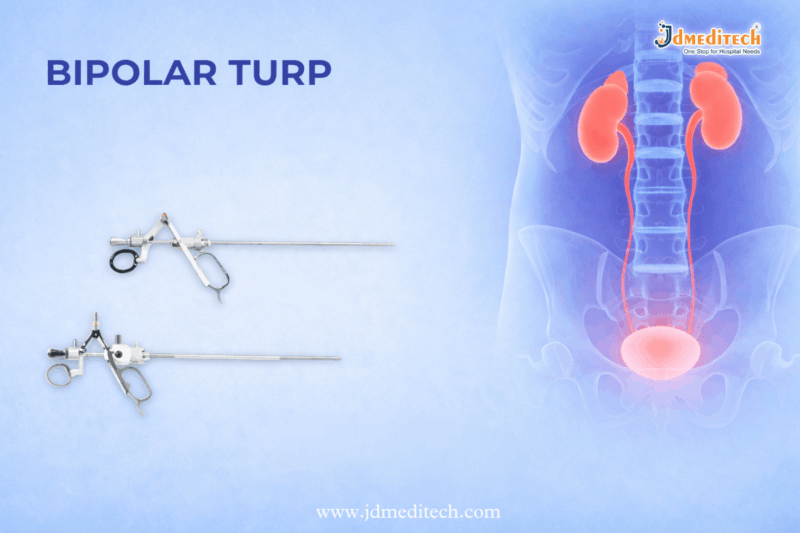
Bipolar TURP: Safe and Advanced Treatment for Enlarged Prostate

Bipolar TURP: Safe and Advanced Treatment for Enlarged Prostate

What Is Bipolar TURP?

Bipolar TURP is a modern surgical procedure used to treat an enlarged prostate. Doctors often recommend Bipolar TURP for men with moderate to severe urinary symptoms caused by benign prostatic hyperplasia (BPH). This procedure removes extra prostate tissue and helps improve urine flow.

Unlike older methods, Bipolar TURP uses bipolar energy with saline irrigation. As a result, it offers better safety and improved surgical control. Because of these benefits, many hospitals and urology specialists now prefer Bipolar TURP.

Why Is Bipolar TURP Needed?

An enlarged prostate can press against the urethra and block the normal flow of urine. Therefore, patients may face several uncomfortable symptoms. In many cases, Bipolar TURP is advised when medicines no longer provide enough relief.

Common symptoms include:

  • Frequent urination
  • Difficulty starting urination
  • Weak urine stream
  • Night-time urination
  • Incomplete bladder emptying
  • Sudden urge to urinate
  • Urinary retention

When these symptoms become severe, Bipolar TURP can provide long-term relief.

How Bipolar TURP Works

During Bipolar TURP, the surgeon inserts a resectoscope through the urethra. No external cut is needed. Then the surgeon uses bipolar electrical energy to remove the extra prostate tissue blocking the urinary passage.

At the same time, saline solution is used for irrigation. This improves visibility and also lowers the risk of complications linked with non-saline fluids. After tissue removal, the surgeon places a catheter for temporary drainage.

In most cases, Bipolar TURP is completed within 60 to 90 minutes.

Key Benefits of Bipolar TURP

There are many reasons why Bipolar TURP is considered a preferred option for BPH treatment.

1. Better Safety

Bipolar TURP uses saline solution, which reduces the risk of TUR syndrome. This makes the procedure safer than traditional monopolar methods.

2. Less Bleeding

Because bipolar energy offers better coagulation, Bipolar TURP helps control bleeding during surgery.

3. Faster Recovery

Most patients recover faster after Bipolar TURP. In addition, hospital stay is often shorter.

4. Improved Precision

The system allows accurate cutting and effective removal of obstructing tissue.

5. Suitable for Many Patients

Doctors may choose Bipolar TURP for elderly patients or for those who need a safer surgical option.

Bipolar TURP vs Monopolar TURP

Both procedures treat enlarged prostate, but Bipolar TURP offers several important advantages.

Feature Bipolar TURP Monopolar TURP
Energy system Bipolar Monopolar
Irrigation fluid Saline Non-saline fluid
TUR syndrome risk Very low Higher
Bleeding control Better Moderate
Recovery time Faster Slower
Safety profile Higher Lower

Because of these differences, many surgeons now prefer Bipolar TURP over monopolar TURP.

Who Can Benefit From Bipolar TURP?

Bipolar TURP is usually recommended for men who:

  • Have moderate to severe BPH symptoms
  • Do not respond well to medication
  • Experience repeated urinary retention
  • Need effective prostate tissue removal
  • Want a minimally invasive treatment option

However, the final decision depends on the patient’s condition, prostate size, and overall health.

Recovery After Bipolar TURP

Recovery after Bipolar TURP is generally smooth. Most patients stay in the hospital for a short period. The catheter is usually removed within one to two days.

After surgery, patients may notice:

  • Mild discomfort during urination
  • Small amounts of blood in urine
  • Frequent urge to urinate for a few days

These symptoms usually improve with time. Still, proper care is important after Bipolar TURP.

Recovery Tips
  • Drink enough water
  • Avoid heavy lifting
  • Follow medical advice carefully
  • Take prescribed medicines on time
  • Attend all follow-up visits

In most cases, patients return to normal daily activities within two to three weeks after Bipolar TURP.

Possible Risks of Bipolar TURP

Although Bipolar TURP is considered safe, every surgery carries some risk. Possible complications may include:

  • Urinary tract infection
  • Mild bleeding
  • Temporary difficulty in urination
  • Retrograde ejaculation
  • Temporary urinary incontinence

However, serious complications are uncommon, especially when Bipolar TURP is performed by experienced surgeons.

Why Bipolar TURP Is a Preferred Choice

Today, Bipolar TURP is widely used because it combines safety, efficiency, and reliable results. It offers better control during surgery and supports quicker recovery. Moreover, it reduces the risk of some complications seen in older TURP methods.

For these reasons, Bipolar TURP has become a trusted solution for the treatment of enlarged prostate.

Conclusion

Bipolar TURP is a safe, advanced, and effective treatment for men suffering from enlarged prostate symptoms. It improves urine flow, reduces discomfort, and supports faster recovery. In addition, it offers clear benefits over traditional monopolar techniques.

If you are looking for an advanced BPH treatment option, Bipolar TURP may be the right choice. Always consult a qualified urology specialist for proper diagnosis and treatment planning.


Explore More Product >>

Get Connected:

+91 79909 93062 | +91 63513 72032 | exports@jdmeditech.com
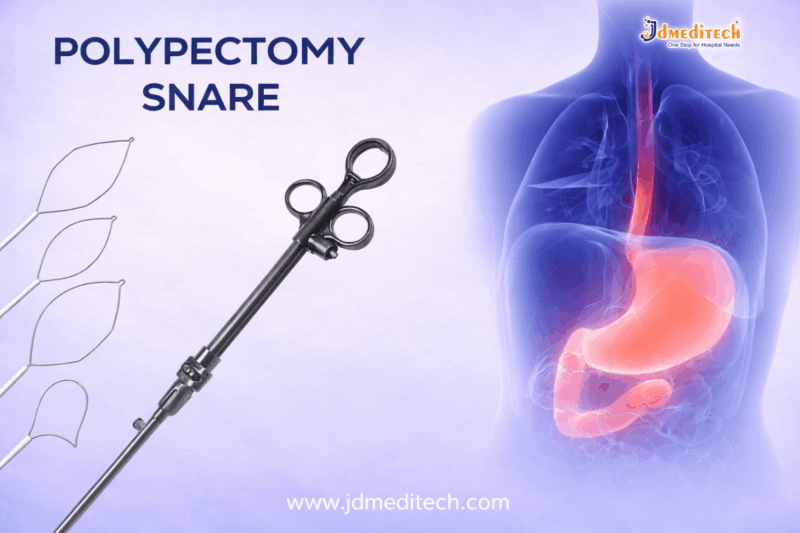
 

Polypectomy Snare – Safe & Effective Endoscopic Polyp Removal Tool

What is a Polypectomy Snare?

A polypectomy snare is a medical instrument with a thin wire loop attached to a flexible tube. Doctors pass the polypectomy snare through an endoscope to reach the polyp.

Then, the loop surrounds the polyp and tightens to remove it. In many cases, the polypectomy snare uses electrocautery to reduce bleeding and improve safety.

Types of Polypectomy Snare

There are different types of polypectomy snare devices designed for specific needs.

Cold Polypectomy Snare

A polypectomy snare without electric current is called a cold snare. It is best for small polyps and reduces tissue damage.

Hot Polypectomy Snare

This type of polypectomy snare uses electrocautery. It helps remove larger polyps and controls bleeding effectively.

Rotatable Polypectomy Snare

A rotatable polypectomy snare improves positioning. Therefore, it offers better precision in difficult areas.

Special Shape Polypectomy Snare

Some polypectomy snare designs come in oval or hexagonal shapes. These shapes improve grip and removal efficiency.

Key Features of Polypectomy Snare

A high-quality polypectomy snare offers several important features:

  • Flexible catheter for smooth insertion
  • Strong wire loop for clean cutting
  • Easy handle control for precision
  • Compatibility with standard endoscopes
  • Sterile design for safe use

Because of these features, the polypectomy snare ensures reliable performance.

Uses of Polypectomy Snare

The polypectomy snare is widely used in medical procedures such as:

  • Colonoscopy procedures
  • Gastrointestinal polyp removal
  • Diagnostic endoscopy
  • Cancer prevention treatments

Therefore, the polypectomy snare is essential for early disease management.

Benefits of Polypectomy Snare

Using a polypectomy snare provides many benefits:

  • Minimally invasive procedure
  • High precision and control
  • Reduced recovery time
  • Lower risk of complications
  • Effective polyp removal

In addition, the polypectomy snare improves patient outcomes.

How Does a Polypectomy Snare Work?

The polypectomy snare works in a simple and effective way:

  1. First, the endoscope is inserted
  2. Then, the polypectomy snare reaches the polyp
  3. Next, the loop surrounds the polyp
  4. After that, the snare tightens
  5. Finally, the polyp is removed

If required, the polypectomy snare uses electric current to stop bleeding.

Safety Tips for Using Polypectomy Snare

To ensure safe use of a polypectomy snare, doctors should follow these steps:

  • Choose the correct size of polypectomy snare
  • Use controlled electrocautery
  • Maintain clear visualization
  • Monitor for complications

Thus, proper handling of the polypectomy snare ensures better results.

Why Choose a Quality Polypectomy Snare?

A high-quality polypectomy snare improves both safety and efficiency. It allows doctors to perform procedures with confidence.

At JDMeditech, we provide reliable and advanced polypectomy snare devices designed for precision and durability.

Conclusion

The polypectomy snare is an essential tool in endoscopy. It allows safe, quick, and effective polyp removal.

Overall, the polypectomy snare supports early diagnosis and prevention of serious diseases. Therefore, it remains a vital device in modern healthcare.


Explore More Product >>

Get Connected:

+91 79909 93062 | +91 63513 72032 | exports@jdmeditech.com
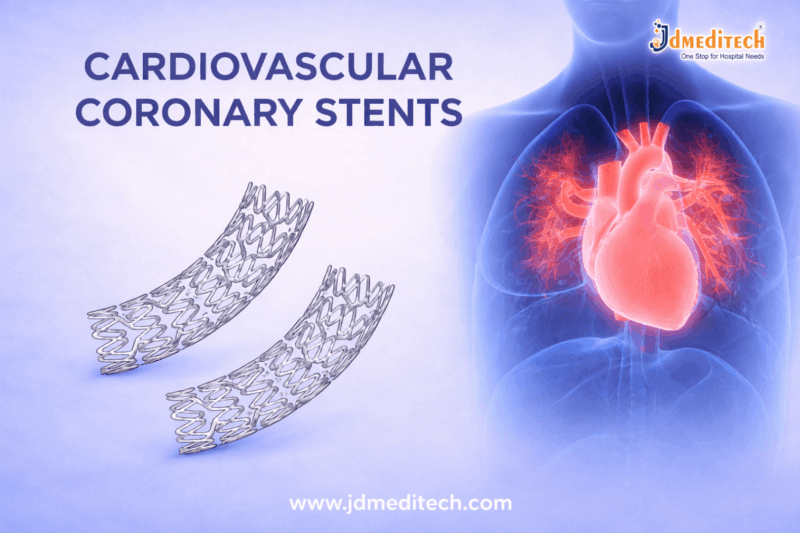


Cardiovascular Coronary Stent: Types, Procedure, Benefits & Recovery Guide

What is a Cardiovascular Coronary Stent?

A cardiovascular coronary stent is a small mesh tube placed inside a narrowed artery. It keeps the artery open and allows blood to flow normally.

Doctors insert the cardiovascular coronary stent during a minimally invasive procedure. In most cases, the stent stays in the artery permanently.

Why is a Cardiovascular Coronary Stent Used?

Doctors recommend a cardiovascular coronary stent to treat:

  • Blocked coronary arteries
  • Coronary artery disease
  • Chest pain (angina)
  • Heart attack

When plaque builds up, blood flow decreases. Therefore, a cardiovascular coronary stent helps restore circulation and improves heart function.

Types of Cardiovascular Coronary Stent
1. Bare-Metal Stent

A bare-metal cardiovascular coronary stent provides basic support to the artery. However, it may have a higher risk of re-narrowing.

2. Drug-Eluting Stent

A drug-eluting cardiovascular coronary stent releases medication. As a result, it prevents blockage from returning. This type is commonly used today.

3. Bioabsorbable Stent

A bioabsorbable cardiovascular coronary stent dissolves over time. Therefore, it reduces long-term complications.

Cardiovascular Coronary Stent Procedure

The cardiovascular coronary stent is placed using angioplasty.

Steps of the Procedure:
  1. First, a catheter is inserted into the artery
  2. Next, it reaches the blocked area
  3. Then, a balloon expands to open the artery
  4. After that, the cardiovascular coronary stentis placed
  5. Finally, the catheter is removed

This procedure is quick and safe. In most cases, it takes less than two hours.

Benefits of Cardiovascular Coronary Stent

A cardiovascular coronary stent offers several benefits:

  • Improves blood flow
  • Reduces chest pain
  • Prevents heart attacks
  • Requires minimal surgery
  • Ensures faster recovery

Moreover, the cardiovascular coronary stent improves overall quality of life.

Risks of Cardiovascular Coronary Stent

Although safe, a cardiovascular coronary stent may involve risks:

  • Blood clot formation
  • Re-blockage of artery
  • Minor bleeding
  • Rare infection

However, proper medication reduces these risks significantly.

Recovery After Cardiovascular Coronary Stent
Recovery Tips:
  • Take prescribed medicines regularly
  • Avoid heavy activity for a few days
  • Follow a healthy diet
  • Visit your doctor regularly

Most patients recover within a week after receiving a cardiovascular coronary stent.

Lifestyle Changes After Cardiovascular Coronary Stent

To maintain results of a cardiovascular coronary stent, follow these habits:

  • Eat heart-friendly food
  • Exercise daily
  • Quit smoking
  • Control cholesterol
  • Manage stress

As a result, the cardiovascular coronary stent works effectively for a long time.

Conclusion

A cardiovascular coronary stent plays a vital role in treating heart disease. It improves blood flow, reduces symptoms, and prevents serious complications.

Therefore, choosing the right treatment and following a healthy lifestyle ensures long-term success with a cardiovascular coronary stent.


Explore More Product >>

Get Connected:

+91 79909 93062 | +91 63513 72032 | exports@jdmeditech.com
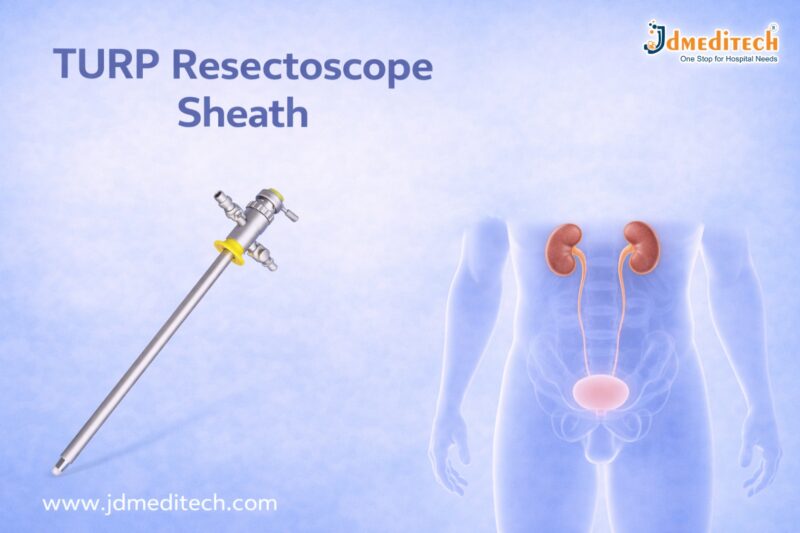
TURP Resectoscope Sheath: Features, Uses & Benefits in TURP Surgery

TURP Resectoscope Sheath: Essential Instrument for Safe and Effective TURP Surgery

Introduction

The TURP resectoscope sheath plays a critical role in modern urological procedures, especially in Transurethral Resection of the Prostate (TURP). As one of the most important components of a resectoscope system, the sheath ensures smooth instrument insertion, continuous irrigation, and enhanced surgical visibility.

In this blog, we will explore everything about the TURP resectoscope sheath, including its features, uses, benefits, and why it is essential for successful prostate surgery.

What is a TURP Resectoscope Sheath?

A TURP resectoscope sheath is a specialized outer tube used during TURP procedures. It houses the resectoscope and allows surgeons to safely access the prostate through the urethra.

The sheath is designed to:

  • Maintain a clear surgical field
  • Enable continuous irrigation
  • Protect surrounding tissues
  • Support precise instrument movement
Key Features of TURP Resectoscope Sheath
1. High-Quality Medical-Grade Material

Most TURP sheaths are made from durable stainless steel or high-grade materials, ensuring longevity and reliability.

2. Continuous Flow System

The sheath allows continuous inflow and outflow of irrigation fluid, which is crucial for clear visibility during surgery.

3. Ergonomic Design

Its user-friendly design ensures easy handling and precise control for surgeons.

4. Compatibility

The TURP resectoscope sheath is compatible with various resectoscope systems and working elements.

5. Smooth Surface Finish

A polished surface minimizes tissue trauma and ensures safe insertion.

Uses of TURP Resectoscope Sheath

The TURP resectoscope sheath is primarily used in:

  • Benign Prostatic Hyperplasia (BPH) treatment
  • Transurethral Resection of the Prostate (TURP)
  • Bladder tumor resections (in some cases)
  • Endoscopic urological procedures
Benefits of Using TURP Resectoscope Sheath
Improved Surgical Visibility

Continuous irrigation helps maintain a clear field, allowing surgeons to perform precise resections.

Enhanced Patient Safety

The sheath protects surrounding tissues and reduces the risk of injury.

Efficient Fluid Management

Controlled inflow and outflow prevent fluid accumulation and complications.

Reduced Procedure Time

Smooth instrument movement improves surgical efficiency.

Types of TURP Resectoscope Sheaths
1. Continuous Flow Sheath

Allows simultaneous inflow and outflow of irrigation fluid.

2. Non-Continuous Flow Sheath

Basic design with limited irrigation control.

3. Different Sizes

Available in various diameters to suit different patient needs and surgical requirements.

How to Choose the Right TURP Resectoscope Sheath

When selecting a TURP resectoscope sheath, consider:

  • Material quality and durability
  • Compatibility with existing equipment
  • Flow mechanism (continuous vs non-continuous)
  • Ease of sterilization
  • Manufacturer reliability
Maintenance and Sterilization

Proper maintenance of the TURP sheath ensures longevity and patient safety:

  • Clean immediately after use
  • Use approved sterilization methods
  • Inspect for damage before reuse
  • Store in a sterile environment
Why Choose JDMeditech TURP Resectoscope Sheath?

At JDMeditech, we provide high-quality TURP resectoscope sheaths designed for precision, durability, and safety.

Our Advantages:
  • Premium-grade materials
  • Advanced design for optimal flow
  • Strict quality control
  • Reliable performance in every procedure
Conclusion

The TURP resectoscope sheath is an indispensable component in urological surgeries. Its role in ensuring clear visibility, efficient fluid management, and patient safety makes it essential for successful TURP procedures.

Choosing a high-quality sheath can significantly enhance surgical outcomes and overall efficiency.


Explore More Product >>

Get Connected:

+91 79909 93062 | +91 63513 72032 | exports@jdmeditech.com
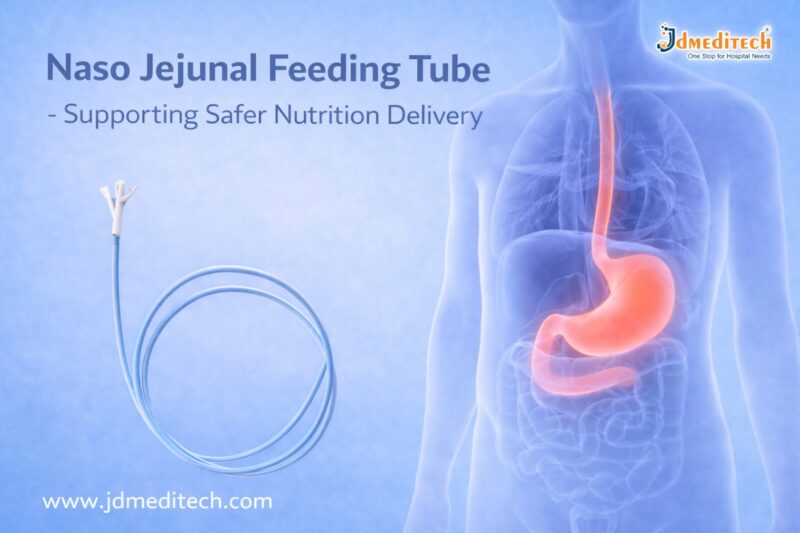


Struggling with Enteral Feeding? Try Naso Jejunal Feeding Tube

What is a Naso Jejunal Feeding Tube?

A naso jejunal feeding tube is a thin, flexible medical device inserted through the nose and guided into the jejunum (the middle section of the small intestine). Unlike nasogastric tubes, which end in the stomach, this tube bypasses the stomach entirely.

As a result, it is ideal for patients who cannot tolerate gastric feeding due to medical conditions such as severe reflux, pancreatitis, or gastric dysfunction.

Why is a Naso Jejunal Feeding Tube Used?

Doctors recommend a naso jejunal feeding tube when patients need long-term or specialized nutritional support. It is commonly used in the following situations:

  • Severe gastrointestinal disorders
  • Pancreatitis requiring minimal pancreatic stimulation
  • High risk of aspiration
  • Delayed gastric emptying (gastroparesis)
  • Post-surgical recovery
  • Critical care and ICU patients

Because it delivers nutrients directly to the intestine, it reduces the risk of vomiting and aspiration.

Key Benefits of Naso Jejunal Feeding Tube

Using a naso jejunal feeding tube offers several clinical advantages:

1. Safe Nutrition Delivery

It significantly reduces the risk of aspiration pneumonia by bypassing the stomach.

2. Improved Tolerance

Patients who cannot tolerate gastric feeding often respond better to jejunal feeding.

3. Effective Nutrient Absorption

The jejunum allows efficient absorption of nutrients, ensuring optimal patient recovery.

4. Minimally Invasive Procedure

The tube placement is non-surgical and can be performed with imaging guidance.

5. Reliable for Critical Care

It provides consistent and controlled nutrition for ICU and high-risk patients.

Procedure for Naso Jejunal Feeding Tube Placement

The placement of a naso jejunal feeding tube is a carefully monitored medical procedure:

  1. The tube is inserted through the patient’s nose
  2. It passes through the esophagus and stomach
  3. It is guided into the jejunum using fluoroscopy or endoscopy
  4. Proper placement is confirmed using imaging techniques

This procedure ensures accurate positioning for safe and effective feeding.

Care and Maintenance Tips

Proper care is essential to ensure the effectiveness of a naso jejunal feeding tube:

  • Flush the tube regularly to prevent blockages
  • Maintain hygiene around the nasal area
  • Monitor for signs of displacement
  • Use prescribed feeding formulas only
  • Follow healthcare provider instructions strictly

Good maintenance helps avoid complications and prolongs the usability of the tube.

Potential Risks and Complications

Although a naso jejunal feeding tube is generally safe, some risks may occur:

  • Tube displacement
  • Blockage or clogging
  • Nasal irritation
  • Diarrhea or intolerance to feeding formula

However, proper monitoring and care can significantly reduce these risks.

Naso Jejunal Feeding Tube vs Nasogastric Tube

Understanding the difference helps in choosing the right feeding method:

Feature Naso Jejunal Feeding Tube Nasogastric Tube
Placement Jejunum (small intestine) Stomach
Aspiration Risk Low Higher
Feeding Tolerance Better Moderate
Use Case Critical patients General feeding
Conclusion

The naso jejunal feeding tube is a vital medical device that ensures safe, effective, and reliable nutrition delivery for patients who cannot eat normally. Its ability to bypass the stomach makes it particularly useful in critical care and complex medical conditions.

With proper placement, care, and monitoring, this feeding solution significantly improves patient outcomes and recovery.


Explore More Product >>

+91 79909 93062 | +91 63513 72032 | exports@jdmeditech.com
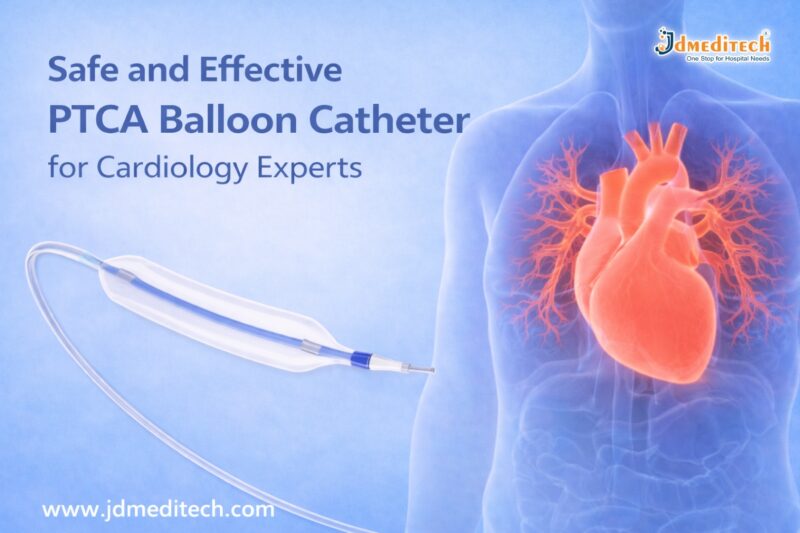
 

Safe and Effective PTCA Balloon Catheter for Cardiology Experts

What is a PTCA Balloon Catheter?

A PTCA Balloon Catheter is a minimally invasive medical device used to open narrowed coronary arteries caused by plaque buildup. It consists of a small balloon attached to the tip of a catheter.

During the procedure:

  • The catheter is inserted into a blood vessel
  • Guided to the blocked coronary artery
  • The balloon is inflated to compress plaque
  • Blood flow is restored efficiently

This procedure is commonly known as angioplasty.

Why PTCA Balloon Catheters Are Essential in Cardiology

Cardiologists rely on PTCA balloon catheters because they offer:

  • Minimally invasive treatment
  • Quick restoration of blood flow
  • Reduced need for open-heart surgery
  • Faster patient recovery time

As a result, these catheters have become a cornerstone in treating coronary artery disease (CAD).

Key Features of Safe and Effective PTCA Balloon Catheters
1. High-Pressure Balloon Capability

Modern PTCA balloon catheters can withstand high pressure, allowing precise dilation of hardened plaques without damaging the artery.

2. Smooth Navigation

These catheters are designed for easy navigation through complex vascular pathways, ensuring accurate placement.

3. Excellent Crossability

They can cross tight lesions efficiently, making them ideal for challenging cases.

4. Controlled Balloon Inflation

Precise inflation and deflation provide better control, reducing procedural risks.

5. Biocompatible Materials

Manufactured using advanced materials, they minimize the risk of adverse reactions.

Types of PTCA Balloon Catheters
1. Semi-Compliant Balloons
  • Flexible and adaptable
  • Suitable for general angioplasty procedures
2. Non-Compliant Balloons
  • Maintain shape under high pressure
  • Ideal for precise dilation and post-stent expansion
3. Cutting Balloons
  • Equipped with micro blades
  • Used for resistant or calcified lesions
4. Drug-Coated Balloons
  • Release medication to prevent restenosis
  • Improve long-term outcomes
Benefits of Using PTCA Balloon Catheters

Using a safe and effective PTCA balloon catheter offers multiple benefits:

  • ✔ Minimally invasive procedure
  • ✔ Reduced hospital stay
  • ✔ Lower complication rates
  • ✔ Faster recovery
  • ✔ Improved patient comfort
  • ✔ High procedural success rate
Safety Considerations in PTCA Procedures

While PTCA is generally safe, proper technique and equipment selection are essential.

Important Safety Measures:
  • Use appropriate balloon size
  • Monitor inflation pressure carefully
  • Ensure proper imaging guidance
  • Follow sterilization protocols
  • Choose high-quality, certified devices

By adhering to these practices, cardiology experts can significantly reduce risks.

Applications of PTCA Balloon Catheters

PTCA balloon catheters are widely used in:

  • Coronary artery disease treatment
  • Pre-stent dilation
  • Post-stent expansion
  • Treatment of restenosis
  • Peripheral angioplasty procedures
How to Choose the Right PTCA Balloon Catheter

Selecting the right catheter is crucial for optimal results.

Consider the following factors:
  • Lesion type and severity
  • Vessel size
  • Balloon compliance type
  • Trackability and flexibility
  • Manufacturer quality and certification

Choosing the right device ensures both safety and effectiveness.

Future Innovations in PTCA Balloon Technology

Advancements in medical technology continue to improve PTCA outcomes.

Emerging trends include:

  • Drug-eluting balloon technologies
  • Enhanced catheter flexibility
  • Improved imaging compatibility
  • AI-assisted procedural planning

These innovations are shaping the future of interventional cardiology.

Conclusion

The PTCA Balloon Catheter remains an indispensable tool for cardiology experts. Its ability to safely and effectively restore blood flow makes it a preferred choice in modern cardiac care.

With continuous advancements in design and technology, PTCA balloon catheters are becoming even more efficient, ensuring better patient outcomes and procedural success.


Explore More Product >>

Get Connected:

+91 79909 93062 | +91 63513 72032 | exports@jdmeditech.com
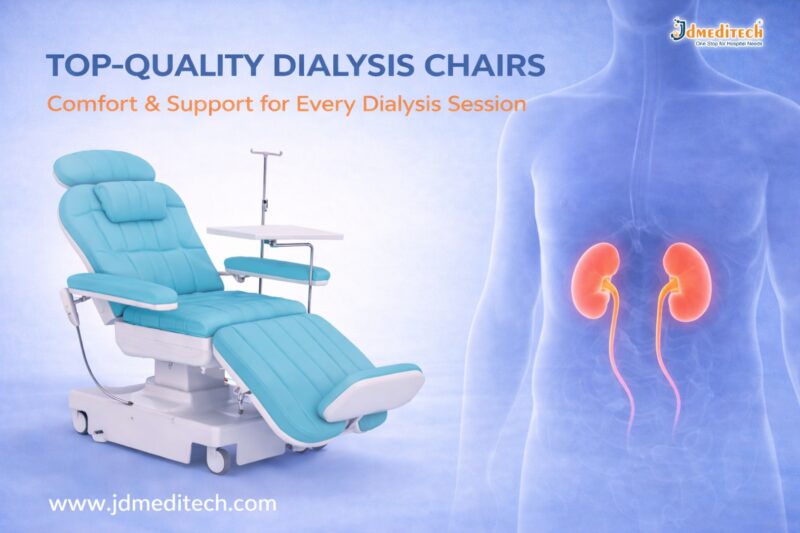
 

Top-Quality Dialysis Chairs – Comfort & Support for Every Dialysis Session

Introduction

Dialysis is a life-saving procedure for patients with kidney failure. However, long treatment sessions can be physically and mentally exhausting. This is where top-quality dialysis chairs play a crucial role. These specialized chairs are designed to provide maximum comfort, safety, and support throughout every dialysis session.

In this blog, we will explore the importance, features, benefits, and selection criteria for dialysis chairs, helping healthcare providers make informed decisions.

What Are Top-Quality Dialysis Chairs?

Top-quality dialysis chairs are ergonomically designed medical chairs used during dialysis treatments. Patients often remain seated for several hours, so these chairs are built to ensure comfort, proper posture, and easy accessibility for healthcare professionals.

They are commonly used in:

  • Hospitals
  • Dialysis centers
  • Specialty clinics
Why Comfort Matters in Dialysis Sessions

Dialysis sessions typically last 3–5 hours. During this time, patients must remain still. Poor seating can lead to:

  • Back pain and discomfort
  • Poor blood circulation
  • Increased anxiety or restlessness

By using top-quality dialysis chairs, healthcare facilities can significantly enhance patient comfort and overall treatment experience.

Key Features of Top-Quality Dialysis Chairs
1. Ergonomic Design for Patient Comfort

Modern dialysis chairs are designed to support the natural body posture. Adjustable backrests, armrests, and footrests ensure optimal comfort.

2. Electric Adjustment Mechanism

High-end chairs come with motorized controls that allow smooth adjustments. This helps both patients and caregivers.

3. Durable and Hygienic Materials

These chairs are made with easy-to-clean, antimicrobial upholstery, ensuring hygiene and infection control.

4. Safety Features

Top-quality dialysis chairs include:

  • Lockable wheels
  • Stable base structure
  • Emergency positioning
5. Accessibility for Medical Procedures

The chair design allows easy access for healthcare professionals during dialysis procedures.

Benefits of Using Top-Quality Dialysis Chairs
Enhanced Patient Comfort

Patients experience less fatigue during long sessions, improving their overall well-being.

Improved Clinical Efficiency

Adjustable features help medical staff perform procedures more efficiently.

Better Patient Compliance

Comfortable patients are more likely to complete their sessions without interruption.

Increased Safety

Advanced safety mechanisms reduce the risk of accidents.

How to Choose the Best Dialysis Chair

Selecting the right dialysis chair is essential for both patient satisfaction and clinical performance.

Consider Patient Comfort

Look for chairs with cushioning, adjustability, and ergonomic support.

Evaluate Build Quality

Choose durable materials that withstand frequent use.

Check for Advanced Features

Electric controls, memory positions, and safety locks are important.

Ensure Easy Maintenance

Hygienic surfaces and easy cleaning are critical in healthcare settings.

Applications of Dialysis Chairs in Healthcare

Top-quality dialysis chairs are widely used in:

  • Hemodialysis units
  • Oncology treatment centers
  • Blood transfusion units
  • Daycare surgical centers

Their versatility makes them a valuable asset in modern healthcare facilities.

Maintenance Tips for Long-Term Use

To ensure longevity and performance:

  • Clean the chair regularly with approved disinfectants
  • Inspect mechanical and electrical components
  • Perform routine servicing
  • Train staff on proper usage
Why Choose JDMeditech Dialysis Chairs?

At JDMeditech, we provide top-quality dialysis chairs designed to meet international healthcare standards. Our chairs offer:

  • Superior comfort and ergonomic design
  • Advanced safety features
  • Durable and hygienic materials
  • Reliable performance for long-term use
Conclusion

Investing in top-quality dialysis chairs is essential for improving patient comfort, safety, and treatment efficiency. With the right chair, healthcare providers can deliver better care while enhancing operational performance.

If you are looking for reliable and high-performance dialysis chairs, JDMeditech offers solutions tailored to your needs.


Explore More Product >>

Get Connected:

+91 79909 93062 | +91 63513 72032 | exports@jdmeditech.com
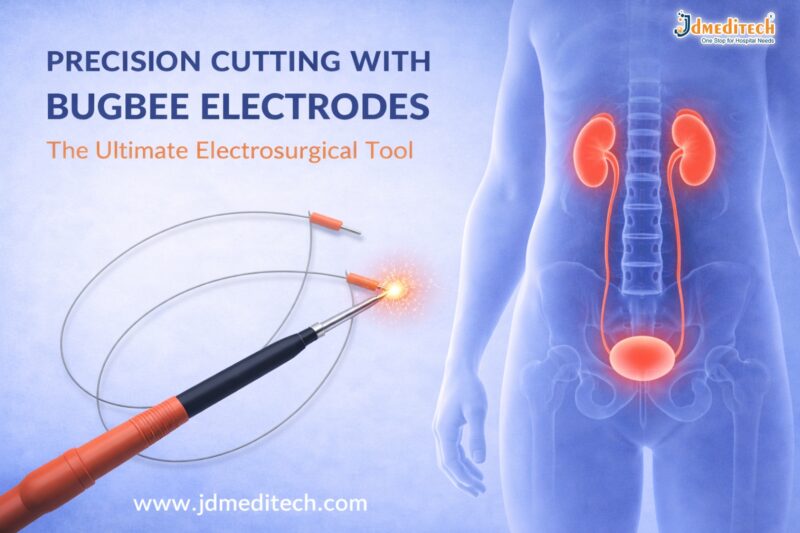


Precision Cutting with Bugbee Electrodes – Ultimate Electrosurgical Tool

Precision Cutting with Bugbee Electrodes – The Ultimate Electrosurgical Tool

Introduction

Precision cutting with Bugbee electrodes has transformed modern electrosurgical procedures. Surgeons rely on this advanced tool for accurate tissue cutting and effective coagulation, especially in urology and endoscopy.

Bugbee electrodes provide excellent control, minimal tissue damage, and improved surgical outcomes. As a result, they have become an essential instrument in operating rooms worldwide.

What Are Bugbee Electrodes?

Bugbee electrodes are flexible, monopolar electrosurgical instruments designed for precise cutting and coagulation of soft tissues. They are commonly used in minimally invasive procedures, particularly in urology.

These electrodes consist of a thin wire tip that delivers controlled electrical energy. This energy allows surgeons to cut tissue while simultaneously controlling bleeding.

Why Precision Cutting with Bugbee Electrodes Matters

Precision cutting with Bugbee electrodes ensures clean incisions and reduces unnecessary tissue damage. This improves patient recovery and minimizes complications.

Key Benefits:
  • High precision during surgery
  • Minimal thermal spread
  • Reduced bleeding
  • Enhanced visibility in the surgical field
  • Faster healing time

Because of these advantages, surgeons prefer Bugbee electrodes for delicate procedures.

Applications of Bugbee Electrodes in Medical Procedures

Bugbee electrodes are widely used across various medical specialties. However, they are most popular in urology and endoscopic surgeries.

1. Urological Procedures

Surgeons use Bugbee electrodes during cystoscopy to remove small tumors, coagulate bleeding areas, and treat bladder conditions.

2. Endoscopic Surgeries

These electrodes allow precise cutting in minimally invasive procedures, reducing trauma to surrounding tissues.

3. Tumor Resection

Bugbee electrodes help in removing small growths with accuracy while maintaining hemostasis.

4. Coagulation of Bleeding Vessels

They effectively control bleeding by coagulating blood vessels during surgery.

How Bugbee Electrodes Work

Bugbee electrodes operate using monopolar electrosurgical energy. The electrical current passes through the electrode tip to the targeted tissue.

This process creates heat, which enables:

  • Cutting of tissue
  • Coagulation of blood vessels
  • Controlled surgical precision

The surgeon can adjust the energy level depending on the procedure, ensuring safe and effective outcomes.

Advantages of Using Bugbee Electrodes

Precision cutting with Bugbee electrodes offers several advantages over traditional surgical tools.

Improved Surgical Accuracy

The fine tip allows surgeons to perform delicate procedures with maximum control.

Reduced Tissue Damage

Minimal thermal spread protects surrounding tissues.

Enhanced Efficiency

Surgeries become quicker due to simultaneous cutting and coagulation.

Cost-Effective Solution

Reusable options make Bugbee electrodes a budget-friendly choice for hospitals.

Safety Considerations

Although Bugbee electrodes are highly effective, proper usage is essential for safety.

  • Always use appropriate power settings
  • Ensure proper grounding during monopolar procedures
  • Regularly inspect the electrode for damage
  • Follow sterilization protocols

By following these guidelines, healthcare professionals can ensure safe and successful procedures.

Choosing the Right Bugbee Electrode

Selecting the correct Bugbee electrode depends on the surgical requirement.

Factors to Consider:
  • Electrode length and flexibility
  • Tip size and shape
  • Compatibility with electrosurgical units
  • Reusable or disposable type

Choosing the right instrument enhances both precision and safety.

Future of Electrosurgical Tools

The demand for precision cutting with Bugbee electrodes continues to grow. Innovations in electrosurgical technology are improving efficiency, safety, and ease of use.

Modern designs now focus on better insulation, enhanced flexibility, and improved energy control. These advancements will further improve surgical outcomes in the future.

Conclusion

Precision cutting with Bugbee electrodes has become a cornerstone of modern electrosurgery. Their ability to deliver accurate cuts with minimal tissue damage makes them the ultimate electrosurgical tool.

From urology to endoscopic procedures, Bugbee electrodes provide unmatched performance and reliability. As technology advances, their role in surgery will only continue to expand.


Explore More Product >>

Get Connected:

+91 79909 93062 | +91 63513 72032 | exports@jdmeditech.com


ERCP Pancreatic Baskets: Uses, Types, Procedure & Benefits

What Are ERCP Pancreatic Baskets?

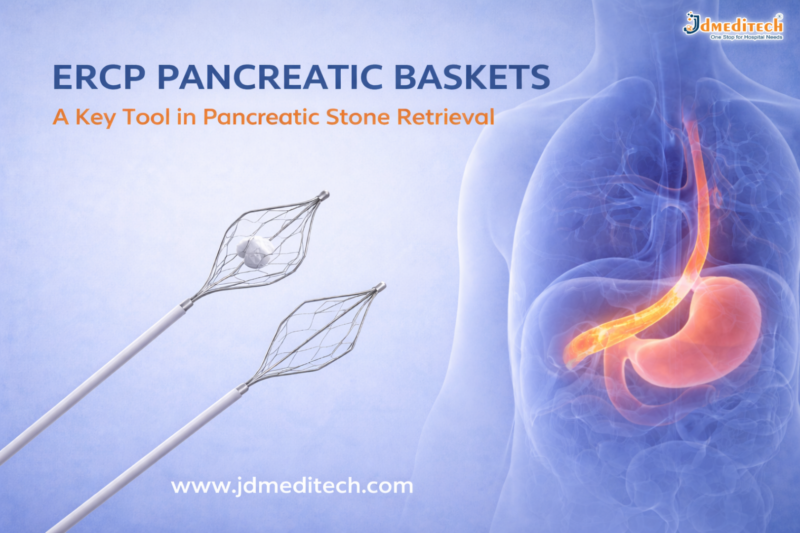
ERCP pancreatic baskets are small wire devices. Doctors use them to catch and remove stones from the pancreatic duct.

They pass through an endoscope during the ERCP procedure. These baskets are strong, flexible, and easy to control.

Key Features:
  • Flexible design for narrow ducts
  • Strong wires for firm grip
  • Smooth opening and closing system
  • Available in different sizes
Why Are ERCP Pancreatic Baskets Used?

Pancreatic stones can block the duct. Because of this, patients may feel severe pain. In some cases, it can lead to pancreatitis.

ERCP pancreatic baskets help to:
  • Remove stones safely
  • Improve enzyme flow
  • Reduce pain quickly
  • Prevent further complications
Types of ERCP Pancreatic Baskets

Different baskets are used for different cases. Therefore, doctors choose them based on the situation.

1. Four-Wire Basket

This is the most common type. It works well for medium-sized stones.

2. Eight-Wire Basket

It offers a stronger grip. So, it is useful for multiple or uneven stones.

3. Helical Basket

This basket moves easily in curved ducts. Hence, it is ideal for complex cases.

4. Nitinol (Memory) Basket

This basket keeps its shape. As a result, it works well even after repeated use.

ERCP Procedure Using Pancreatic Baskets

The procedure is simple and minimally invasive.

Steps:
  1. The doctor inserts an endoscope through the mouth
  2. The pancreatic duct is located
  3. A dye is used to view the duct clearly
  4. The basket is passed into the duct
  5. The stone is captured
  6. The basket is pulled out with the stone

This process is quick and effective.

Benefits of ERCP Pancreatic Baskets

These devices offer many benefits.

1. Minimally Invasive

No major surgery is needed. Therefore, recovery is faster.

2. High Success Rate

Most stones can be removed easily.

3. Better Control

Doctors can handle stones with precision.

4. Fewer Complications

There is less risk compared to open surgery.

5. Cost-Effective

Short hospital stays reduce overall cost.

Applications in Medical Practice

Doctors use ERCP pancreatic baskets in many situations.

  • Pancreatic stone removal
  • Chronic pancreatitis treatment
  • ERCP procedures
  • Endoscopic stone extraction
Risks and Considerations

The procedure is safe. However, some risks may occur.

Possible Risks:
  • Pancreatitis
  • Infection
  • Minor duct injury
  • Rare basket trapping

Even so, trained doctors can manage these risks well.

How to Choose the Right Basket

Choosing the right basket is important.

Doctors consider:

  • Stone size
  • Stone shape
  • Duct structure
  • Material type

Therefore, high-quality baskets give better results.

Future Developments

Medical tools are improving every year. As a result, ERCP baskets are becoming more advanced.

New Improvements:
  • Better flexibility
  • Stronger materials
  • Single-use options
  • Easy handling design

These changes help improve safety and performance.

Conclusion

ERCP Pancreatic Baskets are key tools for removing pancreatic stones. They are safe, effective, and easy to use.

Because they are minimally invasive, patients recover faster. In addition, new designs continue to improve results. Therefore, these baskets remain a top choice in modern ERCP procedures.


Explore More Product >>

Get Connected:

+91 79909 93062 | +91 63513 72032 | exports@jdmeditech.com
 

Embolectomy Catheter – Uses, Procedure & Benefits Explained

An embolectomy catheter is a medical device used to remove blood clots from blood vessels. These clots can block blood flow and cause serious health problems. Therefore, doctors must remove them quickly.

In many cases, this device helps restore circulation within minutes. As a result, it reduces the risk of stroke, tissue damage, and organ failure.

Today, the embolectomy catheter is widely used in cardiovascular procedures. It offers a fast, safe, and minimally invasive solution.

What is an Embolectomy Catheter?

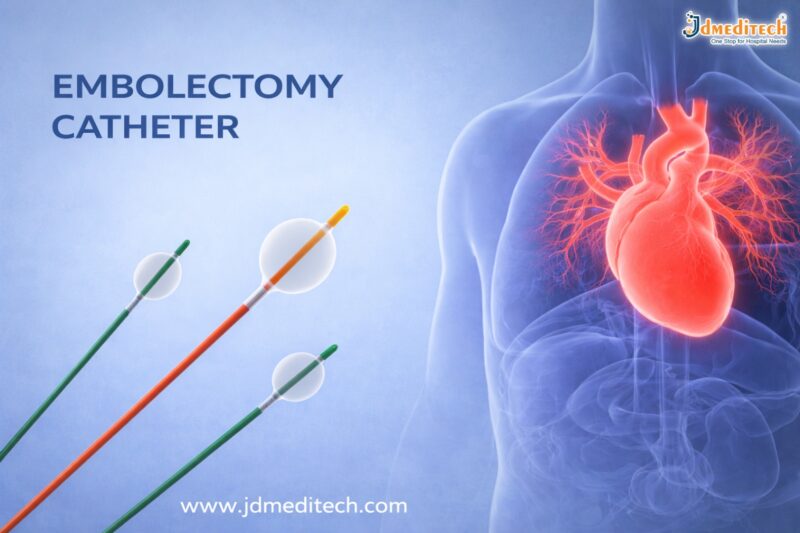
An embolectomy catheter is a thin and flexible tube. Doctors insert it into a blocked artery or vein.

At the tip, there is a small balloon. First, the catheter reaches the clot. Then, the balloon inflates. After that, the doctor pulls the catheter back. As a result, the clot is removed from the vessel.

Because of this simple method, blood flow returns quickly.

Why is an Embolectomy Catheter Used?

Blood clots can be dangerous. In some cases, they can be life-threatening. Therefore, quick treatment is important.

Doctors use an embolectomy catheter in the following conditions:

  • Acute arterial blockage
  • Deep vein thrombosis (DVT)
  • Pulmonary embolism
  • Stroke-related clots
  • Peripheral artery disease

In addition, this device is useful in emergency situations. It helps save time and improves survival.

Types of Embolectomy Catheters

There are different types of embolectomy catheter devices. Each type serves a specific purpose.

Balloon Embolectomy Catheter

This is the most common type. It uses a balloon to capture and remove the clot.

Fogarty Catheter

Doctors often use this catheter in vascular surgery. It is reliable and easy to use.

Aspiration Catheter

This type removes clots using suction instead of a balloon.

Mechanical Devices

These devices break the clot into small pieces. Then, they remove it from the vessel.

Embolectomy Procedure

The procedure is simple and quick. Moreover, it is usually safe.

Step 1: Preparation

First, the patient receives anesthesia.

Step 2: Insertion

Next, the doctor inserts the embolectomy catheter into the blood vessel.

Step 3: Positioning

Then, imaging helps guide the catheter to the clot.

Step 4: Removal

After that, the balloon inflates and captures the clot. The doctor removes it carefully.

Step 5: Completion

Finally, blood flow returns to normal.

Benefits of Embolectomy Catheter

The embolectomy catheter offers many benefits.

  • Fast clot removal
  • Minimally invasive procedure
  • Quick recovery time
  • Lower risk of complications
  • High success rate

Most importantly, it helps prevent serious damage to tissues and organs.

Risks and Complications

Like any procedure, there are some risks. However, they are usually rare.

  • Bleeding
  • Infection
  • Vessel injury
  • Partial clot removal

Even so, experienced doctors manage these risks effectively.

Role in Cardiovascular Procedures

The embolectomy catheter plays a key role in modern medicine.

Doctors use it in:

  • Emergency vascular treatment
  • Stroke management
  • Cardiac procedures
  • Peripheral artery care

Therefore, it is an important tool in saving lives.

How to Choose the Right Embolectomy Catheter

Choosing the correct device is important. Doctors consider several factors.

  • Size of the vessel
  • Location of the clot
  • Type of blockage
  • Patient condition

As a result, the right choice improves treatment success.

Future of Embolectomy Catheters

Medical technology is improving every year. Therefore, newer devices are more advanced.

For example:

  • Better flexibility
  • Improved precision
  • Smart balloon systems
  • Combined clot removal techniques

In the future, these devices will become even safer and more effective.

Conclusion

The embolectomy catheter is a powerful tool for clot removal. It helps restore blood flow quickly and safely.

Because it is minimally invasive, patients recover faster. In addition, it reduces the risk of serious complications.

Overall, this device plays a vital role in cardiovascular procedures.


Explore More Product >>

Get Connected:

+91 79909 93062 | +91 63513 72032 | exports@jdmeditech.com